Juno Beach vs Omaha Beach: Which to Visit (Normandy D-Day Guide)
Juno or Omaha Beach? Compare history, museums, cemetery, access and time needed, and see who should pick which. Plan your Normandy D-Day visit.
In this guide
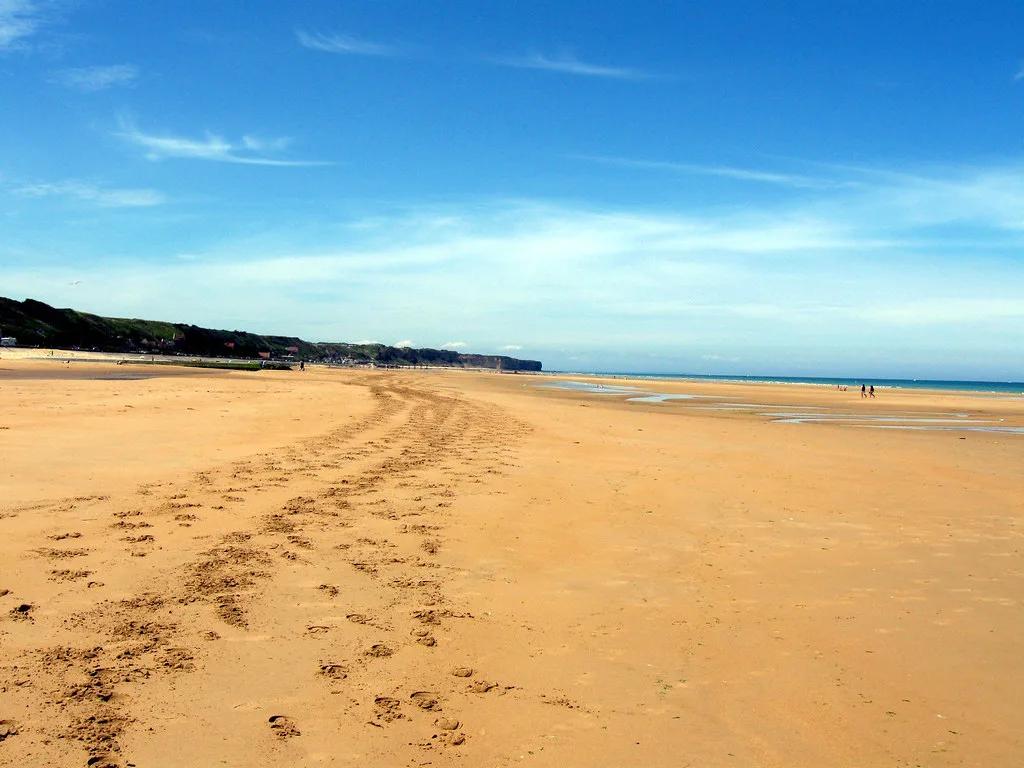
Last updated November 2026. Juno Beach vs Omaha Beach comes down to national story: Omaha is the American sector with the Normandy American Cemetery, while Juno is the Canadian sector with the Juno Beach Centre. Pick Omaha for the cemetery and the scale of the assault, and pick Juno for a hands-on museum and an easier, smaller visit. With two or more days, see both.
Featured image: Erik Cleves Kristensen, CC BY 2.0, via Flickr.
Quick Verdict
Omaha suits you if the American story and a quiet hour among the graves matter most. Juno suits you if you want a museum with guided programs, bunkers in a seaside town and a shorter, simpler stop. Both are places of remembrance, so plan to move slowly.
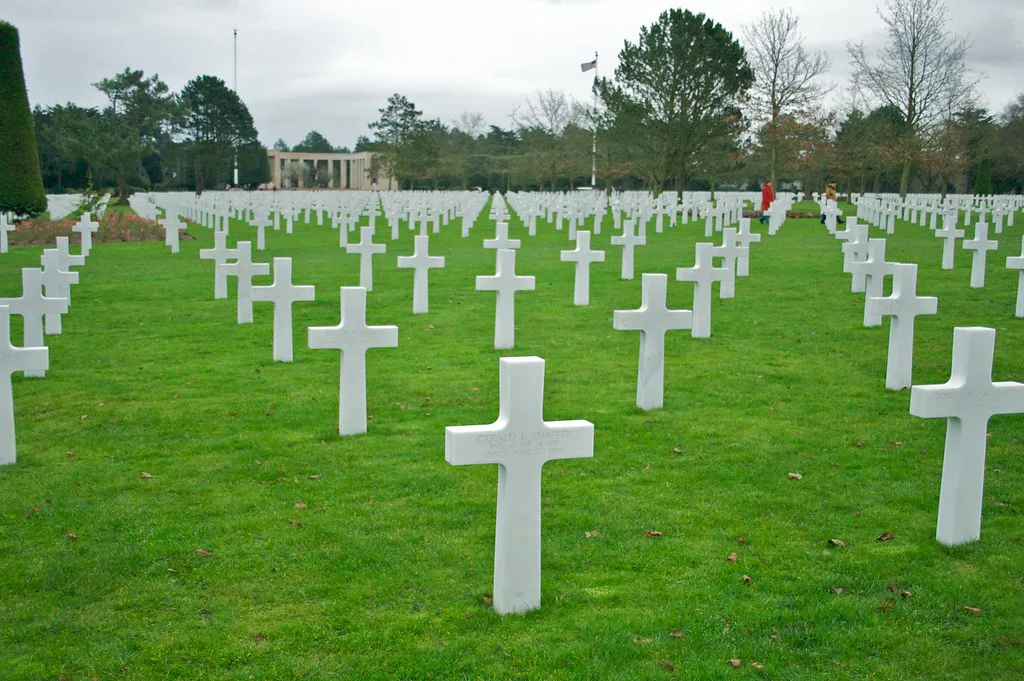
- Pick Omaha if you want the cemetery, the bluffs and the American sector.
- Pick Juno if you want the Canadian story, a museum and walkable bunkers.
Juno Beach vs Omaha Beach at a Glance
This table compares the two sectors on the points that decide most itineraries. Entries marked as judgements are editorial assessments, not official figures.
| Criterion | Omaha Beach | Juno Beach |
|---|---|---|
| Sector and forces | American sector; U.S. 1st and 29th Infantry Divisions | Canadian sector; Canadian 3rd Infantry Division |
| Main visitor attraction | Normandy American Cemetery and Memorial, with a visitor center | Juno Beach Centre, plus bunkers and the Courseulles-sur-Mer waterfront |
| Typical visit length | Estimate: half a day with nearby American sites | Estimate: half a day including the museum and the beachfront |
| Cost and entry | Cemetery entry is free; budget for parking and fuel | Museum is ticketed; see the official site for current rates |
| Access without a car | Harder; a guided tour is the practical option | Easier; Courseulles-sur-Mer is compact and walkable |
| Best for | American descendants, reflective visits, first-timers wanting scale | Canadian descendants, families, museum-led learning |
| Emotional tone | Solemn and spacious (judgement) | Educational and personal, with sea-town life around it (judgement) |
What Happened at Each Beach
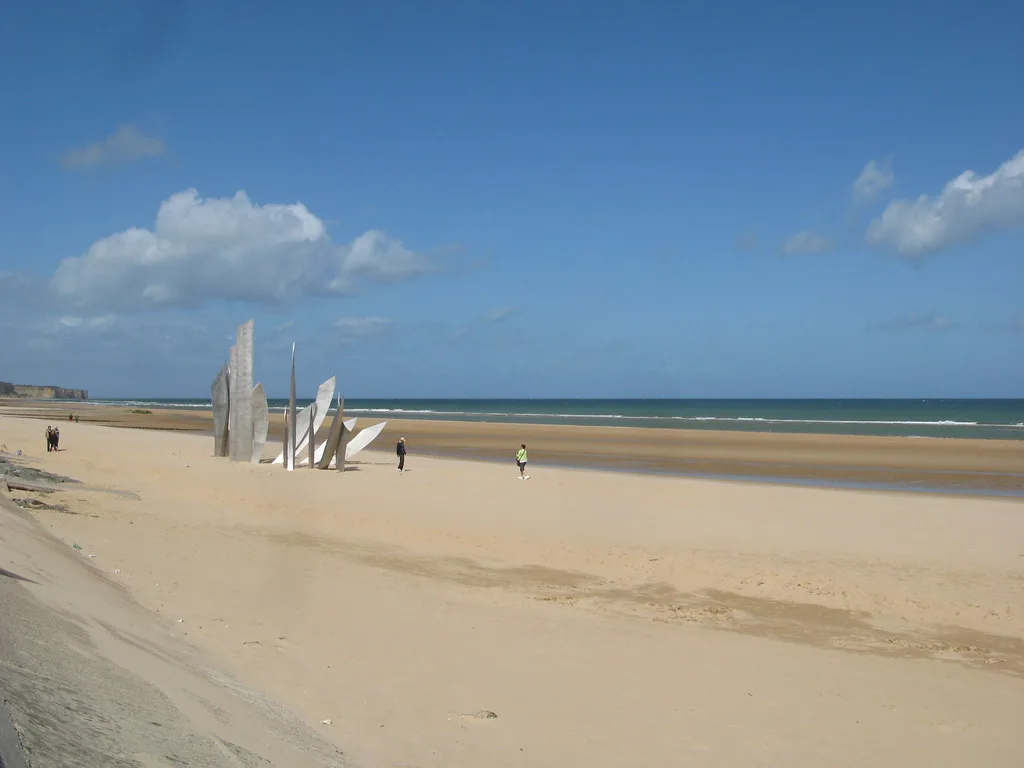
At Omaha, the U.S. 1st and 29th Infantry Divisions landed below coastal bluffs cut by fortified draws. Those natural exits shaped the fighting, and the terrain still explains why the assault was so hard. Pointe du Hoc, nearby, belongs to the same American sector.
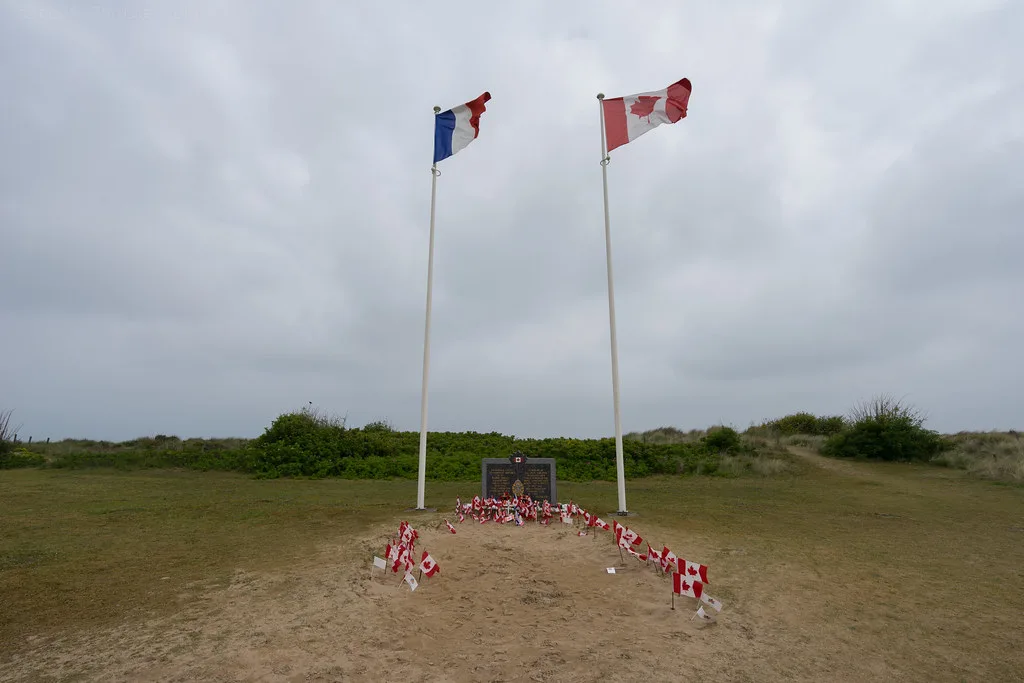
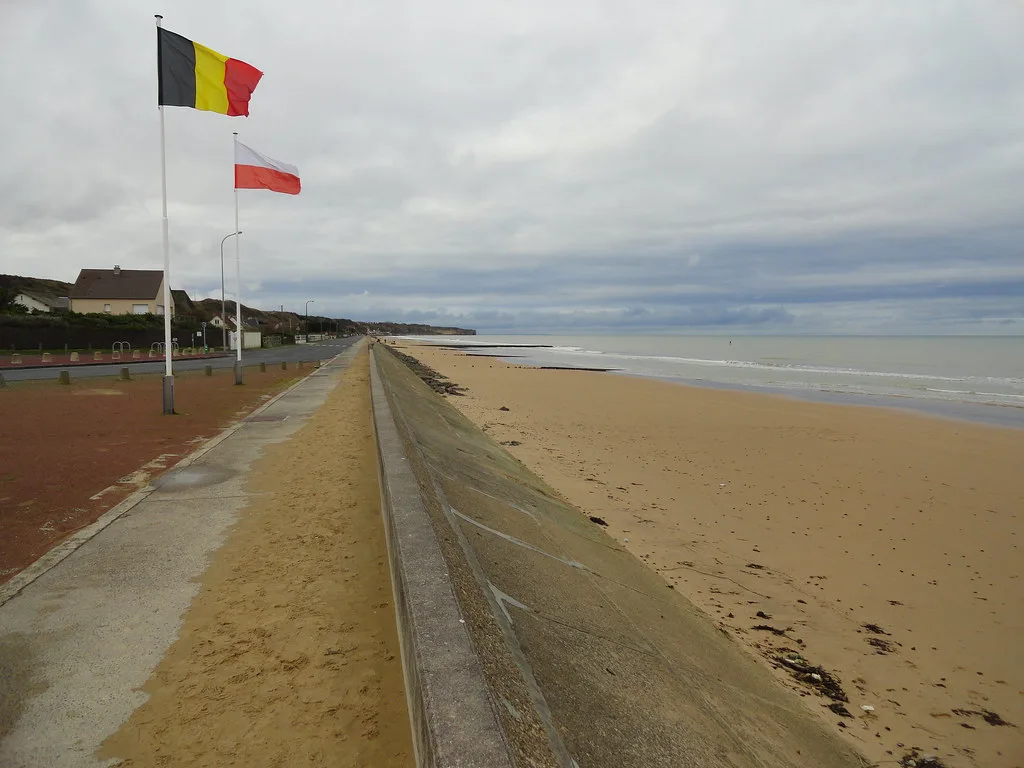
At Juno, the Canadian 3rd Infantry Division came ashore along a seafront of beachfront bunkers and small seaside towns. Much of that built-up coastline survives, so you can read the landing against everyday streets. That difference in setting is the clearest way to tell the two apart on the ground.
What You Can Actually See and Do
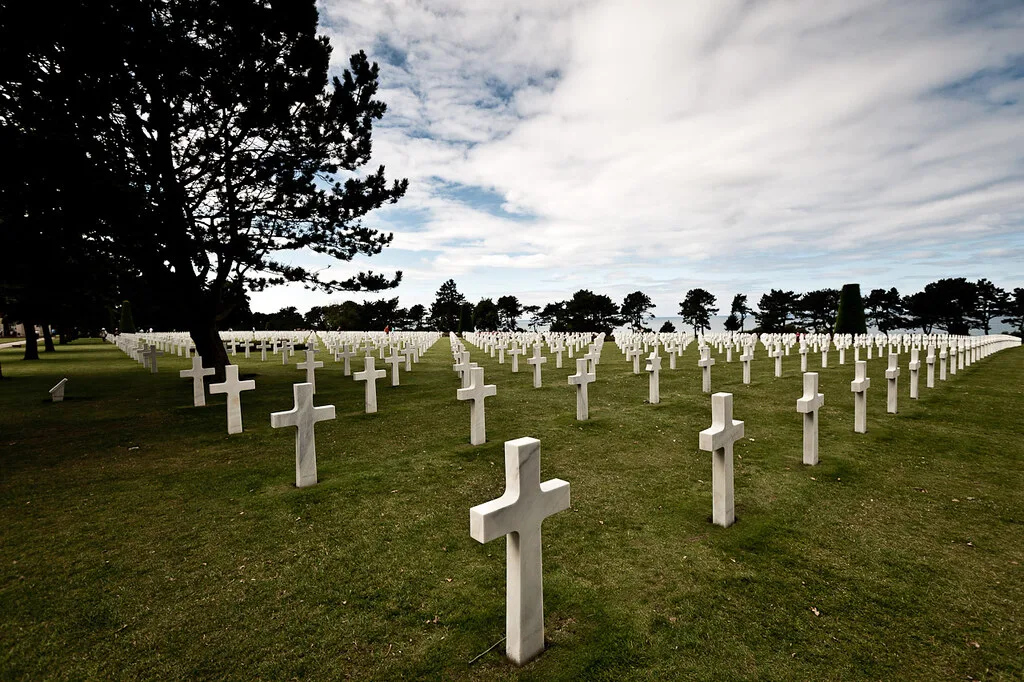
Omaha centers on the Normandy American Cemetery and Memorial, which has a visitor center. Stay on the paths, keep voices low and follow the posted guidance for visitors. Photography and quiet reflection are both part of how people use the site.
Museum admission at Juno falls around €8–€15 per adult, while the Omaha cemetery admission costs nothing.
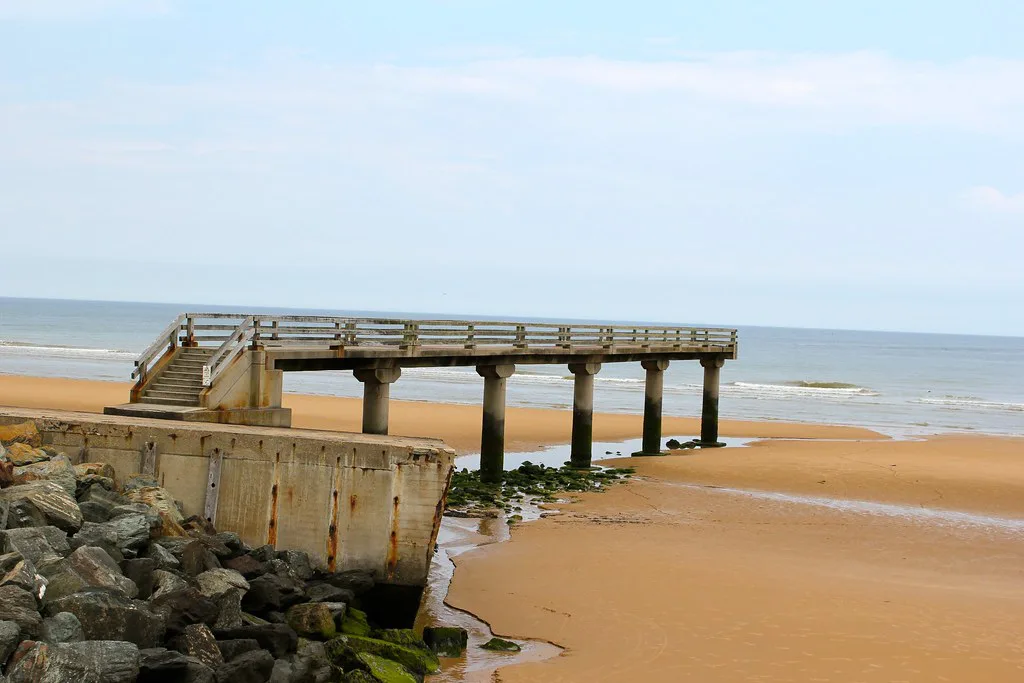
Juno centers on the Juno Beach Centre museum. Its official site lists current opening times and guided options. Our Juno Beach guide covers the sector in more depth.
Outside the museum, walk the remaining bunkers along the shore. The seafront at Courseulles-sur-Mer gives you lunch options within a few minutes of the beach.
Time, Cost and Access Trade-Offs
Entry to the cemetery costs €0. In our editorial planning estimate, Juno Beach Centre admission falls around €8–€15 per adult. A half-day guided tour from a Normandy base town might run €60–€120 per person. These are estimates for budgeting, so check current rates with the Juno Beach Centre and your tour operator before you book.
Allow roughly 2–3 hours at each main site as an estimate. Omaha rewards a car or a guided tour, because the cemetery, the beach and Pointe du Hoc sit apart. Juno is easier on foot once you reach Courseulles-sur-Mer. For food and a base, Courseulles-sur-Mer works for Juno, and Arromanches works as a midpoint between the two sectors.
Who Should Choose Which
Match the beach to your priorities with this quick matrix.
Visitors without a car face a guided tour for Omaha that might run €60–€120 per person, while Juno works on foot from Courseulles-sur-Mer.
- First-timer with one day: choose Omaha for scale, then add Arromanches if time allows.
- Family with children: choose Juno, where the museum makes the history easier to follow.
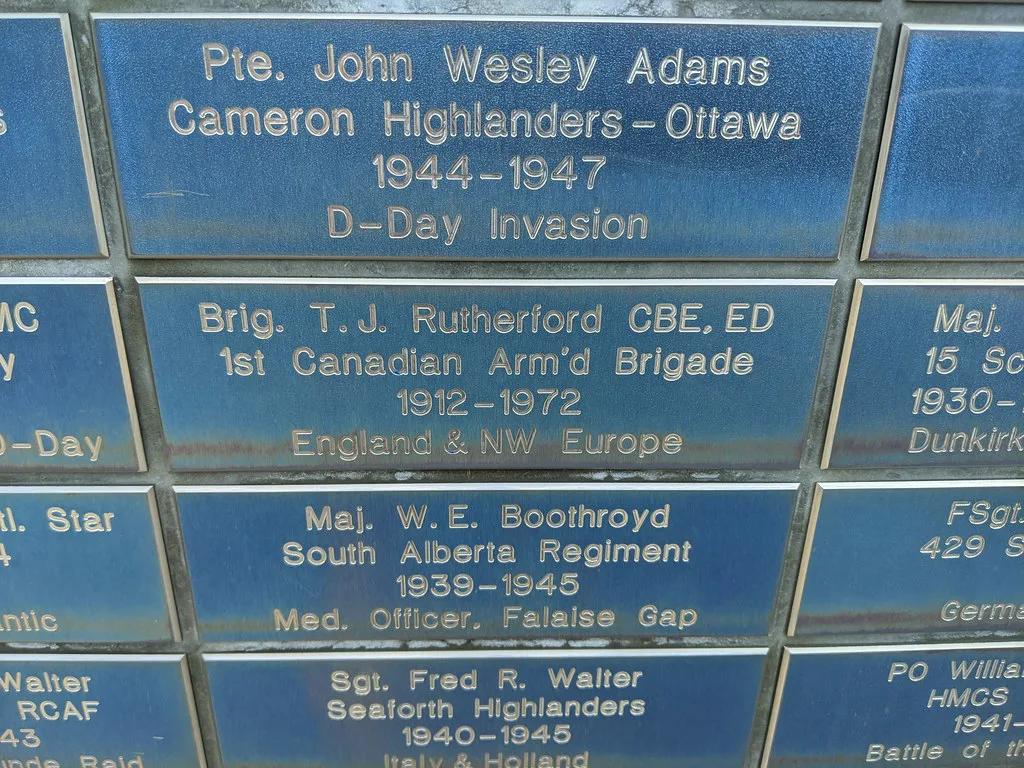
- Canadian descendant: Juno is the natural stop, ideally paired with the Juno Beach Centre: Tickets, Hours, Bunker Tour & Visit Tips.
- American descendant: Omaha and the cemetery come first.
- Photographer or bunker enthusiast: Juno's seafront bunkers are easy to reach on foot.
- Visitor without a car: base yourself in Courseulles-sur-Mer for Juno, and book a guided tour for Omaha.
- Peak versus shoulder season: spring and autumn are usually calmer, but check opening seasons on the official sites.
How to Combine Them in 1 Day or 2 Days
The logical route runs from Omaha to Arromanches to Juno. Gold and Sword sit between and beyond them, so British D-Day sites fill the gaps if you extend the trip. In Arromanches, see the remains of the Mulberry harbour. Then pick one indoor stop: the D-Day museum or the Arromanches 360 cinema.
On a one-day plan, take the cemetery in the morning, Arromanches at midday and Juno in the afternoon. Expect to keep each stop short. On two days, give Omaha and the cemetery one day. Spend the second at Juno, adding Longues-sur-Mer battery on the way.
A second day also leaves room for Pegasus Bridge Visit Guide: History, What to See and Planning or Merville Battery: D-Day History and Visit Planning if you have energy left.
- 1 day: Omaha cemetery, Arromanches, Juno Beach Centre.
- 2 days: Omaha and the American sector, then Longues-sur-Mer, Arromanches and Juno.
Mistakes to Avoid
Most problems come from planning, not from the sites themselves.
- Treating the beaches as one stop. Each sector has its own story and its own distances.
- Underestimating driving time between sites along the coast.
- Arriving at a museum on a closed day. Check the official site first.
- Rushing the cemetery. Leave unhurried time and follow the site's visitor guidance.
- Skipping a guided option if you have no car.
Keep planning
Guides on the same trip