
Merville Battery: D-Day History and Visit Planning
Merville Battery on D-Day: what happened on 6 June 1944, what the museum site offers, and how to fit it into an east-of-the-Orne Normandy route.
In this guide
Last updated November 2026. The Merville Battery, near Ranville and Merville-Franceville, was a German coastal gun position that British paratroopers of the 9th Parachute Battalion assaulted on 6 June 1944, and it is now a museum. It sits east of the Orne in the British airborne sector, so it pairs with Pegasus Bridge and its airborne story rather than with Omaha or Utah.
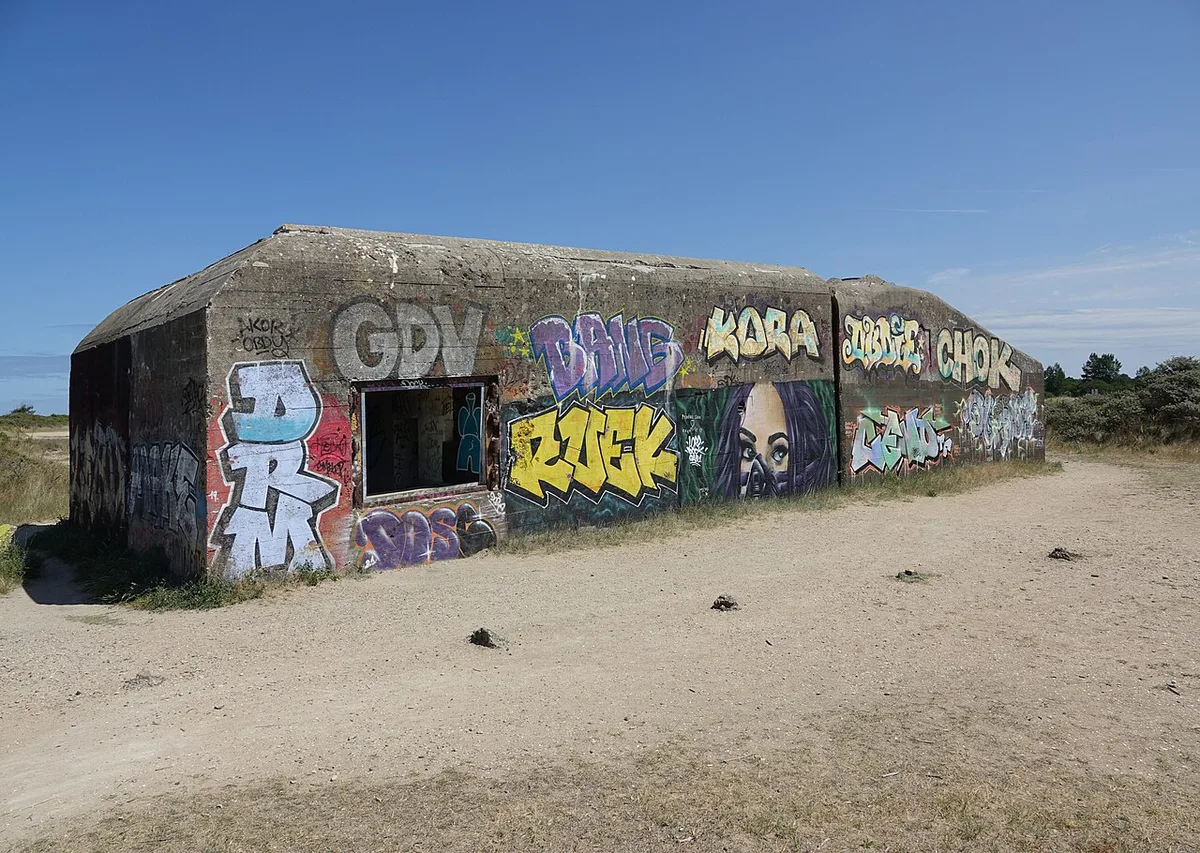
Featured image: Richard Matthews from London, England, CC BY 2.0, via Wikimedia Commons.
What the Merville Battery was and why it mattered
Merville was a German gun battery on the Normandy coast east of the Orne. Allied planners treated it as a threat to the Sword Beach landings, which is why it was a target on D-Day. Its capture was one task within Operation Tonga, the airborne part of the Normandy landings. Check the museum's own history pages for gun types and garrison details before you quote figures.
The 6 June 1944 assault
The 9th Parachute Battalion attacked the battery on 6 June 1944. Accounts of the operation describe a plan that did not unfold as intended, and the battalion attacked anyway. Airborne drops were scattered that night, which is the usual reason such plans broke down. Read the museum's account for the sequence, numbers and outcome. Those details are disputed in places, so rely on archival sources rather than a single retelling.
What you can see at the Merville Battery museum today
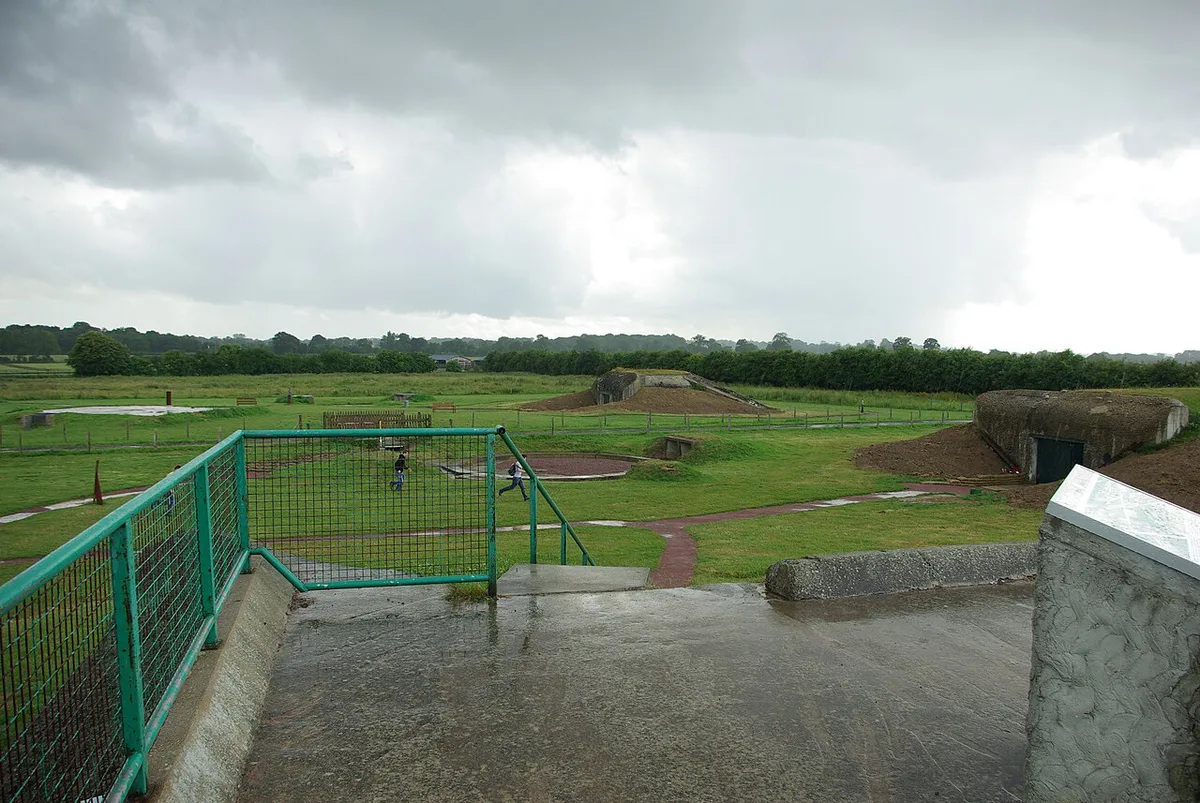
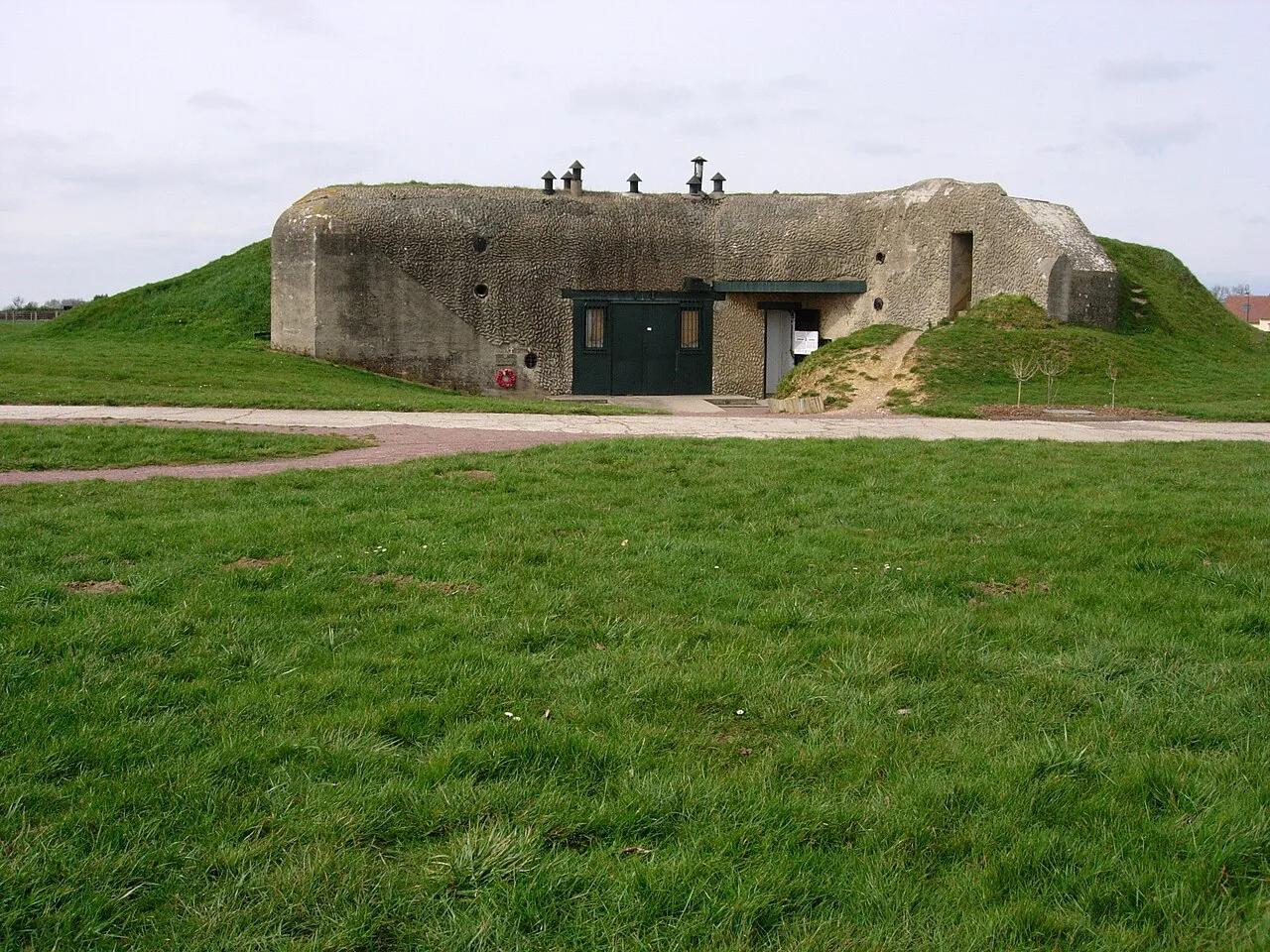
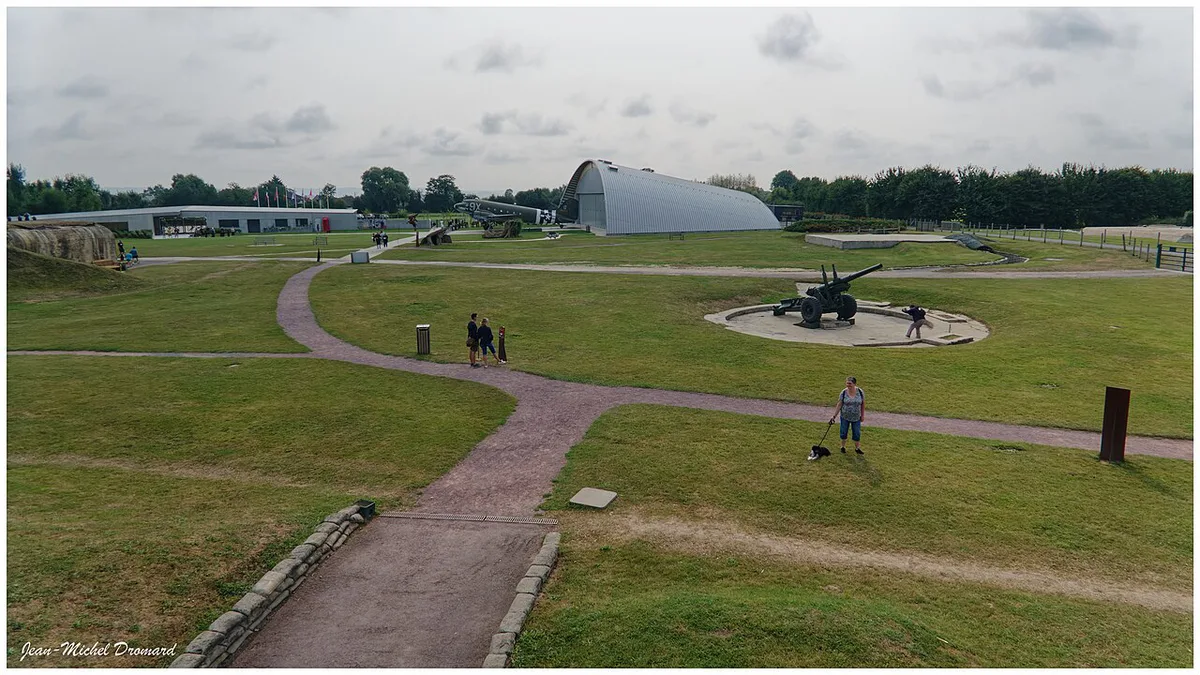
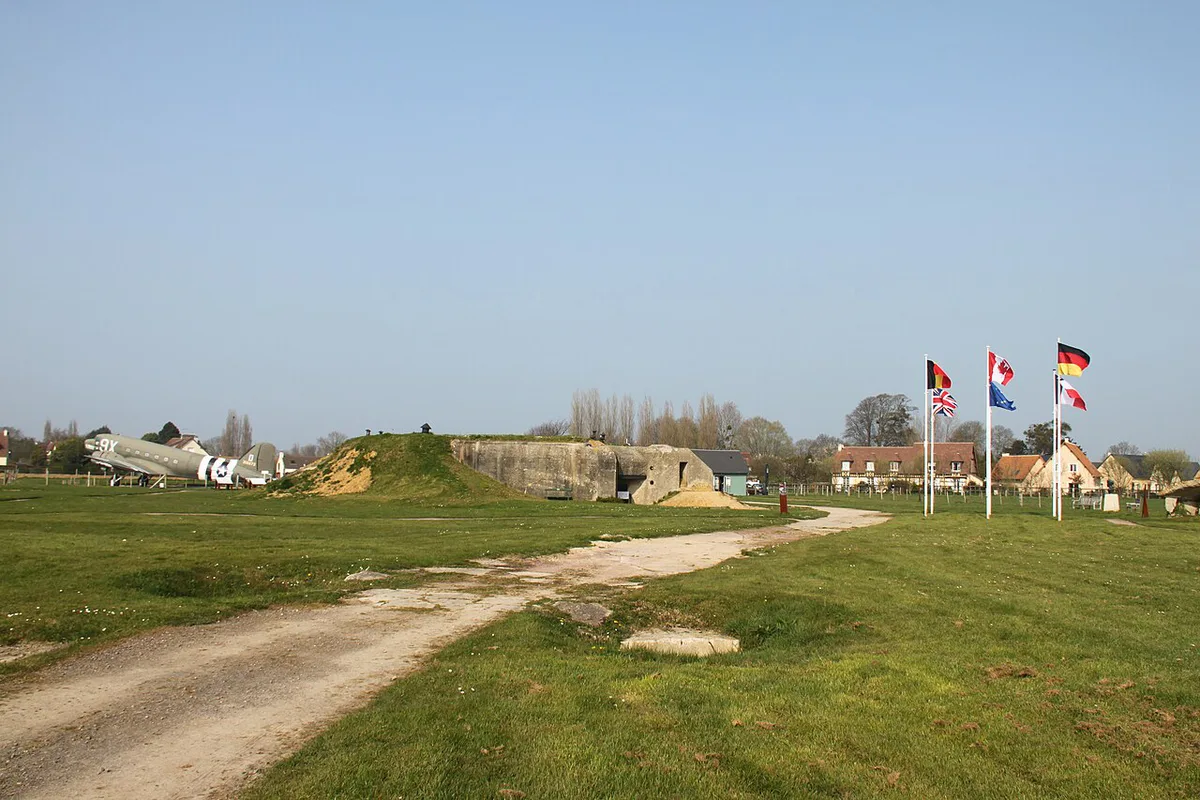
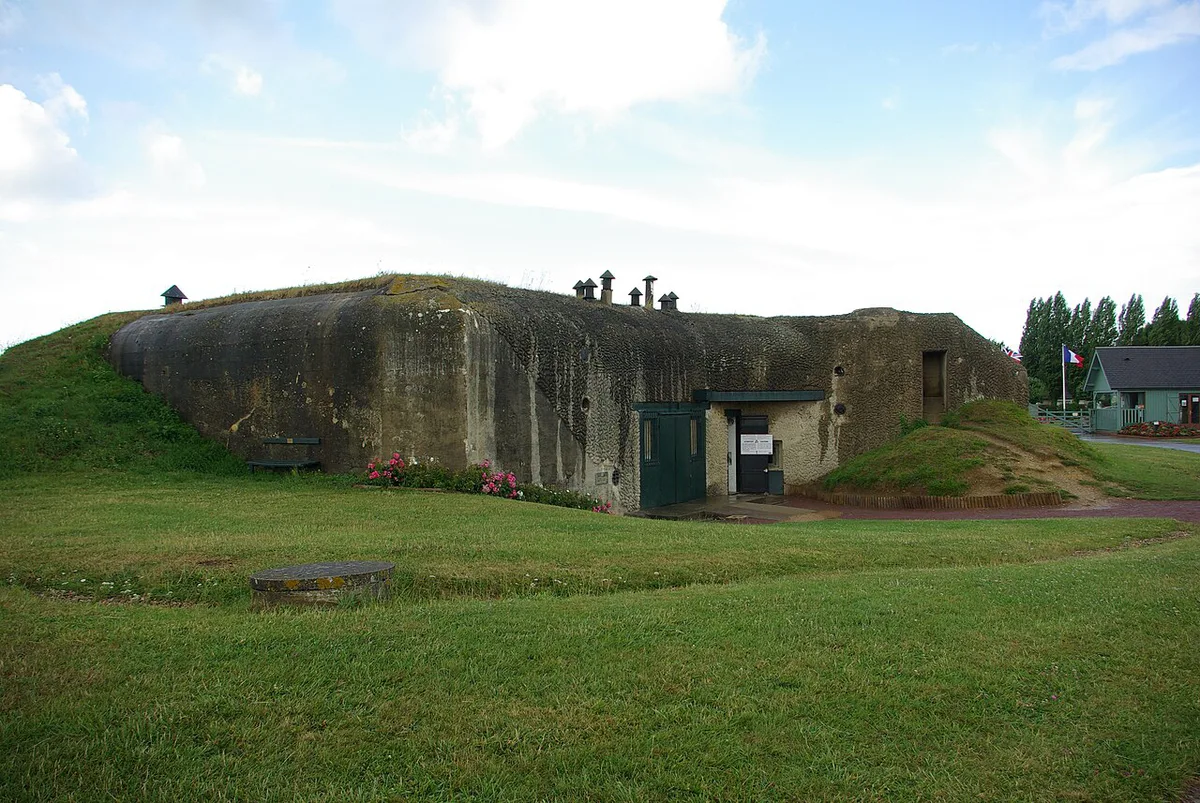
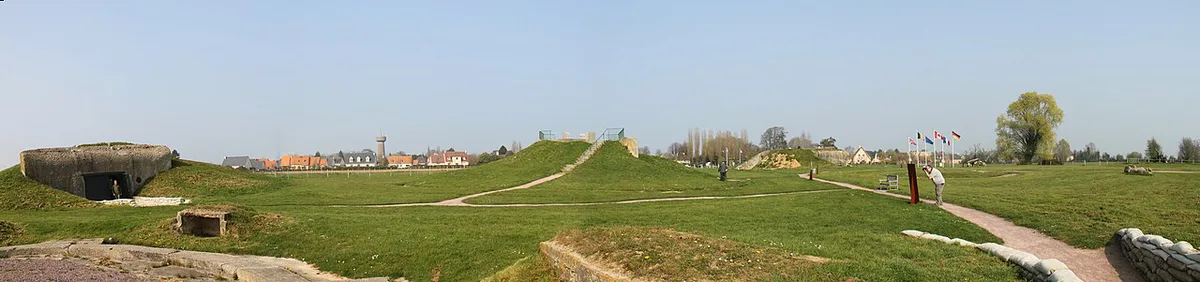
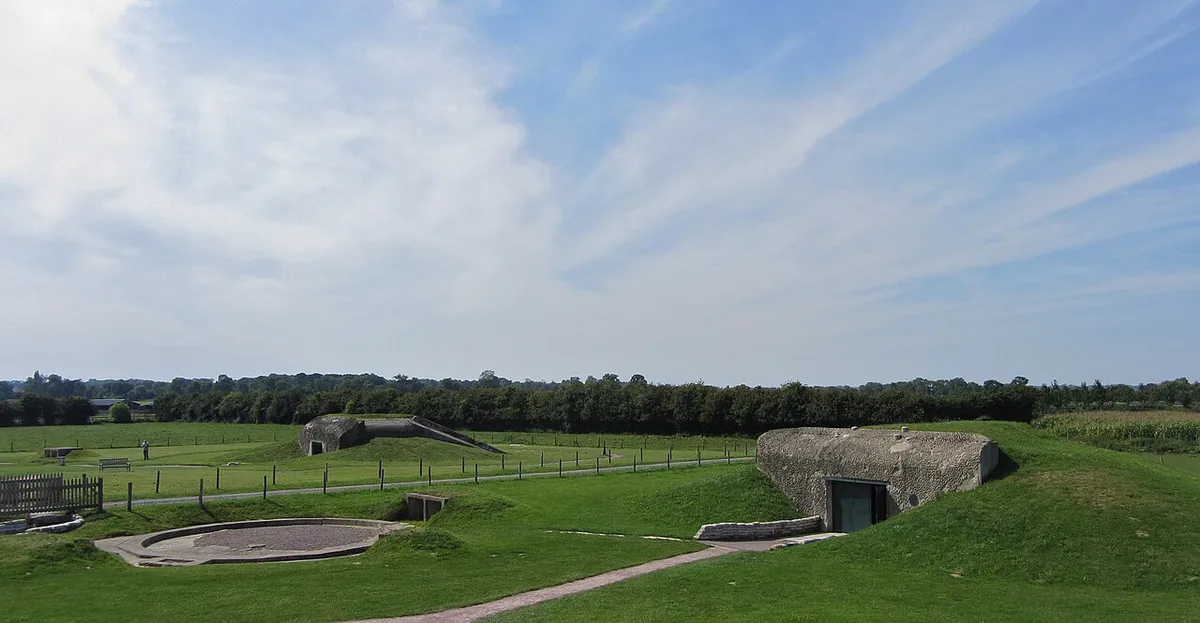
The site is preserved as a museum, and the casemates are the heart of it. Pegasus Archive photographs show the front of No. 3 Casemate as it stands today. Exhibits, restored casemates and any guided or audio options are listed on the official Merville Battery site. Check there for opening months, ticket prices and access, since these change by season. Allow for uneven ground and outdoor walking between structures.
No. 3 Casemate's front is the visual reference, but which casemates are open shifts by day, so confirm before you travel.
Getting to the Merville Battery and how long to allow
The battery stands on the edge of Merville-Franceville-Plage, on the Calvados coast east of the Orne estuary. Public transport out here is thin, so a car is the practical way to reach it. Without one, a taxi from Ouistreham or Caen is the realistic fallback. Check taxi availability for the return trip before you commit, because pick-ups from a small coastal village can be slow.
- From Caen: expect roughly 30 to 40 minutes by road, depending on traffic through the Orne crossings.
- From Pegasus Bridge or Ouistreham: a short drive of around 15 to 20 minutes, which is why the three sites combine so easily.
- On site: allow about 1.5 to 2 hours if you read the exhibits and walk between the casemates and the outdoor areas. Military-history readers who want the full account often stay longer.
A sensible order is to visit Merville first, while the site is open and quieter, then drive on to the Mémorial Pegasus for the afternoon. Reverse that order and you risk reaching Merville close to closing time, especially outside the summer season. Confirm current hours, seasonal closures and ticket prices on the official Merville Battery site before you leave, since they change through the year.
Bring sturdy shoes, because paths between the structures are uneven and mostly outdoors, and a rain layer, since the coast is exposed. If you want to compare how a different German battery is presented, the Maisy Battery: Hours, Tickets & Visit Guide in the American sector shows trench lines rather than casemates, though it is a separate trip further west.
Combining it with other east-of-the-Orne sites
A half-day east of the Orne works well with the Operation Tonga story. Start with the Mémorial Pegasus for the bridge, add Merville for the battery assault, then finish near Ouistreham. There, the Grand Bunker in Ouistreham shows a German command post. The Hillman Bunker strongpoint is another Sword-sector defence. Check each site's hours first, because seasonal closing times can break a same-day plan.
| Site | What it shows | Type of visit |
|---|---|---|
| Merville Battery | German gun position assaulted by the 9th Parachute Battalion | Casemates and museum |
| Pegasus Bridge | Airborne capture of the Orne crossings | Bridge and memorial |
| Hillman Bunker | German strongpoint in the Sword sector | Fortified position |
| Grand Bunker, Ouistreham | German command post | Bunker museum |
Is it worth it, and who can skip it
Military-history readers and airborne-story fans should prioritise it. If you want a battery with guns in place, the Longues-sur-Mer gun battery is the better comparison, although it lies in a different sector. Visitors on a one-day Normandy sprint can skip Merville in favour of beach sites. Merville is not on the Juno coast. For that sector, start with the Juno Beach overview, then continue west to British D-Day sites overview.
Follow the Assault Story Around the Site
Begin with the casemates rather than treating the museum as a general Normandy stop. The preserved structures make the story of 6 June 1944 easier to follow: British paratroopers of the 9th Parachute Battalion had to attack a fortified coastal position after their airborne plan went badly off course.
Look for No. 3 Casemate, whose surviving front is documented in Pegasus Archive photographs. It offers a useful visual reference for the concrete defences that remain on the ground. Move between the structures slowly, as the experience depends on outdoor walking and uneven surfaces.
Before travelling, check the museum’s current visitor information for which casemates are open that day. Seasonal opening arrangements, exhibits and any guided or audio options can change. Pair the visit with Mémorial Pegasus to connect the 9th Battalion’s assault with the wider Operation Tonga story east of the Orne.
Keep planning
Guides on the same trip






