
Hillman Bunker (WN17) Colleville-Montgomery: D-Day Visit Guide
What the Hillman bunker was, how the Suffolk Regiment took it on D-Day, and how to plan a visit from Ouistreham, Caen and Pegasus Bridge.
In this guide
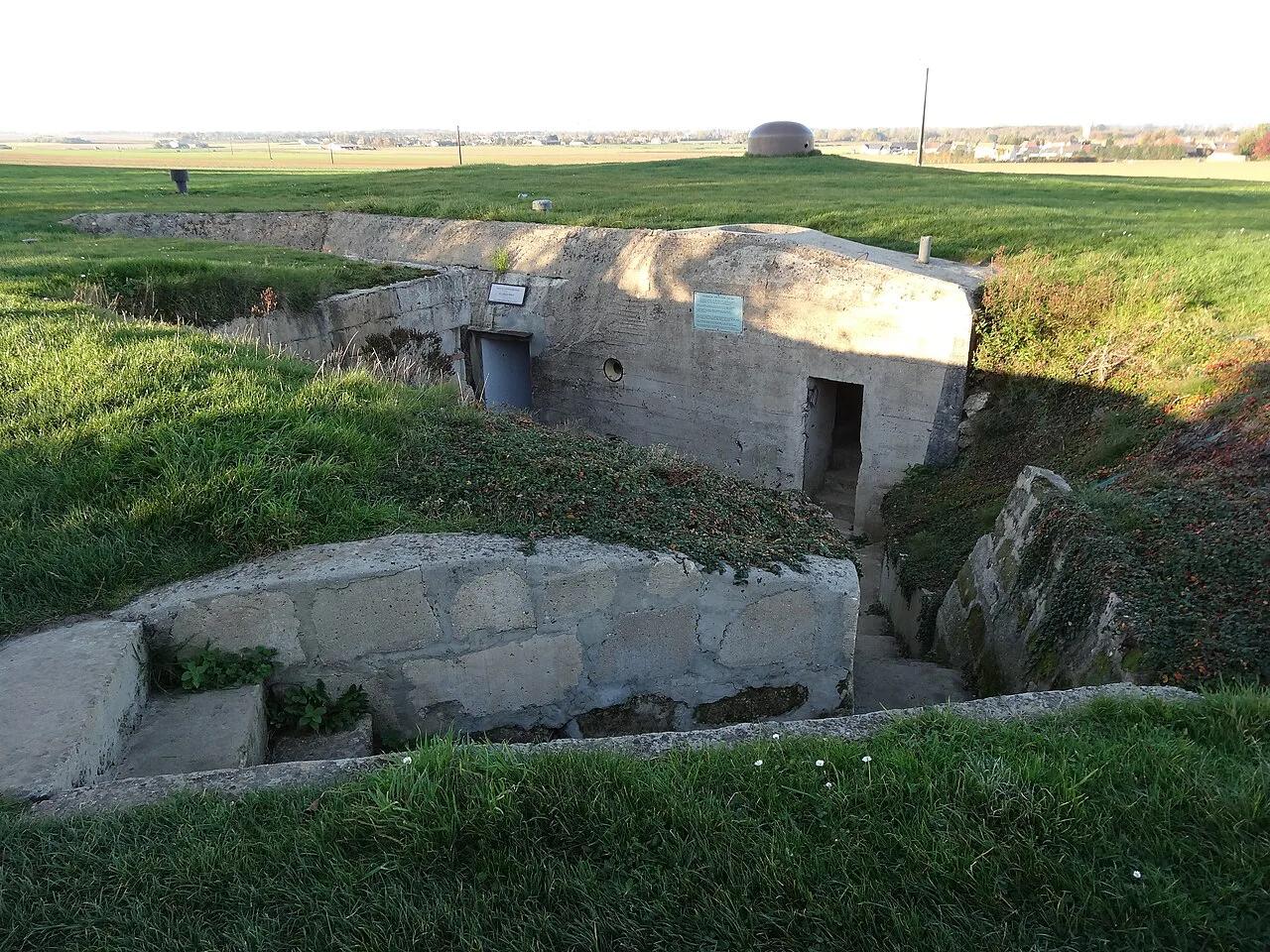
Last updated November 2026: the Hillman bunker is the preserved German strongpoint WN17 at Colleville-Montgomery, inland of Ouistreham in the Sword Beach sector. British troops of the 3rd Division took it on D-Day after a hard fight, and its trenches and concrete command bunkers can still be seen. This guide explains what the site is, what happened here, and how to fit a visit into a day on the Sword coast.
Featured image: Pimprenel, CC BY-SA 4.0, via Wikimedia Commons.
What the Hillman bunker is
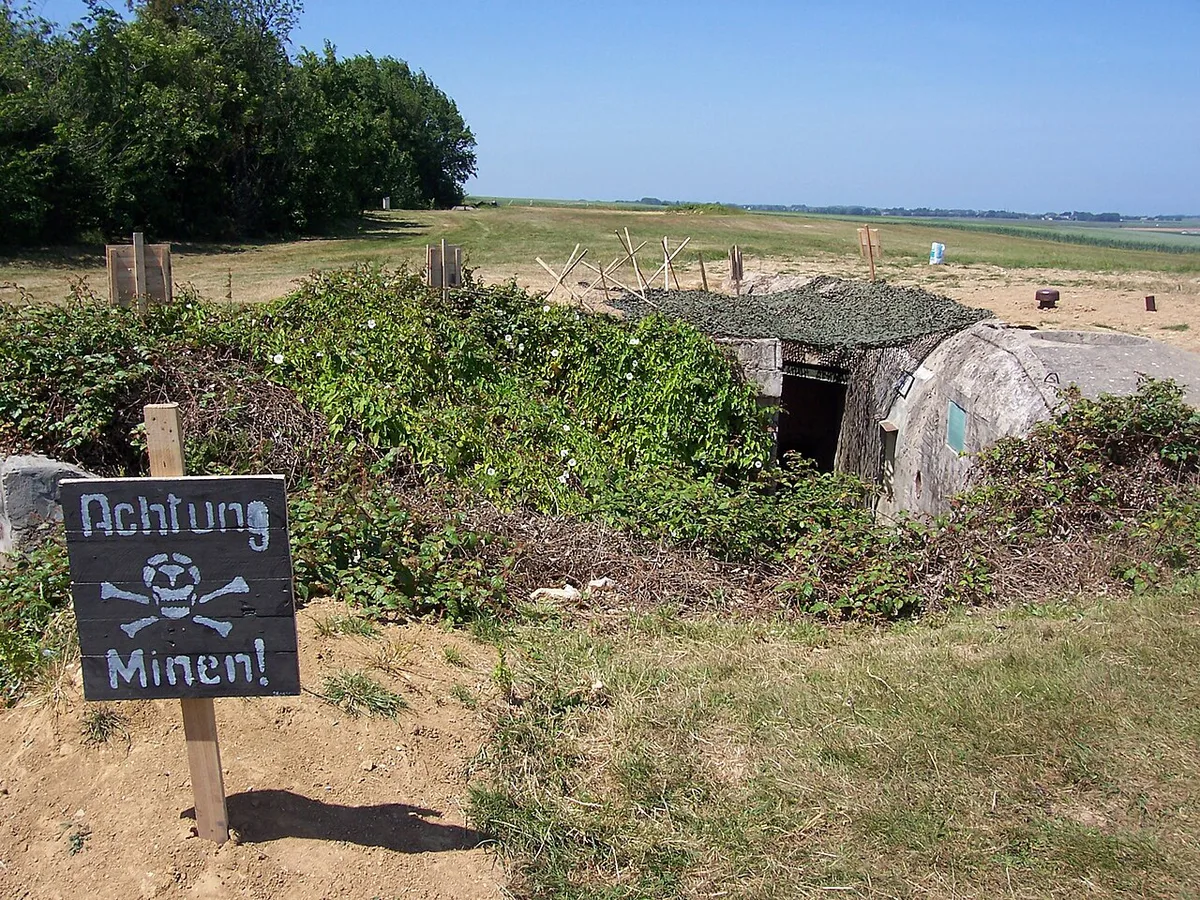
Hillman was the Allied codename for a German strongpoint, officially Widerstandsnest 17 and usually shortened to WN17. Guides also call it the Hillman strongpoint or the Hillman fortress. All of those names mean the same place. Our guide uses "Hillman bunker" because that is the phrase most visitors search for.
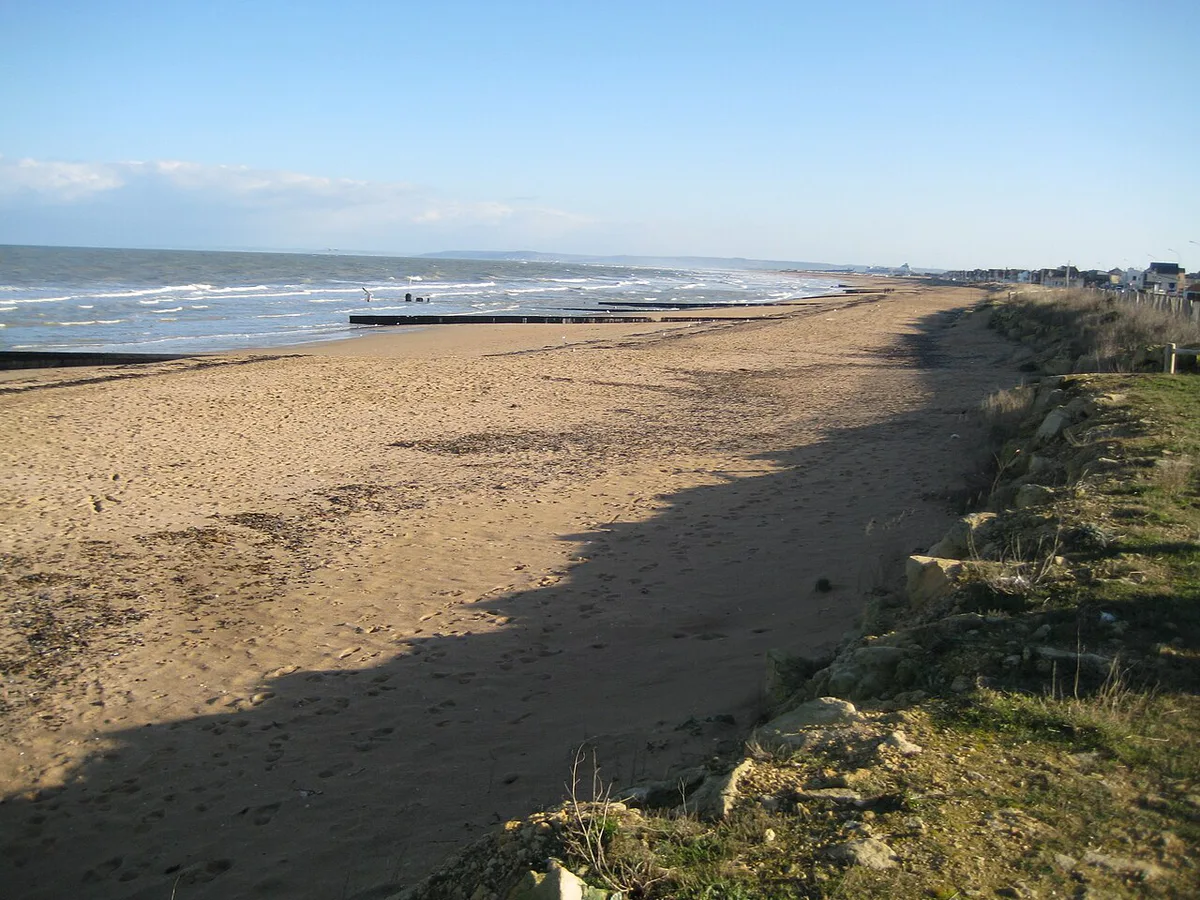
It lies in the southern part of Colleville-Montgomery, a village that was formerly called Colleville-sur-Orne. Ouistreham is to the north and Caen is to the south. Hillman sat inland of the Sword landing beaches, on the road between the coast and the city that Allied planners wanted to reach on D-Day.
Inside the complex, German forces ran a regimental headquarters. It belonged to the 736th Grenadier Regiment, so Hillman was a command post as well as a defensive position. Trenches and underground passages linked its concrete buildings. Neighbouring strongpoints carried car-brand codenames too, including Morris, Daimler and Rover.
A local association is reported to look after the preserved site today. Check the operator's current details before you plan around it.
Why Hillman mattered on D-Day
Sword was the easternmost landing beach, and the 3rd British Division had to push inland quickly. Its main objective was Caen. Hillman stood between the beach and that objective, which is why its capture mattered far beyond the strongpoint itself.
The 1st Battalion of the Suffolk Regiment, part of the 8th Brigade, had a sequence of tasks. It was to clear Colleville, then take Morris, then Hillman, then the batteries on the Périers ridge. Morris fell around 13:00 with naval gunfire directed by a forward observer. That observer was killed in the attack, so no naval fire was available for the assault on Hillman.
Hillman proved much harder than Morris. Its bunkers were linked by trenches and ringed with barbed wire and minefields. Infantry made little headway at first, and tanks were called forward to help.
Accounts differ on exact times. One source places the first attack at about 13:00 on 6 June. Another describes a surrender at 22:00 with 50 prisoners, followed by the rest of the garrison at dawn on 7 June. A third version says the commanding officer surrendered on the morning of 7 June with 150 men. Treat any single clock time as approximate until you have read the regimental sources.
- Early on 6 June: the 3rd Division lands on Sword and moves inland.
- Around 13:00: Morris is taken with naval gunfire support.
- Afternoon: Hillman holds out against the first Suffolk assaults.
- Evening to dawn on 7 June: the garrison surrenders in stages, with sources disagreeing on the details.
Why Caen was not taken on D-Day
Hillman was one of several reasons the advance on Caen stalled. A fast-rising tide narrowed the beach. Congestion then slowed tanks and vehicles leaving the shore. The 21st Panzer Division also moved against the British advance in the afternoon, near Périers ridge.
Morris fell around 13:00 with naval gunfire, and Hillman's guns still covered the open ground afterward while the Caen push stalled.
German machine guns at Hillman still commanded the open ground nearby while the fight continued. Troops moving past it in the afternoon came under that fire. For a wider picture of how British formations fit together across the beaches, see our guide to British D-Day sites.
The fighting for Caen itself lasted weeks, not days. Villers-Bocage and Tilly-sur-Seulles belong to that later Caen and Bocage campaign. They sit further afield and are not part of a Hillman visit.
What you can see at the Hillman bunker
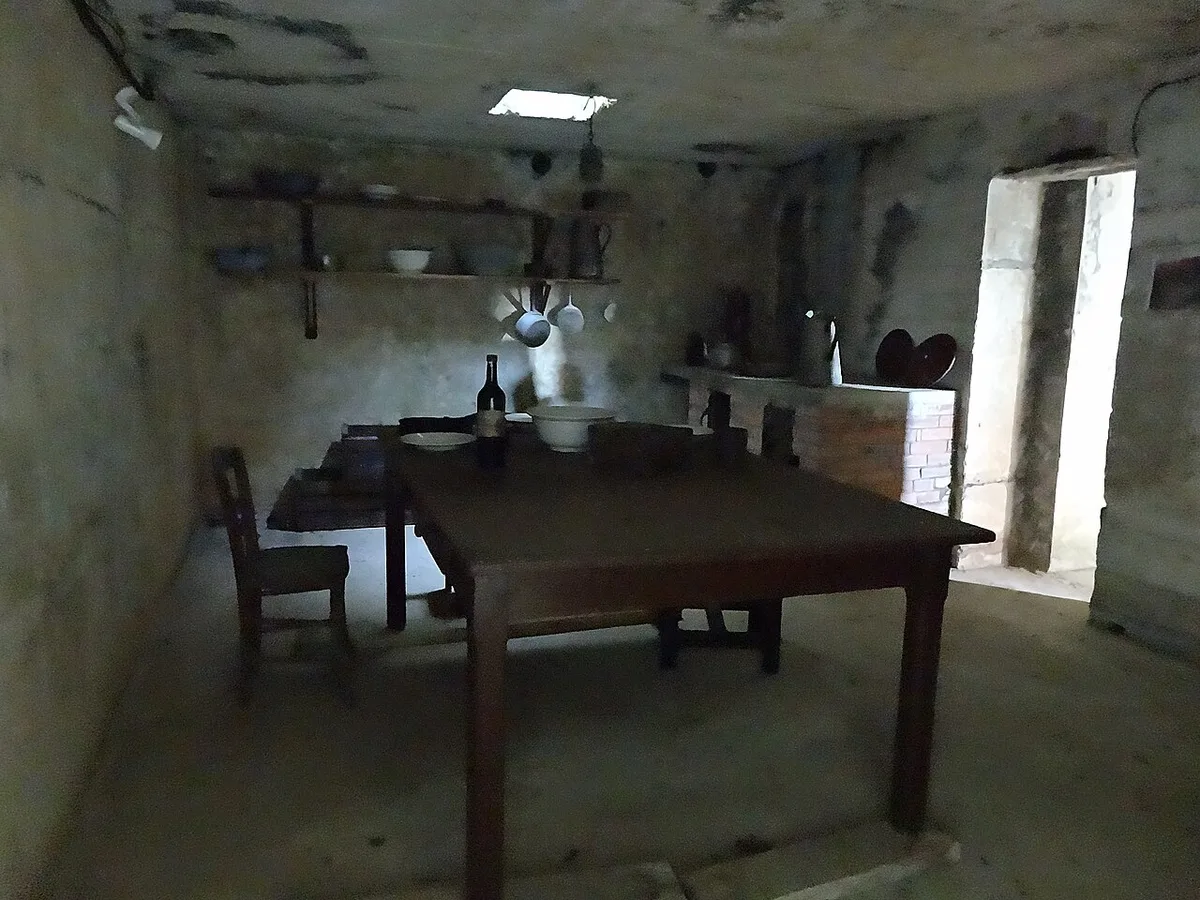
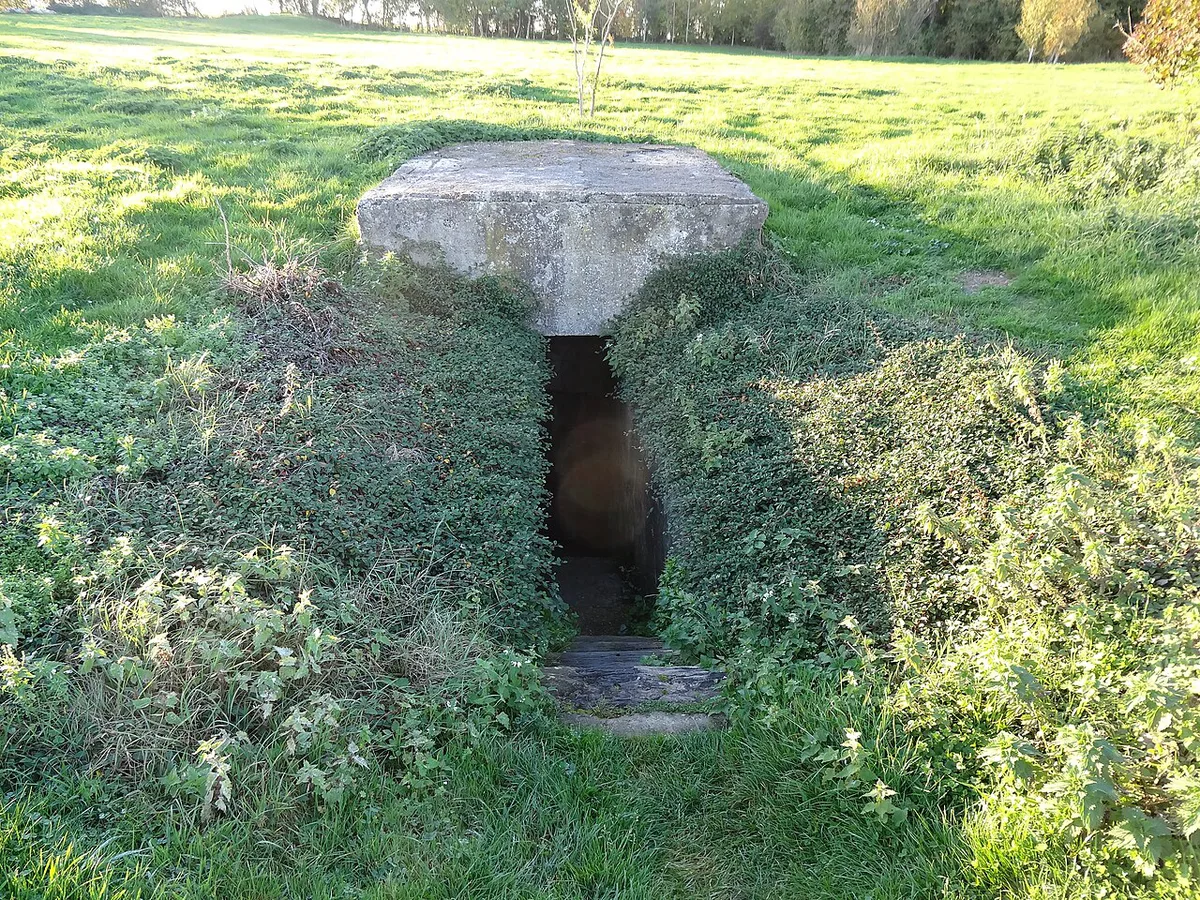
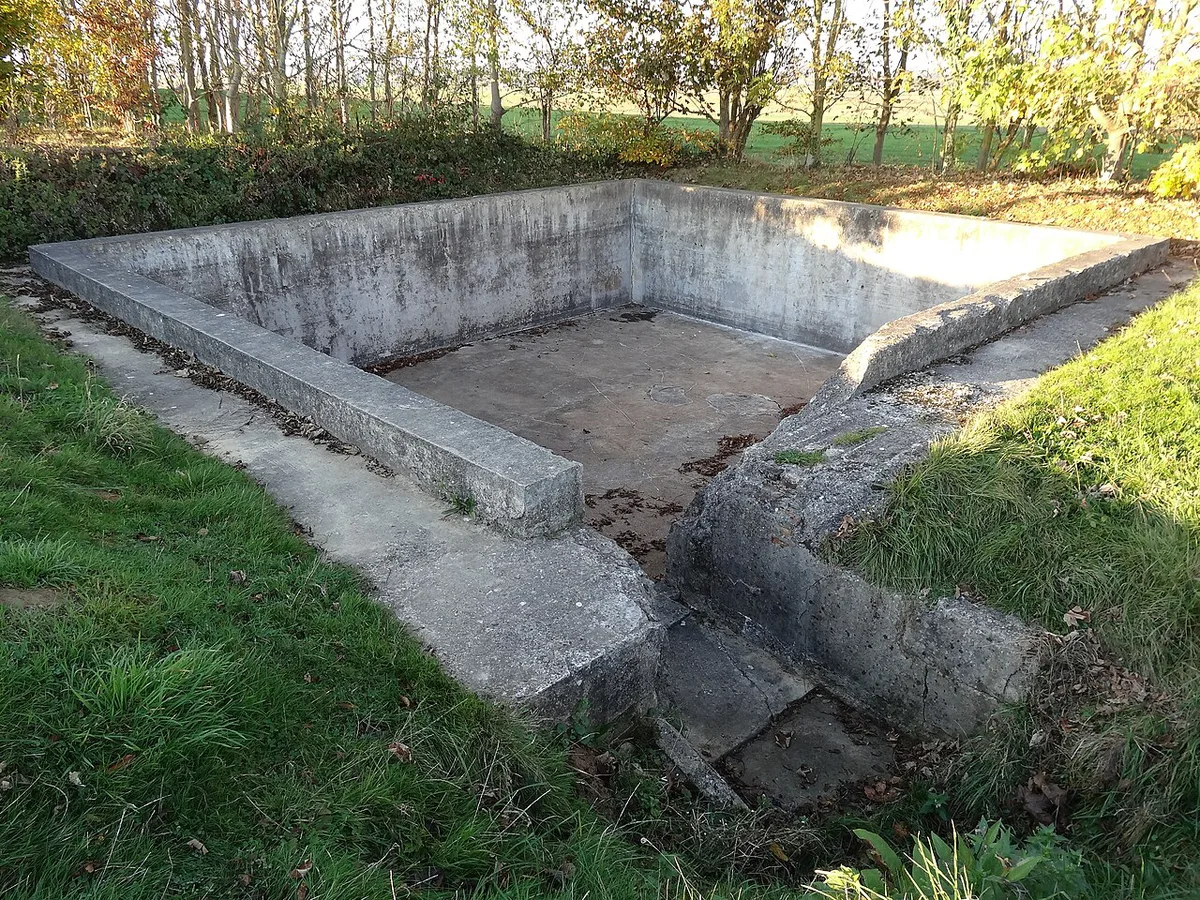
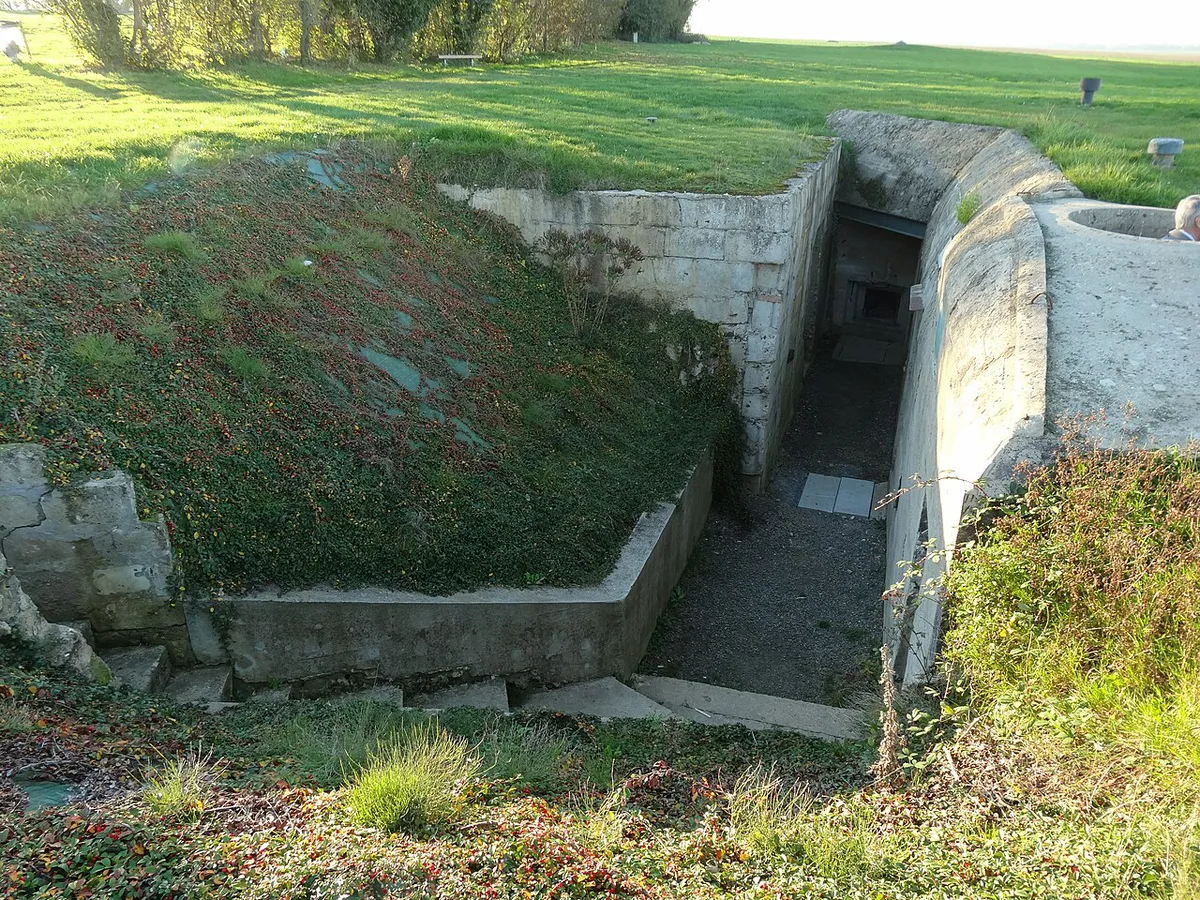
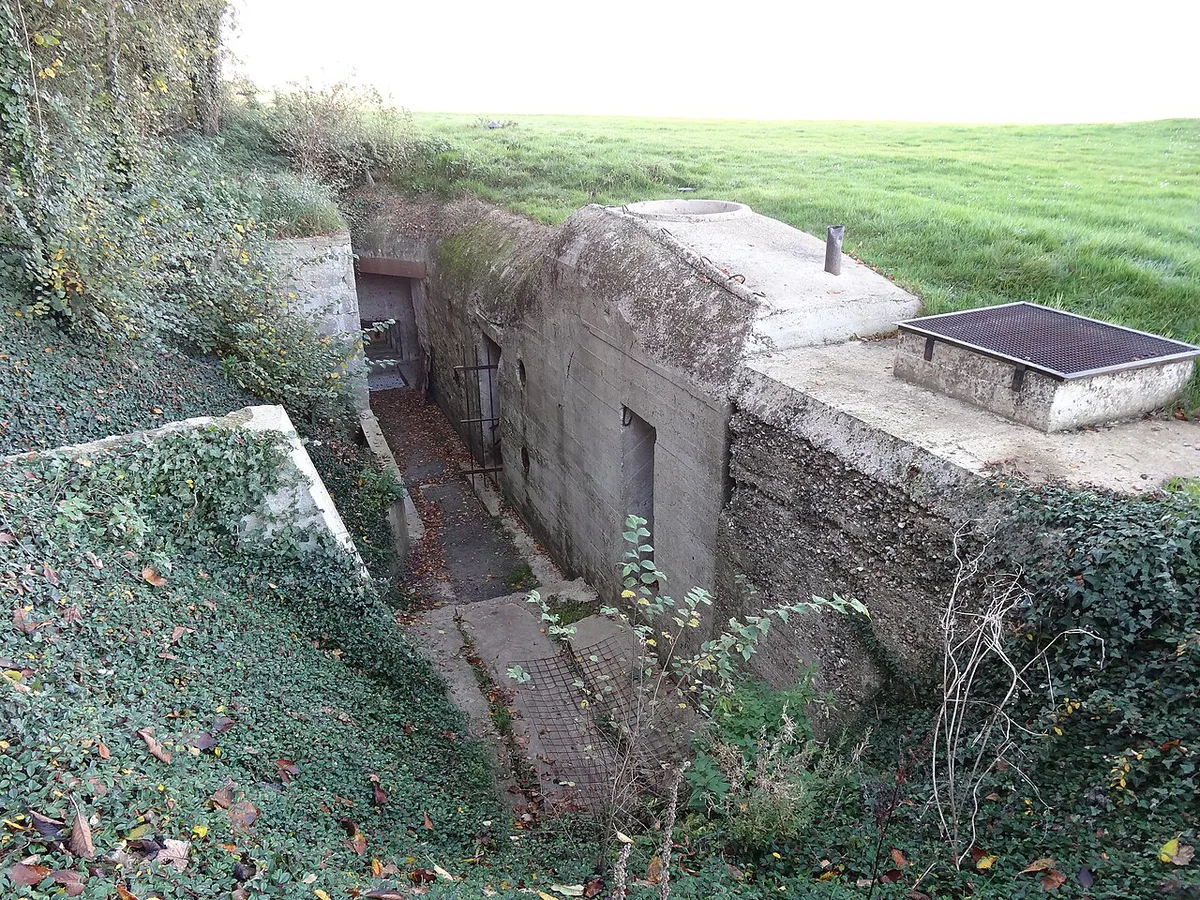
The preserved complex is a network of concrete buildings, trenches and defensive works rather than a single structure. Features reported by earlier visitors are listed below. Which ones are open, and in what order you see them, depends on the operator.
- Trenches and a bridge crossing them.
- Bunker A, topped with a machine-gun cupola, associated with the regimental commander's position.
- Bunker B and a separate garage building.
- Kitchens, a cistern and a well.
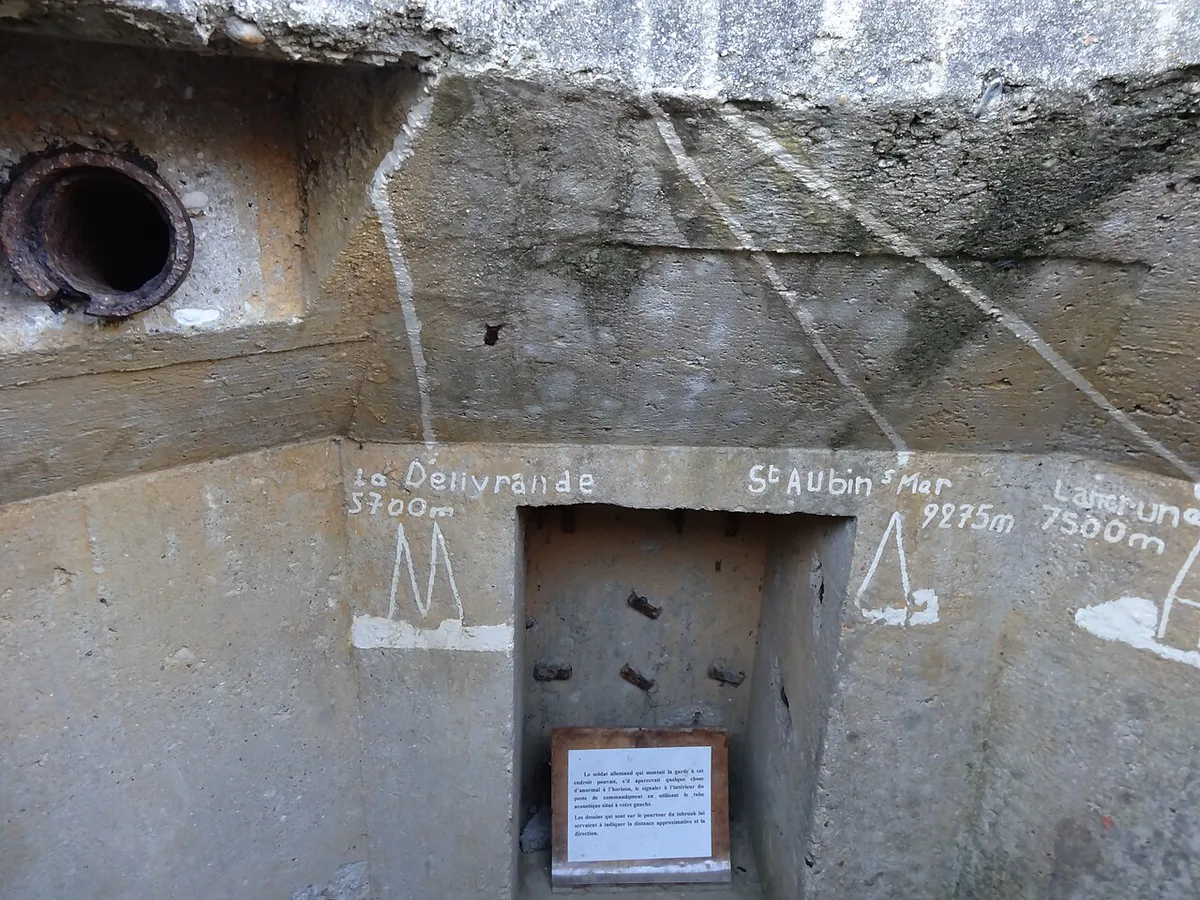
- A tobruk pit with range markings painted for German gunners.
- Peripheral defences, including remnants of barbed wire and minefield zones.
The tobruk range markings
The range markings are among the most useful details on site. German gunners measured and noted the distance to local landmarks over about two years of preparation. The marks show how a defender could fire accurately at attackers crossing open ground. If a guide is available, ask to see them.
It is not yet confirmed whether visits are guided, self-guided, or both. That matters for how much of the site you can enter. Underground passages in particular may be restricted, so ask the operator before you promise anyone a walk through them.
Visiting the Hillman bunker: hours, tickets and access
Opening days, ticket prices, guided-tour format, parking and accessibility for the Hillman bunker have not been confirmed for this page. Check the operator's current information, or the Normandy tourism site, before you travel.
Hillman bunker vs the Grand Bunker in Ouistreham
First-time visitors often have time for only one of these two. They are different kinds of site. Hillman was an inland regimental headquarters strongpoint. The Grand Bunker in Ouistreham was a fire-control and observation tower on the seafront, now a museum.
The Ouistreham tower is about 52 ft high. Its six floors have been restored with rooms such as a generator room, dormitory, armoury, radio room and observation post. The top floor offers a 360-degree view over Sword Beach. It was taken on 9 June after Lieutenant Bob Orrell of the Royal Engineers spent four hours blasting open its armoured door, and two officers and fifty men then surrendered.
Choose the Grand Bunker if you want furnished rooms, exhibits and a beach view. Choose Hillman if you want to walk a ground-level defensive position and understand the Suffolk assault. If you have a half-day, do both, since they are a short drive apart.
How long to allow and a half-day Sword Beach route
Visit length at Hillman has not been confirmed, so ask the operator when you check hours. Build the day around the one site with fixed opening times. Start there, then fill the remaining time with the others.
Pegasus Bridge comes second on the route, where gliders landed within about 47 yards of its eastern end.
A half-day by car works best in this order. Begin with Hillman while the site is open. Move to Ouistreham for the Grand Bunker and the seafront. Then continue to Pegasus Bridge, Ranville and Merville if energy remains. Our comparison of Omaha and Juno beaches helps if you are still choosing which sector to prioritise.
The table compares the main Sword-sector stops. Times and prices are left for you to confirm with each operator.
| Site | What it is | Access | Best fit | Why go |
|---|---|---|---|---|
| Hillman bunker | Preserved inland strongpoint and regimental HQ (WN17) | Operator-managed; check days and format | Readers who want to understand the Suffolk assault | Trenches, bunkers and a tobruk with range markings |
| Grand Bunker, Ouistreham | Restored fire-control tower, now a museum | Seafront, next to the ferry terminal | First-time visitors and families | Furnished rooms and a view over Sword Beach |
| Pegasus Bridge | Bridge captured by glider-borne troops | Bénouville, Calvados | Airborne history readers | Original bridge, nearby museum and café |
| Ranville War Cemetery | Commonwealth war cemetery | Rue des Airbornes, Ranville | Anyone paying respects | Quiet reflection and the graves of airborne troops |
| Merville Battery | Coastal battery attacked by paratroopers | East of the Orne | Military-history readers | Casemate museum and the story of the assault |
Getting there and where to base yourself
Hillman is in Colleville-Montgomery, a short drive from Ouistreham and from Caen. Pegasus Bridge is also close by road. A car makes a multi-stop Sword day much easier.
Public transport and taxi options for reaching Hillman have not been confirmed here. If you do not have a car, check local bus operators and the Normandy tourism office before building the day around them.
Ouistreham suits you if you want to be close to the Grand Bunker, the seafront and the ferry port. Caen offers more restaurants and rail links and works well as a base for the whole sector. Bayeux is further west and suits visitors who also plan to see Arromanches, Longues-sur-Mer and the American sectors. Expect a longer drive back to Sword from there.
Nearby sites to pair with the Hillman bunker
Pegasus Bridge is the most natural second stop. Glider-borne troops of the Oxfordshire and Buckinghamshire Light Infantry captured the bridge over the canal, and three of the gliders landed within about 47 yards of its eastern end. The Pegasus Bridge Visit Guide: History, What to See and Planning area has the original bridge, a café and an airborne museum. The Mémorial Pegasus site has current visitor details.
Ranville War Cemetery is about a mile and a half from the bridge. Lieutenant Den Brotheridge, killed in the bridge assault, is buried in the churchyard at Ranville. Keep voices low, stay on paths and treat the grounds as a place of mourning.
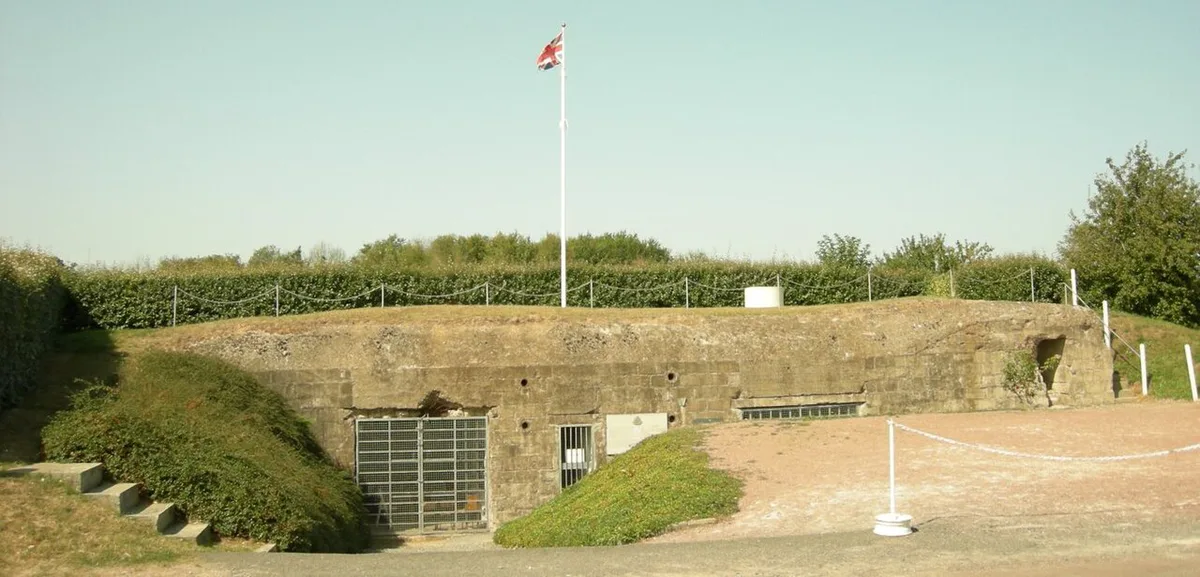
Merville Battery lies east of the Orne. The 9th Battalion, 6th Airborne Division, attacked it under Lieutenant Colonel Terence Otway. Only about 150 of his men could assemble by the time of the attack, and the fight was over in ten minutes. Casemate Number 1 now houses a museum. Check the Merville Battery site for current hours and prices, and read our Merville Battery guide for the history.
If you have another day, the Canadian sector at 5 Things to See at Juno Beach, Normandy is the next stretch of coast to the west. Arromanches and Longues-sur-Mer lie further on, and each has its own visitor guide, including Arromanches and the Longues-sur-Mer battery.
Mistakes to avoid at the Hillman bunker
A few planning errors can cost you the visit. Most come from treating Hillman like a large museum that is always open.
- Turning up without confirming opening days or whether the visit is guided.
- Treating it as a drop-in stop between two other sites with fixed timetables.
- Underestimating the walking, since trenches and grounds may be uneven underfoot.
- Reading one clock time for the surrender as settled fact, when accounts differ.
- Planning a car-free day without checking public transport options first.
- Using Hillman as a stand-in for the Grand Bunker, when the two offer different experiences.
Frequently Asked Questions
Are there still German bunkers on Normandy Beach?
Yes. Many survive along the Normandy coast. In the Sword sector you can see the restored Grand Bunker in Ouistreham, the preserved Hillman complex inland, and the casemate at Merville Battery.
Do WWII bunkers still exist?
Yes, many do. Some are museums, such as the Grand Bunker in Ouistreham. Others are preserved sites, such as Hillman. Always check current access before you visit.
Where were there WW2 bunkers in Normandy?
German forces built them along the coast as part of the Atlantic Wall and inland as strongpoints. Examples include Ouistreham, Colleville-Montgomery and Merville in the Sword sector. Further west, the gun battery at Longues-sur-Mer is another well-known site.
Keep planning
Guides on the same trip






