
Courseulles-sur-Mer Guide: Juno Beach Town & Visit Tips
Plan a visit to Courseulles-sur-Mer: what the Juno Beach town offers, how to fit it into a Normandy D-Day route, and whether to stay here or elsewhere.
In this guide
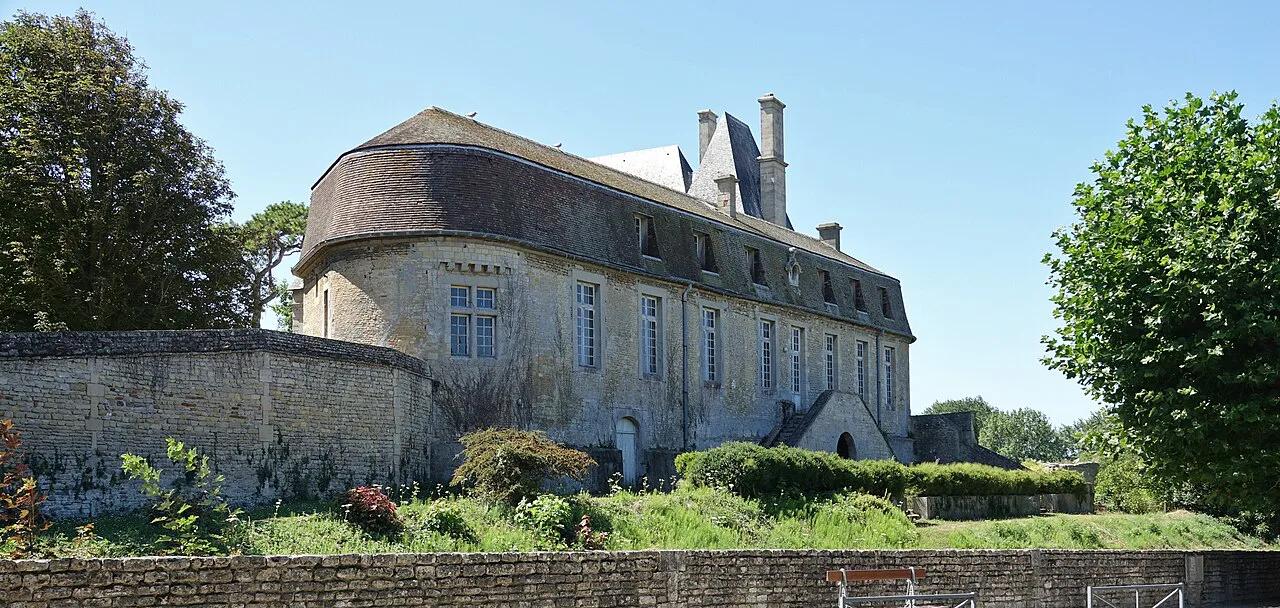
Last updated November 2026: Courseulles-sur-Mer is the town on Juno Beach where Canadian forces landed on June 6, 1944, and where the Juno Beach Centre sits. Give it a half day if the Canadian story is your priority. A shorter stop works if you are linking several Normandy sites in one day.
Featured image: Gzen92, CC BY-SA 4.0, via Wikimedia Commons.
Courseulles-sur-Mer and the Juno Beach connection
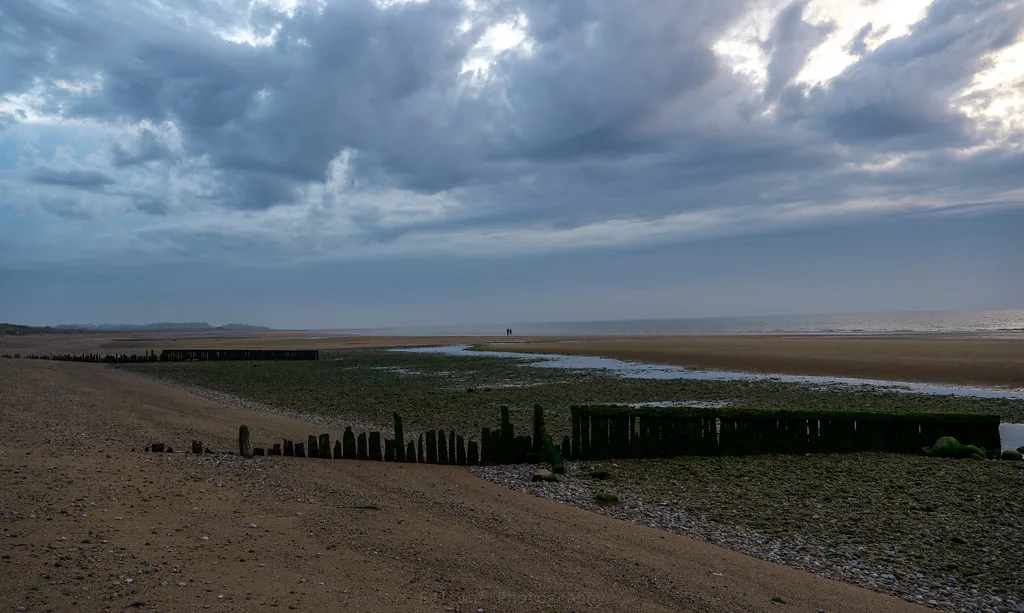
Juno was the Canadian landing sector on D-Day. Courseulles-sur-Mer sits on that stretch of coast, so the town is part of the story rather than a gateway to it. Our Juno Beach guide covers the whole sector. For a side-by-side view of two sectors, read how Omaha and Juno compare.
What happened at Courseulles-sur-Mer on D-Day
The town's role is easier to follow with the order of events in mind. On June 6, 1944, Courseulles-sur-Mer fell inside the Juno sector, where the 3rd Canadian Infantry Division came ashore with armoured support. Roughly 14,000 Canadian troops landed across Juno that day.
- Regina Rifles: landed at the western end of the town's beaches, where German strongpoints and the harbour mouth had to be cleared street by street.
- Canadian Scottish Regiment: landed further west along the same stretch and pushed inland.
- 1st Hussars: the armoured regiment that supported the infantry with tanks.
Fighting in the town itself continued after the first wave. Rough seas delayed the landing and left the beach obstacles and mines more dangerous than planned, which is why the sector was costly in the first hours.
Courseulles also appears in the Free French story. General de Gaulle came ashore here on June 14, 1944, before travelling on to Bayeux, and a monument in town marks the moment.
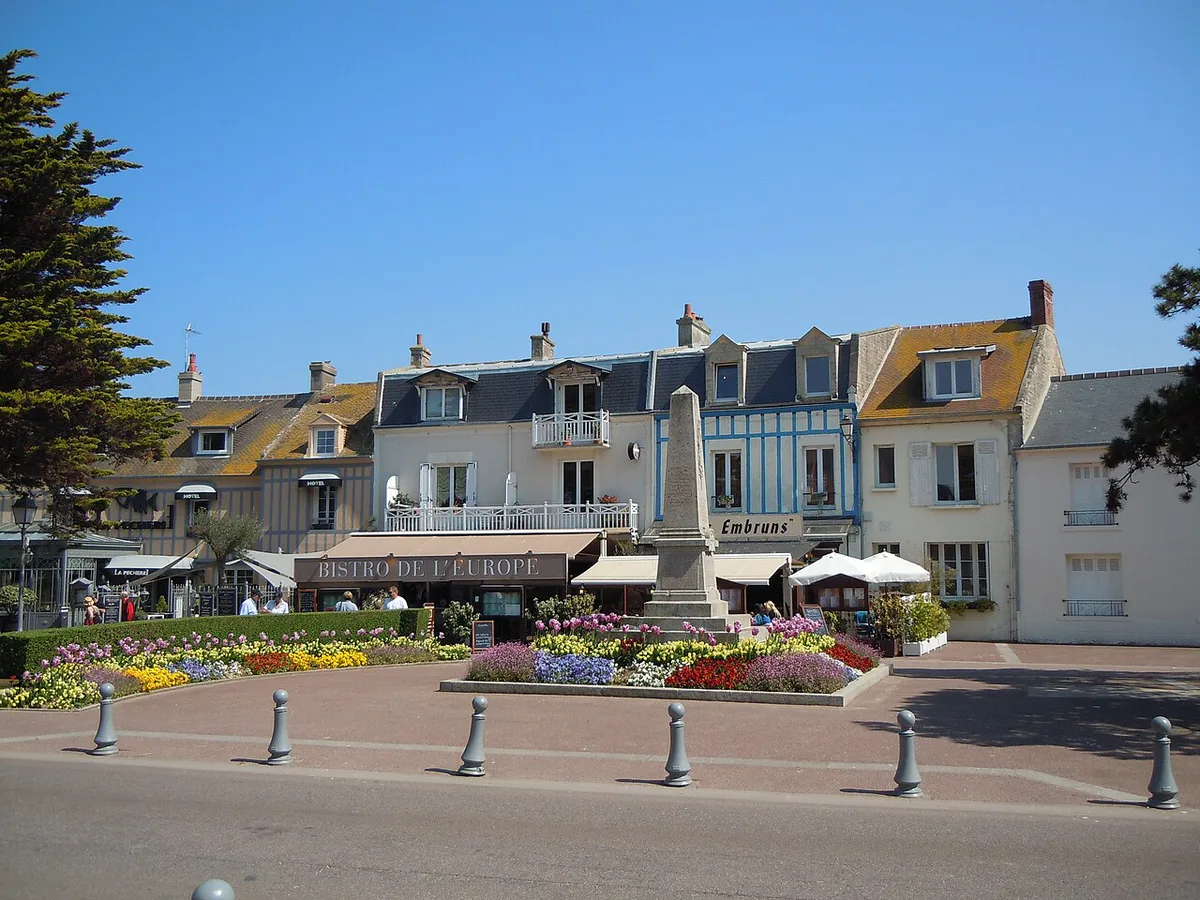
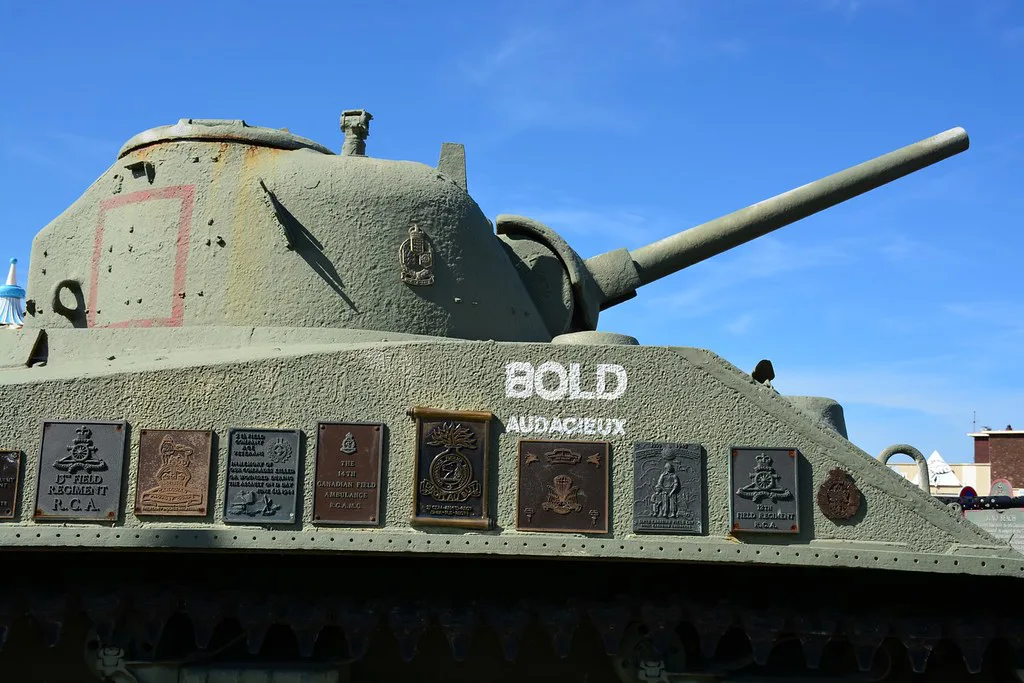
When you walk the seafront, look for the memorials and the preserved tank on display near the beach. They show where the landing sat in the layout of the modern town. Use the museum for the detailed account, and keep the beach walk for the geography.
What to see in Courseulles-sur-Mer
Three things shape a visit here. Each has a clear reason to go and a clear reason to skip it.
- Juno Beach Centre: the main reason to come, with the Juno Beach Centre visitor guide covering Canada's part in the landings. Skip it only if you have already seen it and want beach time instead.
- Seafront and beach: this is where the landings happened, so treat it as a place of remembrance as well as a seaside walk. Skip it in poor weather, when the shoreline offers little shelter.
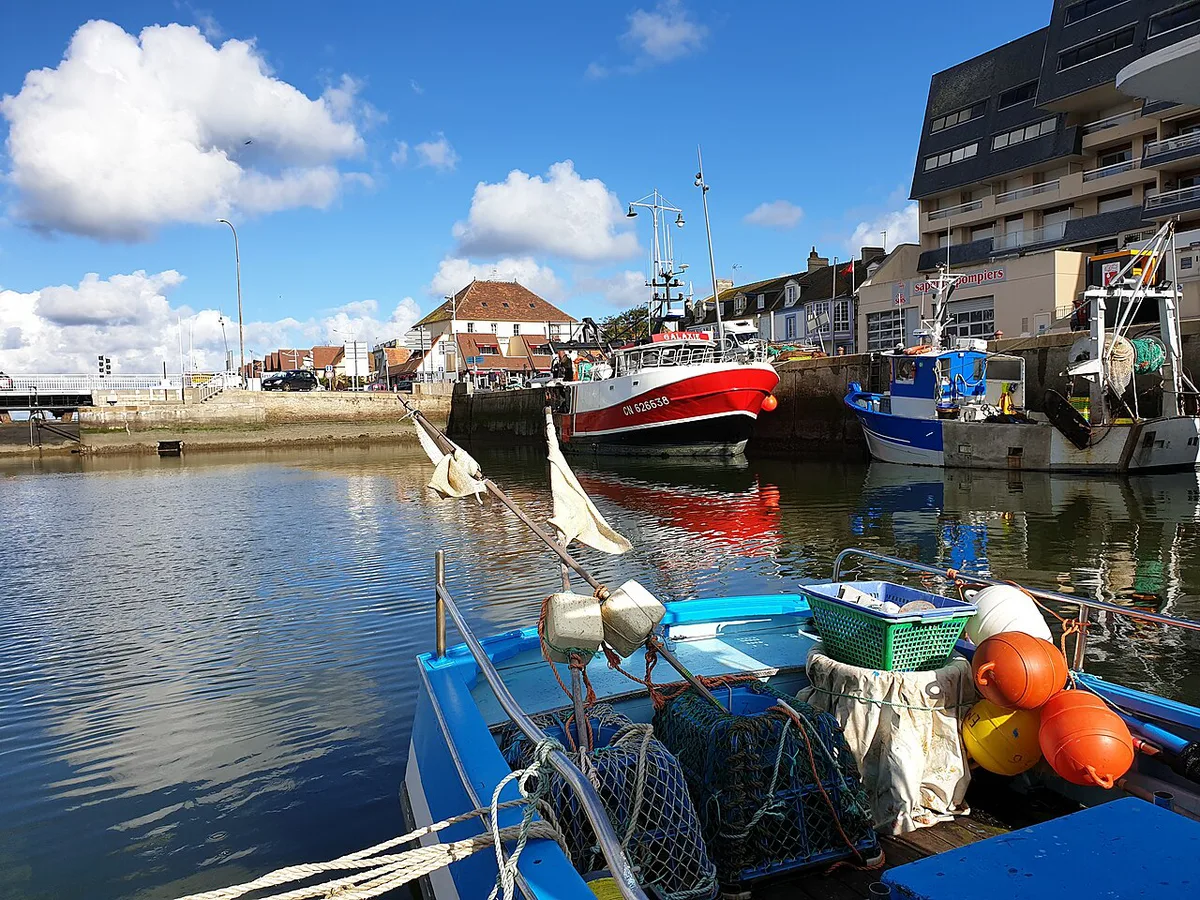
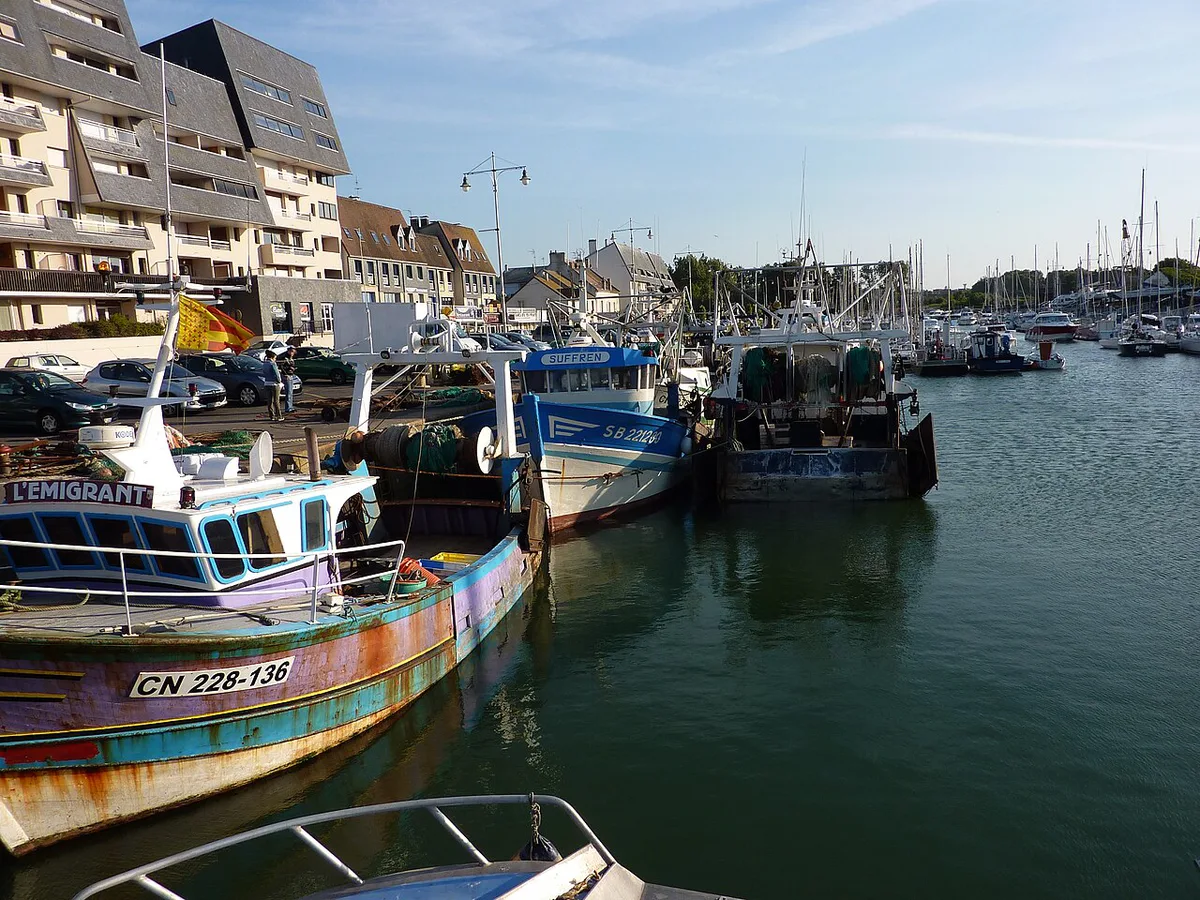
- Harbour and seafood: the harbour area suits a meal after the museum. Skip it if you are on a tight schedule, and ask the local tourist office about market days and restaurants.
Canadian war cemetery near Courseulles-sur-Mer
Many visitors add a cemetery to the Juno Beach Centre visit. The Beny-sur-Mer Reviers Canadian War Cemetery is a short drive inland from Courseulles-sur-Mer and holds more than 2,000 burials, most of them Canadian soldiers killed in the first days of the Normandy campaign.
It is a quiet, well-kept site run by the Commonwealth War Graves Commission, and it gives the museum's story a personal side. Headstones carry the soldier's unit, age and often a family inscription, so a few minutes of reading goes a long way.
- Time: allow 30 to 45 minutes including the drive from the coast.
- Access: there is no practical public transport, so this stop depends on having a car.
- Etiquette: keep voices low, do not walk over the graves, and stay clear of ceremonies.
Fit it between the museum and the seafront, or at the end of the day when the light is softer. If you are also planning the American side of the coast, Colleville-sur-Mer has the American cemetery above Omaha Beach, and visiting both gives a fuller sense of how each nation commemorates its dead.
Opening times for Commonwealth cemeteries are generally daylight hours, but check the CWGC website before you go.
Courseulles-sur-Mer compared with nearby stops
Most visitors combine several sites, so it helps to know what each stop adds. Courseulles-sur-Mer is the Canadian-focused stop. Longues-sur-Mer is a different town, so do not confuse the two when planning a route.
| Stop | Best for | Skip if |
|---|---|---|
| Arromanches | The Mulberry harbour remains and D-Day museums | You only want the Canadian sector |
| Longues-sur-Mer battery | A coastal gun battery you can walk around | You are short on time |
| Pegasus Bridge Visit Guide: History, What to See and Planning and Merville Battery: D-Day History and Visit Planning | Airborne operations on the eastern flank | You want beaches and landing sites |
| Grand Bunker, Ouistreham | A preserved German command bunker | You have already seen a battery |
Getting there, tickets and opening hours
Bus service to coastal sites can be limited, so a car gives the most flexibility from Bayeux or Caen. Check regional transport operators for current timetables. Ticket prices and hours change by season, so use the official Juno Beach Centre site for current details. The Normandy tourism site lists local events and visitor information.
Stay in Courseulles-sur-Mer or elsewhere?
Staying on the coast gives you early and late light on the beach and fewer drives. Bayeux and Caen are larger, with more lodging and dining choice. Pick the coast if the Canadian sector is your focus. Pick a larger base if you plan to cover several sectors over multiple days.
Bayeux or Caen works as a base if you have a car and plan 2 or 3 stops.
Mistakes to avoid when visiting Courseulles-sur-Mer
Tide and weather change how the beach looks and how long you will want to stay. Summer crowds and school groups can fill the museum, so arrive early. Trying to cover every sector in one day is the most common planning error. Choose two or three stops, then use our British D-Day sites route for the next day.
How much time to plan in Courseulles-sur-Mer
Allow a half day when the Canadian landing story is your main reason for visiting. Start with the Juno Beach Centre, then leave time to walk the seafront and harbour rather than treating the town as a museum-only stop. The beach adds useful context to the events of June 6, 1944.
A shorter stop can work within a wider D-Day route, but keep the day realistic. Choose 2 or 3 stops rather than trying to cover every landing sector in one day. Courseulles-sur-Mer works best with another nearby site only when you have a car and accept less time at each place.
Give the town longer if you want a harbour meal, an unhurried beach walk, or time to absorb the Canadian perspective. In poor weather, the seafront offers little shelter, so centre the visit on the museum and adjust the outdoor portion accordingly.
Keep planning
Guides on the same trip






