Maginot Line Museums: Which Forts to Visit
Compare visitable Maginot Line museums and forts in France. Pick by region, underground tour, access and time, with planning tips and mistakes to avoid.
In this guide
Last updated November 2026: the main Maginot Line museums and visitor sites are Hackenberg, Schoenenbourg, Simserhof and Fort Casso in the northeast, plus a separate museum at Sospel in the Alps. There is no single Maginot Line museum, so you choose a site by region. Pick by where you will be based, how much underground walking you want, and whether you have a car.
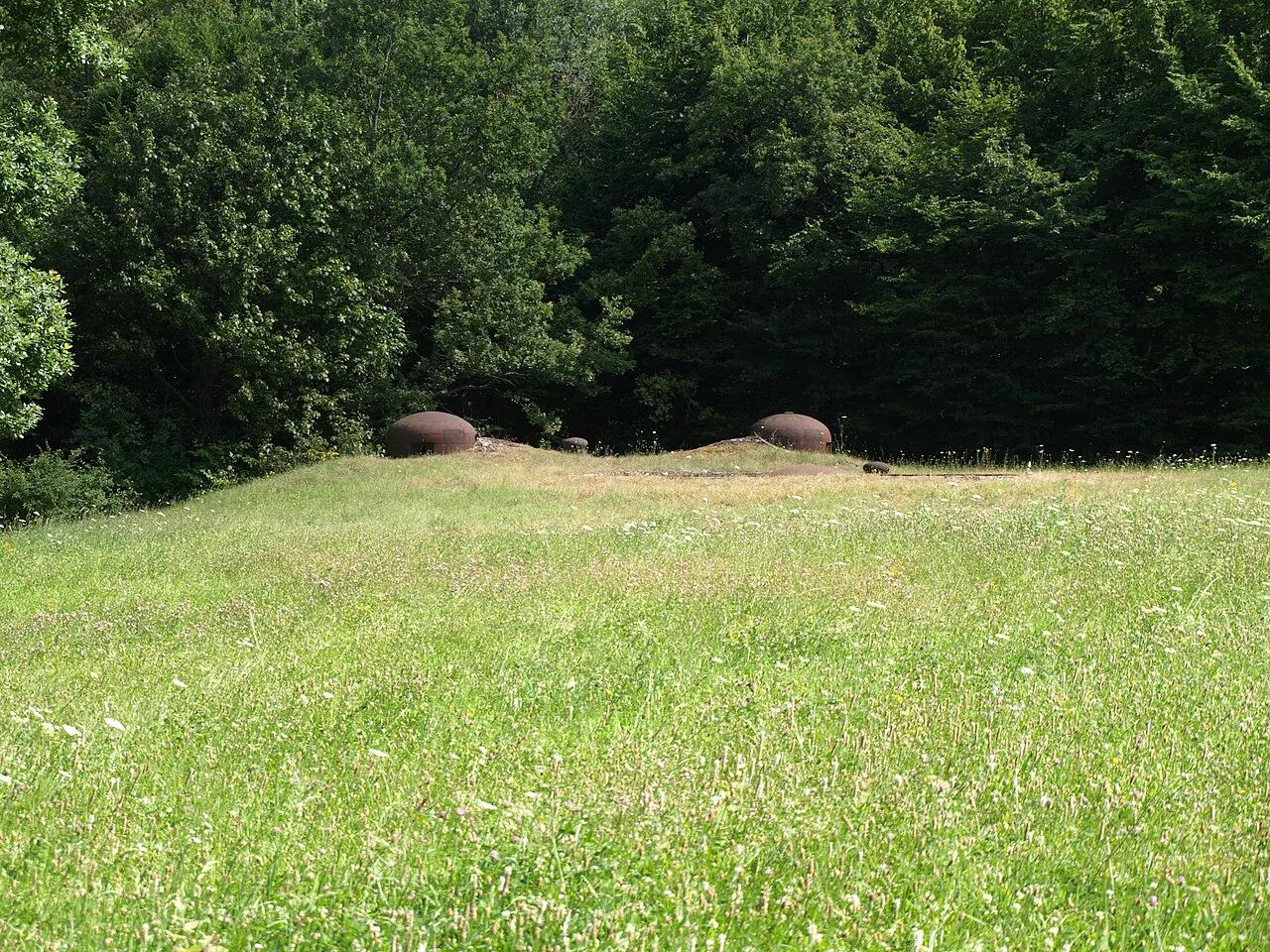
Featured image: Morten Jensen from Randers, Denmark, CC BY 2.0, via Wikimedia Commons.
Quick answer: which Maginot Line museum to visit
Match the site to your situation. Each entry below links to a full guide.
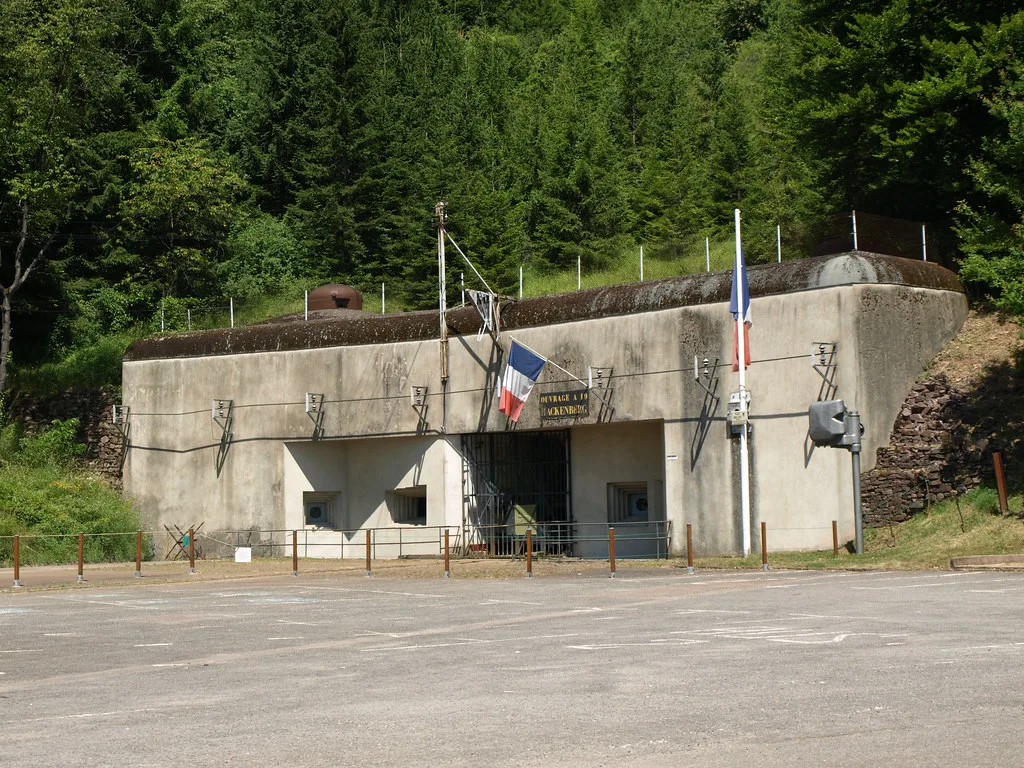
- Want a large artillery fortress underground: start with Ouvrage du Hackenberg.
- Based in Alsace: look at Schoenenbourg ouvrage.
- Want a fortress in Moselle with a full museum experience: try Fort de Simserhof: Maginot Line Visit Guide.
- Want a smaller fort with a different feel: see Fort Casso (Rohrbach-lès-Bitche): Visitor Guide.
- Staying on the Riviera: the Alpine line and the Sospel museum are a separate trip, covered in the Alpine section below.
Northeast sites: Alsace and Moselle
Hackenberg, Schoenenbourg and Simserhof are the three big names in the northeast. Each is a large artillery ouvrage, or gros ouvrage, with underground galleries. Their own sites publish tour formats, languages and dates: see the Hackenberg official site, the Schoenenbourg site and the Simserhof site. Regional context is on Visit Alsace and Moselle tourism.
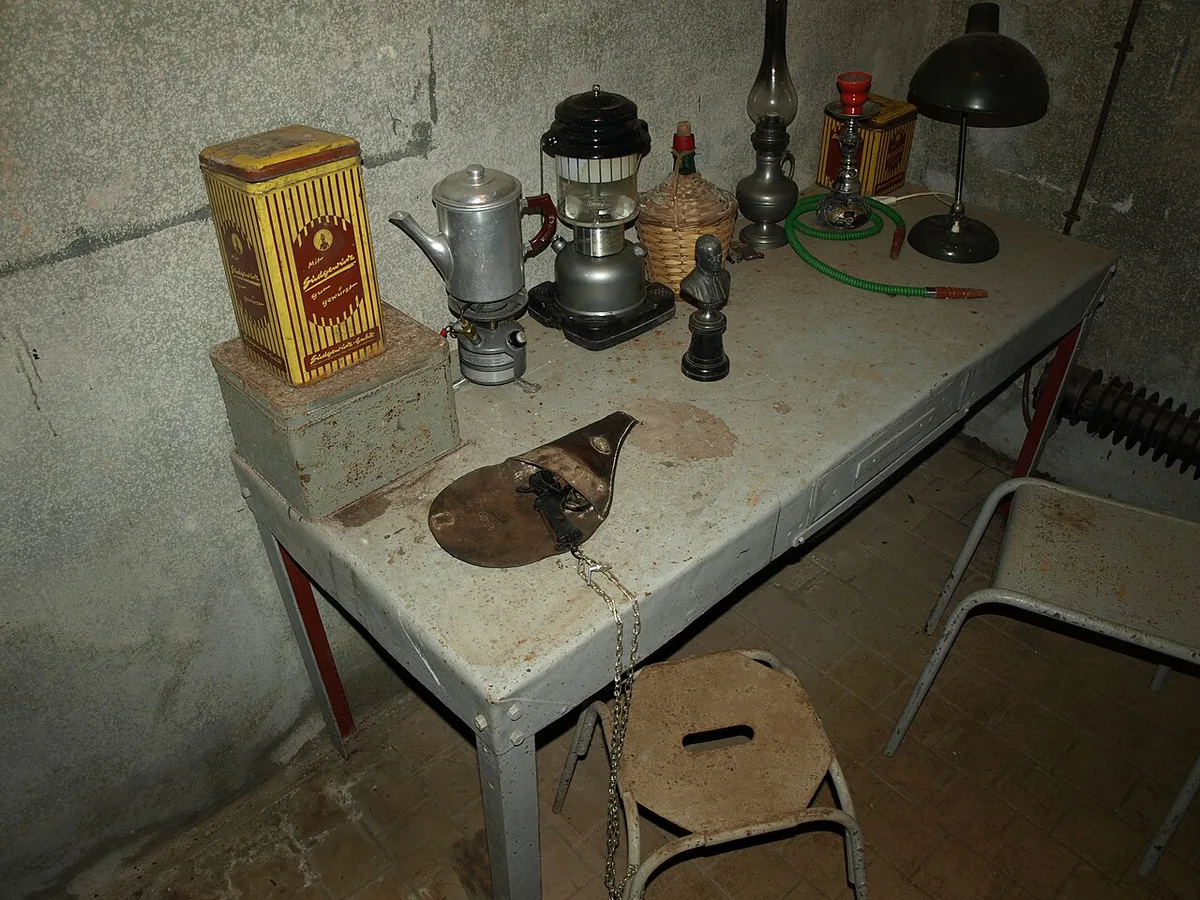
- Hackenberg: the pick for scale, with long galleries to explore underground.
- Schoenenbourg: the natural choice if your base is in Alsace.
- Simserhof: the choice if you want a museum alongside the fortress.
What you see inside a Maginot ouvrage
A gros ouvrage is not one building but a buried complex. Knowing the layout helps you judge how long a visit will take and what you are paying to see.
- Entry blocks: separate entrances for men and for munitions, with heavy doors and the first concrete corridors.
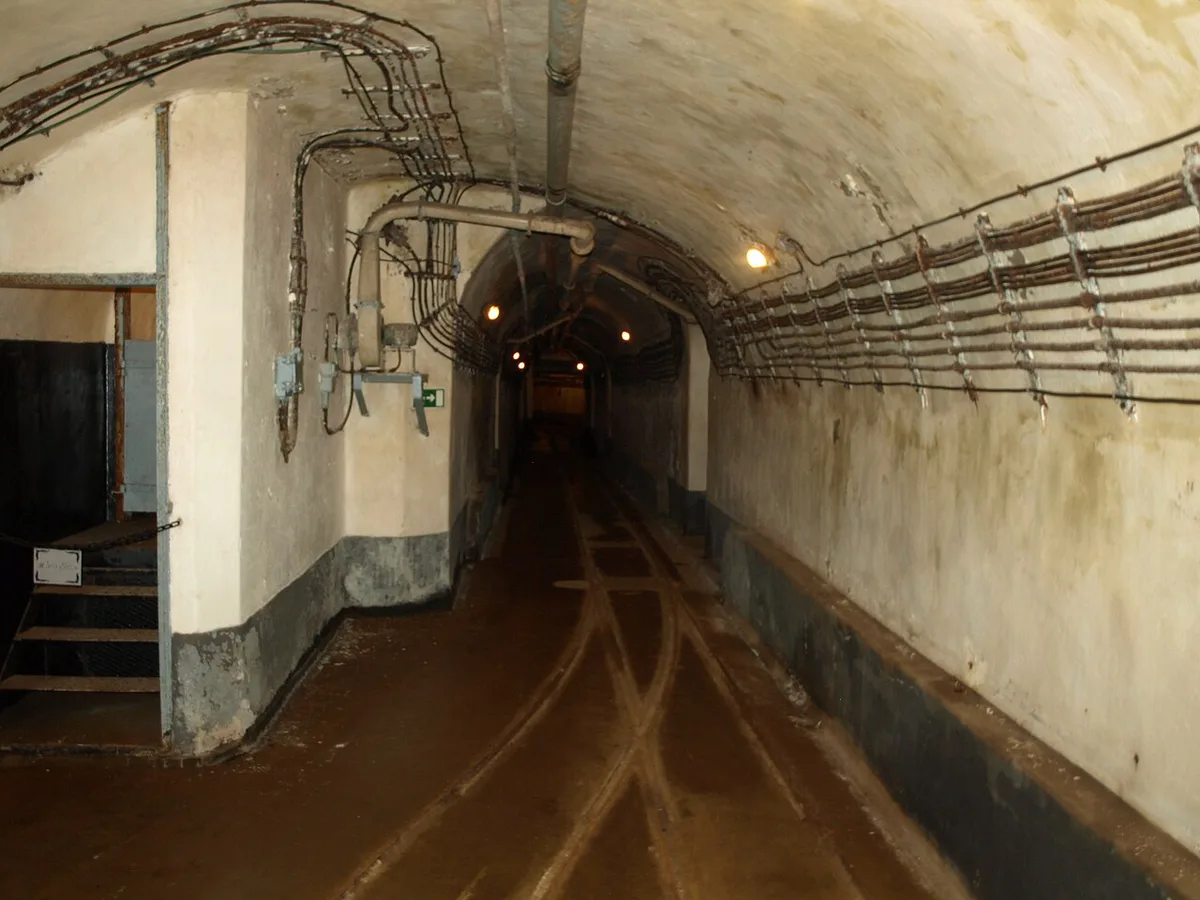
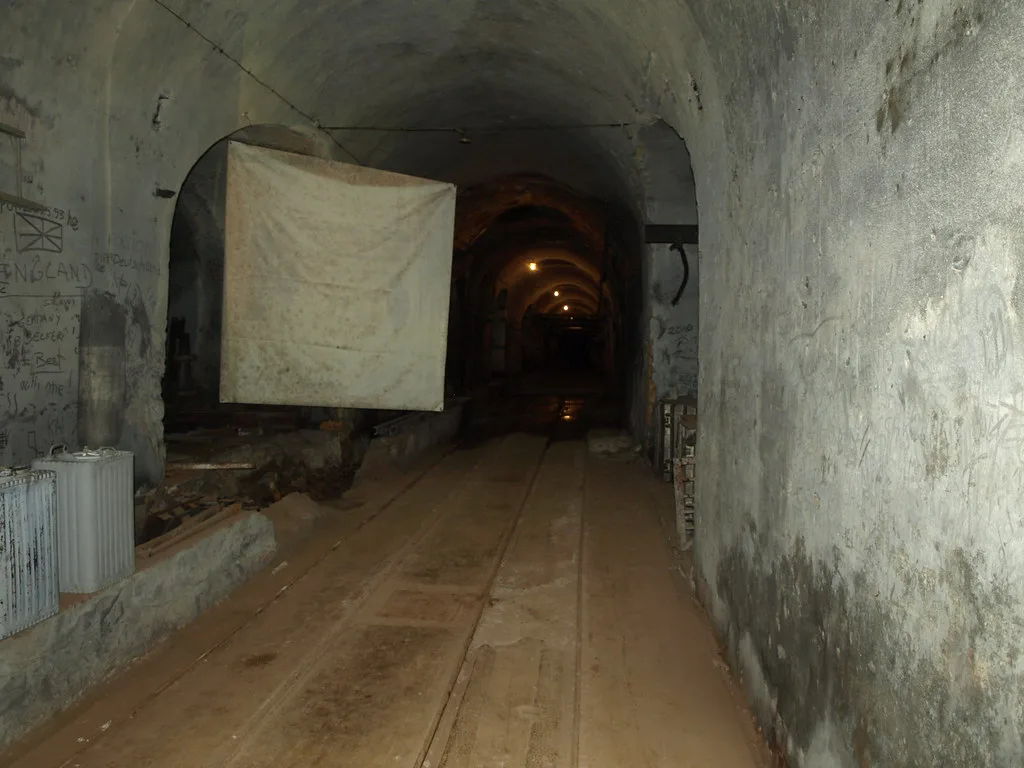
- Underground galleries: long tunnels linking the barracks, kitchens, power station, hospital and ammunition stores. Hackenberg and Simserhof are the sites most often chosen for their scale.
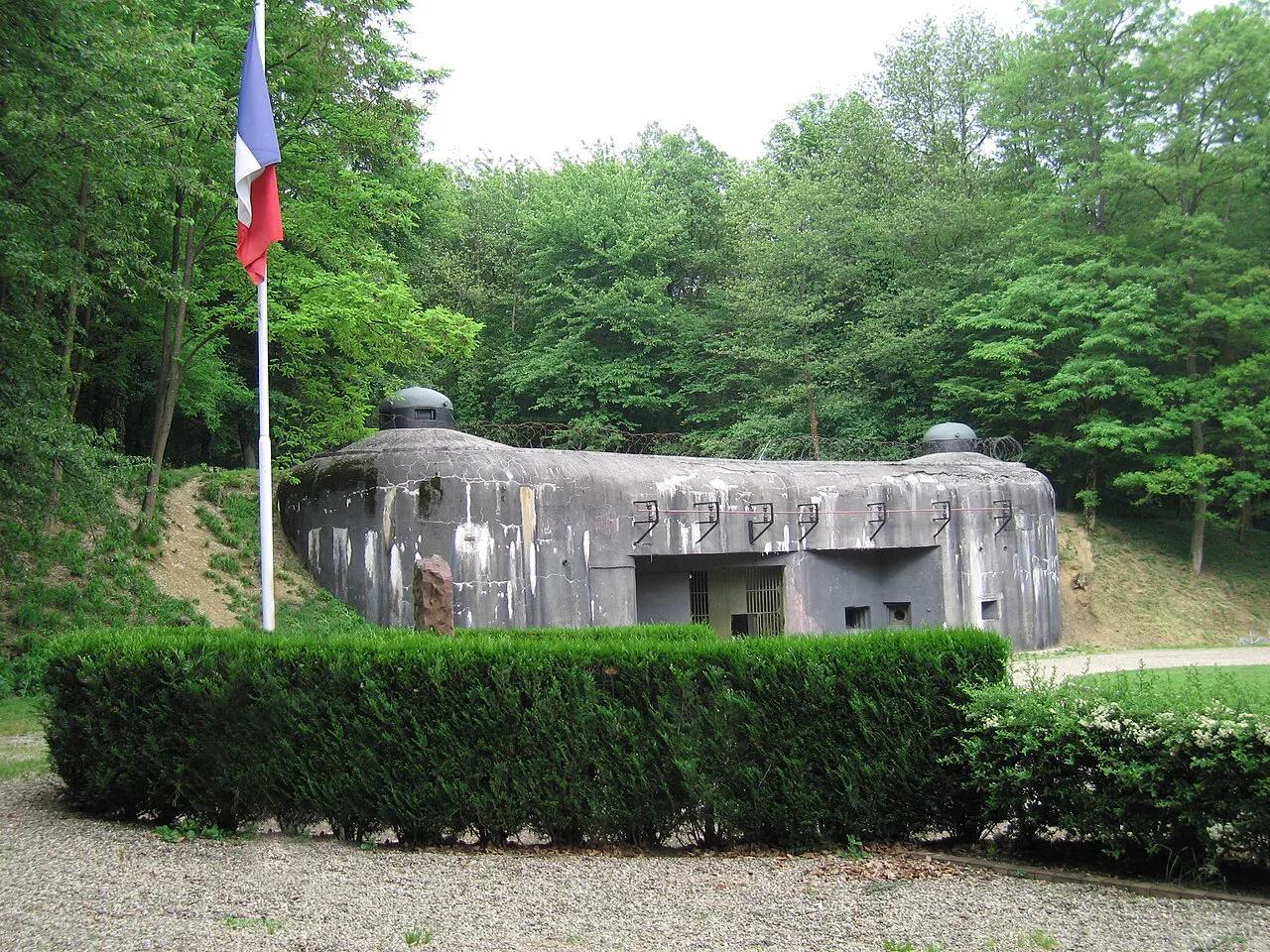
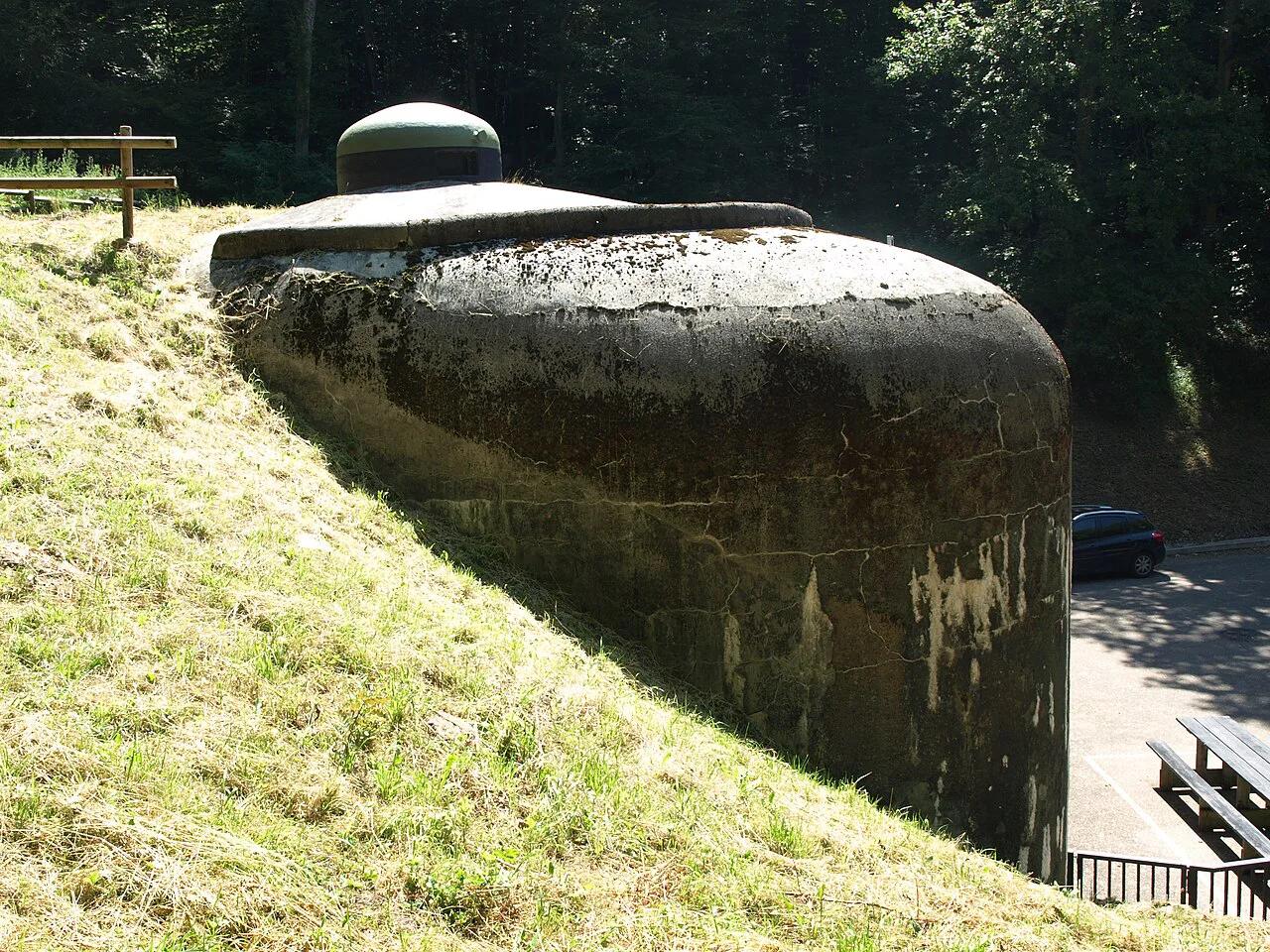
- Combat blocks: the turrets, casemates and artillery positions on the surface or just below it. These are where the fortress did its fighting.
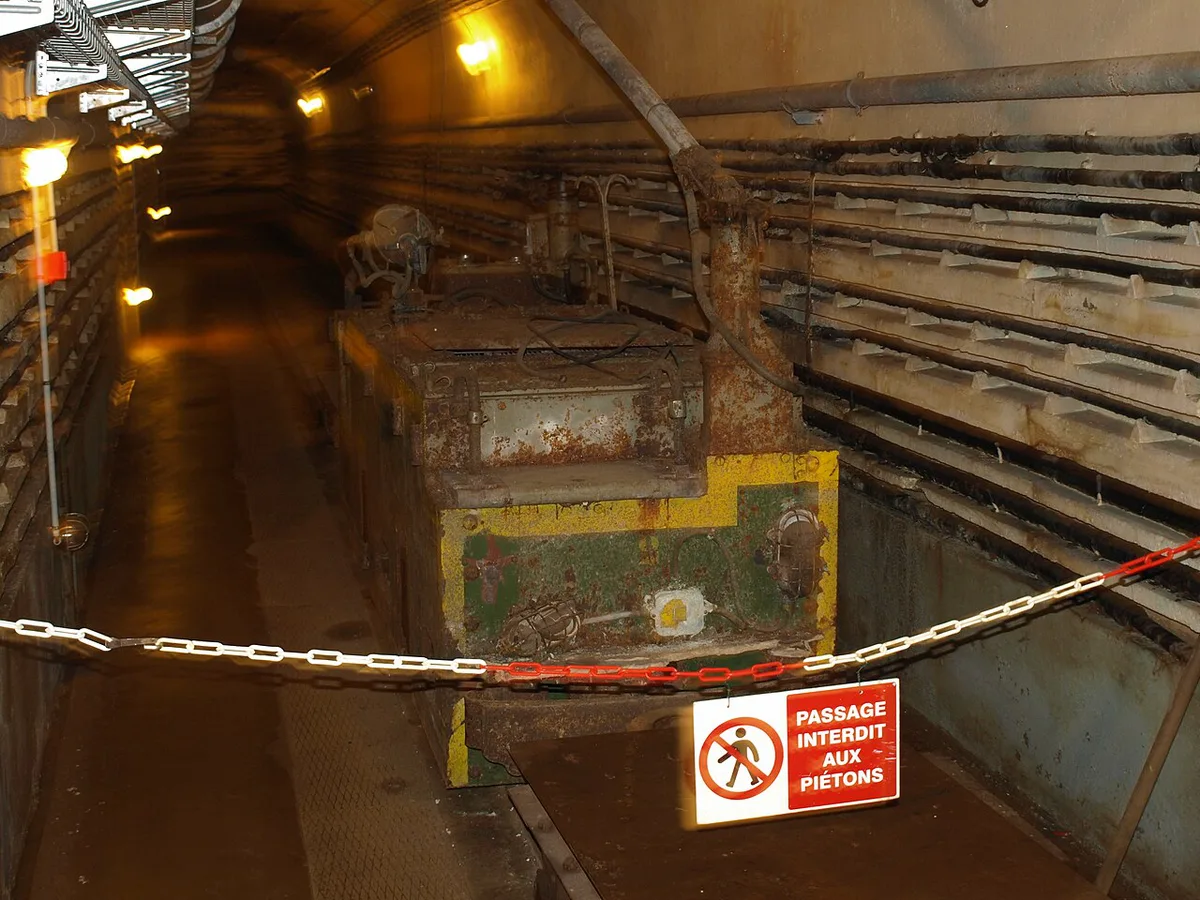
- Narrow-gauge railway: some ouvrages had an electric railway to move shells and supplies, and a few sites run a visitor ride on it. Confirm on the official page whether it operates on your date.
Expect a guided or semi-guided route rather than free wandering, and expect stairs. The galleries stay cool all year, typically around 12°C, which is why the warm layer in the planning section matters.
Small sites such as Fort Casso show a shorter slice of the same system, so they work as a second stop only if you have time left after a large ouvrage. Hours and tour formats differ by site, so use each official page rather than assuming they match.
Fort Casso and other smaller sites
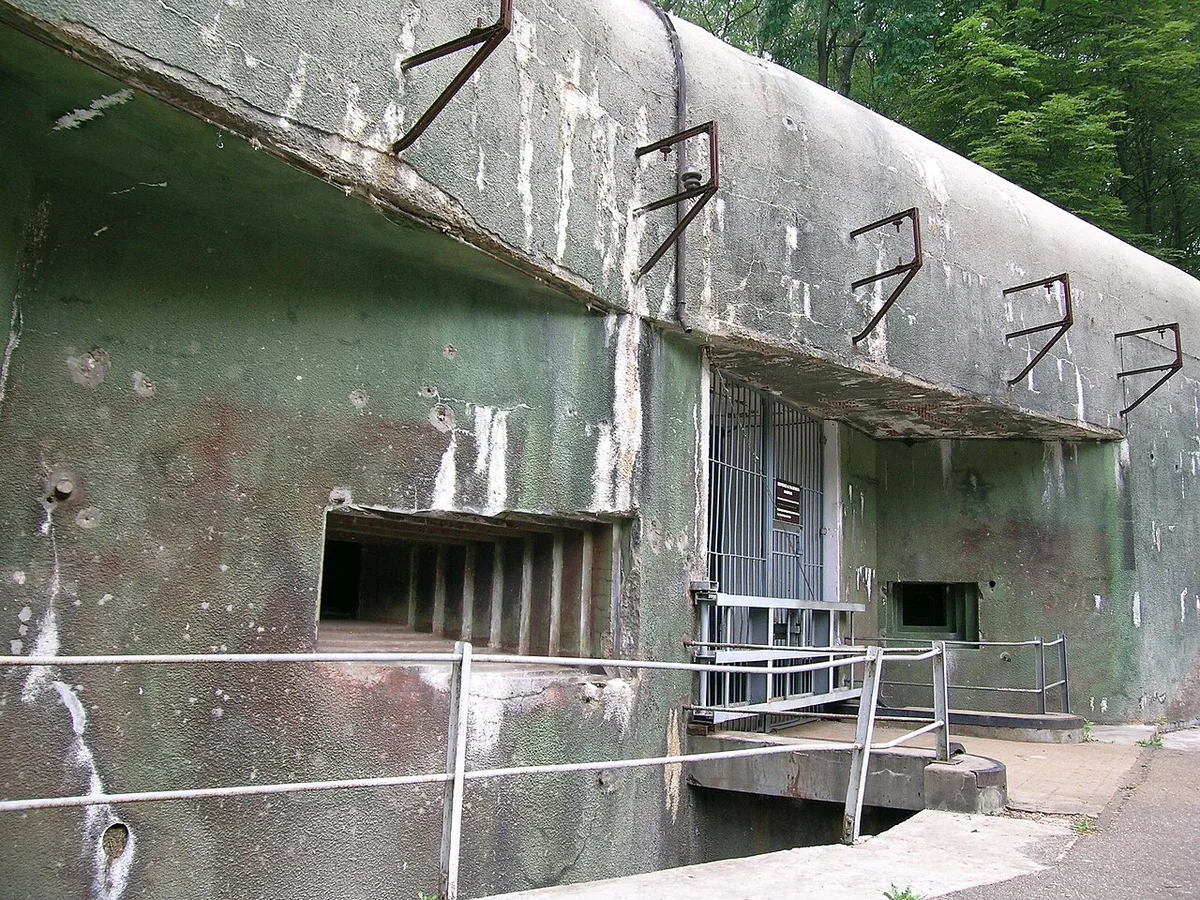
Fort Casso is a smaller site and suits a shorter visit than the big ouvrages. Its official site sets out the visit format and opening periods. Read the page for its tour style before you plan a route around it. Add other small museums only once you have checked their own pages.
Alpine Maginot Line and Sospel
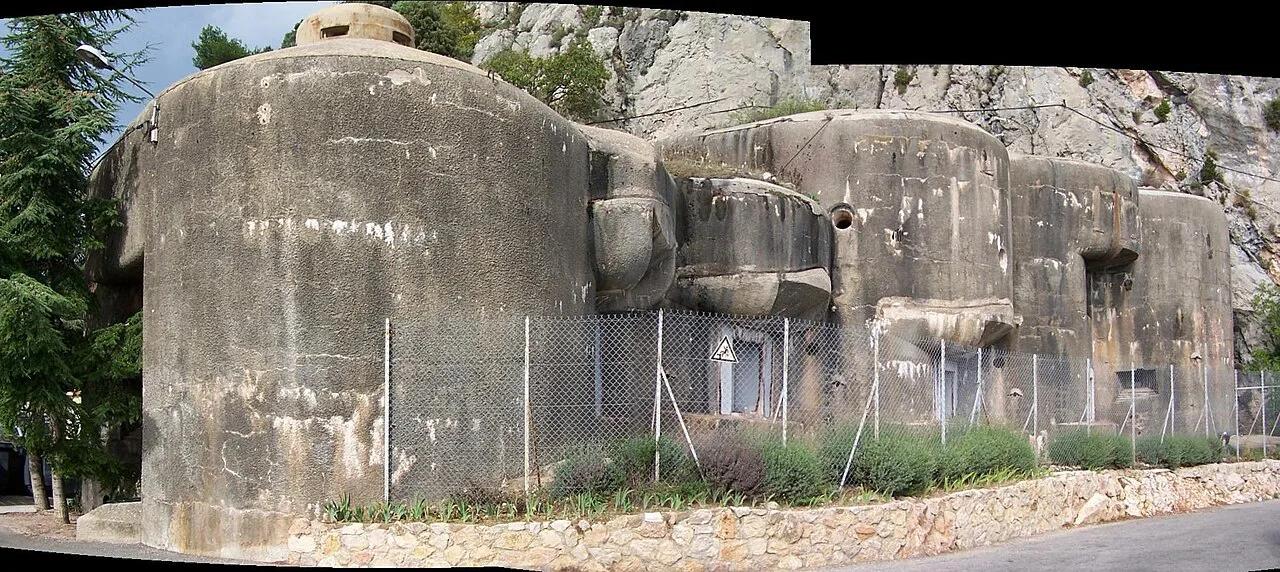
The Musée de la Ligne Maginot at Sospel belongs to the Alpine defences, a different region from Alsace and Moselle. Do not treat it as a stop on a northeast itinerary. Our guide to the Alpine Line Forts (Maginot Line in the Alps): Visitor Guide covers that chain. For local visitor information, start with Menton tourism.
How to plan your day: timing, tours and seasons
Plan one big ouvrage per day. Underground tours take real time and the galleries are cold, so bring a warm layer even in summer. Opening days and tour times vary by site and season, so check each official page before you drive. Use the Maginot Line Map: Where to Visit the Forts to see how far apart the sites sit before you try combining two. Winter closures and limited tour schedules are common at fortress sites.
Accessibility, children and what to bring underground
The underground routes shape who can enjoy a visit. Check these points before you book a day around one site.
- Stairs and slopes: access to the deeper galleries often means long flights of steps. Ask the site in advance about step-free options, which may be limited or absent.
- Footwear: floors can be damp and uneven. Wear closed shoes with grip.
- Clothing: take a jacket or fleece even in July, because the tunnels stay cold while the surface may be hot.
- Children: many families visit, but the tours are long and the content is military history. Look at the tour length on the official page and decide whether a younger child will cope.
- Language: tours may run in French only on some dates. Check which languages are offered, and whether audio guides or printed notes exist, before you travel.
- Food and facilities: do not count on a full restaurant at every site. Eat in a nearby town before or after the tour.
If you want to place the Maginot Line next to other wartime sites on the same trip, our roundup of the 7 Best WW2 Museums in Europe: Where to Go and Who It Suits shows what else is worth pairing with it.
Costs, tickets and opening hours
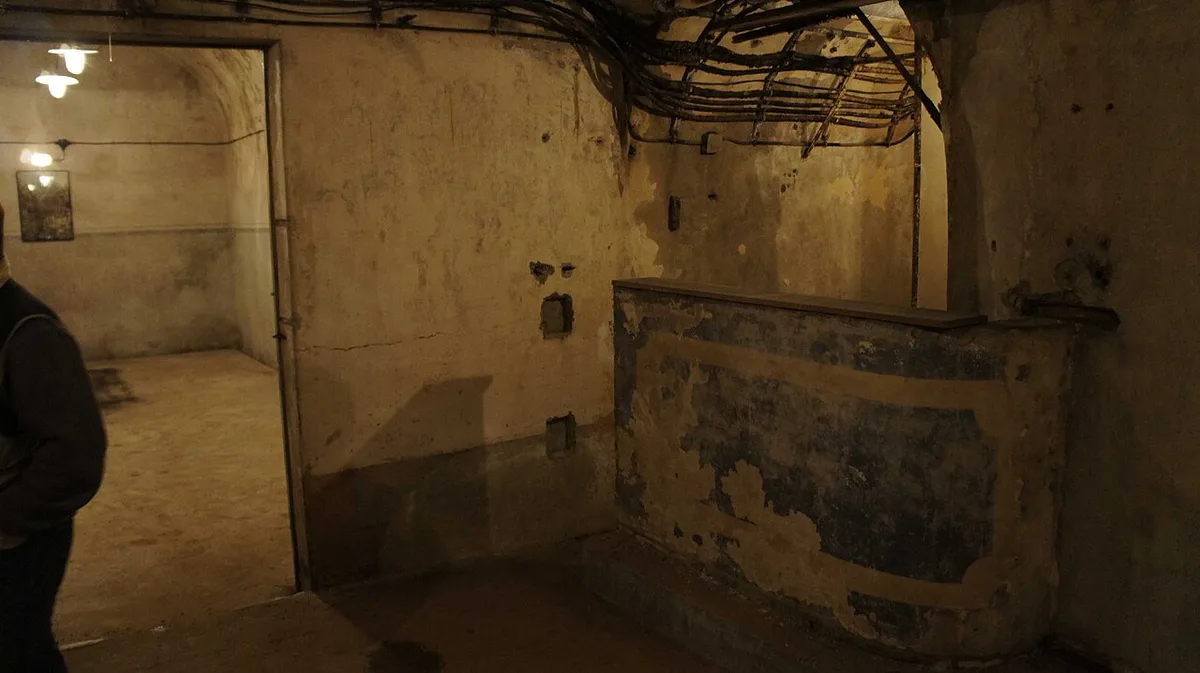
Each site sets its own admission price in euros, and there is no single Maginot Line pass in our sources. Expect the large underground ouvrages to cost more than a small museum visit. Prices and hours are published on each site's own page, listed in the sections above.
Getting there and where to base yourself
Treat a car as the default for the northeast, since the ouvrages sit outside town centres. Choose a base in Alsace for Schoenenbourg or in Moselle for Hackenberg and Simserhof. For the Riviera and Sospel, use a separate base on the coast. If you want the German counterpart, compare it in Maginot Line vs Siegfried Line: Differences & What to Visit.
Context and mistakes to avoid
The 4 Best Maginot Line Forts to Visit and How to Plan was France's fortified frontier system, and these sites are its surviving ouvrages. A few planning errors recur.
- Assuming every site is open daily.
- Skipping warm clothing for the underground tour.
- Arriving without checking tour times.
- Expecting one single Maginot Line museum.
- Treating the Alpine and northeast lines as nearby.
Keep planning
Guides on the same trip