Maginot Line vs Siegfried Line: Differences & What to Visit
Compare the Maginot Line and Siegfried Line: design, strategy, 1940 performance and what you can visit today, with a clear verdict for planning.
In this guide
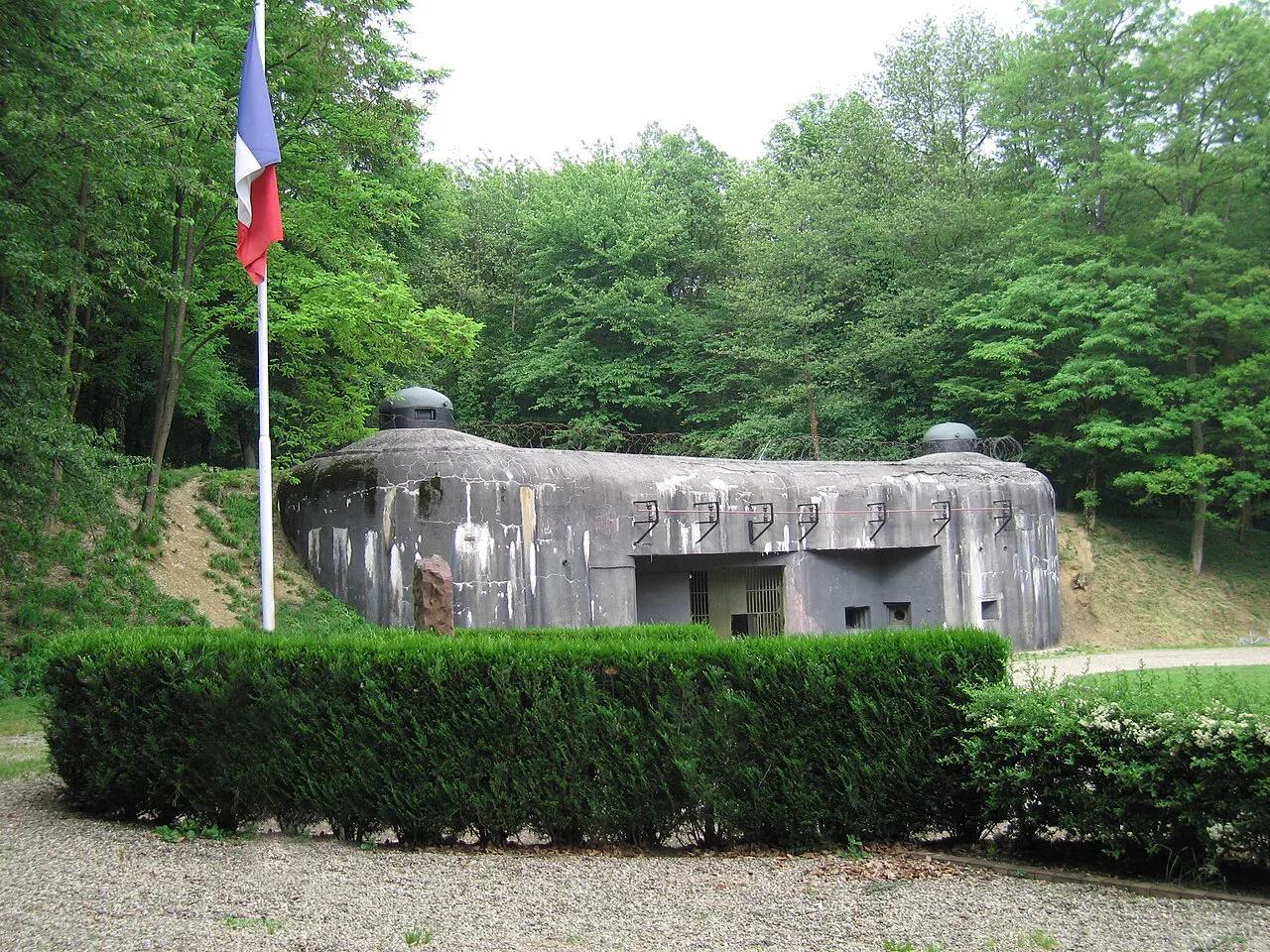
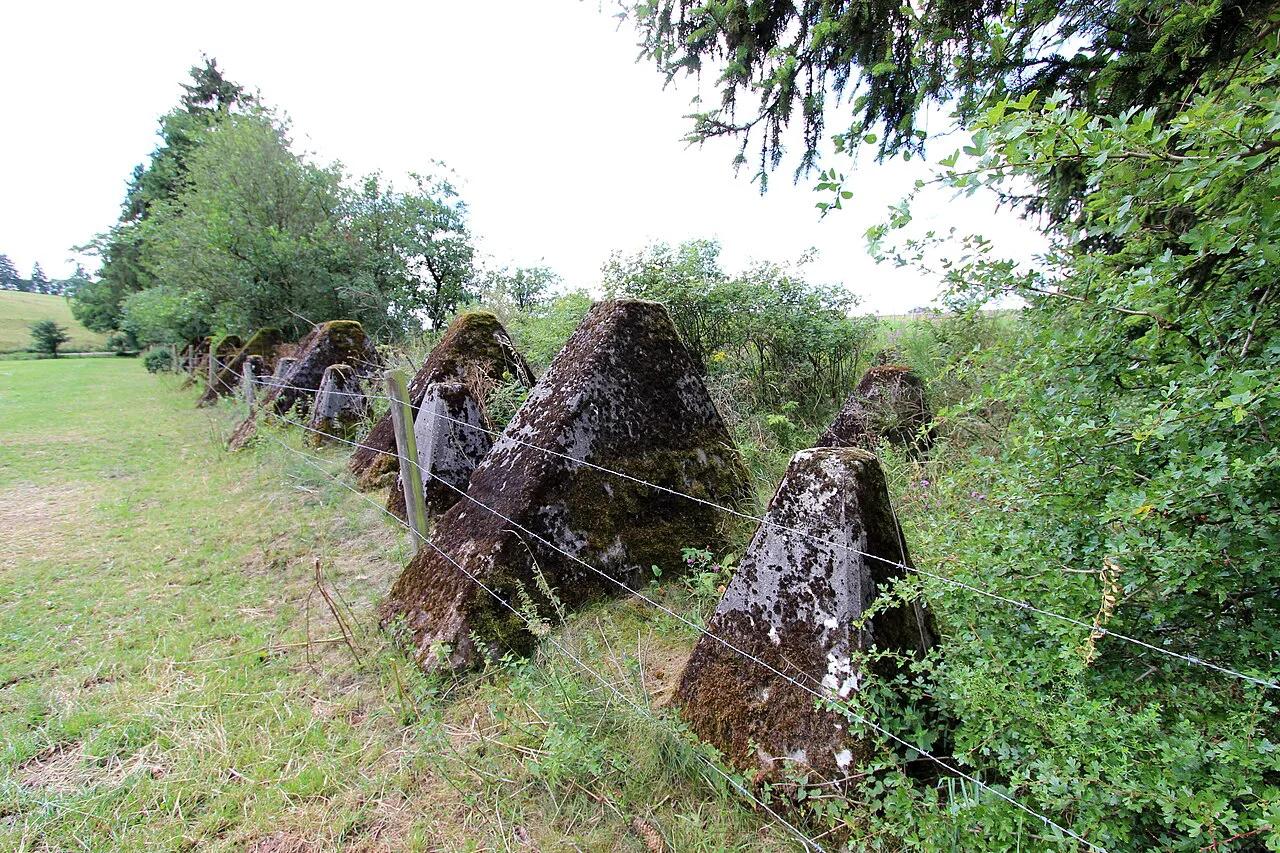
Last updated November 2026: the maginot line vs siegfried line question comes down to a French fortress belt against a German bunker belt. The Maginot Line is the French frontier defence of the 1930s, and the Siegfried Line (Westwall) is the German defensive belt of bunkers and anti-tank obstacles. For visitors, the Maginot Line is the easier one to tour, and our full Maginot Line guide covers it in depth.
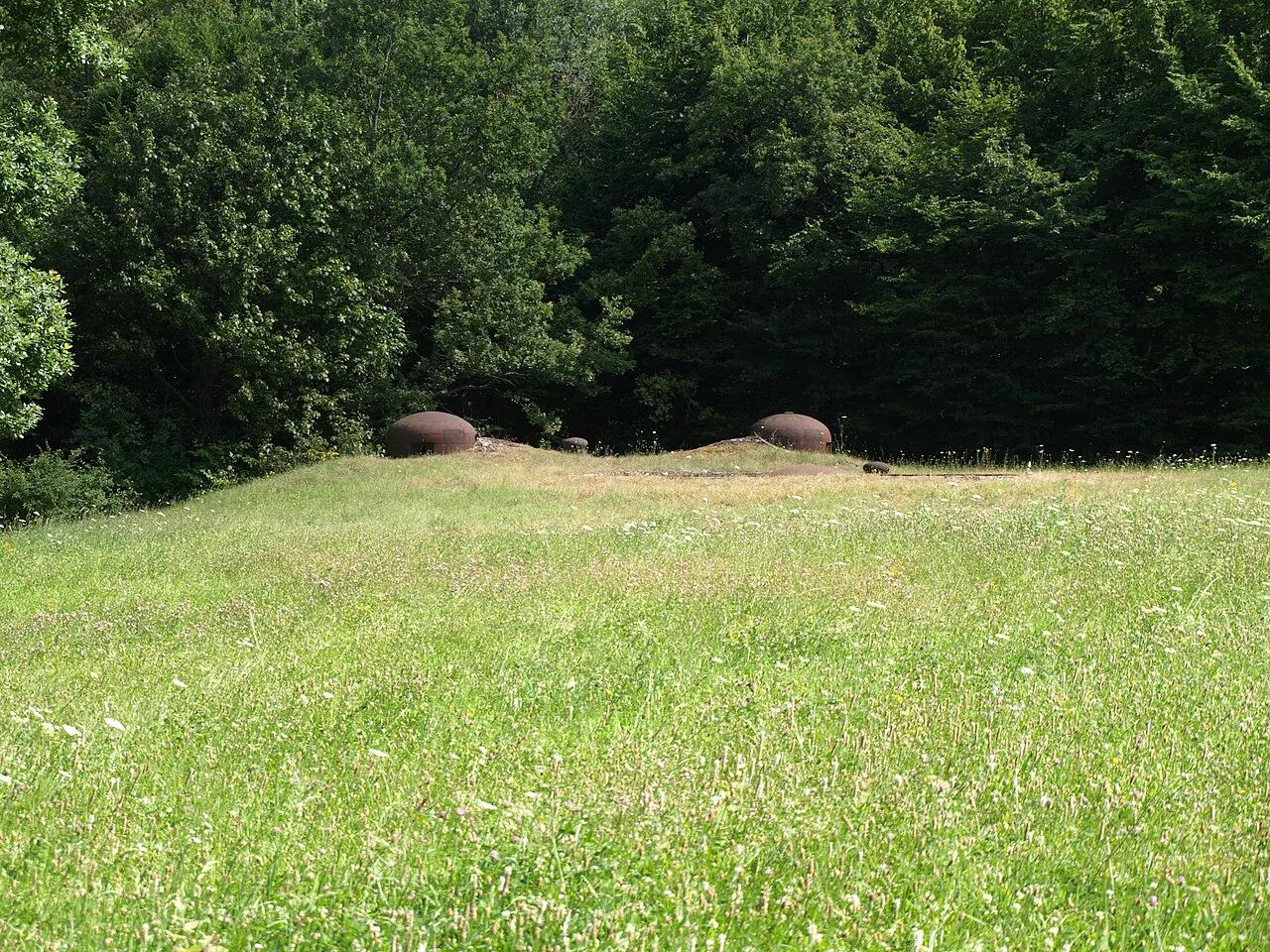
Featured image: Colling-architektur, CC BY-SA 3.0, via Wikimedia Commons.
Quick Verdict
Pick the Maginot Line if you want underground galleries, guided tours and a clear visit plan. Pick the Siegfried Line if you prefer scattered remains in woods and fields, with less set-up for visitors. Both belts were built in the 1930s, and each reflects a different strategic idea. For most first-time visitors, one large French ouvrage is the better starting point.
Maginot Line vs Siegfried Line: At a Glance
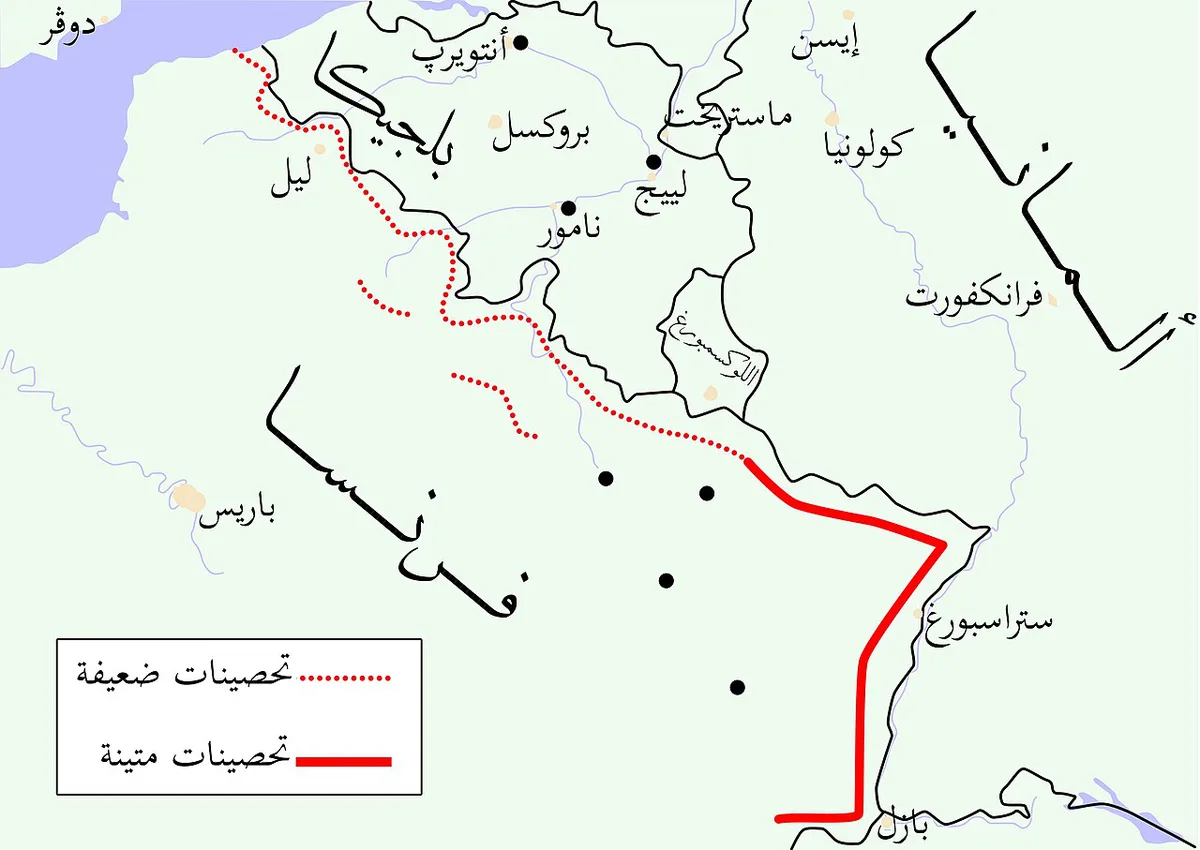
Competing accounts give the French line about 700 km (roughly 435 miles) and the German line about 630 km (roughly 391 miles). Both are described as tens of thousands of bunkers, galleries, tunnels and anti-tank obstacles. The table below compares them for a traveller. Cost figures are our editorial planning estimates for 2026, not published tariffs, so check each site's own page before paying.
| Point | Maginot Line | Siegfried Line (Westwall) |
|---|---|---|
| Builder | France | Germany |
| Approximate length | About 700 km | About 630 km |
| Core idea | Deep fortress barrier of large ouvrages | Belt of bunkers and anti-tank obstacles |
| What survives | Large ouvrages, many preserved and open to tours | Scattered remains, some with museum displays |
| Typical entry cost (editorial estimate) | €8–€15 per adult for a guided ouvrage | €0–€10 for open-air remains or a small museum |
| Best entry point | Hackenberg, Schoenenbourg, Simserhof or Fort Casso | Regional remains in Rhineland-Palatinate |
Strategy and Design: Why They Differ
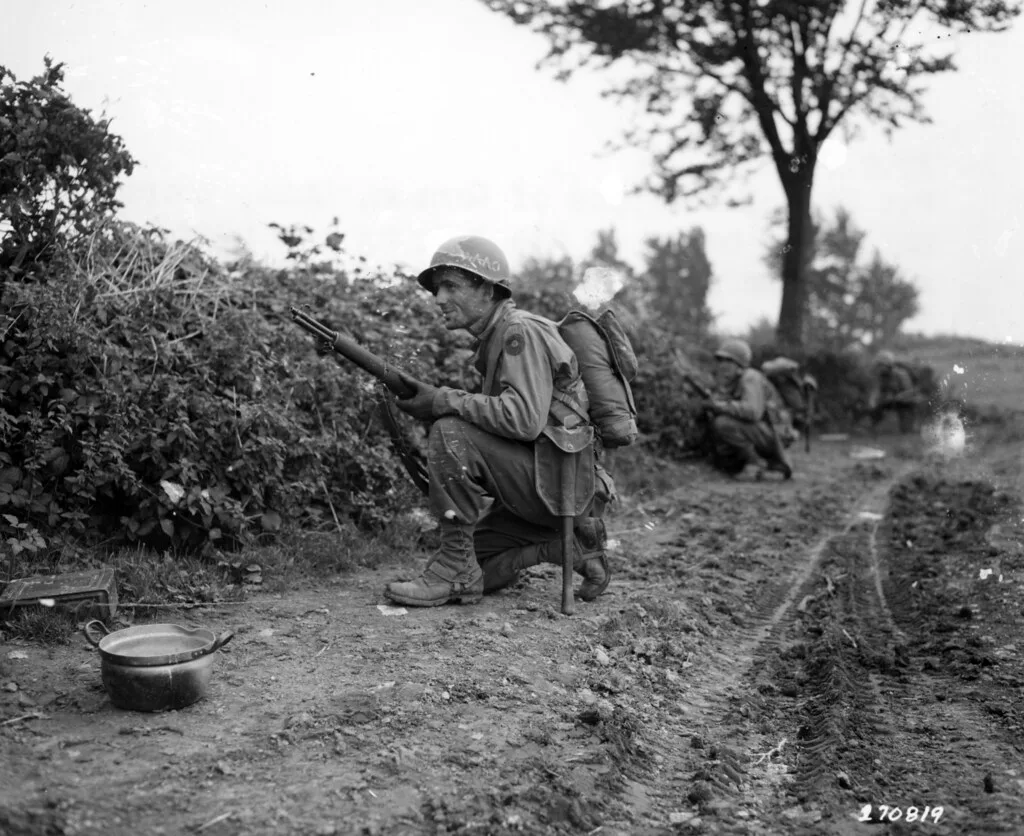
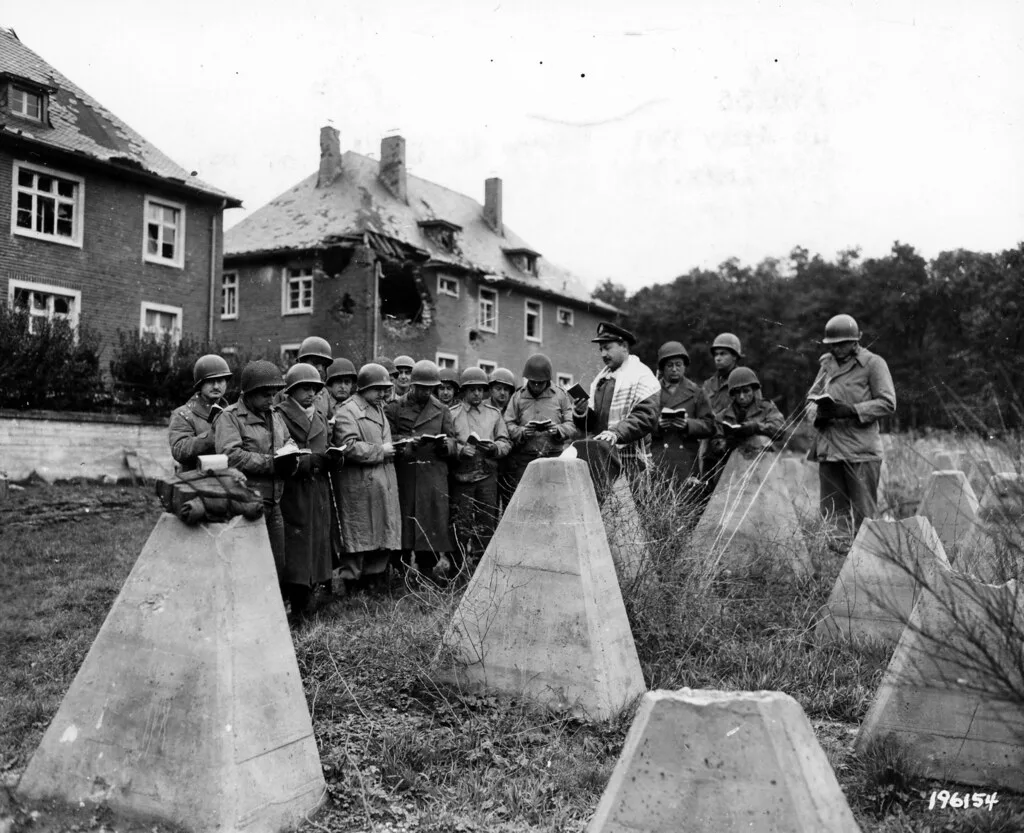
Both lines grew from the same period, when Europe fortified its borders. They came from opposed strategic, ideological and military approaches. The French logic was a deep, permanent barrier built around large underground works called ouvrages. The German logic was a belt of bunkers and dragon's teeth, meant to channel and slow an attacker. Detailed engineering claims vary by source, so treat any figure beyond the two lengths above with care.
How Each Line Performed
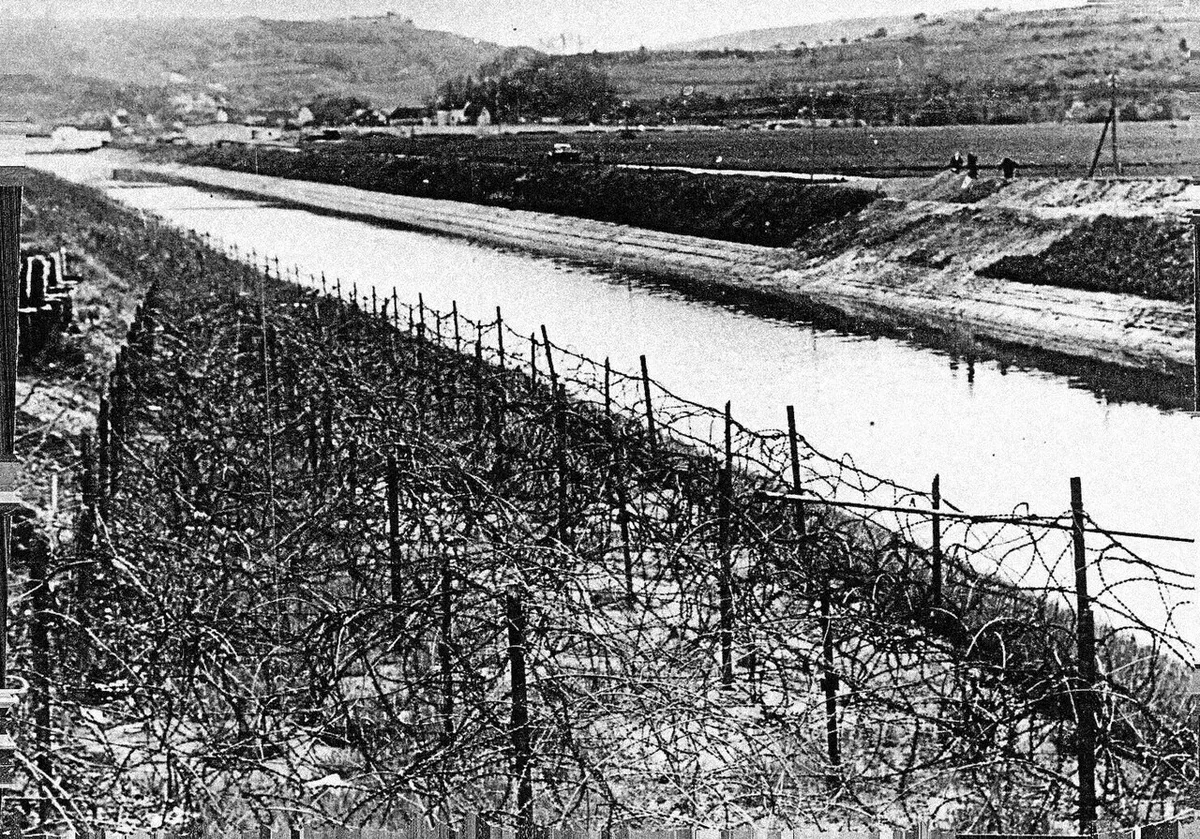
The fighting of 1940 and of 1944–45 tested both belts. The common claim that the Maginot Line simply failed hides real nuance. Whether its main works fell to direct assault, or were bypassed and later surrendered, is a question for museum historians. The guided tours at the French sites cover this in detail. For the Siegfried Line, regional heritage bodies describe what remains today, rather than a single narrative.
What You Can Visit Today
The Maginot Line is the stronger choice for a planned visit. Our Maginot Line Museums: Which Forts to Visit page helps you choose among sites, and the Maginot Line Map: Where to Visit the Forts helps you plan a route.
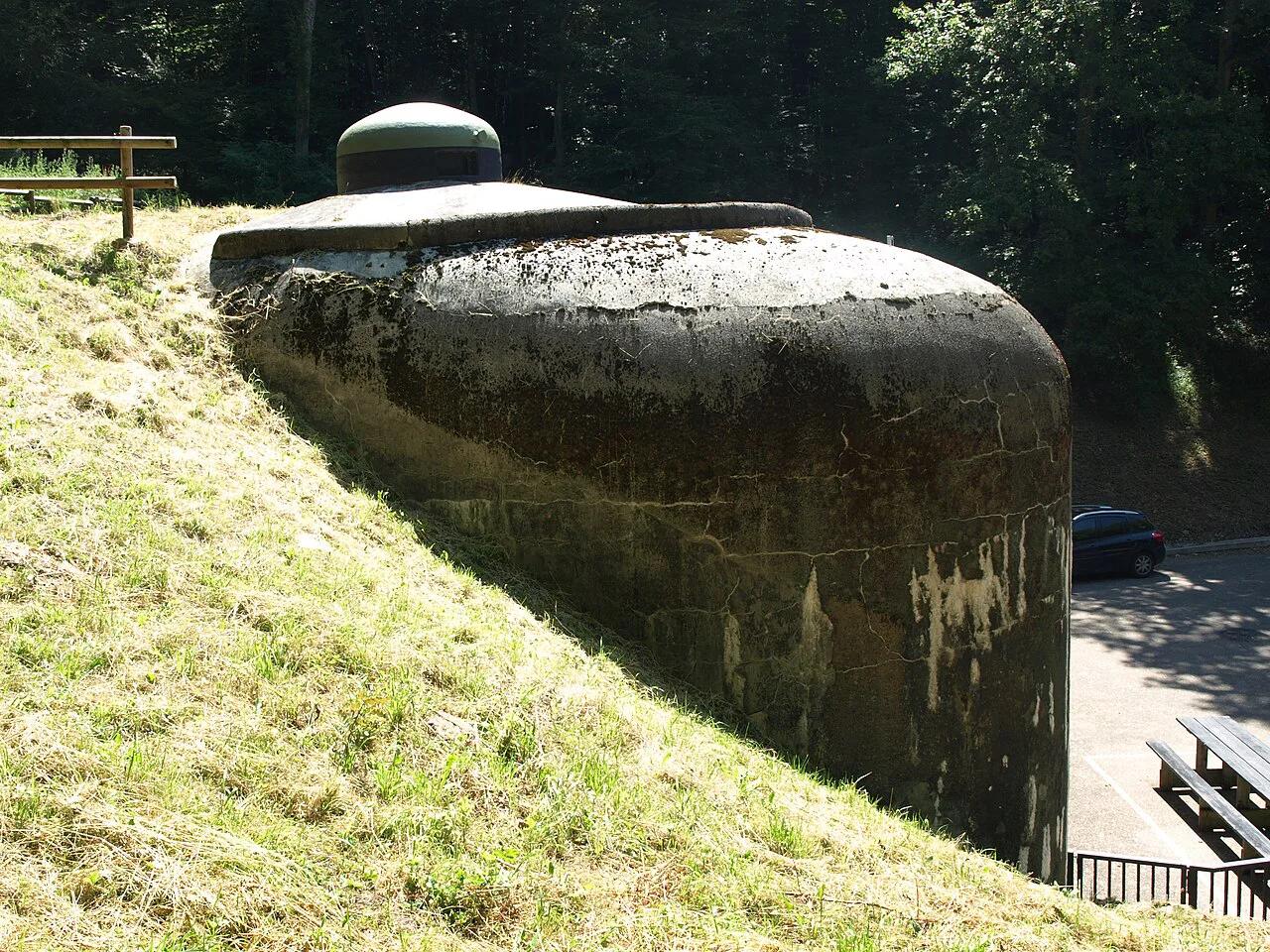
- Ouvrage du Hackenberg: Visitor Guide to a Maginot Fort: one of the large works, with details on the official Hackenberg site.
- Ouvrage Schoenenbourg: Visit Guide, Hours, Tickets & Access: an Alsace option, with information at lignemaginot.com.
- Fort de Simserhof: Maginot Line Visit Guide: a Lorraine option, with visitor details on the Simserhof website.
- Fort Casso (Rohrbach-lès-Bitche): Visitor Guide: a smaller alternative setting, listed on the Fort Casso site.
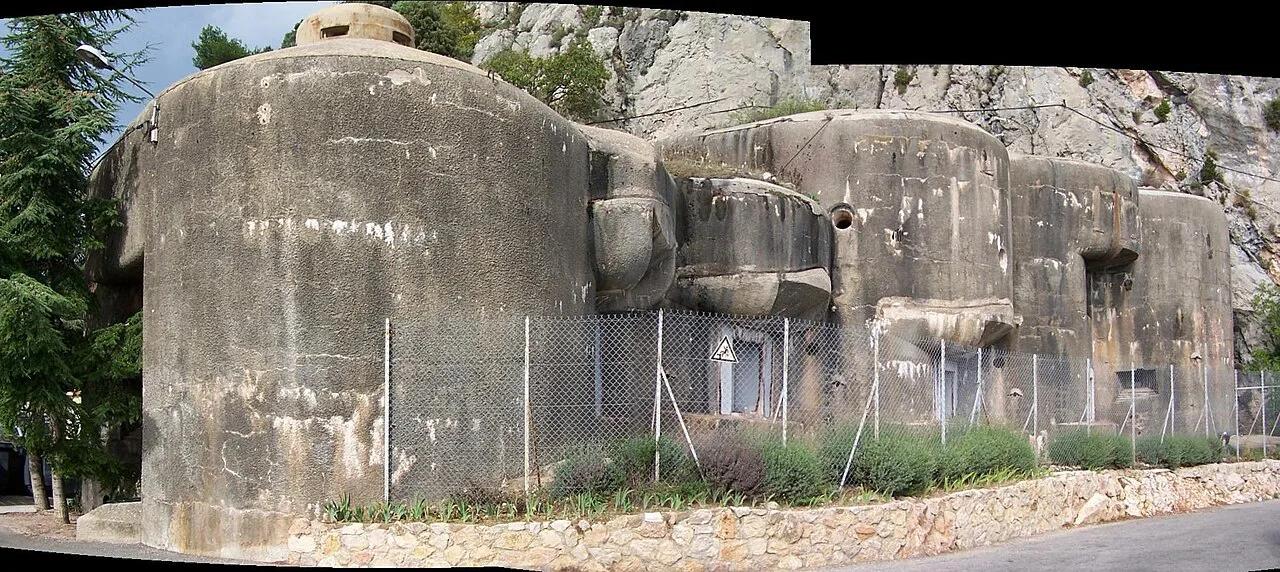
- Alpine Line Forts (Maginot Line in the Alps): Visitor Guide: a less typical Maginot experience in the mountains.
Siegfried Line Remains Today
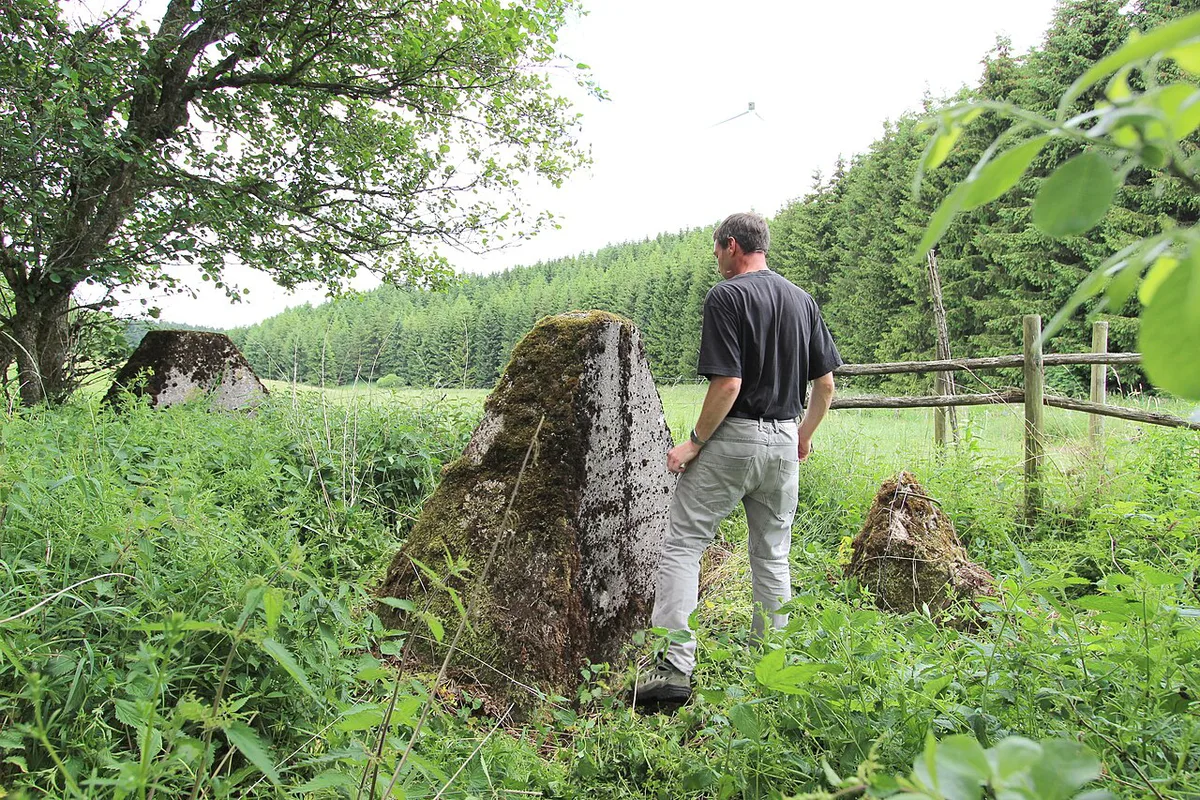
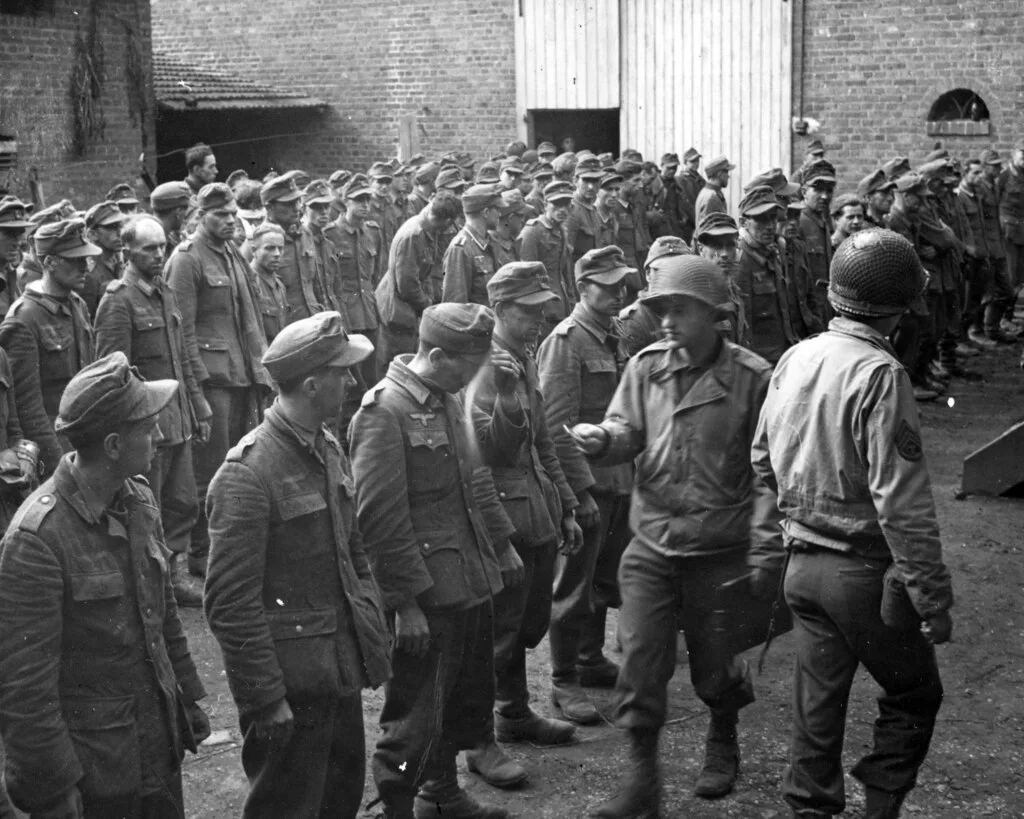
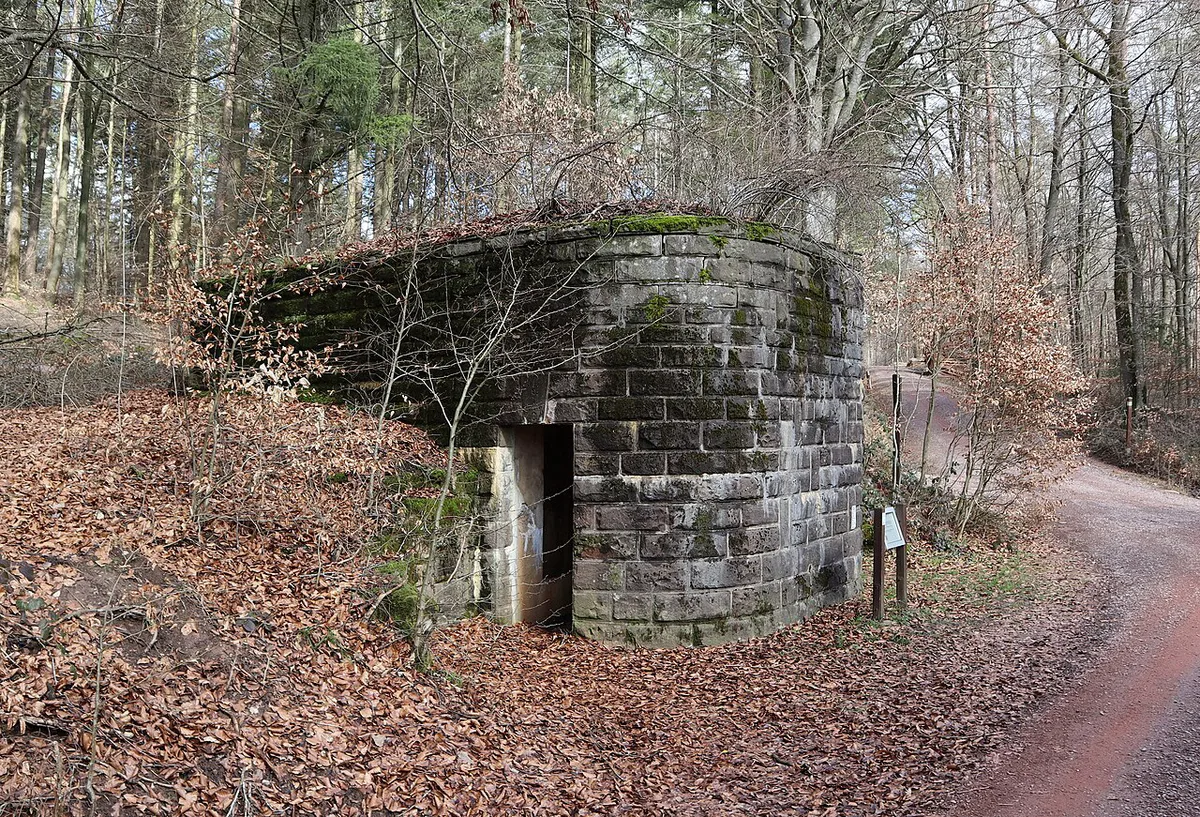
Westwall remains are mostly scattered rather than gathered into one site. Rhineland-Palatinate tourism lists Westwall remains and a museum, which is the place to start. Check that page for access and opening details before travelling.
Cost, Time and Access Trade-Offs
Plan roughly €8–€15 per adult for a guided Maginot ouvrage, as an editorial estimate. Open-air Westwall remains are likely to cost €0–€10 in total. Maginot works are underground, so bring a warm layer even in summer. Stairs and long galleries limit access for some visitors. Seasonal opening and booking rules differ by site, so check each official page. A car makes it far easier to combine several sites in one day.
Who Should Visit Which
History-first visitors should start with one large Maginot ouvrage, then add a Westwall stop if travelling in Rhineland-Palatinate. Families will find the guided French tours easier to follow than scattered remains. Photographers may prefer the open-air Siegfried Line sites. Mobility-limited visitors should check access details first, because the underground French sites involve stairs. Readers with one day only should pick a single ouvrage in Alsace or Lorraine and skip the rest.
Common Mistakes to Avoid
A few planning errors come up again and again.
- Assuming there is one single line to visit, when each belt is hundreds of kilometres of separate sites.
- Assuming every site is open year-round.
- Expecting the Siegfried Line to have the same visitor infrastructure as the Maginot works.
- Treating the 2018 documentary as a visitor guide, when it is a film and not a planning tool.
- Underestimating the time one ouvrage takes.
Frequently Asked Questions
Can you still visit the Maginot Line?
Yes. Several large ouvrages offer visits, including Hackenberg, Schoenenbourg and Simserhof. Check each official site for current opening and tour details.
What was the Siegfried Line?
It was the German defensive belt of bunkers and anti-tank obstacles, also called the Westwall. Competing accounts give it a length of about 630 km.
Keep planning
Guides on the same trip