Alpine Line Forts (Maginot Line in the Alps): Visitor Guide
What the Alpine Line forts are, how they differ from the main Maginot Line, and how to choose which to visit, with seasonal and access notes.
In this guide
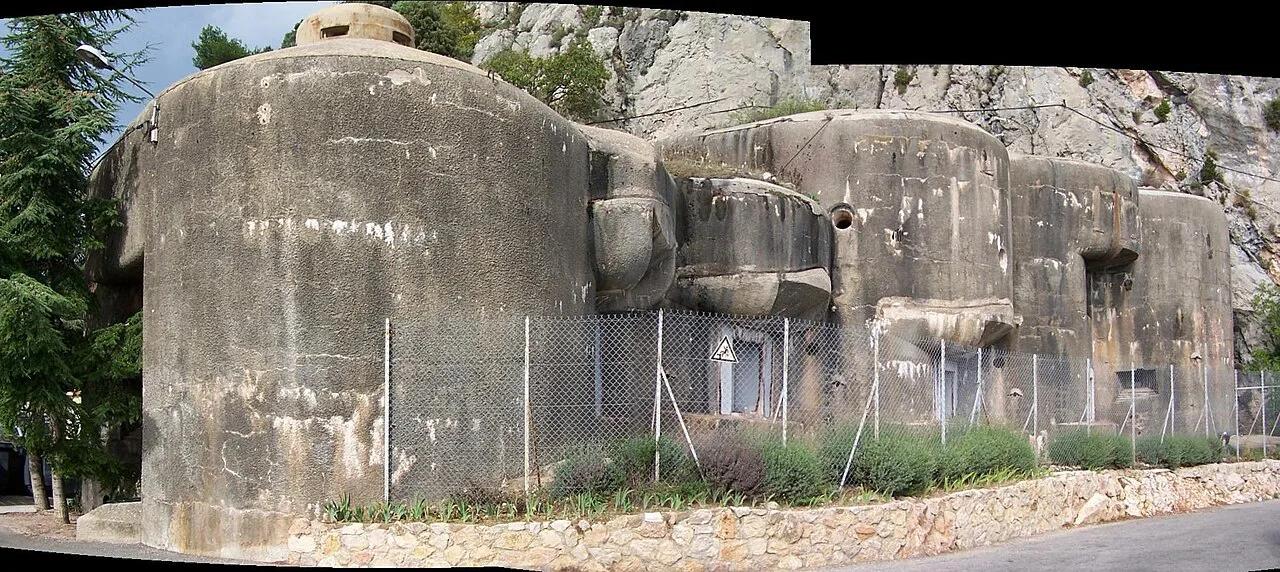
Last updated November 2026. The alpine line forts are the Alpine section of the Maginot defences, built along the French–Italian border and often called the Little Maginot Line. They are a separate experience from the big northeastern works described in our Maginot Line guide. Expect small mountain sites that are reached by road or trail, and plan around the seasons.
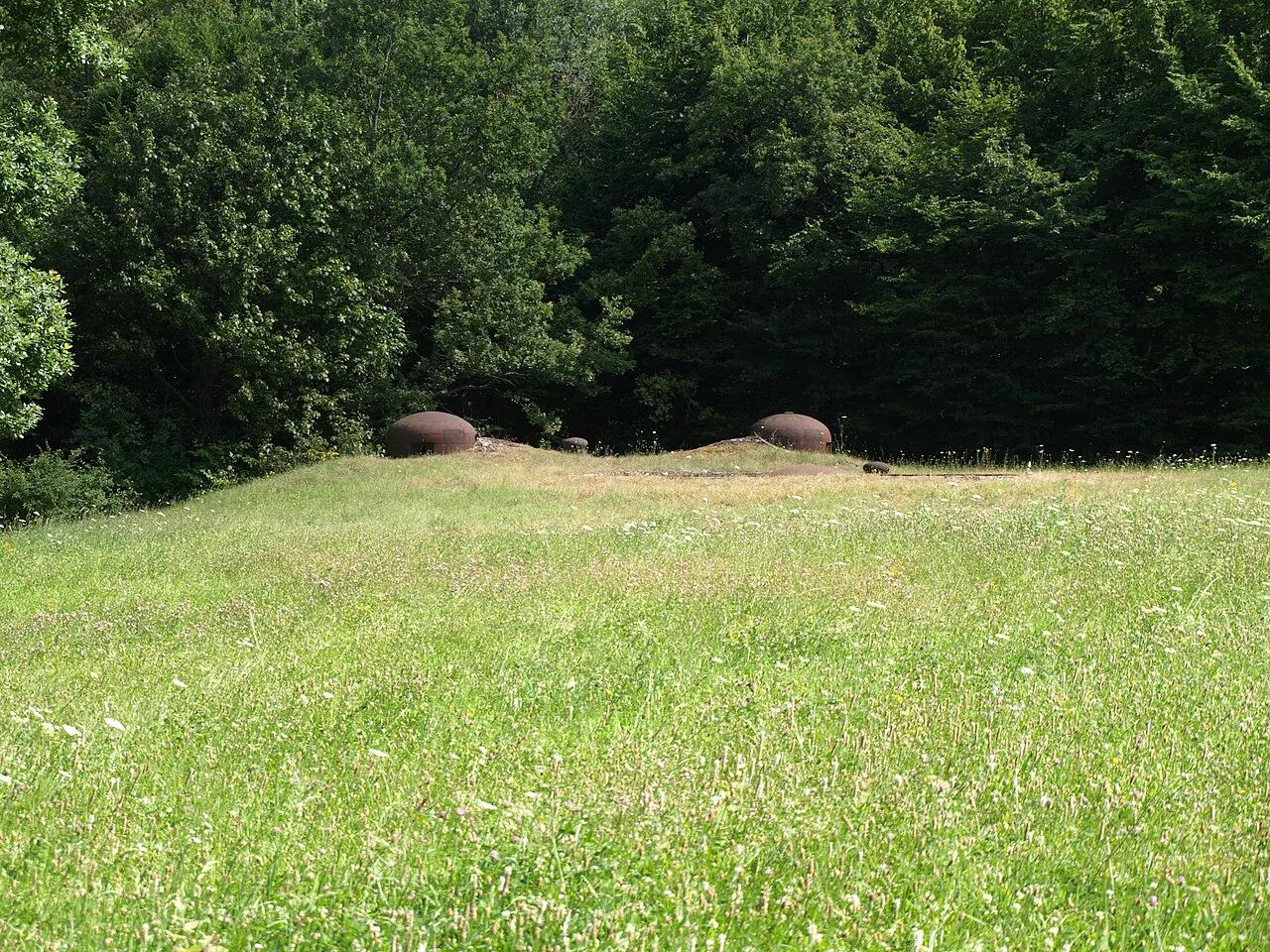
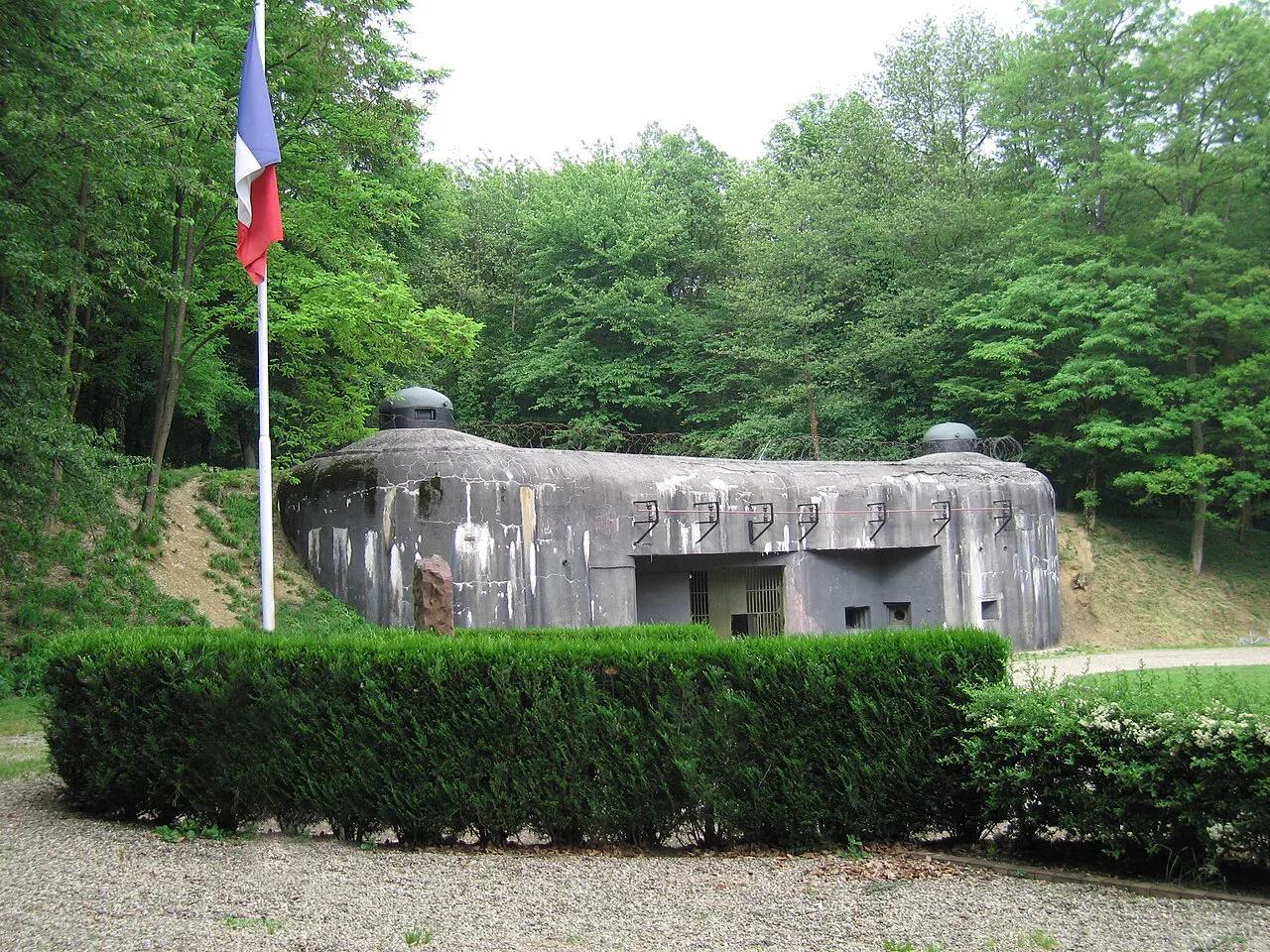
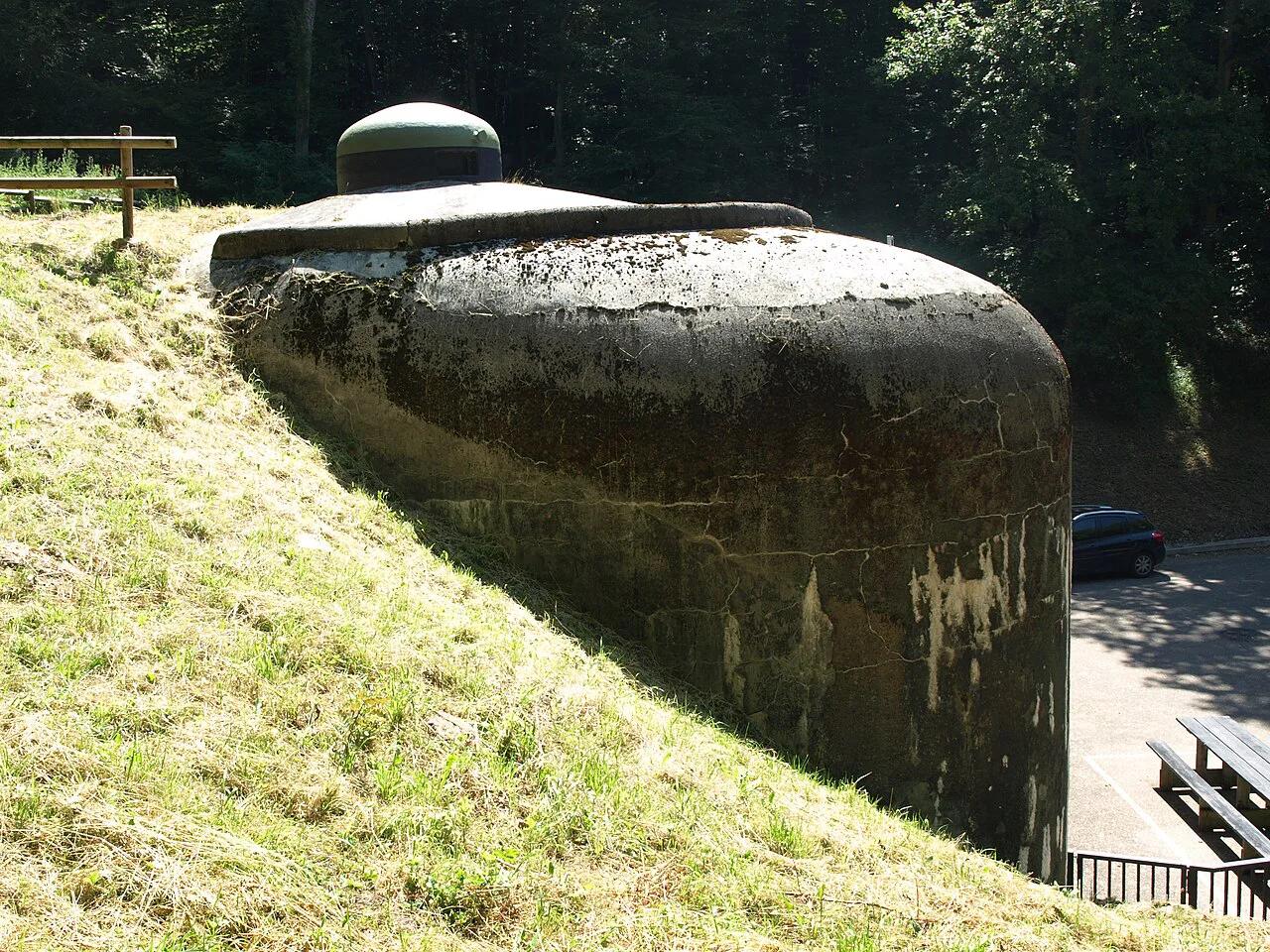
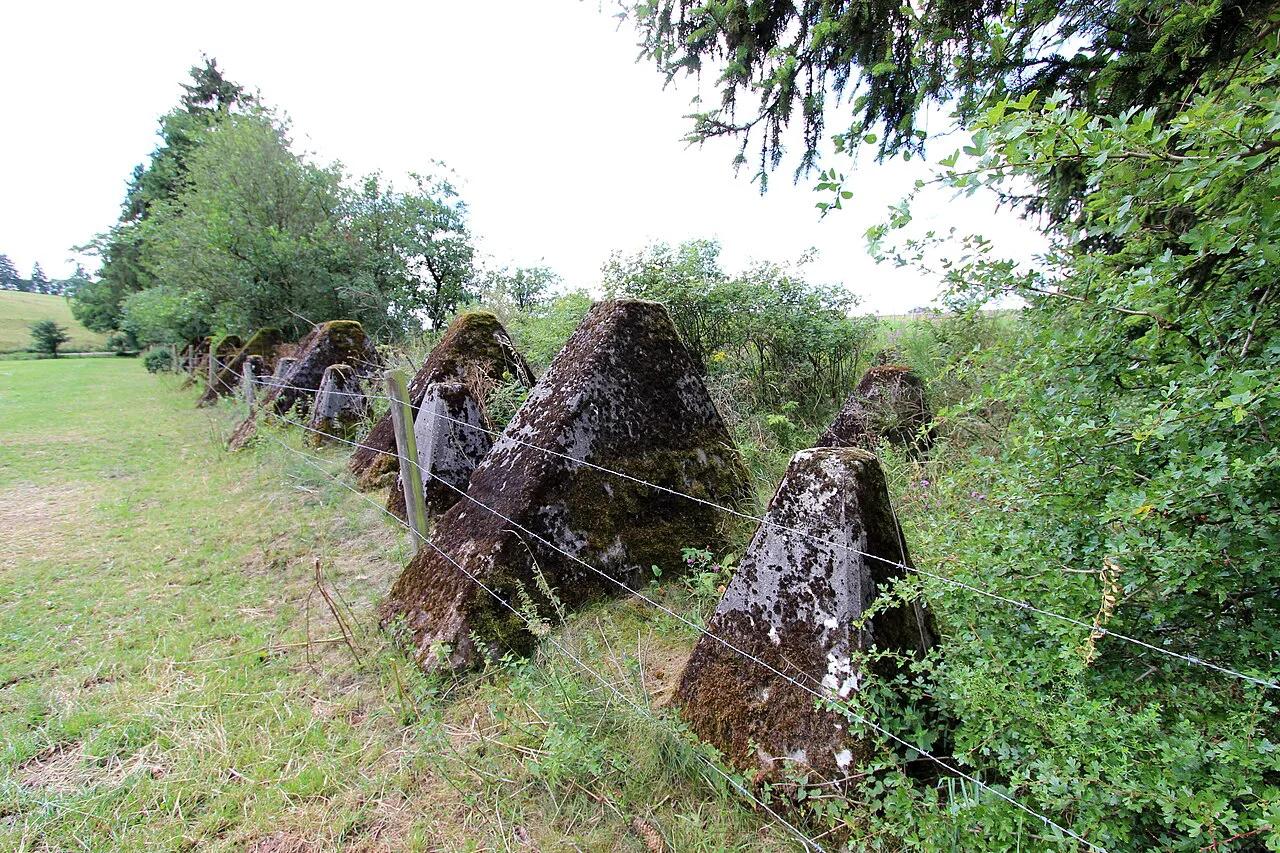
Featured image: Berthold Werner, CC BY-SA 3.0, via Wikimedia Commons.
What the Alpine Line Forts Are
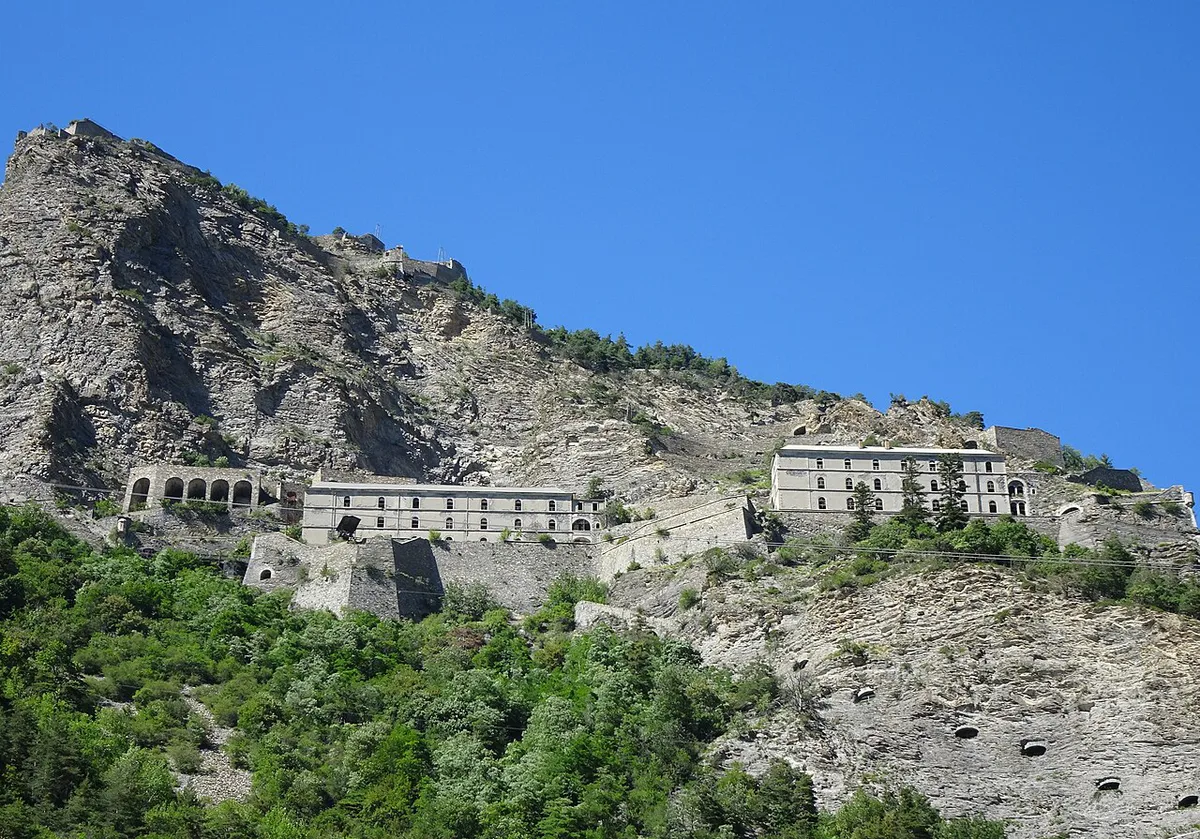
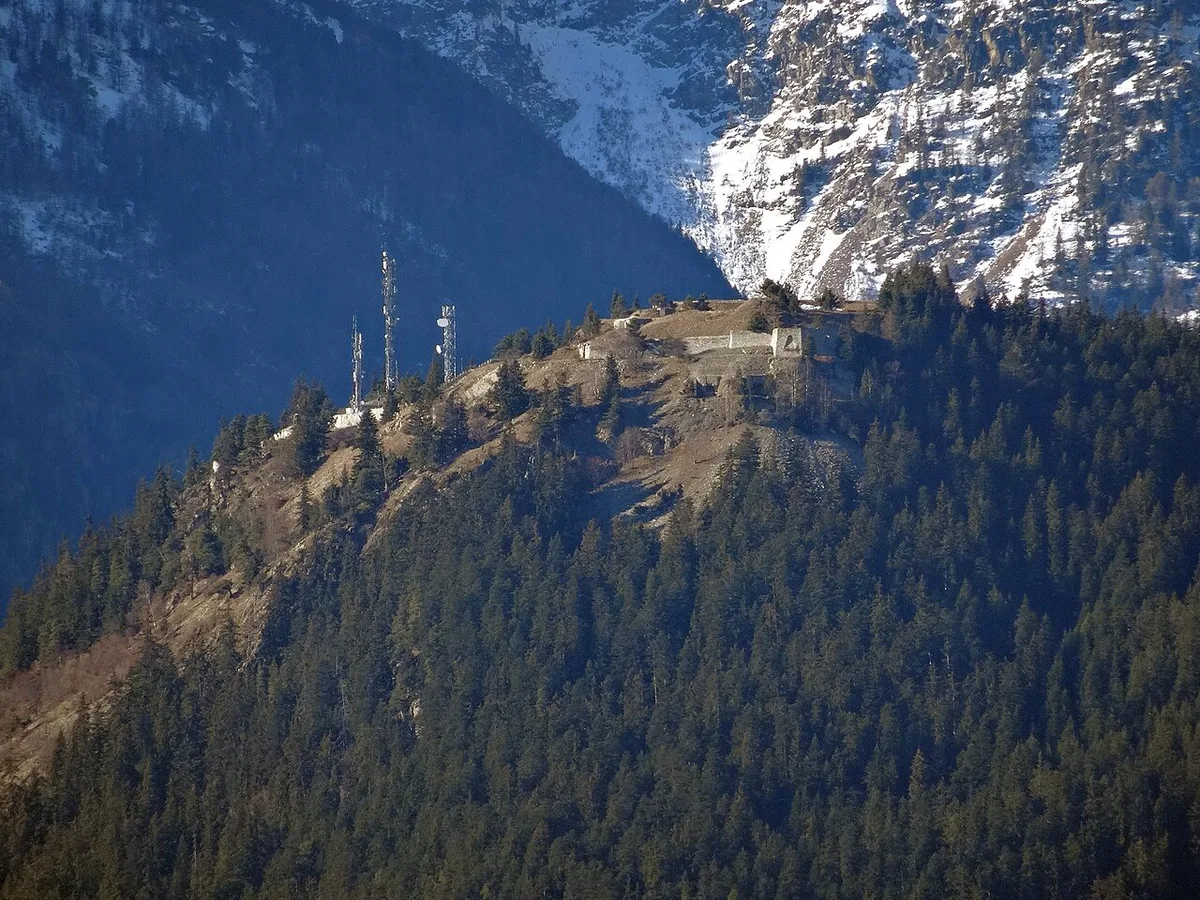
The Alpine Line (Ligne Alpine) is the Maginot Line's Alps section. It guarded France's frontier with Italy, facing a different neighbour and a very different landscape from the Rhine and Lorraine sections. Its works sit on slopes, passes and valley sides rather than on open farmland.
Two other systems cause confusion. Italy's Vallo Alpino (Alpine Wall) was built on the other side of the border. The Swiss Réduit is a separate national fortress system and is not part of the Maginot Line. Searches for Alpine bunkers around the Reschen Pass or Stelvio lead to Italian and Swiss border sites, not French ones.
Alpine Line vs the Northeastern Maginot Line
The two sectors share a builder and a purpose, but a visit feels very different. Our Maginot and Siegfried comparison covers the wider strategic picture. This table covers what matters when you plan a trip.
| Factor | Alpine Line | Northeastern Maginot Line |
|---|---|---|
| Location | French–Italian border | Alsace and Lorraine, facing Germany |
| Scale | Small, mountain-sited works | Large underground ouvrages |
| Terrain | Slopes, passes, valley sides | Hills and farmland |
| Access | Mountain road or trail | Signed roads and car parks |
| Season | Often seasonal; snow can close access | Mostly open through the year, with set tour times |
| Suits | Hikers, road-trippers, history enthusiasts | Visitors who want long underground tours |
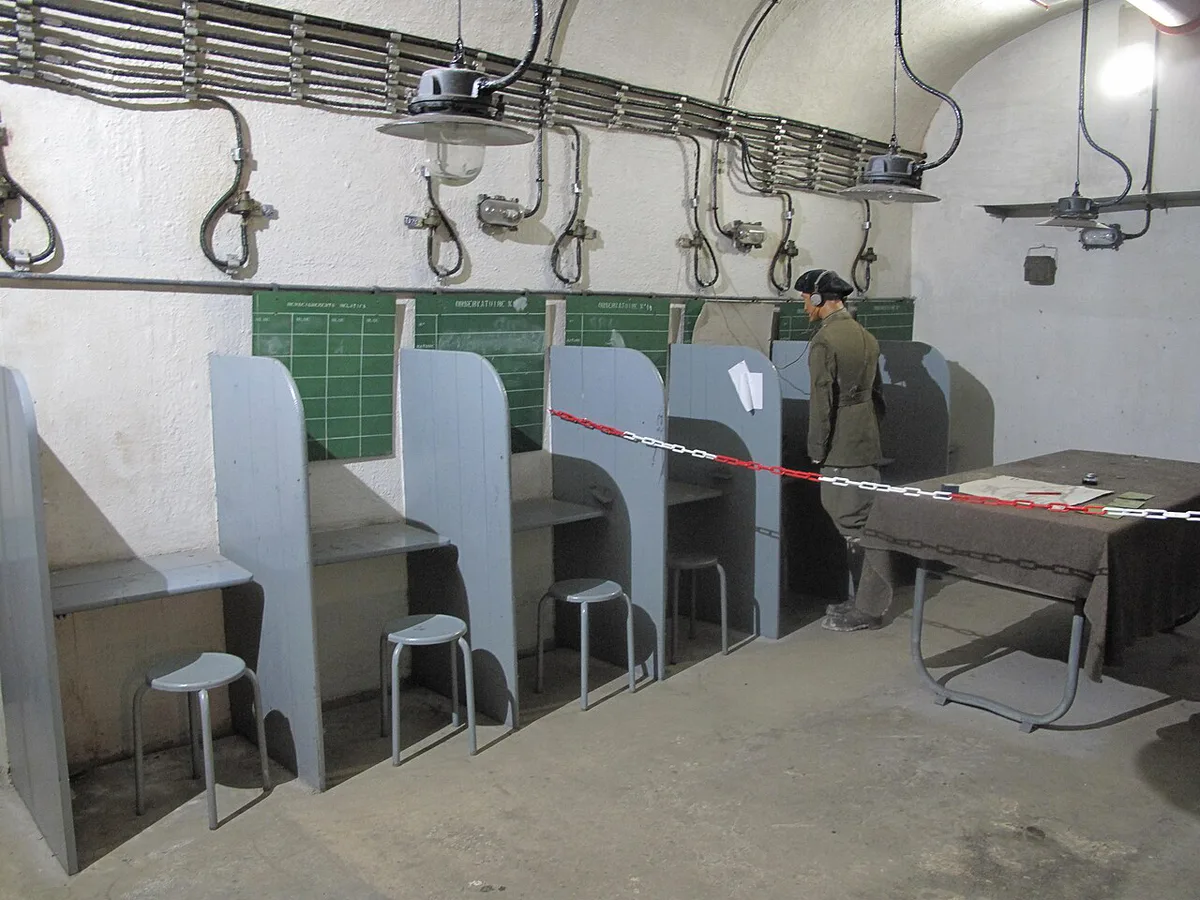
Which Alpine Line Forts to Visit and How to Choose
Opening arrangements for Alpine sites are set locally and change often. Start with the tourism office for the valley you plan to visit, such as Menton tourism or the Ubaye valley tourism site. Offices there can tell you which works are open, who runs the visits and how to reach them.
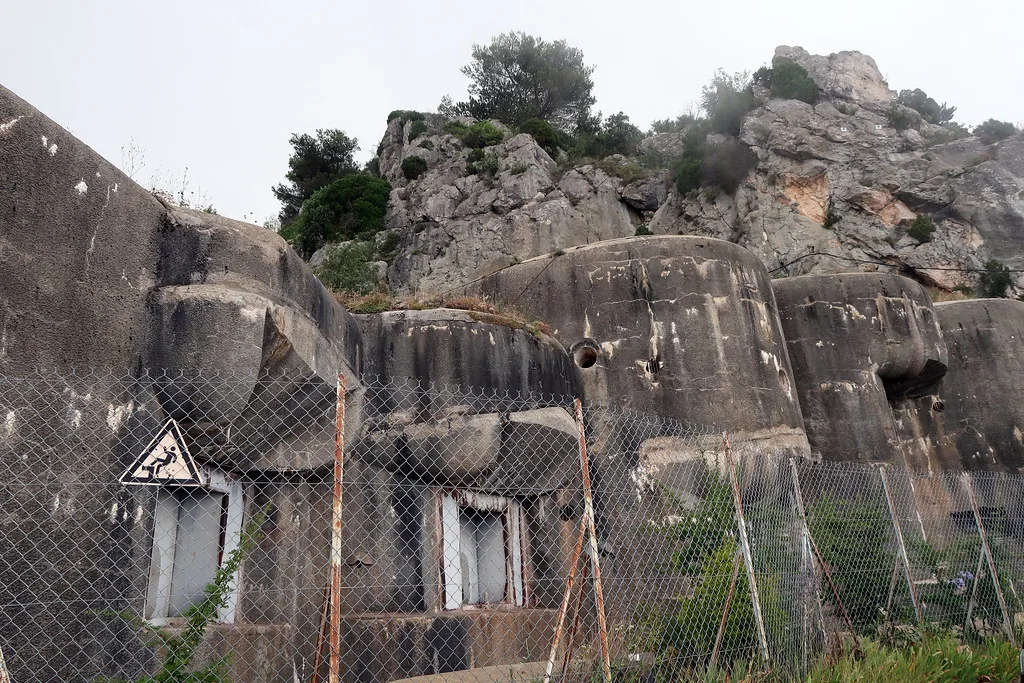
Use your own priorities to narrow the choice.
- Families: pick a site reached by road, with a short walk from parking, and avoid long trail approaches.
- History enthusiasts: favour sites run by a fort association that offers guided visits.
- Hikers: choose works reached on foot and treat the approach as part of the day.
- Short-stop road trippers: combine one roadside site with a valley town rather than chasing several works.
- Winter travellers: expect most mountain sites to be inaccessible and consider a northeastern ouvrage instead.
Planning Your Visit: Season, Access and Time
Snow and altitude decide the calendar. Mountain roads and passes can close well into spring and shut again early in autumn, so ask the local tourism office for current dates before you drive.
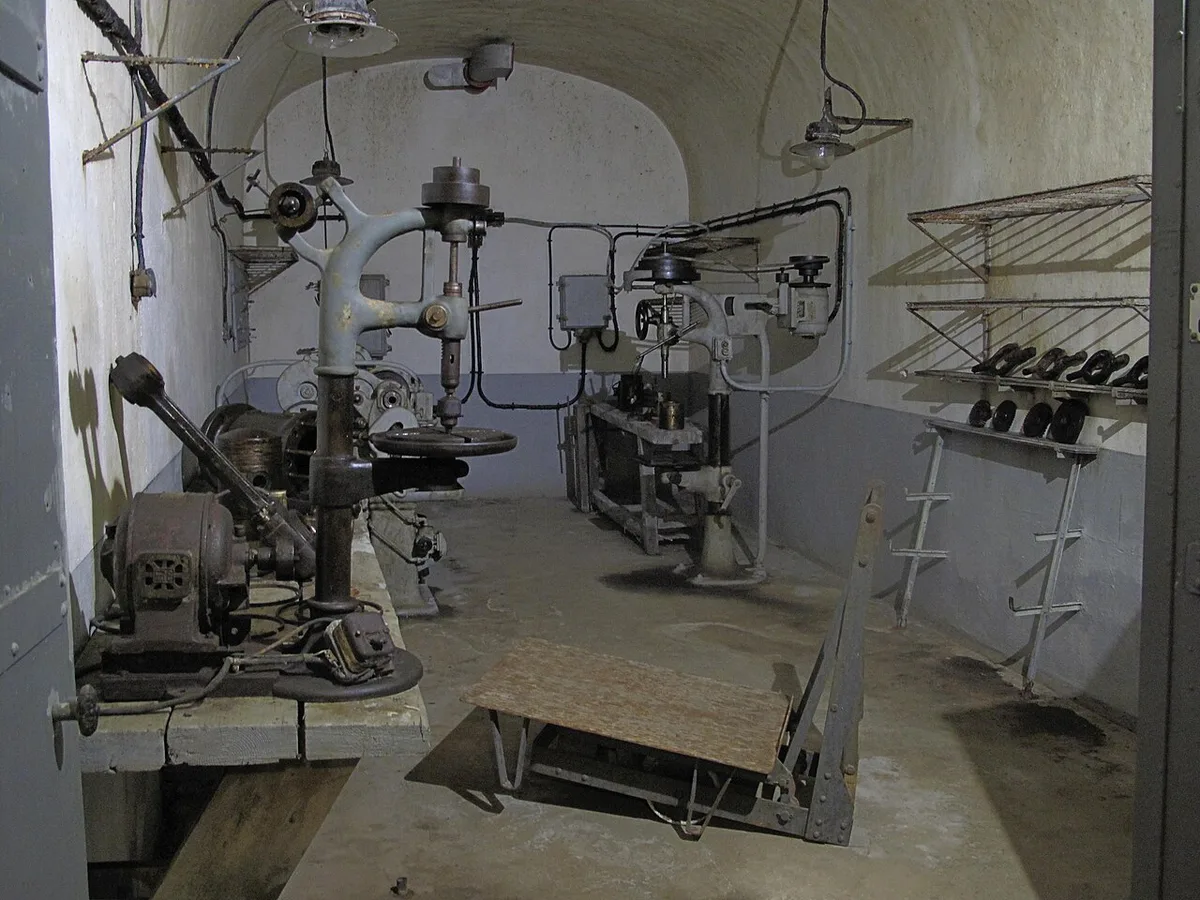
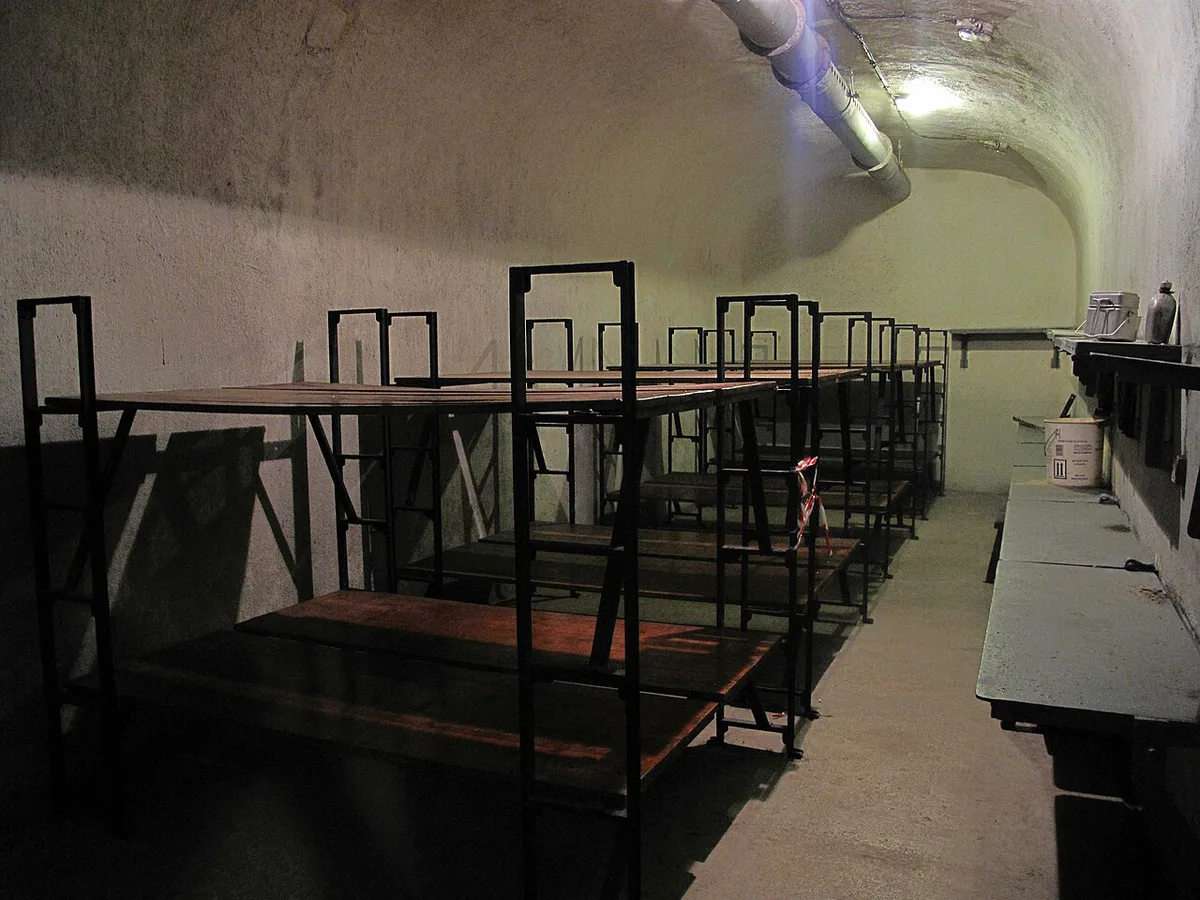
Allow a half day for any site with a trail approach, and do not stack several in one day. Bring layers, sturdy shoes and a torch for dark galleries. Mobile signal and GPS can fail in deep valleys, so download offline maps. The Maginot Line Map: Where to Visit the Forts helps you see where the Alpine sector sits against the northeastern works.
Costs, Tickets and Booking
Alpine sites are usually run by local associations or municipalities, so pricing and booking rules differ from site to site. Some visits are guided only and may need advance booking, particularly outside high summer. Official prices for 2026 are published on each operator's own page or by the local tourism office, and we do not quote figures we cannot source. For museums that cover the whole Maginot Line, see our Maginot Line museums guide.
Mistakes to Avoid
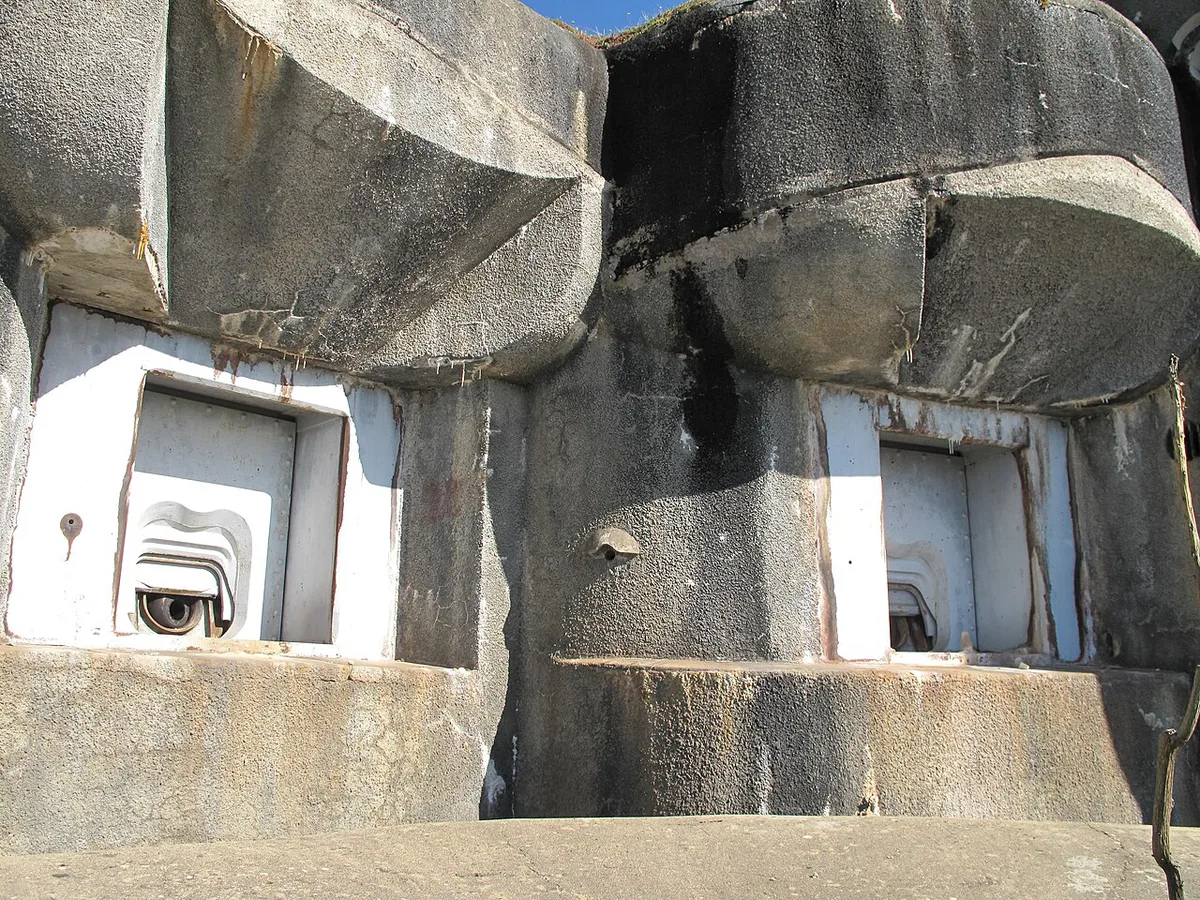
A few errors cause most wasted trips.
- Assuming a fort is open all year; mountain sites often are not.
- Confusing the Alpine Line with the Alsace and Lorraine ouvrages.
- Relying on GPS in mountain valleys without an offline map.
- Entering unmanaged ruins; unlit galleries, drops and loose rock are real hazards.
- Mixing up the Alpine Line with the Swiss Réduit or Italy's Vallo Alpino.
If You Want the Big Underground Forts Instead
Visitors who want long underground tours are better served in the northeast. Ouvrage du Hackenberg: Visitor Guide to a Maginot Fort is the largest of the group, and its official site lists visit details. Ouvrage Schoenenbourg: Visit Guide, Hours, Tickets & Access in Alsace is a more compact alternative. Fort de Simserhof: Maginot Line Visit Guide adds a museum setting. Fort Casso (Rohrbach-lès-Bitche): Visitor Guide is another northeastern example, and it is not an Alpine site.
Keep planning
Guides on the same trip