
Ouvrage du Hackenberg: Visitor Guide to a Maginot Fort
Ouvrage Hackenberg at Veckring, Moselle: what the underground visit involves, how to plan it, a short history to 1944, and how it compares with Schoenenbourg.
In this guide
Last updated November 2026. The ouvrage Hackenberg is a gros ouvrage (large fortress) of the Maginot Line at Veckring in Moselle, and the AMIFORT association runs it as a visitor site. This guide covers what you see underground, how to plan the trip, and where it sits among the northeastern forts. Planning details are in the second section, and a short history follows.
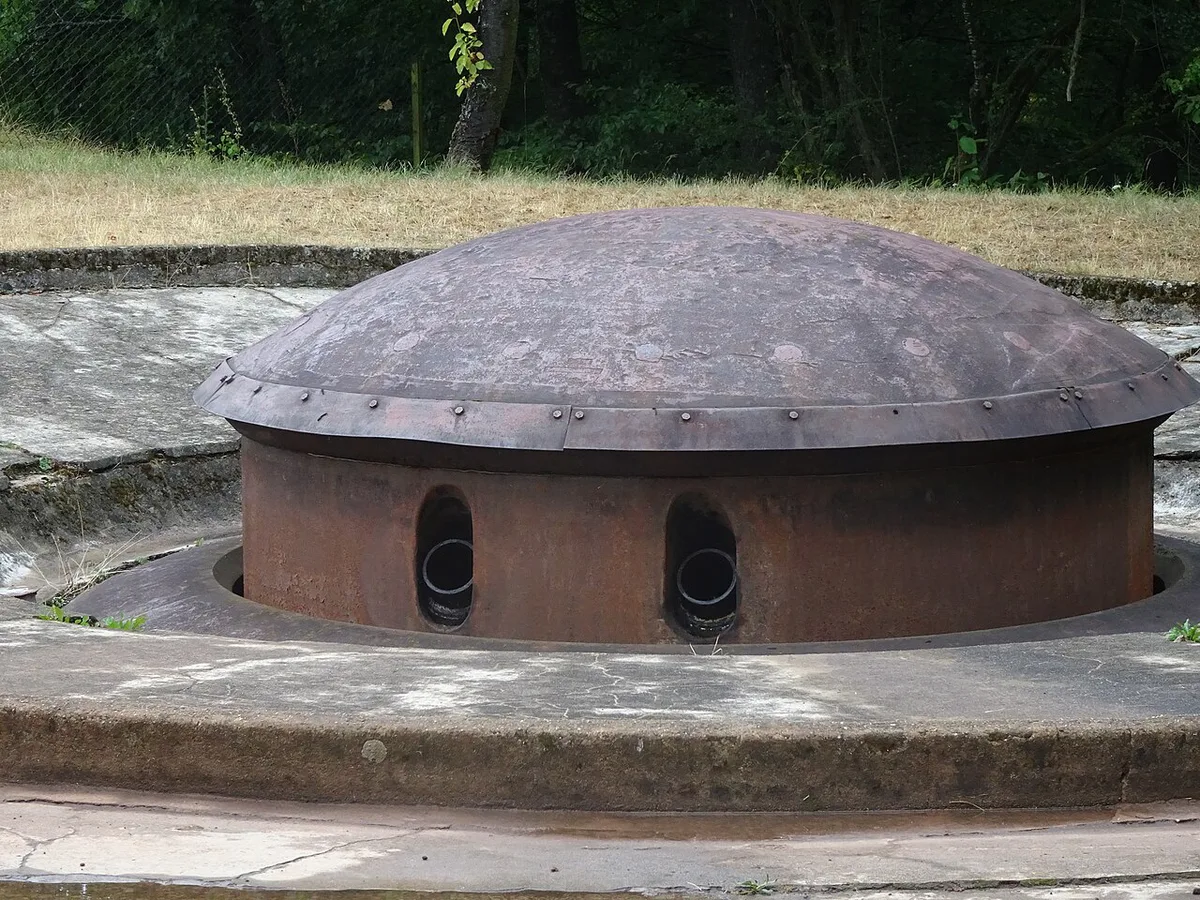
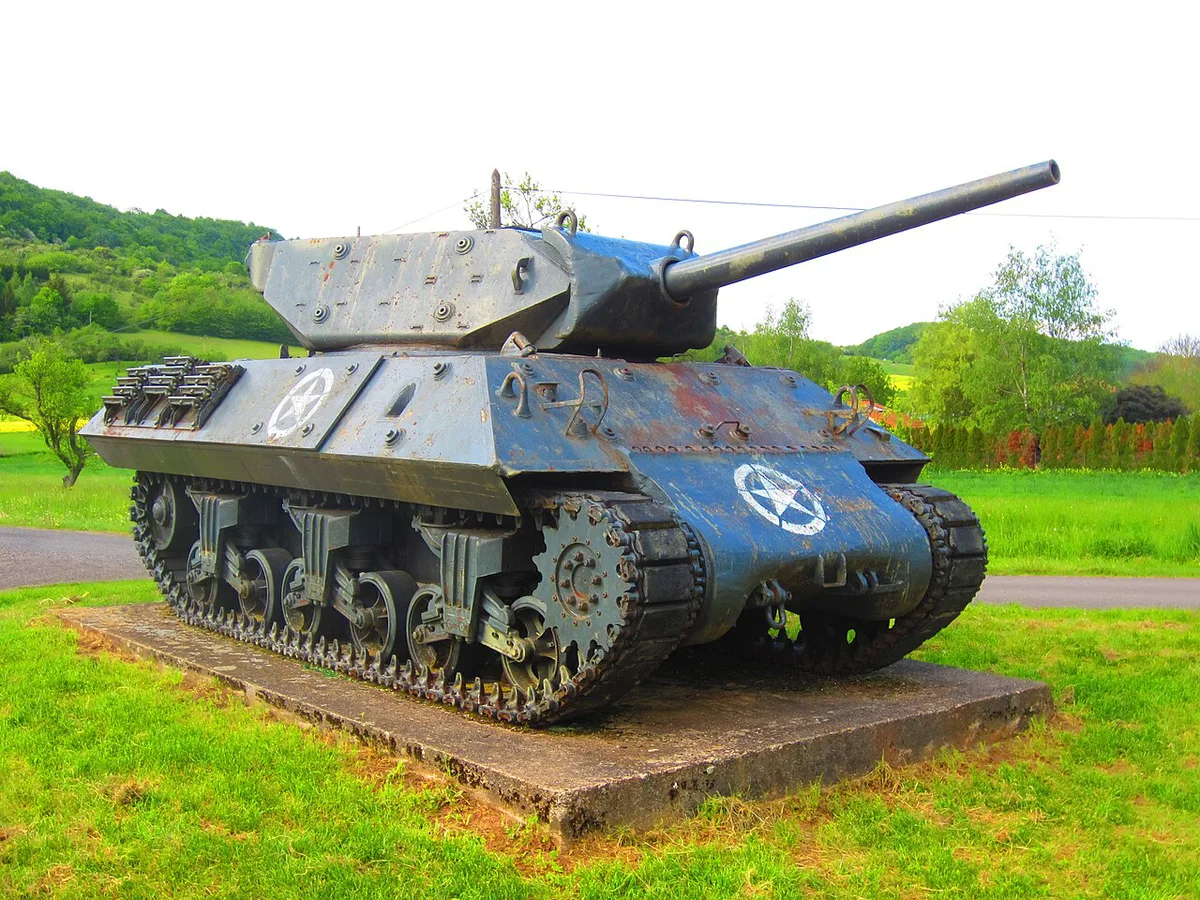
Featured image: Morten Jensen from Randers, Denmark, CC BY 2.0, via Wikimedia Commons.
What the Hackenberg is, and whether it is worth the trip
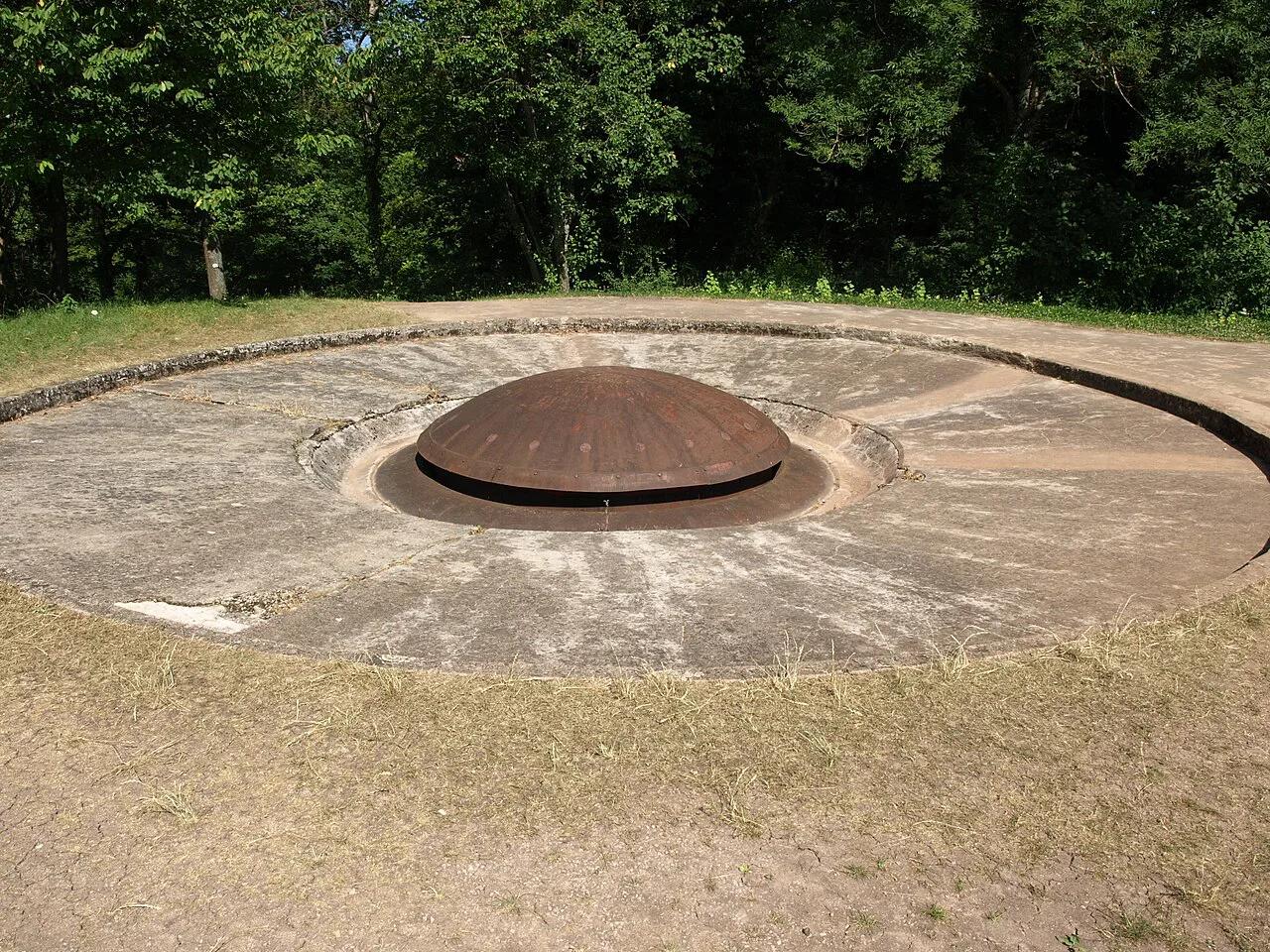
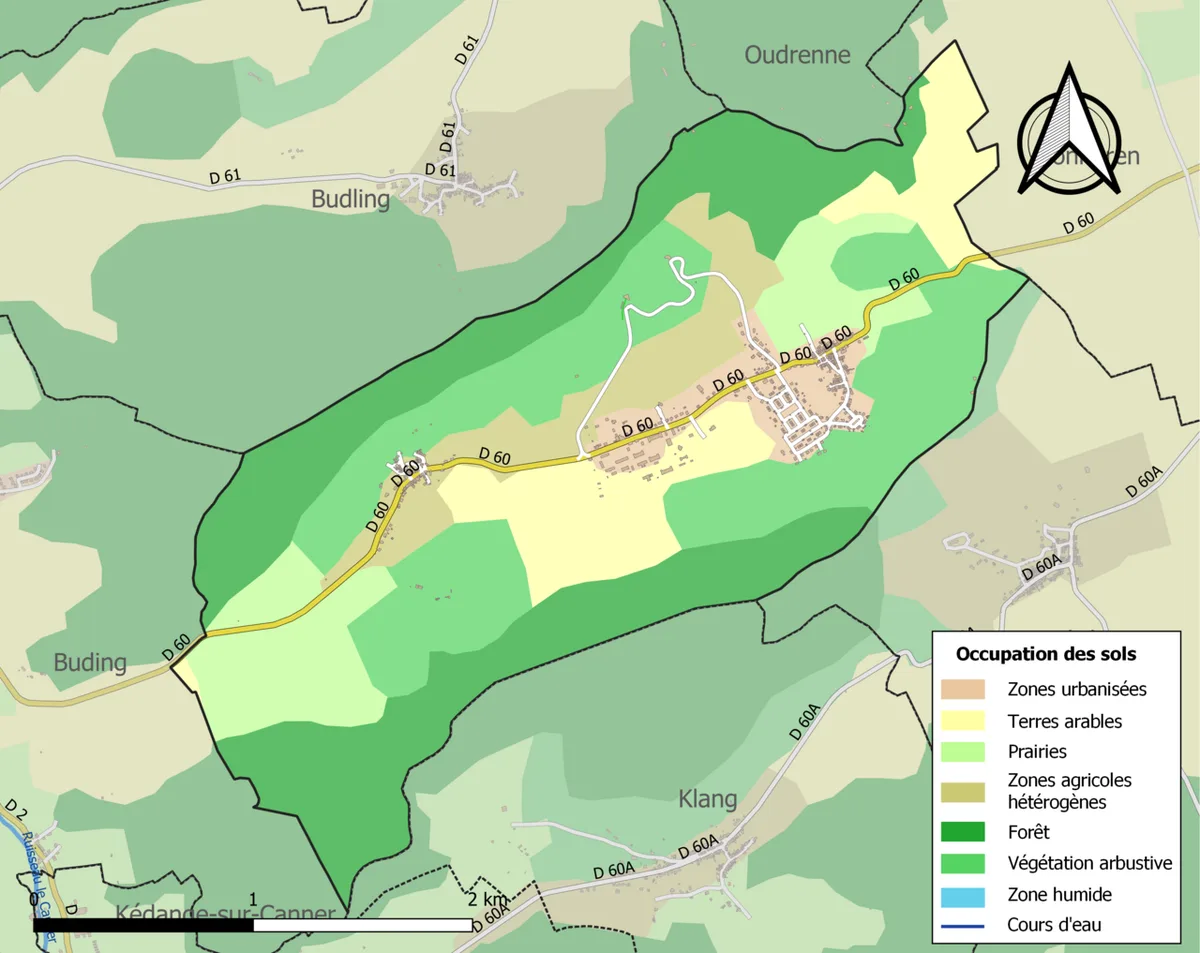
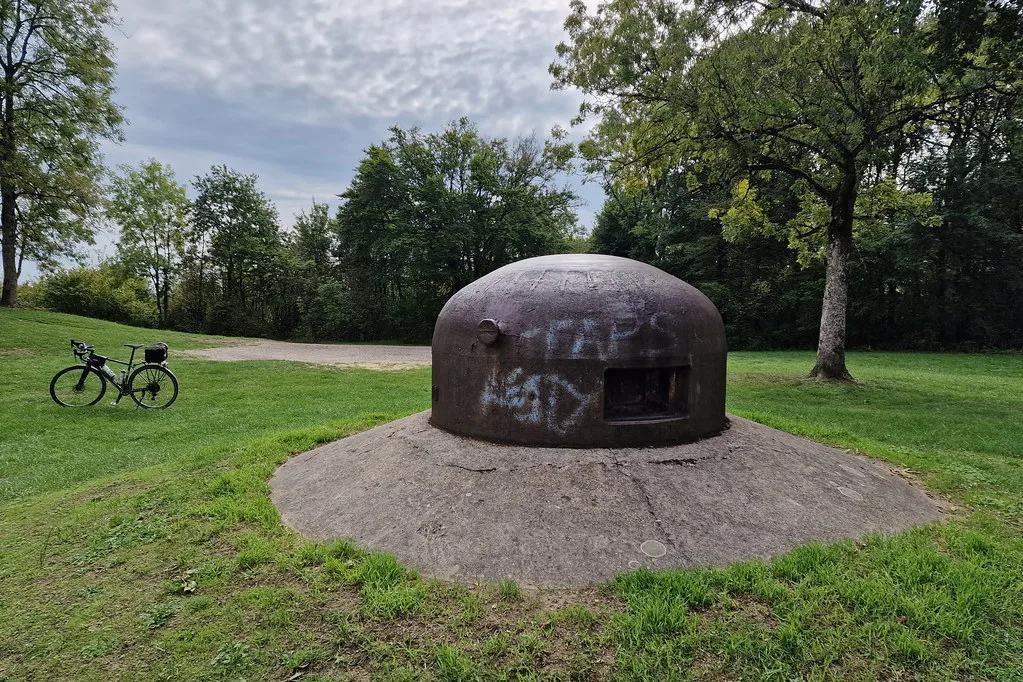
Hackenberg is one of the major works of the 4 Best Maginot Line Forts to Visit and How to Plan. It sits near Veckring, a rural commune in Moselle, in the Thionville sector. Engineers built it between 1929 and 1935 as a gros ouvrage, a fort with several combat blocs linked by underground galleries.
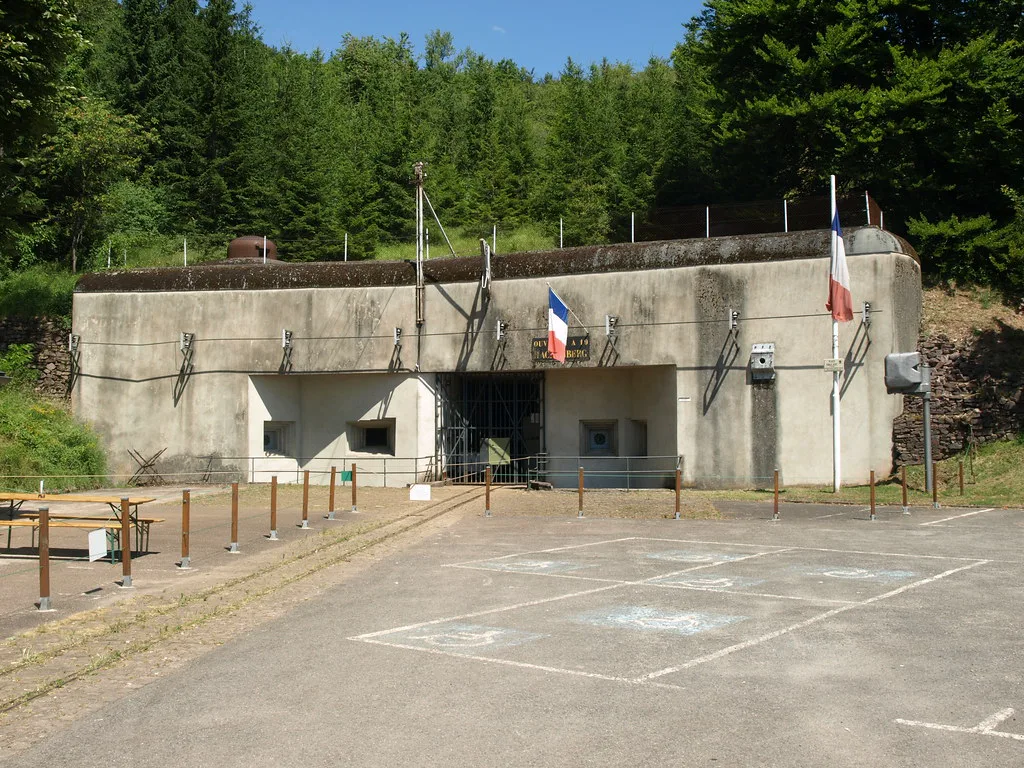
It suits visitors who want to walk through a working underground fortress and not just look at a concrete bunker from outside. It is less suited to anyone who dislikes cold, stairs or enclosed spaces. Allow a half day for the visit alone.
- Location: Veckring, Moselle, France
- Type: gros ouvrage of the Maginot Line, built 1929 to 1935
- Run by: the AMIFORT association
- Visit style: underground tour through galleries and blocs
- Best for: history readers, fortification enthusiasts and families with older children
Tickets, Tour Times and What to Wear Underground
Opening days, ticket prices, tour length and tour languages change by season. The official Hackenberg site publishes the current schedule, so read it before you set a date. Prices and hours are not quoted here because they are updated on that site each season.
Set aside a half day for the visit, and remember the galleries run about 10 km underground.
Expect a guided visit underground in cool, damp air. Wear closed shoes with grip and bring a warm layer, even in summer. Uneven floors and stairs make the route hard for visitors with limited mobility, so ask the site about access before you travel.
- Mistake to avoid: turning up without checking tour times
- Mistake to avoid: wearing sandals or light clothing for the galleries
- Mistake to avoid: underestimating the drive from the nearest town
Getting there and getting around
Veckring is rural, and a car is the practical way to reach the fort. Thionville and Metz work as bases for accommodation, restaurants and train connections. Check driving times on a map before you commit to a day plan. Our Maginot Line Map: Where to Visit the Forts shows where Hackenberg sits relative to the other forts.
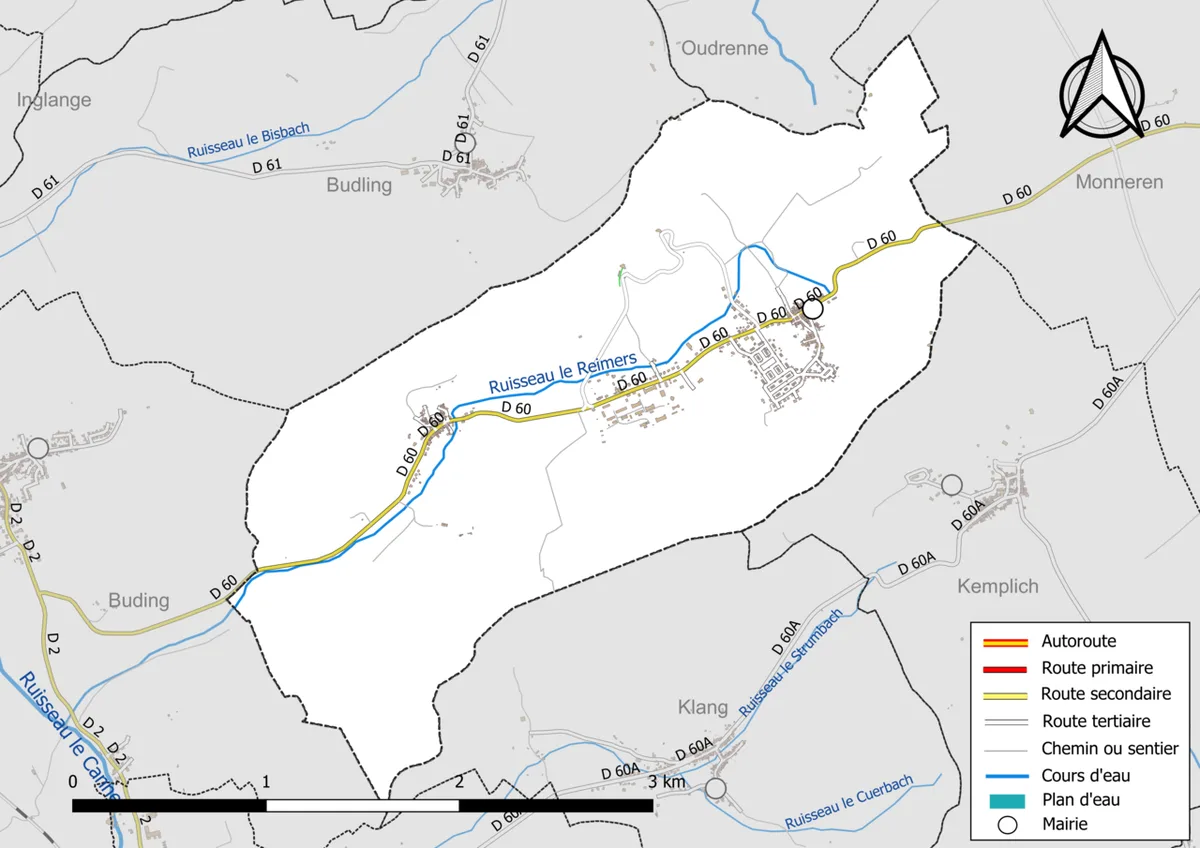
For regional lodging and local events, the Moselle tourism site is a useful starting point. Public transport to the gate is not something to count on, so confirm any bus option before relying on it.
What you will see underground
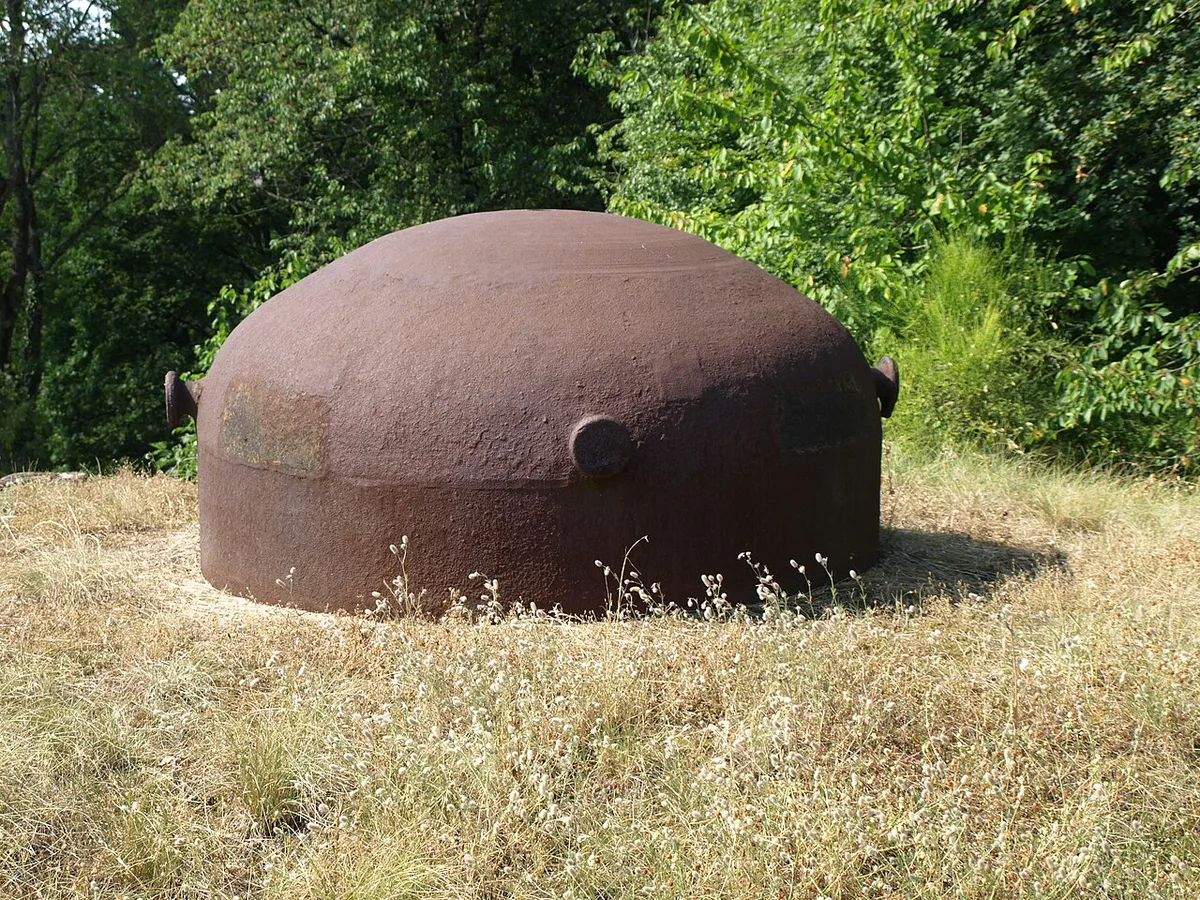
Hackenberg has 19 blocs on the surface, tied together by about 10 km of galleries, according to published accounts of the fort. Those galleries carried troops, supplies and munitions beneath the ground. Narrow-gauge rails ran through them for moving ammunition.
Inside, the fort held the facilities a garrison needed to live and fight. These included barracks, a kitchen, a first-aid post, command posts, a telephone exchange, ventilation and air filtering, and an underground power plant. Ask at the ticket desk whether the electric train is running on the day you visit.
Short history: construction to 1944
French forces designed Hackenberg to stop an invasion across the northeastern border. For wider strategy, see how the line compares in Maginot versus Siegfried defenses. In June 1940 German forces went around the line through Belgium, so Hackenberg was not taken in that campaign.
The fort did see fighting in November 1944. German troops used parts of it against the US 90th Infantry Division, and Bloc 8 is the bloc usually named in accounts. American forces held the fort by 19 November 1944. Under German occupation, forced laborers also worked in an underground factory there. From the 1970s the AMIFORT association has restored it.
| Date | Event |
|---|---|
| 1929 to 1935 | Construction of the gros ouvrage |
| June 1940 | Line bypassed; Hackenberg not taken |
| 15 to 19 November 1944 | Fighting with US 90th Infantry Division; fort in American hands by 19 November |
| 1970s onward | AMIFORT restores the site for visitors |
Hackenberg vs Schoenenbourg vs Simserhof
Hackenberg is not the only fort you can enter. Schoenenbourg lies in Alsace, and its details are on the Schoenenbourg site. Fort de Simserhof: Maginot Line Visit Guide is another large Moselle work with its own visitor operation. Fort Casso (Rohrbach-lès-Bitche): Visitor Guide is a different kind of site, so read its page before choosing.
If you only have time for one, pick Hackenberg for the scale of its galleries and its 1944 story. Pick another fort if you want a shorter outing or an Alsace base.
| Fort | Area | Best for |
|---|---|---|
| Hackenberg | Veckring, Moselle | Long galleries, 1944 history |
| Schoenenbourg | Alsace | Alsace-based itineraries |
| Simserhof | Moselle | Second fort in a Moselle trip |
| Casso | See our Casso page | A contrast with the big gros ouvrages |
Make a day of it
Pair Hackenberg with a second site only if the first tour leaves you energy. Our guide to Maginot Line museums lists other sites you can enter. The southeastern defenses are a separate story, covered in the Alpine Maginot Line. Check each site's hours before you plan a double visit.
How to fit Hackenberg into a Maginot Line itinerary
Hackenberg works best as the main stop on a Moselle history day. The site has 19 surface blocs linked by about 10 km of underground galleries. That scale explains why it deserves more time than a quick bunker visit.
Allow a half day for Hackenberg alone, then decide on a second fort only after checking the day’s guided-tour times. Simserhof is another major Moselle work, while Schoenenbourg is better suited to an Alsace-based itinerary. Trying to force two substantial underground visits into one day can make both feel rushed.
Use Thionville or Metz as a base if you want accommodation, restaurants and rail connections outside the rural Veckring area. A car remains the practical way to reach Hackenberg. Check each museum’s opening dates before building a multi-site plan, especially outside the main visitor season.
For historical context, Hackenberg was built from 1929 to 1935 and later saw fighting from 15 to 19 November 1944. That combination of vast underground infrastructure and a clear wartime story is its strongest reason to be the day’s priority.
Keep planning
Guides on the same trip






