
Cherbourg WW2: The Port Story and How to Visit
Cherbourg WW2 guide: why the port mattered after D-Day, what to see now, and how to pair it with Utah Beach and Sainte-Mère-Église.
In this guide
Last updated November 2026. Cherbourg was the deep-water port the Allies needed after the 1944 landings, and today it offers a logistics-focused chapter of the Normandy story that complements the beaches. It suits readers who want the supply and port campaign, and it pairs well with the Utah Beach landing area a short drive south-east. Treat it as a half-day stop or an arrival and departure bookend, not a stand-alone trip.
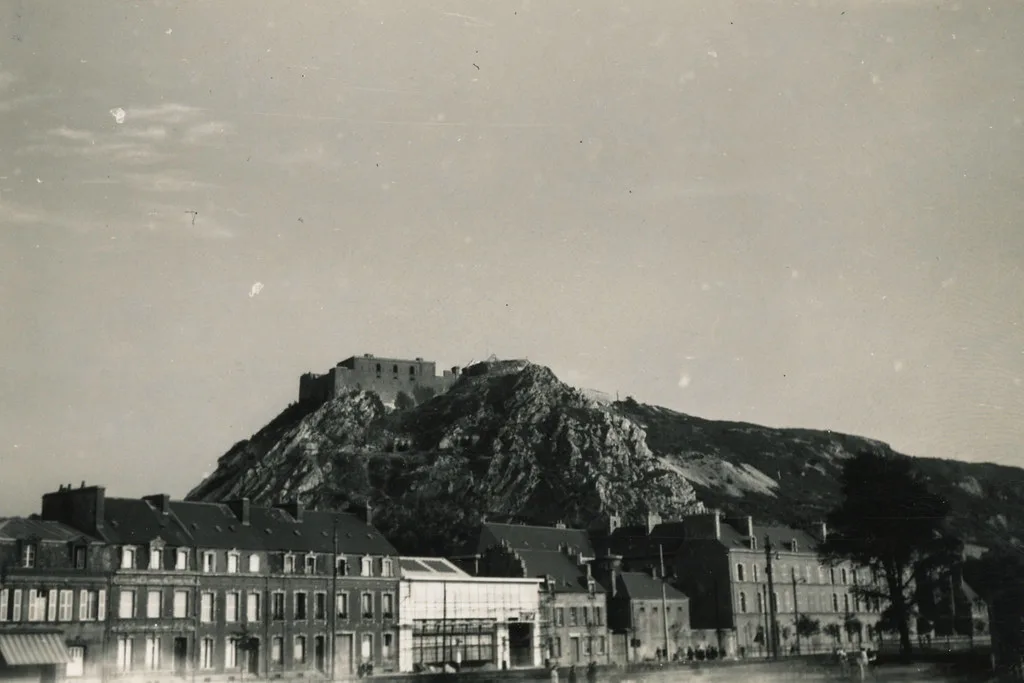
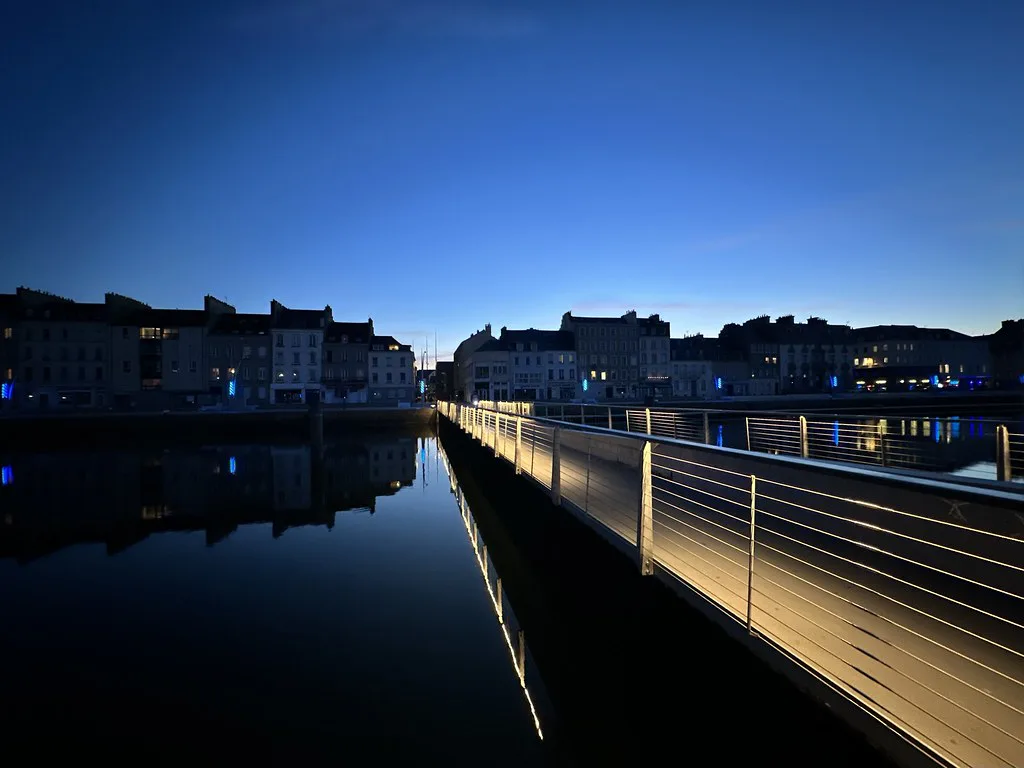
Featured image: Ian E. Abbott, Public Domain Mark 1.0, via Flickr.
Cherbourg WW2 history: why the port mattered
The landings put troops ashore, but armies need a steady flow of fuel, ammunition and vehicles. Open beaches could not carry that load for long. Cherbourg, at the tip of the Cotentin peninsula, had the deep-water harbour the Allies wanted as a supply gateway.
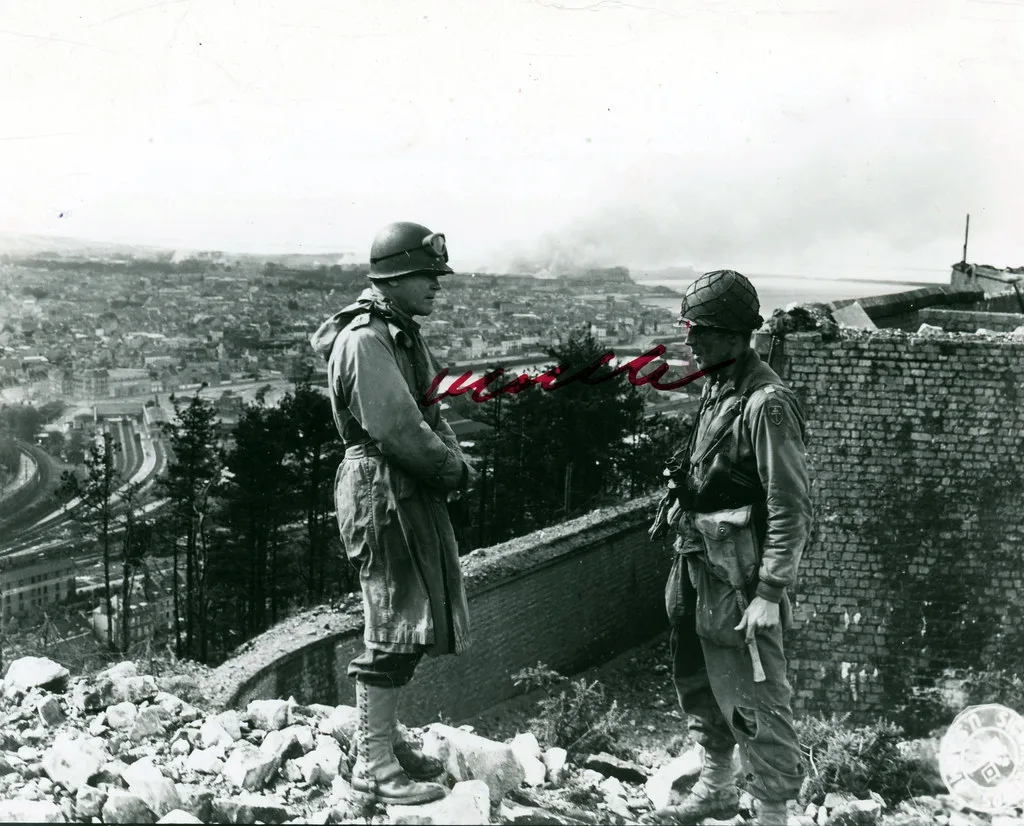
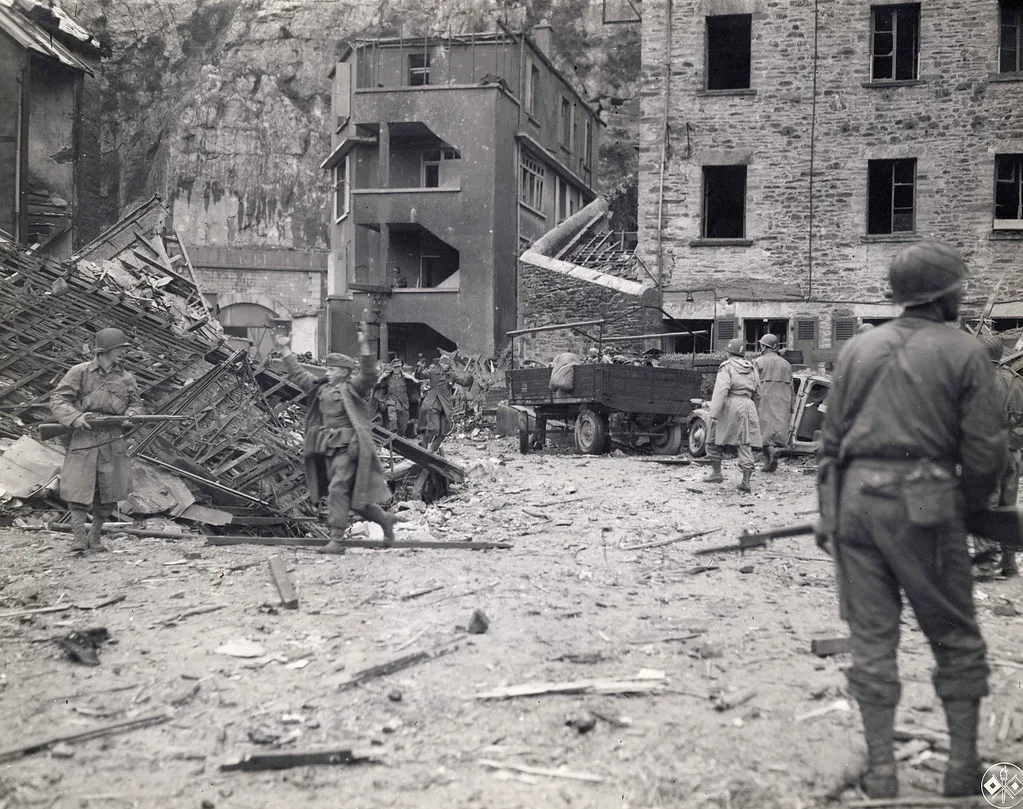
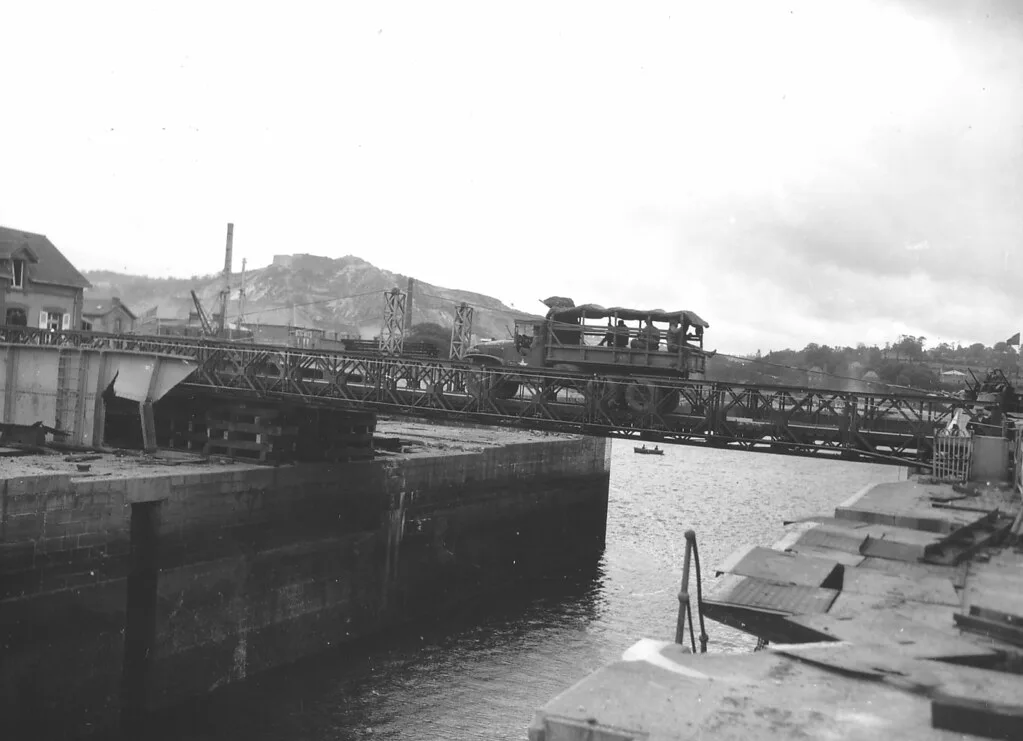
American forces fought north up the peninsula after the landings and took Cherbourg in late June 1944. German defenders demolished much of the harbour before surrendering. Allied engineers then spent weeks clearing and rebuilding it before it could handle large volumes of supplies.
That sequence explains why this city belongs in a Normandy itinerary. The beaches show how the campaign began, while Cherbourg shows what it took to keep the armies fed and moving. For wider campaign context, Normandy Tourism maintains regional memorial and visit pages.
What to see in and around Cherbourg
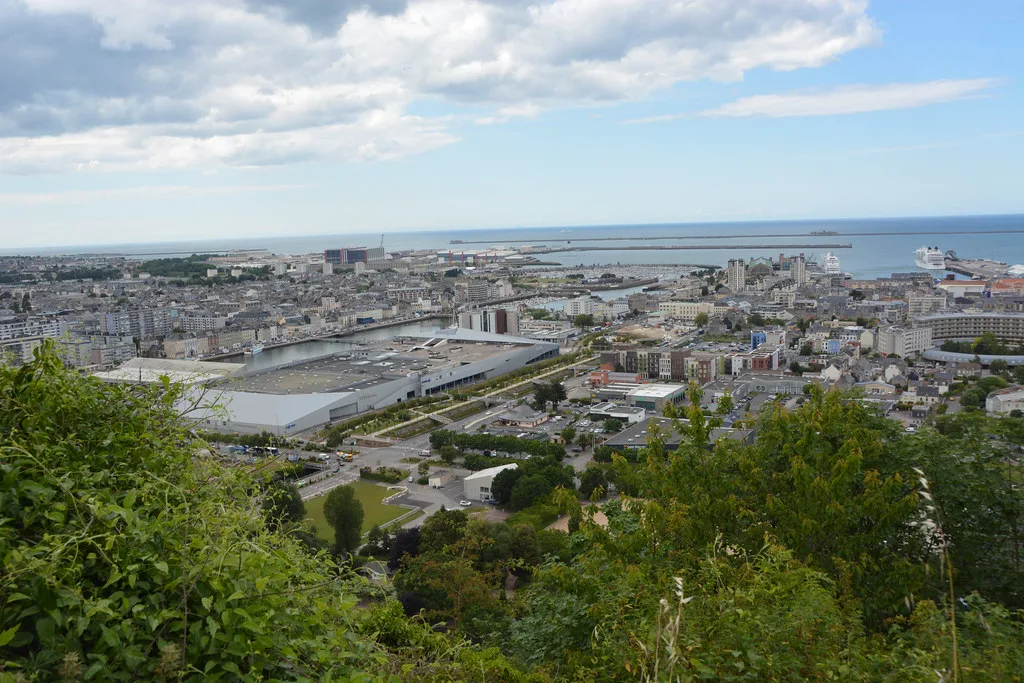
Cherbourg's strength is the port story, so start with the harbour itself and the city's museums. The Cherbourg Cotentin tourism office lists current museums, fortifications and memorial sites, along with opening patterns. Use that list rather than relying on older guidebooks, because exhibits and schedules change.
The coastal defences north of the city's hinterland belong to the same campaign. The Crisbecq Battery: Visiting Guide and Nearby Stops show the German coastal artillery that shaped the fighting up the Cotentin. They work well as a bridge between the port story and the beach sites.
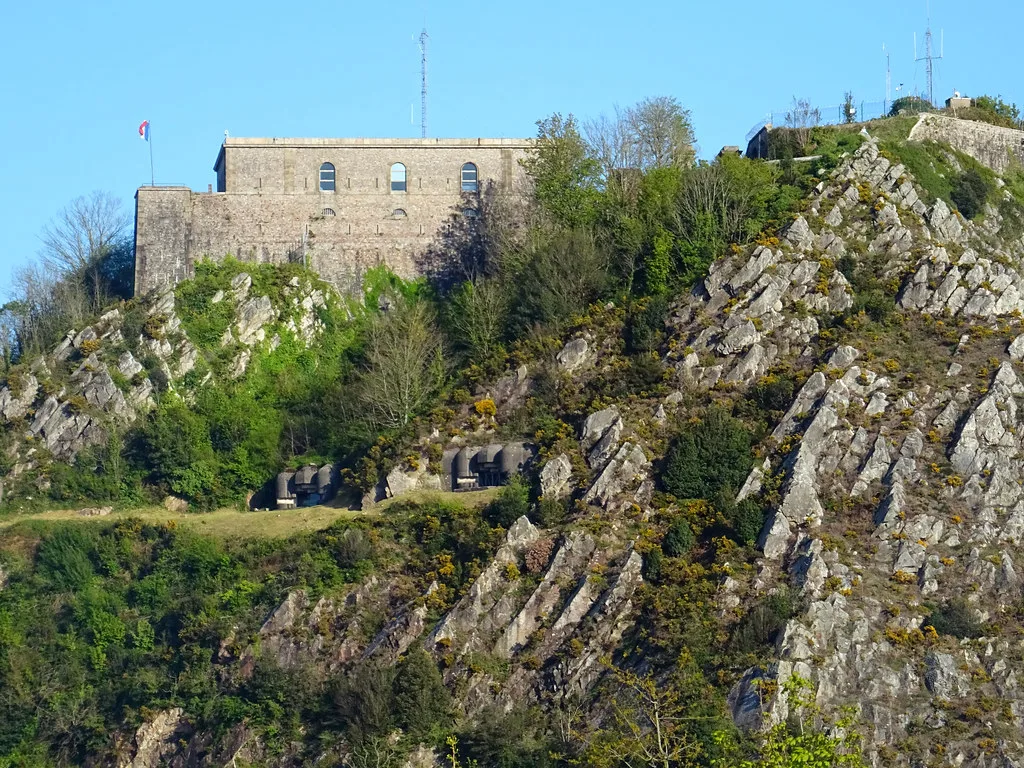
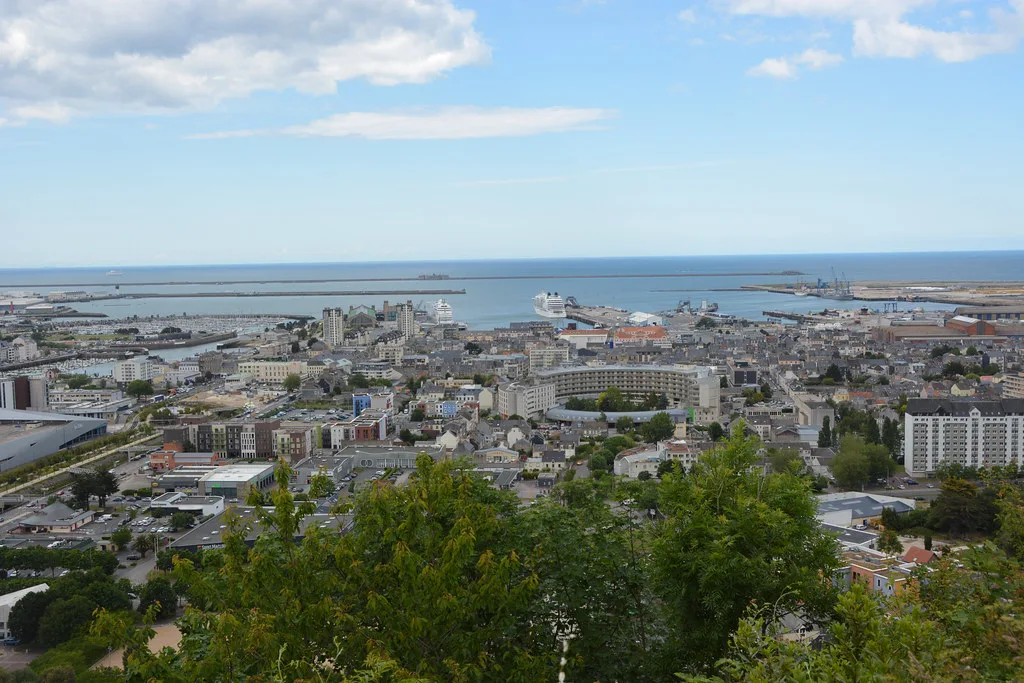
- Harbour and waterfront: the setting for the port campaign and its rebuilding.
- City museums and fortifications: confirm current WWII content on the tourism office site.
- Coastal batteries to the south-east: a short drive for the artillery story.
Is Cherbourg worth it for WWII?
Cherbourg is worth your time if the logistics of the campaign interest you as much as the fighting. It is less compelling if you want landing-beach scenery or airborne drop zones alone. Time, transport and your ferry or rail plans usually settle the question.
| Your situation | Verdict |
|---|---|
| Interested in the port campaign and supply story | Worth a half day |
| Mainly want beaches and airborne sites | Skip or treat as a bookend |
| Arriving or leaving by ferry or rail | Add Cherbourg at the start or end |
| No car | Stay in Cherbourg and focus on city sites |
| Very short on time | Go straight to Utah Beach and Sainte-Mère-Église |
Getting there and around
Cherbourg has a ferry port and a rail station, so it works as an entry point to the Cotentin. Check the ferry operator and SNCF for current timetables, because services change by season.
A car gives you the most freedom. The beach, museum and village sites sit spread across the peninsula, and public transport to them is limited. Without a car, plan on staying within Cherbourg or booking a local tour, and confirm availability with the tourism office. Distances to each site are short to moderate by road, so look up the exact drive times before you set a schedule.
Combining Cherbourg with Utah Beach and the airborne sites
Sequence depends on where you arrive. Starting in Cherbourg gives you the port story first, then the landing story. Reversing the order lets you end the day at the harbour that the landings made possible.
Pair the beach with the Utah Beach Museum (Musée du Débarquement): Visitor Guide, which covers the landing from the American side. Add Sainte-Mère-Église for the airborne story. The Airborne Museum publishes its own visitor information, and the museum guide gives more detail.
| Plan | What it covers | Best for |
|---|---|---|
| Half day | Cherbourg harbour and one museum | Ferry or rail travellers with spare hours |
| Full day | Cherbourg, then Utah Beach and its museum | Drivers wanting the port and landing stories |
| Overnight | Cherbourg, beach, then Sainte-Mère-Église next morning | Readers who want the airborne sites too |
Where to base yourself and what to skip
Cherbourg suits ferry and rail arrivals and has the most services. Sainte-Mère-Église puts you beside the airborne sites, and Carentan sits near the Dead Man's Corner museum. Pick the base closest to the sites you value most.
If time is short, drop the smaller sites first. Readers who want specific small-unit actions can add Brécourt Manor or La Fière Bridge later. Keep the harbour and the main beach museum if the port story is your reason for coming.
Practical tips: timing, booking and etiquette
Museum hours and seasonal patterns vary, so check each official site before you plan the day. The Utah Beach Landing Museum publishes its own visiting details. Book ahead for peak summer and anniversary periods, and allow extra time for parking and luggage if you arrive by ferry.
Weather and tides affect the beaches and coastal batteries more than the city sites. Wind and rain make a coastal stop less pleasant, so keep the museums as a fallback.
This is a memorial landscape. Keep voices low at memorials, follow each site's posted rules, and do not remove or handle artefacts. For cemetery visitor information, see the American Battle Monuments Commission.
Keep planning
Guides on the same trip





