Jarama Battlefield: Visiting Guide From Madrid
What to see at the Jarama battlefield near Madrid: memorials, trenches, the Morata cemetery, how to get there and who should skip it.
In this guide
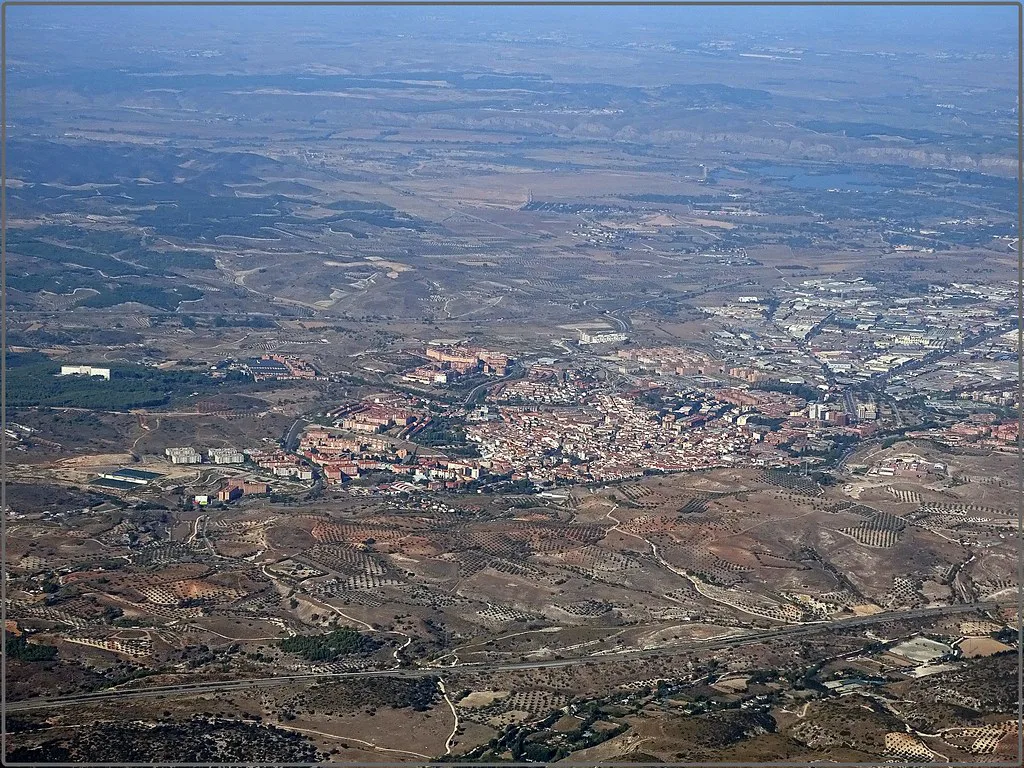
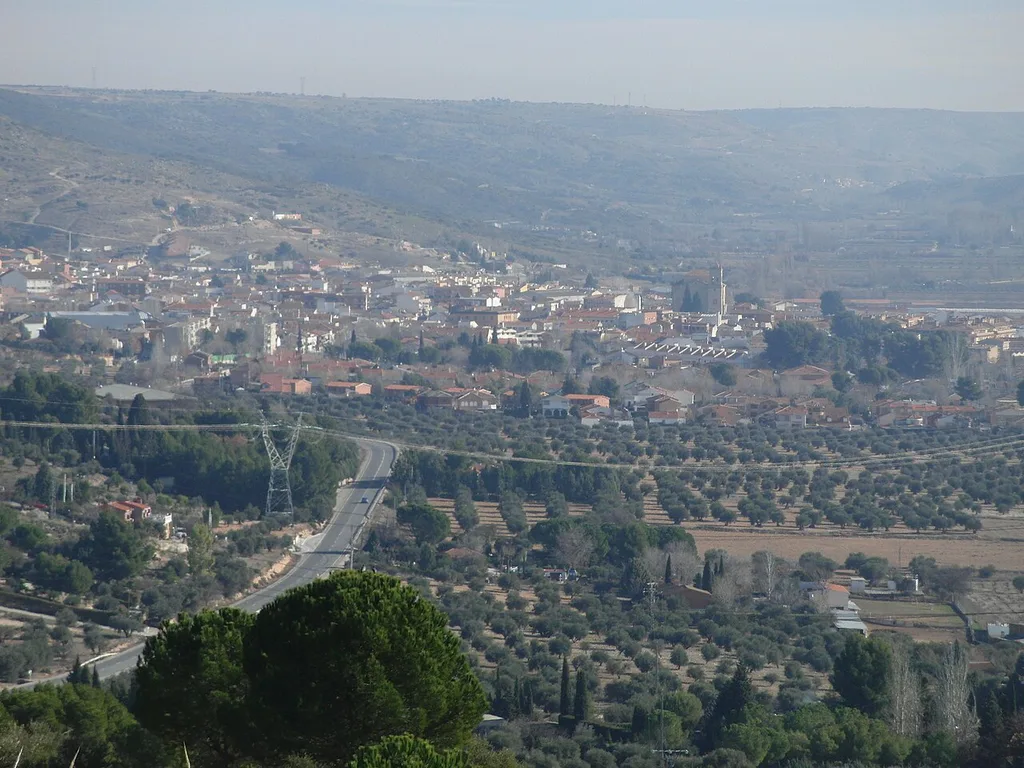
Last updated November 2026: the Jarama battlefield lies in the valley east of Madrid, around Arganda del Rey, Rivas-Vaciamadrid and San Martín de la Vega, where fighting took place in February 1937. Expect open countryside, memorials and trench remnants, not a staffed museum. It works as a half-day outing and sits within our wider route through Spain's Civil War sites.
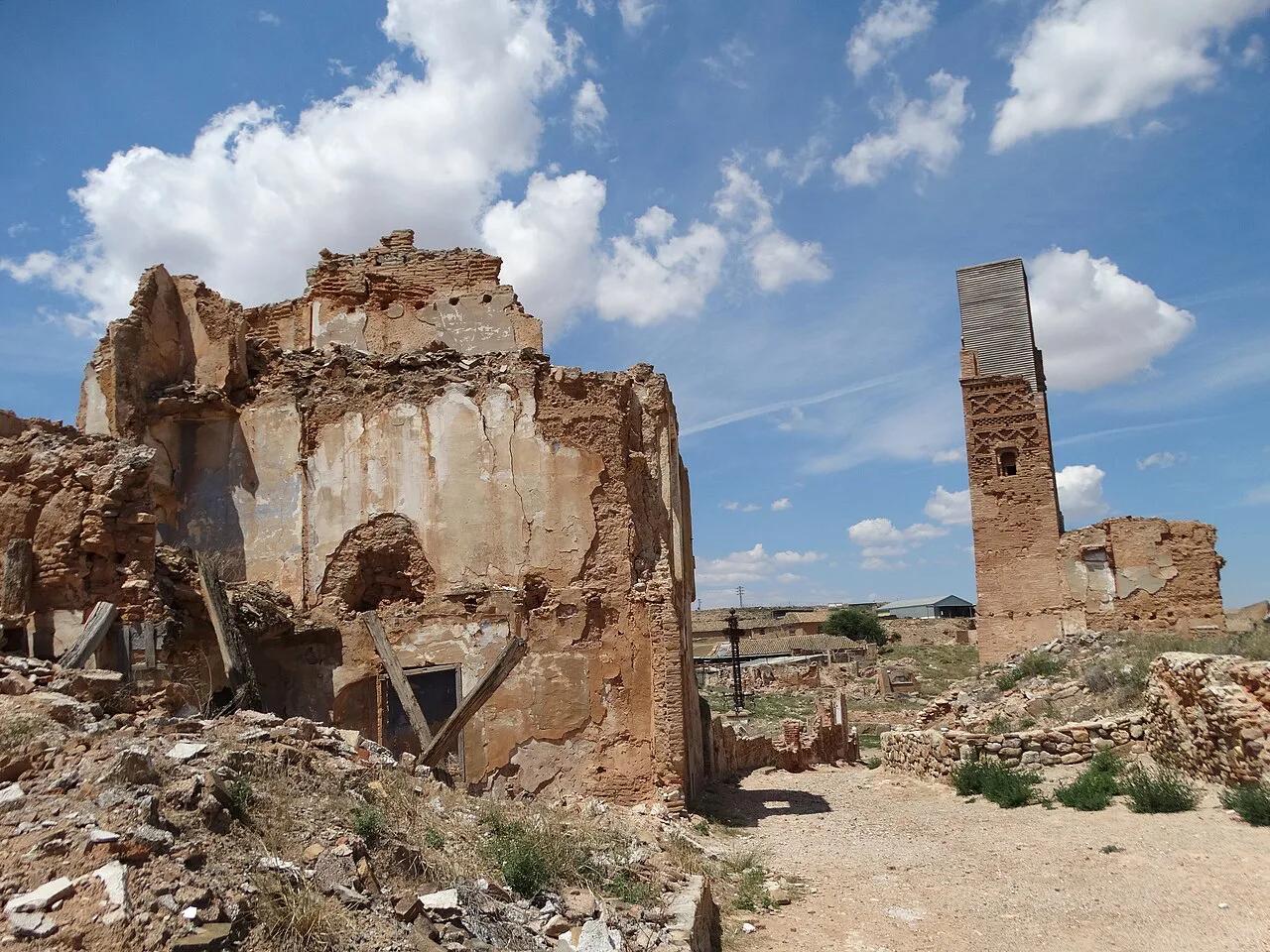
Featured image: jacilluch, CC BY-SA 2.0, via Flickr.
What Happened at Jarama in February 1937
Fighting ran from 5 to 25 February 1937. Its aim was to cut Madrid off from the Republican zone by severing the València road. From 12 February a Republican counteroffensive halted the advance and kept supplies reaching the city. Encyclopedic sources describe an attritional battle with a large number of casualties. International Brigade volunteers fought here, including more than 3,000 French-language volunteers, alongside British and Irish units, according to memorial-march organisers.
What You Can See at the Jarama Battlefield Today
Most of what survives is memorial landscape. Each stop below is small, so treat the day as a sequence of short visits rather than one large site.
Raised on 12 February 2003, the Kit Conway cairn shares its calendar date with the 1937 Republican counteroffensive that halted the advance.
- Kit Conway cairn: a stone cairn raised on 12 February 2003 near the Colina del Suicidio (Suicide Hill), in memory of Conway and comrades of the British battalion and XV International Brigade.
- Charlie Donnelly memorial in Rivas-Vaciamadrid: unveiled in 2010 and a short stop.
- Brigades monument at Morata de Tajuña: the large monument dates from 2006 and is the usual finish of the memorial march.
- Morata de Tajuña cemetery: a first memorial beside the common grave dates from 1989, and a large plaque on the rear wall dates from 1994.
- Trenches and gun loopholes (troneras) in olive groves: reported in 2013 as poorly preserved, so expect low earthworks rather than restored positions.
- Bunker at Los Cortados, Rivas-Vaciamadrid, near Cerro de las Coberteras: filmed and shared online, but there is no published visitor access.
- Museo de la Batalla del Jarama: reported to hold sculptures by Goyo Salcedo made from battlefield shrapnel (2012 and 2013). Opening status is unconfirmed, so do not plan around it.
How to Get There From Madrid
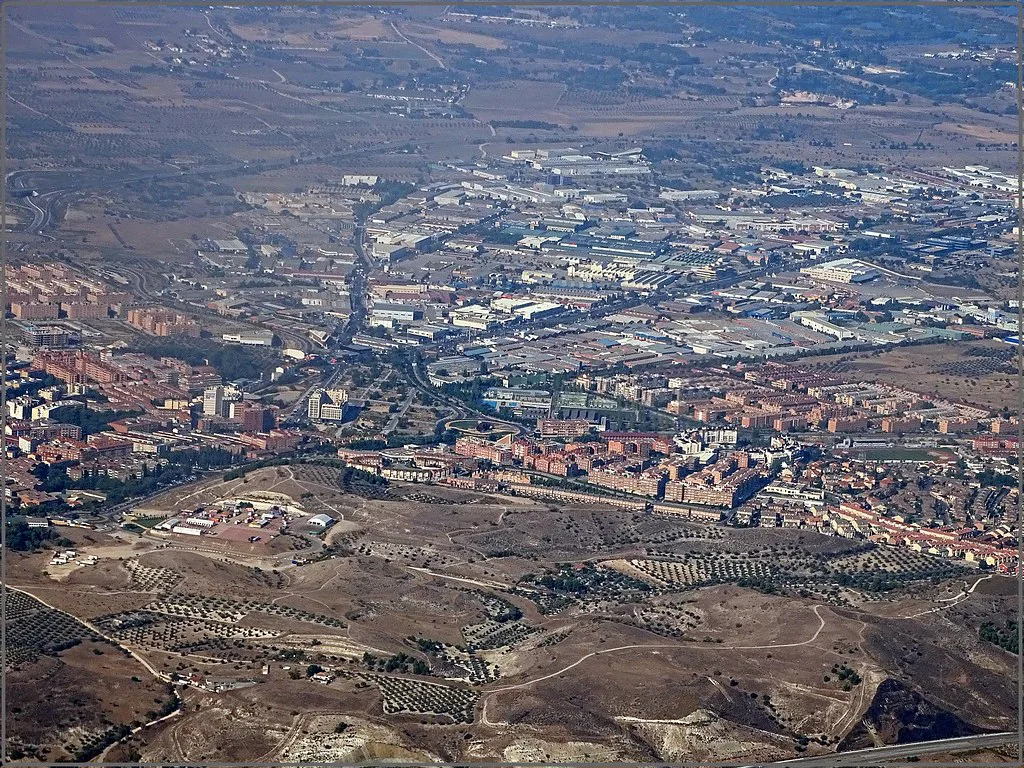
No published timetable links these sites, and they sit in separate municipalities, so a car or guided tour is the practical plan. Check the Consorcio Regional de Transportes de Madrid for bus and rail routes, and the Arganda del Rey town hall for local access.
A Half-Day Route Plan
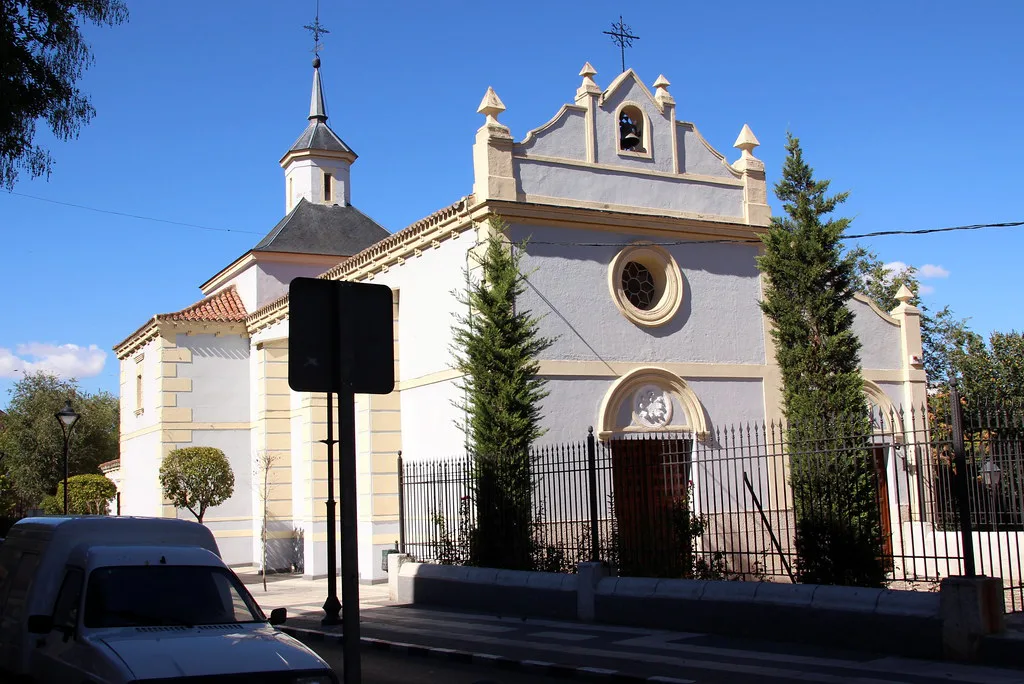
Start in the morning, since there is little shade between the stops. Allow a half day in total and treat per-stop times as your own estimate. This order follows the memorial march and keeps the quietest stop for last.
- Kit Conway cairn near Suicide Hill, for the first British memorial.
- Charlie Donnelly memorial in Rivas-Vaciamadrid.
- Brigades monument at Morata de Tajuña.
- Morata de Tajuña cemetery, for the common grave and the 1994 plaque.
- Optional: olive-grove trench remnants or the Los Cortados bunker, only where access is clearly open.
Is Jarama Worth It? Who Should Go and Who Should Skip
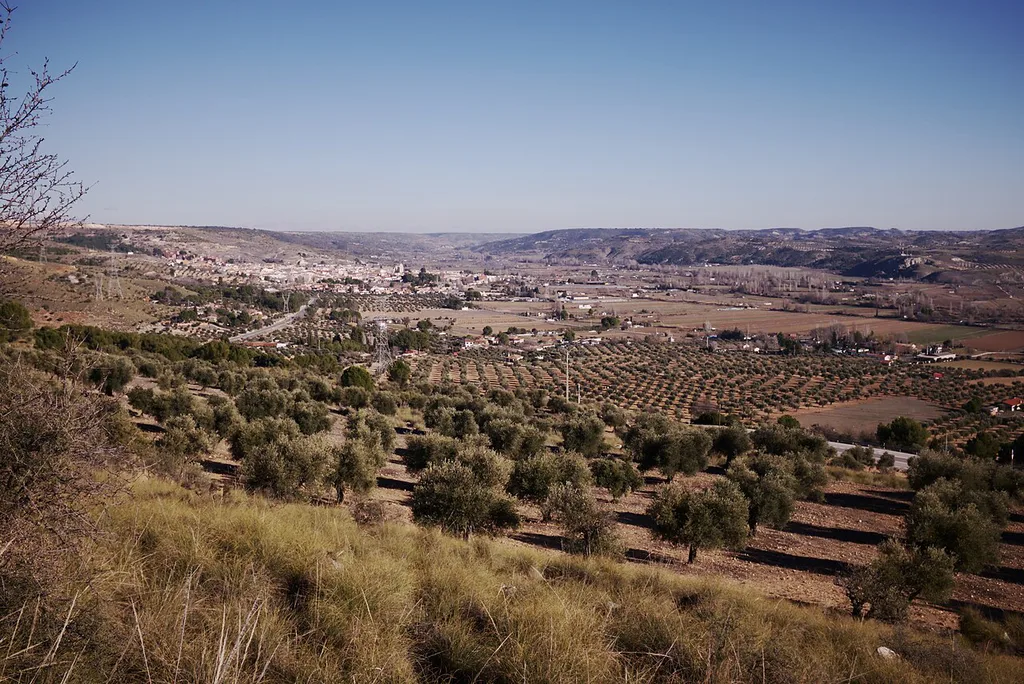
Go if you follow the International Brigades, have a family link to the war, or want to see where a 20-day battle was fought. Skip it if you expect interpretive signage or a short walk. The table compares three ways to do it.
| Option | Effort | Flexibility | Site access |
|---|---|---|---|
| Independent by car | Medium | High | Best, if you check access first |
| Guided tour | Low | Low | Good, with commentary in your language |
| Public transport only | High | Low | Limited, with sites too spread out |
- Skip it if you expect a staffed museum.
- Skip it if you have limited mobility, because trench ground is rough.
- Skip it if you have no car and no tour.
Costs, Access and Conditions
No entry fee or opening hours are published for the open-air memorials. Wear sturdy footwear, because trench ground in the olive groves is uneven and exposed. Some land may be private, so stay on public tracks. At Morata de Tajuña cemetery, keep voices low and treat the common grave as a place of mourning. Prices and hours checked November 2026.
The February Memorial March
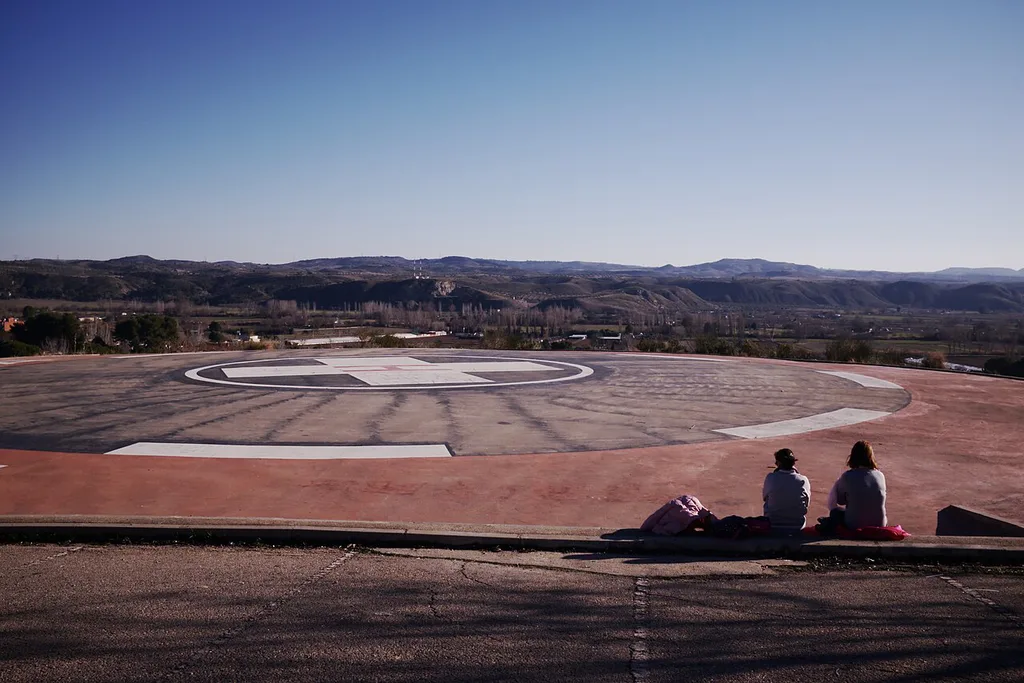
A memorial march has been held each February. The sixth, on 16 February 2013, followed the XIV International Brigade route and finished at the Brigades monument. That year organisers reported about 60 participants from Ireland, 50 from the United Kingdom and 17 from France. Dates and routes change, so ask the International Brigade Memorial Trust for the current year's details.
Combine Jarama With Other Spanish Civil War Sites
For a different Madrid day trip, compare Jarama with the Valley of the Fallen day trip. That site is a staffed monument, and our Valley of the Fallen guide covers its rules. You can also pair it with El Escorial and the Valley for a full day. Further afield, Belchite's ruined old town preserves a destroyed village. Our Ebro battlefield guide covers the 1938 campaign. For a city under siege, see Teruel's Civil War sites. For regional tourism information, see the Comunidad de Madrid.
Keep planning
Guides on the same trip