Battle of the Ebro Sites: Visiting the 1938 Battlefield
What the Battle of the Ebro was, and how to visit its battlefield in Catalonia: key sites, getting there, who it suits and what to skip.
In this guide
Last updated November 2026. The Battle of the Ebro ran from July to November 1938 in Catalonia and was the longest battle of the Spanish Civil War. Today you can trace it across the Terra Alta and Ribera d'Ebre countryside, where ruined villages, hills and river crossings still carry its story. This guide gives the short history first, then a practical route for visiting the battlefield.
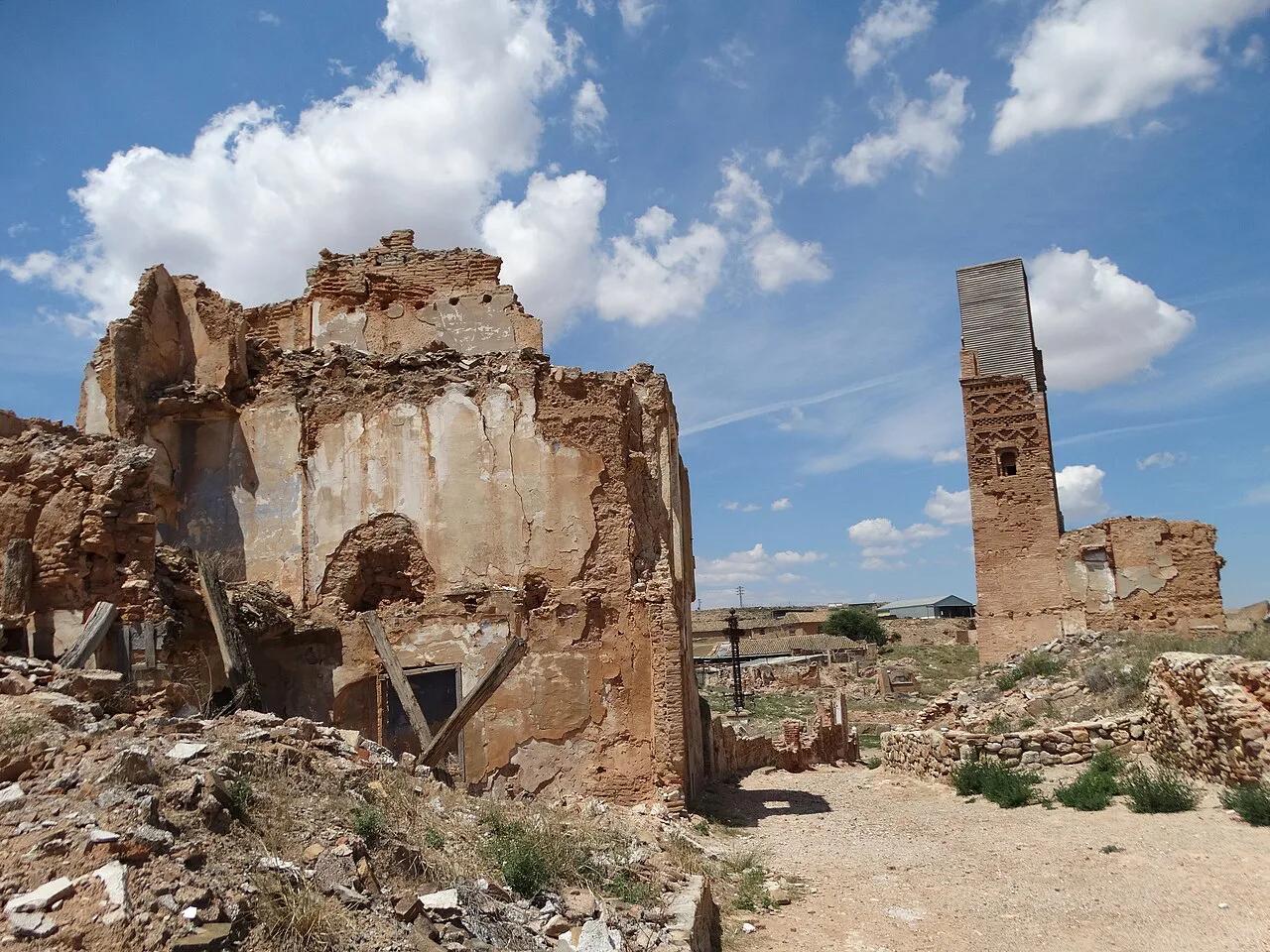
Featured image: Julen Iturbe-Ormaetxe, CC BY-SA 2.0, via Flickr.
What was the Battle of the Ebro?
Republican forces launched their offensive across the Ebro River on 25 July 1938, and fighting lasted until November. It followed the Battle of Teruel, fought from December 1937 to February 1938, which had drained Republican resources. For background on that earlier fight, see our guide to the Battle of Teruel. The Republican aim was to relieve Nationalist pressure on Valencia. The attack began with an amphibious river crossing, and many of the soldiers were teenagers. Barcelona fell to Franco's forces after the battle ended, so historians often treat the Ebro as the Republic's last major offensive. Casualty figures vary between sources, so rely on scholarly works rather than site signage alone.
Why the battle matters for visitors
Geography explains the fighting, and it is the main reason to go in person. The Ebro formed the front line, so the river crossings were the first objective. Hills such as the Sierra de Pàndols and the Sierra de Cavalls gave defenders high ground over the approaches. Villages in the Terra Alta and Ribera d'Ebre were fought over and, in some cases, left in ruins. Standing on a ridge and looking back at the valley shows you why each side wanted it. A museum can supply dates and units, but only the landscape shows distance, slope and cover. The region is a place of mass death, so keep your visit quiet and respectful, and follow any rules posted at each site.
Battle of the Ebro sites worth visiting
The official Espais de la Batalla de l'Ebre network groups the museum, memorial and open-air sites in one place. Use it to confirm which locations are open before you set out. The table below summarises the main stops and what each offers.
Because the fighting ran July to November 1938 over a broad area, plan a route across several stops rather than expecting one preserved entrance.
| Site | What you see | Best for |
|---|---|---|
| Gandesa | Museum exhibits and local context | Orientation and history first |
| Corbera d'Ebre old village | Ruined streets and walls | Understanding destroyed villages |
| Sierra de Pàndols and Cavalls | Hill positions and wide views | Terrain and walkers |
| Ebro crossing points | River banks and landscape | Seeing the crossing in place |
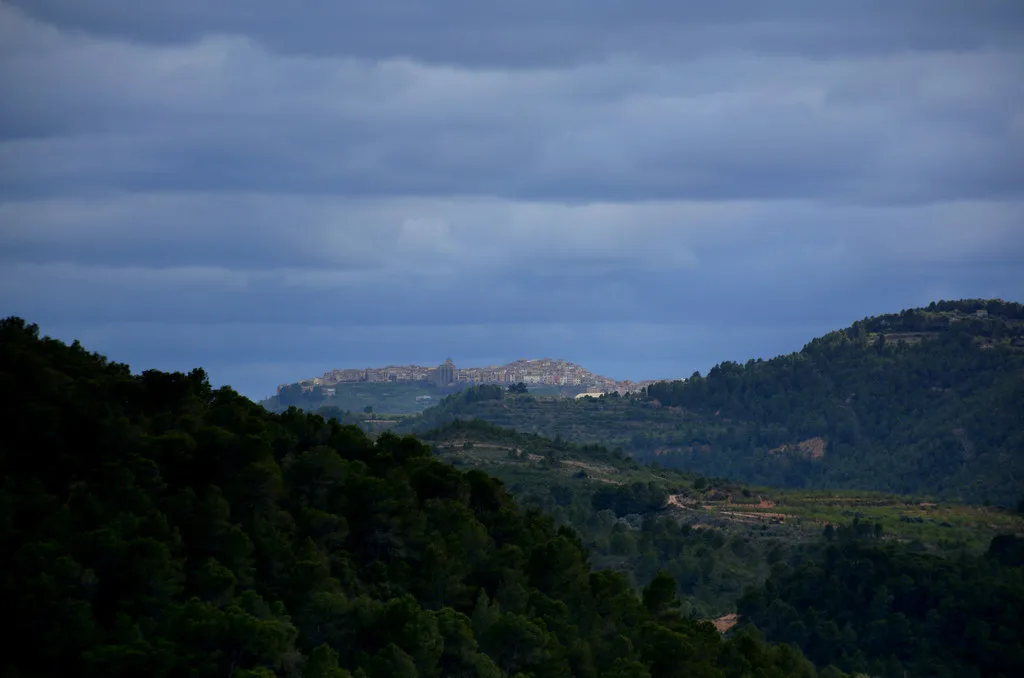
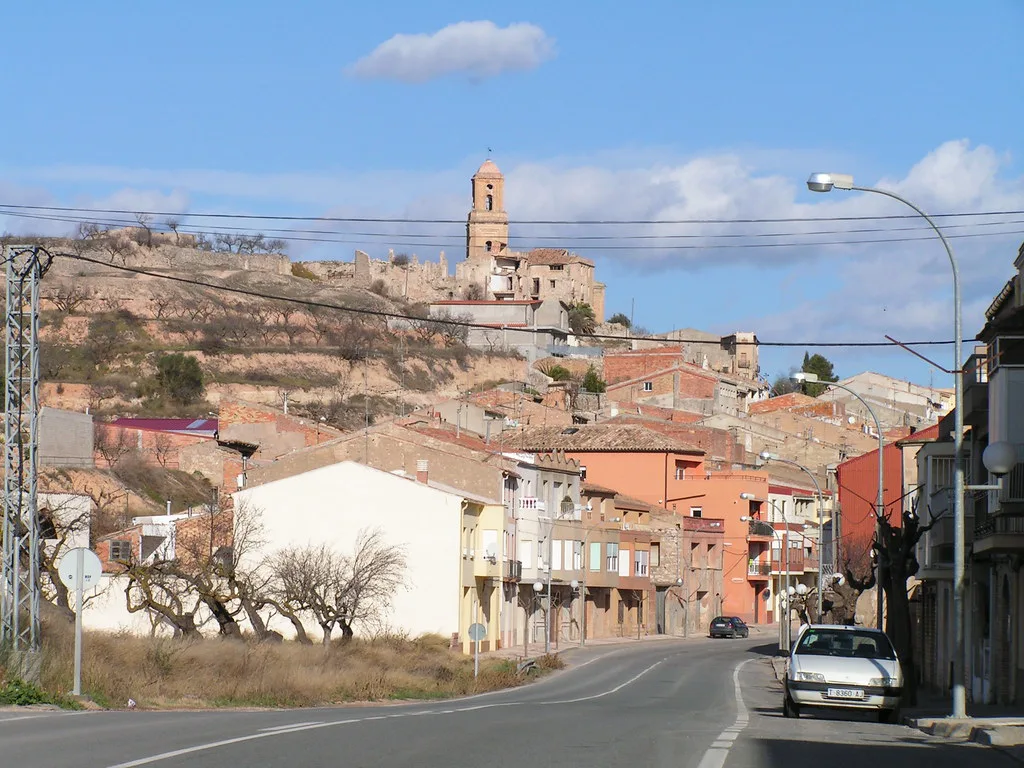
- Gandesa: the main town of the Terra Alta and the practical base for the area, with the museum and study centre for the battle.
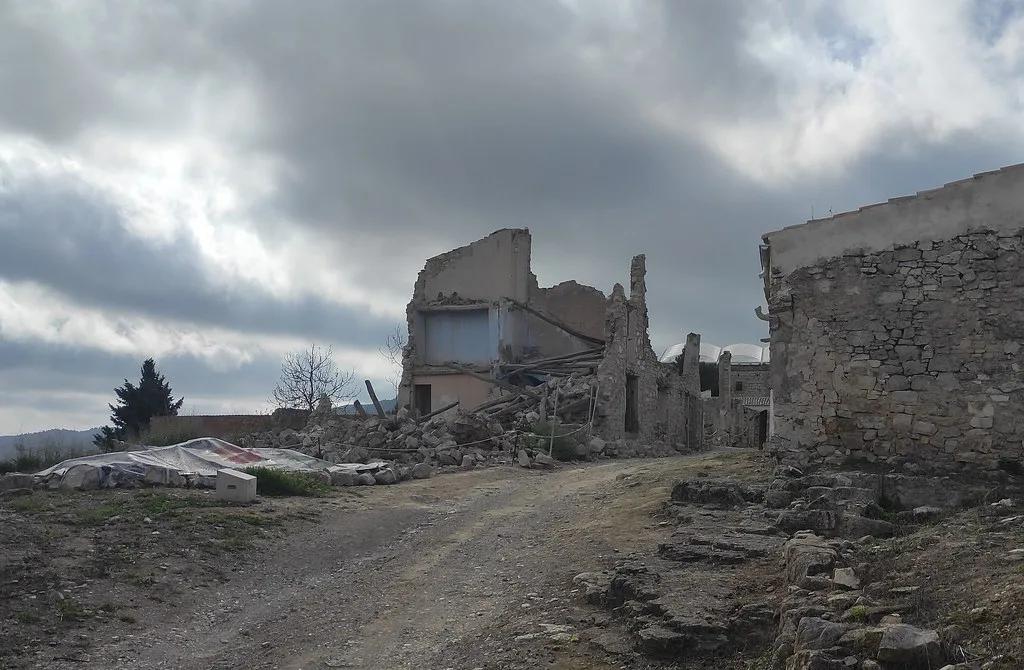
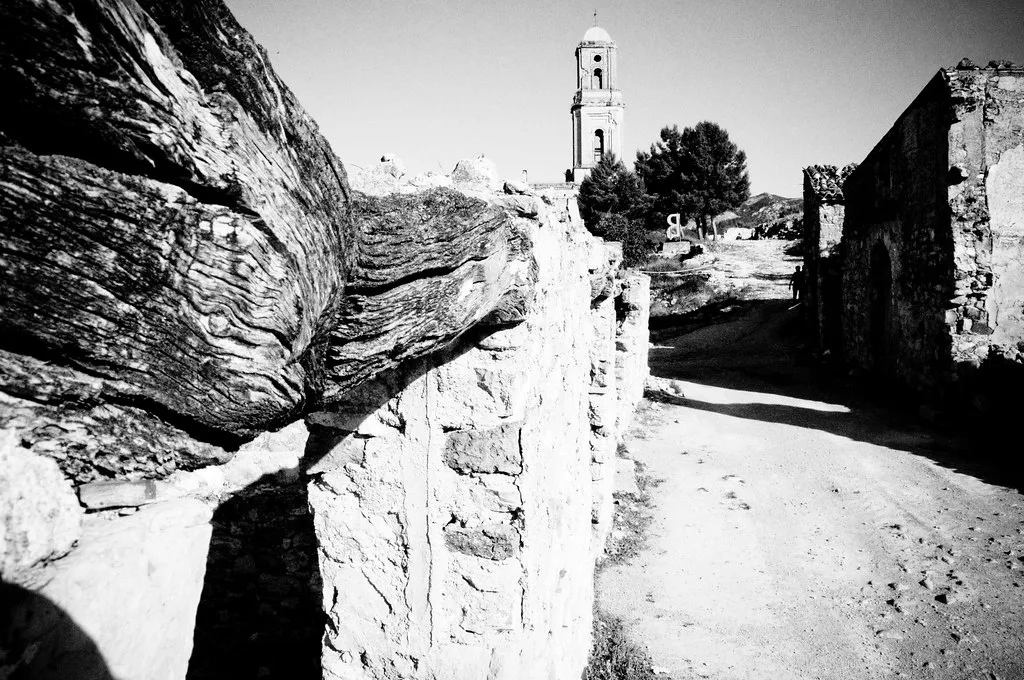
- Corbera d'Ebre old village: ruins left from the fighting, kept as a memorial rather than rebuilt.
- Sierra de Pàndols and Sierra de Cavalls: hill positions with long views over the valley.
- River crossing points: places on the Ebro where the amphibious assault began.
How to get there and get around
Public transport to the battlefield sites is limited, so a car makes the route far easier. Check Terres de l'Ebre tourism and the regional operators for current timetables.
Costs, opening hours and booking
Sites differ on seasonal hours, weekdays and guided-only access. Confirm prices and booking on the official battlefield site and with Catalonia Tourism for the Terra Alta.
Who should go, and who should skip
Serious history readers get the most from this area, especially if they have read about the offensive beforehand. Families with older children can manage a short museum visit and one open-air stop. Travelers short on time should choose Gandesa and one outdoor site, not a full circuit. Without a car, a guided tour or a taxi from a regional town is the realistic option. Summer heat is real on exposed hills, so start early or visit in a cooler season.
- Arriving without a car or advance booking.
- Visiting exposed hill sites in peak summer heat.
- Expecting a single museum to tell the whole story.
- Treating the area as a theme-park attraction.
Combine with other Spanish Civil War sites
For a wider route, start with our Spanish Civil War itinerary. Another ruined village is preserved at Belchite in Aragon. Near Madrid, the front-line trenches at Jarama show an earlier phase of the war. In the north, bombing memory in Gernika covers a different side of the conflict. The Cuelgamuros monument near Madrid covers the war's long political afterlife.
Read Teruel first: the Battle of Teruel, fought from December 1937 to February 1938, came before the Ebro and drained Republican resources.
Choosing a Short or Full Battlefield Circuit
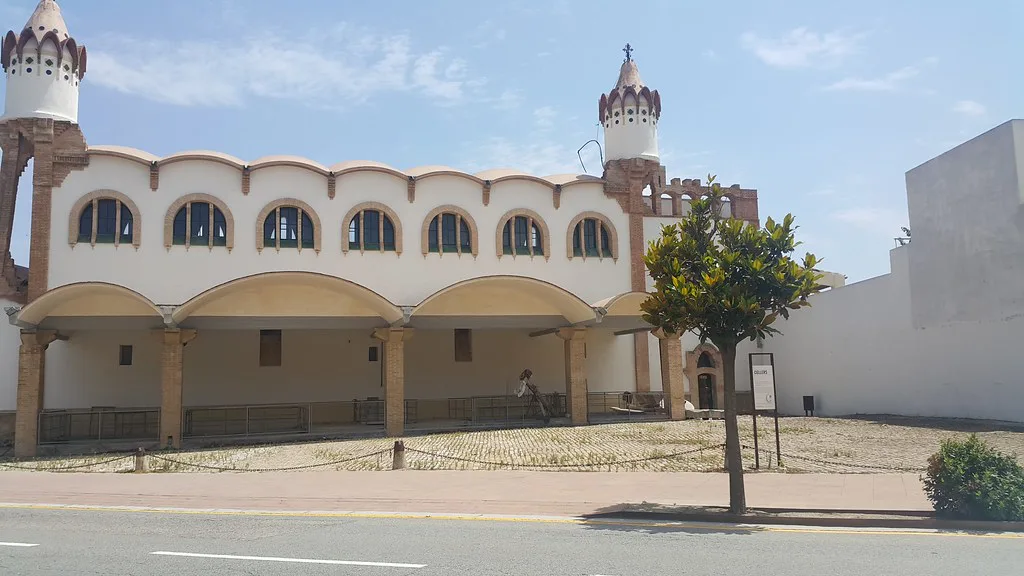
Choose your stops by the kind of evidence you want to see, rather than trying to cover the whole battlefield quickly. Start in Gandesa for historical context, then add Corbera d’Ebre if you want to understand the effect of fighting on local communities. Choose the Sierra de Pàndols or Sierra de Cavalls for the terrain that shaped the battle.
A short visit works best with Gandesa and one outdoor stop. A fuller circuit can add the ruined village, a ridge and an Ebro river location. The Republican offensive began on 25 July 1938 with crossings of the Ebro. Fighting continued from July to November 1938, across a broad area rather than at one preserved battlefield entrance.
Check access before leaving Gandesa, especially for exposed hill sites. Bring water, use sturdy footwear, and treat ruins and memorials as places of remembrance. Visitors without a car should focus on a guided outing or arrange transport around one or two stops.
Frequently Asked Questions
What was the largest battle of the Spanish Civil War?
The Battle of the Ebro is generally described as the longest and bloodiest battle of the war. It was fought in Catalonia from July to November 1938.
Who won the Spanish Civil War?
Franco's Nationalist forces won the war. Barcelona fell to them after the Battle of the Ebro.
Keep planning
Guides on the same trip