
20 Spanish Civil War Sites to Visit and How to Plan
20 Spanish Civil War sites by region, from Belchite to the Ebro battlefields: how to get there, who each suits and how to visit respectfully.
In this guide
Last updated November 2026. The best Spanish civil war sites from the 1936-39 conflict cluster in 5 regions: the Madrid area, Aragon, Catalonia and the Ebro, the Basque Country and Castilla-La Mancha. Pick by time available, base city and whether you want a battlefield, urban memory or a museum. Our list below keeps only places with a genuine Civil War link and says who should skip each one.
Featured image: Adam Jones from Kelowna, BC, Canada, CC BY-SA 2.0, via Wikimedia Commons.

Quick Answer: Spanish Civil War Sites at a Glance
Madrid gives you the most sites in the least travel time. Aragon and the Ebro reward a car and a night away. Gernika and Barcelona's shelter work as museum-style stops. Use the table to match a region to your base city.
| Region | Main sites | Type | Base city |
|---|---|---|---|
| Madrid area | Cuelgamuros, Jarama, Ciudad Universitaria, Cerro de la Oliva, Alto del León, city relics | Memorial, battlefield, urban traces | Madrid |
| Aragon | Belchite, Teruel | Ruins, battlefield | Zaragoza or Teruel |
| Catalonia and the Ebro | 115 Days Centre, La Fatarella, Refugi 307 | Museum, battlefield, shelter | Barcelona, Tarragona or Gandesa |
| Basque Country | Gernika Peace Museum | Museum | Bilbao |
| Castilla-La Mancha | Alcázar of Toledo | Siege site, museum | Toledo |
| Castilla y León | Salamanca archive | Archive, exhibition | Salamanca |
How to Choose Between Battlefield, Ruin, Museum or Memorial
Start with the kind of place you want. Ruins and trenches suit people who like open ground and can read a landscape. Museums and archives suit anyone short of time or travelling without a car. Memorials ask for quiet and some background reading first. With 1 day, stay in Madrid. With a weekend, choose Aragon from Zaragoza or the Ebro from Barcelona. With a week, link Madrid, Aragon, Catalonia and the Basque Country by train and hire car. Read a museum's exhibition before you walk the field, because the ground makes more sense afterwards.
Madrid's Ciudad Universitaria trenches sit inside city limits, so a single day can cover them. With 1 day, stay in Madrid.
20 Spanish Civil War Sites Worth Visiting, by Region
Entries run from Madrid outward to Aragon, Catalonia, the Basque Country and the rest of Spain. Each one has a clear Civil War connection. Fighting at the Ebro lasted from 24 July to 18 November 1938, and Gernika was bombed in April 1937, so those dates anchor two of the entries. Several sites are remote, so check each official page before you travel.
Refugi 307 has over 400 metres of tunnels and needs no car, so it fits a Barcelona day without driving.
1. Cuelgamuros (Valley of the Fallen), Madrid area
Cuelgamuros, long known as the Valley of the Fallen, lies near San Lorenzo de El Escorial. It is a contested memorial, and its name, status and access rules have changed over the years. Our Cuelgamuros memorial guide covers the history and what you can see. For transport, read getting there from Madrid.
Many visitors pair it with the monastery in a combined El Escorial day. Current opening and entry rules are published by Patrimonio Nacional. Treat it as a place of mourning. Skip it if you want a battlefield rather than a memorial.
2. Jarama battlefield, Madrid area
Jarama is a Madrid-area battlefield where you walk open countryside rather than a staffed museum. Our Jarama battlefield guide explains what happened here and where to start. Read the background first, because the ground reveals little without it.
It suits visitors with a car and an interest in how the war was fought. Skip it if you only have a few hours and want a visitor centre.
3. Ciudad Universitaria trenches, Madrid
Trenches and bunkers survive on the university campus in Madrid, which is why visitors keep asking how to reach them. You get a front line within city limits, with no long drive. Pair it with the urban traces below for a single Madrid day.
Trenches are fragile, so stay on existing paths and never climb the earthworks. Skip it if you want signed displays, because the remains are best read with preparation.
4. Cerro de la Oliva trenches, Rivas-Vaciamadrid
A set of well-preserved Civil War trenches lies at Cerro de la Oliva in Rivas-Vaciamadrid, not far from Madrid. You see the zigzag trench lines and can judge how soldiers sheltered on the hill. A car makes the trip simpler, though local transport links also serve the town.
Wear boots, because the ground is uneven. Skip it if you prefer indoor exhibitions or have limited mobility.
5. Alto del León bunkers, Guadarrama
Bullet-scarred bunkers stand at Alto del León, near Guadarrama in the mountains northwest of Madrid. They are concrete reminders of positions held during the war. Expect a short walk to reach them, and dress for mountain weather.
The site suits hikers and anyone who wants a quieter Madrid-area outing. Skip it in poor weather or if you rely on public transport.
6. Parque el Capricho bunker, Madrid
A subterranean Civil War bunker lies beneath Parque el Capricho in Madrid. It adds a wartime layer to a garden that most people visit for its landscaping. Access to the bunker may be limited, so check park rules and any guided options before you go.
It suits visitors who want something compact in Madrid. Skip it if you are looking for open battlefield ground.
7. Republican lamppost at the Royal Palace, Madrid
A small Republican-era lamppost stands at Madrid's Royal Palace, easy to miss among bigger monuments. You can see it on foot in a few minutes while visiting the palace area. It is a quick stop, not a destination in itself.
Combine it with other central Madrid traces on one walk. Skip it if you only want substantial sites with interpretation.
8. The Girder of Peace, Madrid
This girder was hit by a bomb during the Civil War, but nobody knew about it until 2016. It now works as a small urban marker of the bombing of Madrid. You can find it on a walking route in the city.
It suits readers who enjoy small, specific details. Skip it if you want a full museum visit.
9. Peironcely 10, Madrid
Peironcely 10 is a shrapnel-scarred house in Madrid, saved from demolition by an iconic Civil War photograph. You see the building from the street, so no ticket or booking is involved. It shows how ordinary homes were hit in the city.
Treat it with respect, because people live nearby. Skip it if you want guided interpretation or interior access.
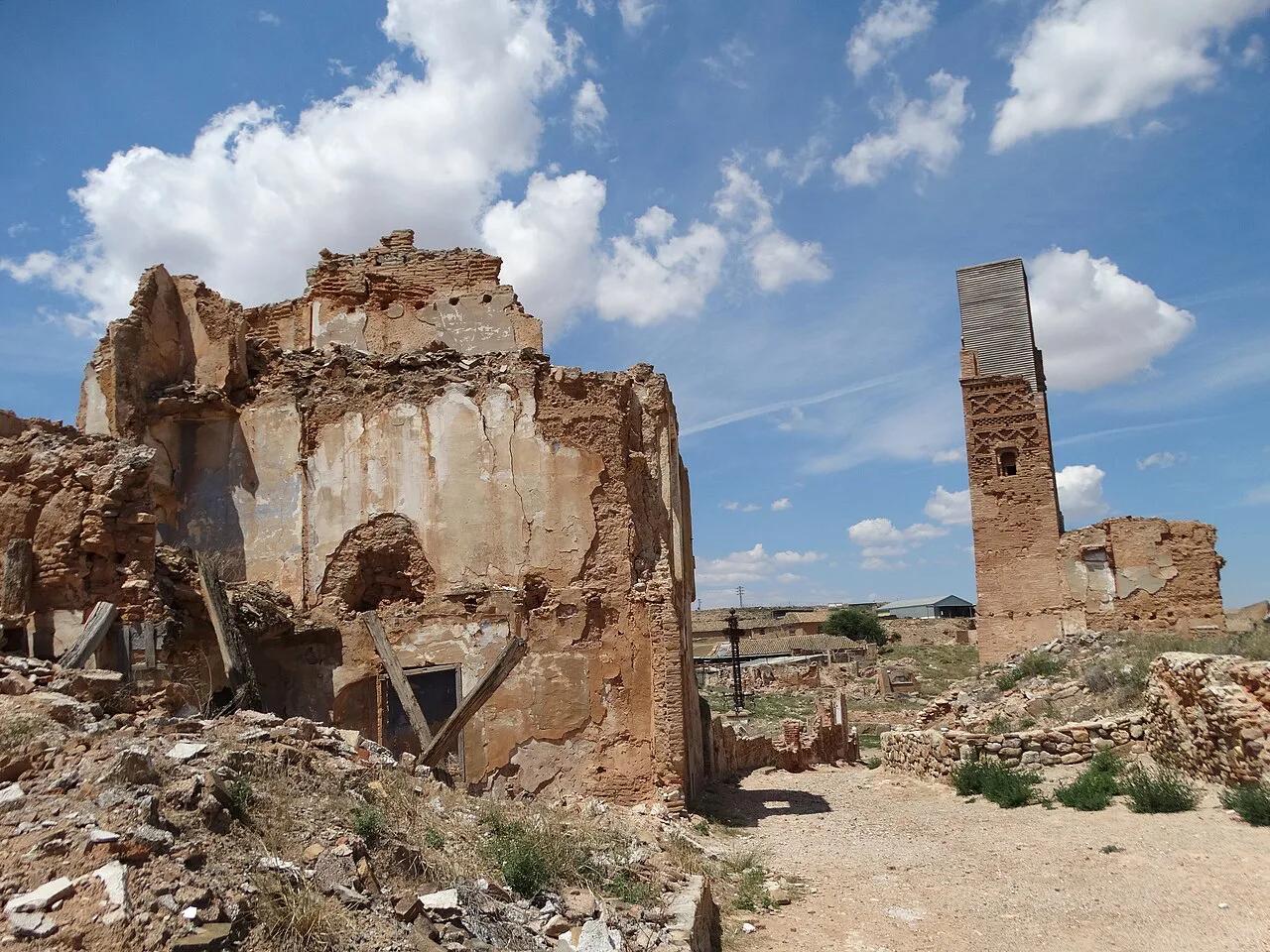
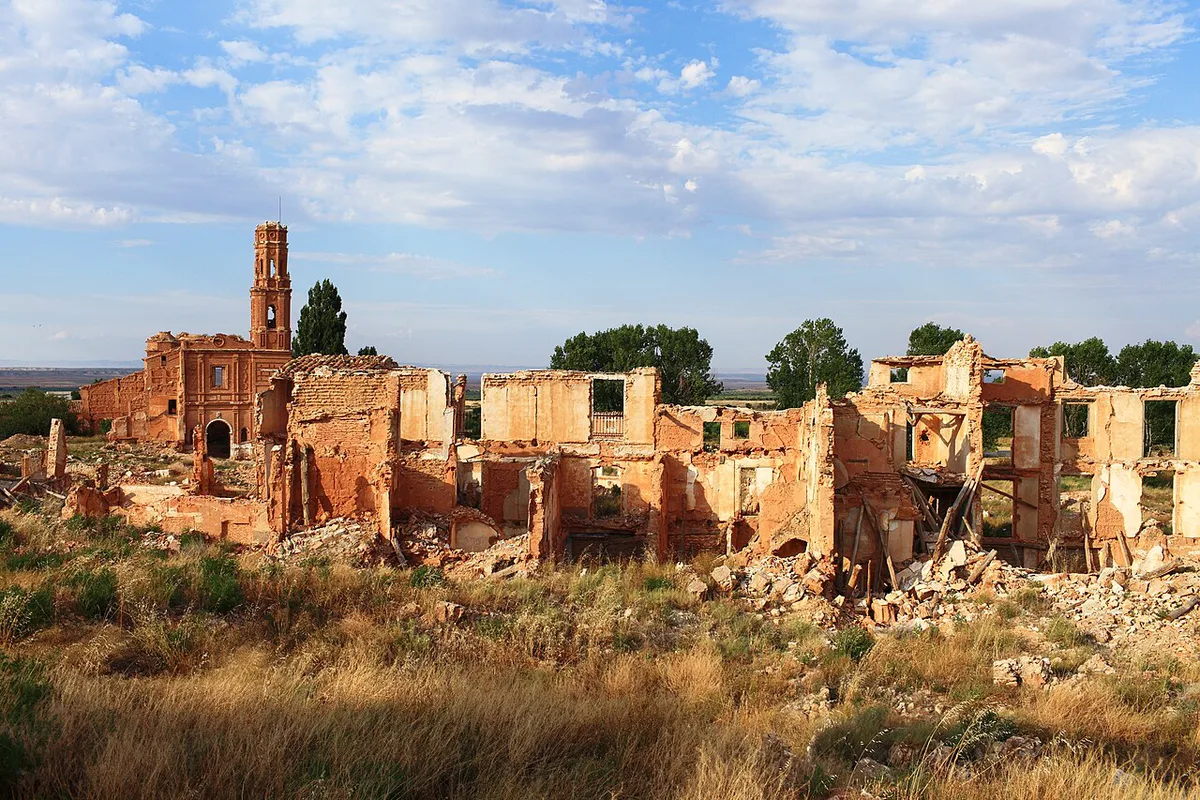
10. Belchite, Aragon
Belchite contains the ruins of a town destroyed in the 1937 battle, left standing as a symbol of the conflict. Our Belchite's ruined old town guide covers the history and what you can see. Local tourism details are published by Belchite's official tourism site.
Zaragoza is the sensible base. Ruins are fragile and unsafe to climb, so follow all barriers and instructions. Skip it if you cannot manage uneven ground or dislike sites with little shelter.
11. Teruel, Aragon
Teruel was the scene of a Civil War battle, and the city offers several sites linked to it. Our Teruel Civil War sites guide lists them. Winter conditions can be harsh, so allow for cold when you plan a visit.
You can base in Teruel itself rather than commuting from Zaragoza. Skip it if you want to cover Aragon in a single day.
12. 115 Days Interpretation Centre, Corbera d'Ebre
Corbera d'Ebre holds the 115 Days Interpretation Centre, a museum on the Battle of the Ebro. The battle ran from 24 July to 18 November 1938 and was one of the last Republican offensives. Our Ebro battlefield sites guide places the centre in context.
Opening details sit on the Ebro battlefield sites network. Visit the museum before the field, then drive the surrounding villages. Skip it if you have no car and only one day.
13. La Fatarella chapel bell
The bell above the Hermitage of la Mare de Déu del Carme in La Fatarella is a converted bomb. It is a small, concrete detail that shows how the war's materials were reused. You reach it by road in the Ebro area, so a car helps.
Stop here on the way between Ebro villages. Skip it if you want a full museum or guided exhibition.
14. Refugi 307, Barcelona
Refugi 307 is one of thousands of bomb shelters built in Barcelona during the war. Air raids on the city began on 13 February 1937, and shelters were dug under houses and metro stations. It has over 400 metres of tunnels and a hospital, and is open to the public as part of the Barcelona History Museum.
It is a city-centre stop that needs no car. Skip it if you dislike enclosed underground spaces.
15. Gernika Peace Museum, Basque Country
Gernika-Lumo was bombed in April 1937, and the Peace Museum interprets that event. Our Gernika Peace Museum guide gives the visit details. Opening times appear on the museum's official site.
Pair it with Bilbao for a combined trip. Skip it if you want a battlefield, since this is a museum about civilians and peace.
16. Alcázar of Toledo, Castilla-La Mancha
The Alcázar of Toledo was the site of a siege during the war, and it now houses a military museum. Nationalist forces under Colonel José Moscardó held the fortress, which became a Nationalist symbol. Visit it with the understanding that its presentation reflects one side of the war.
It suits visitors with half a day in Toledo. Skip it if you want a balanced, Republican-focused story.
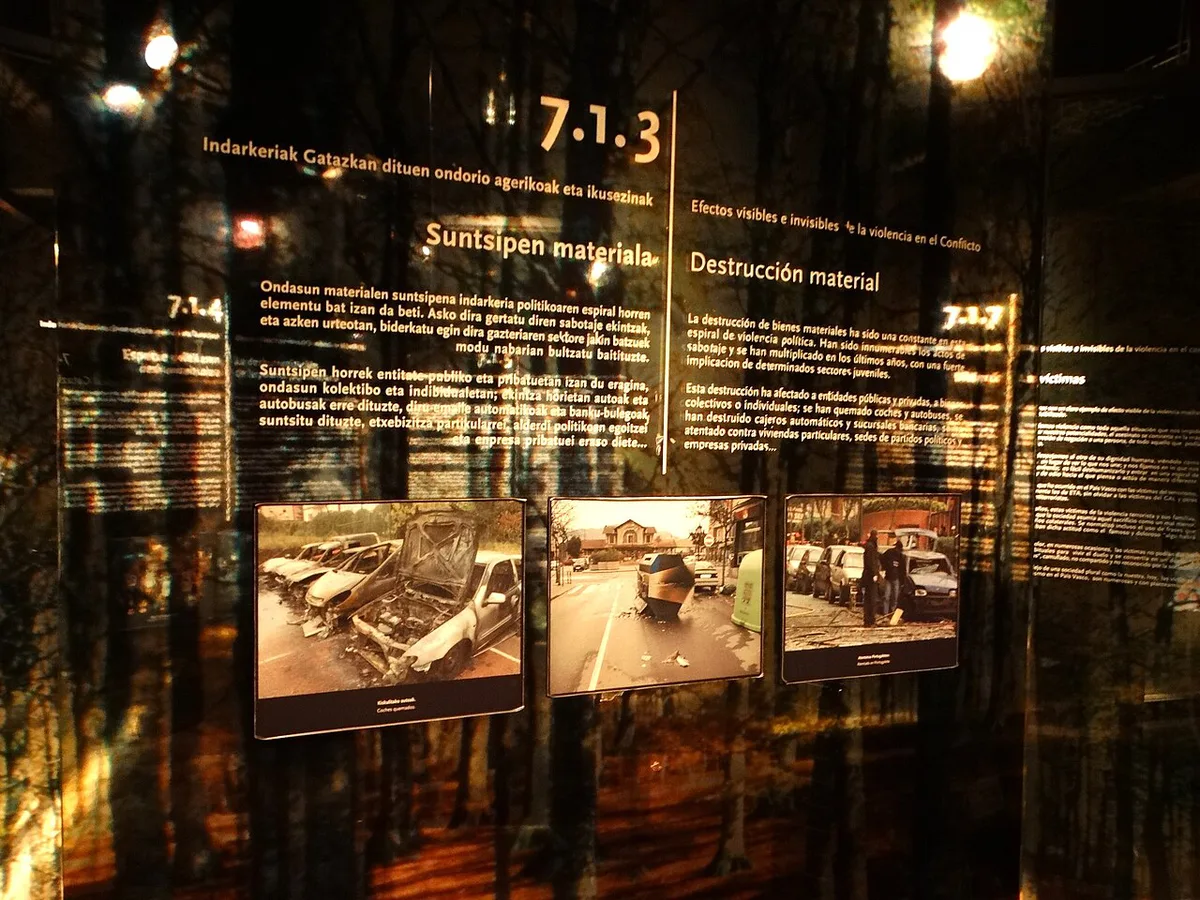
17. Salamanca archive and Documentary Centre for Historical Memory
Salamanca holds the General Archive of the Spanish Civil War, now part of the Documentary Centre for Historical Memory since 2007. Visitors can also see a display of photographs, posters and documents. It shifted from a wartime archive to a place that examines how Spain remembers the conflict.
It suits researchers and readers who like documents. Skip it if you want outdoor sites.
18. Shelter of Cervantes, Alcoy
Alcoy's Shelter of Cervantes was an air-raid shelter, and it is now a museum about the city's bombardment. You walk the underground passages that sheltered residents. Spain's east coast route can include it.
It suits families and anyone who wants a compact museum. Skip it if you are short of time on a Madrid-focused trip.
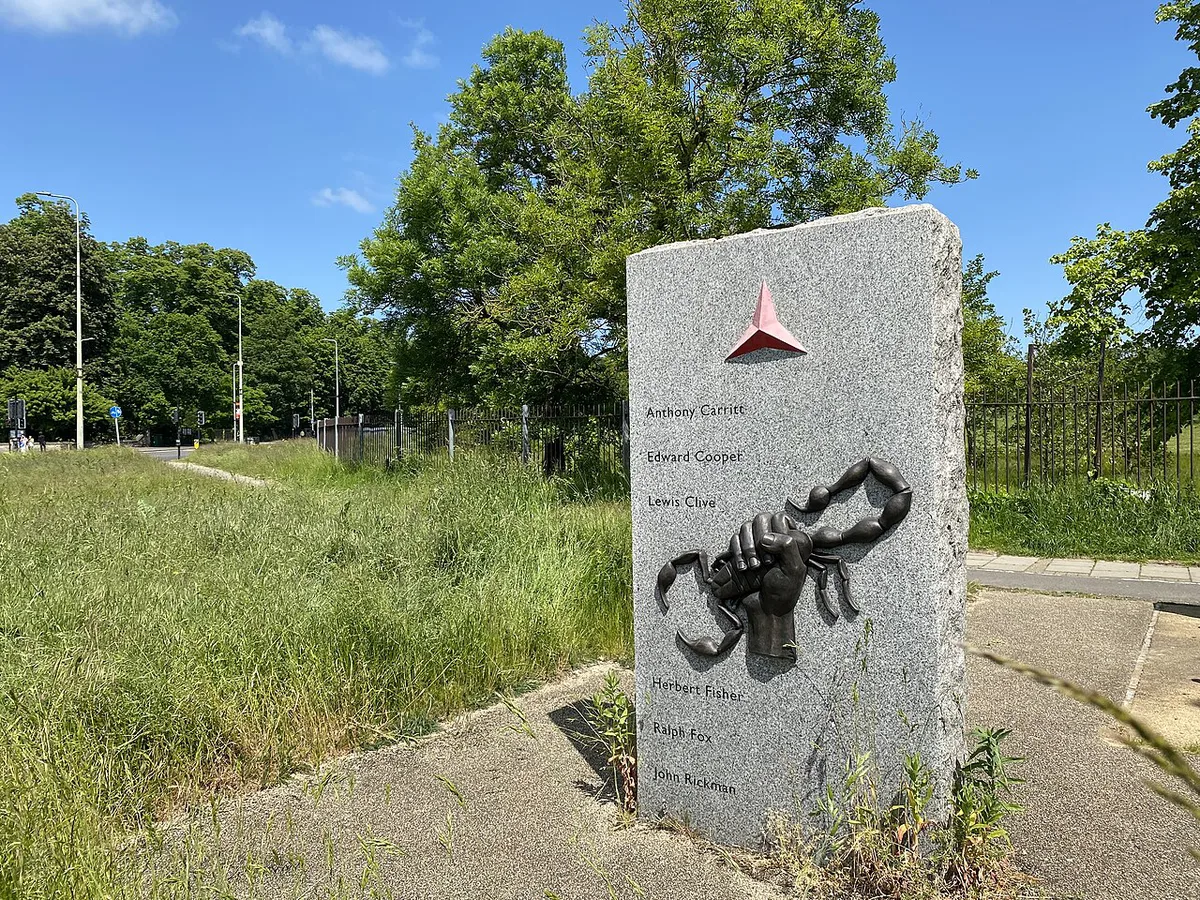
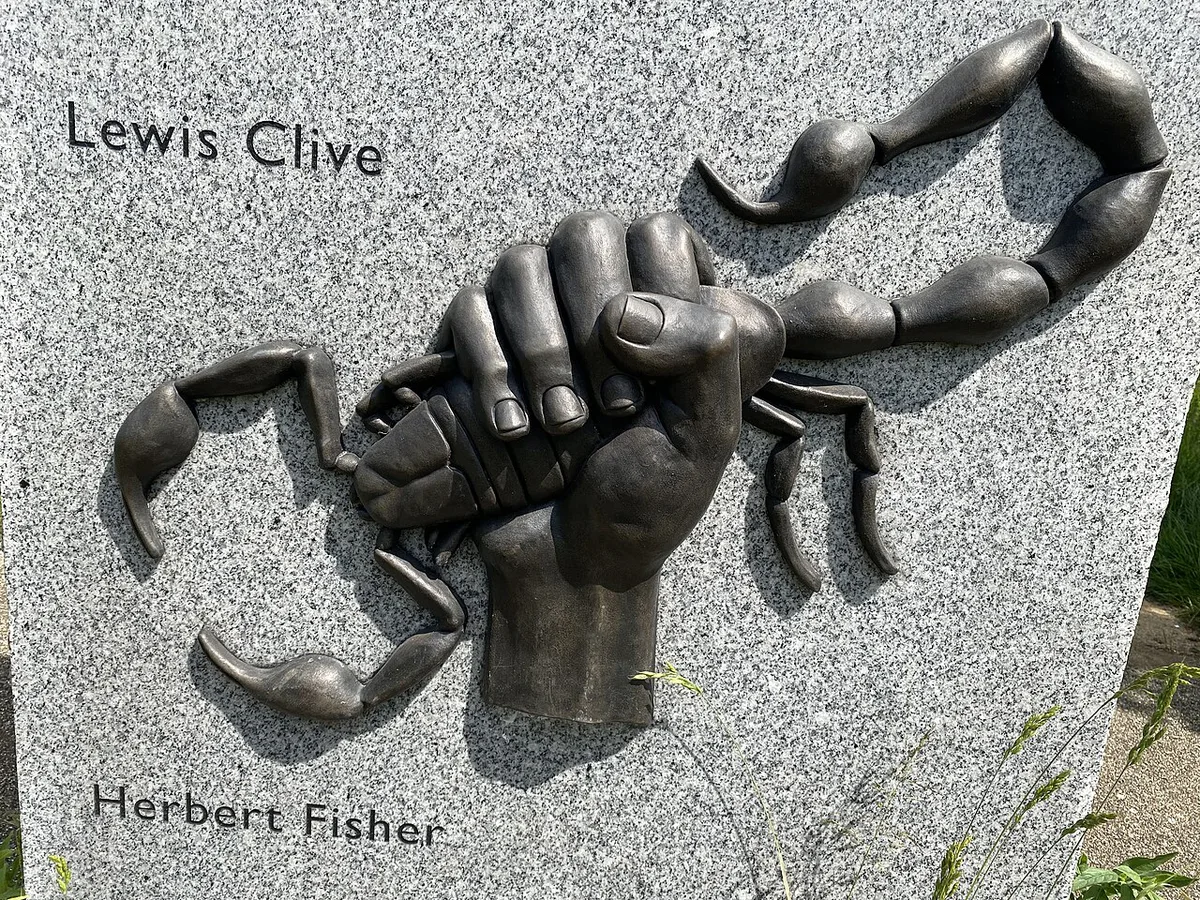
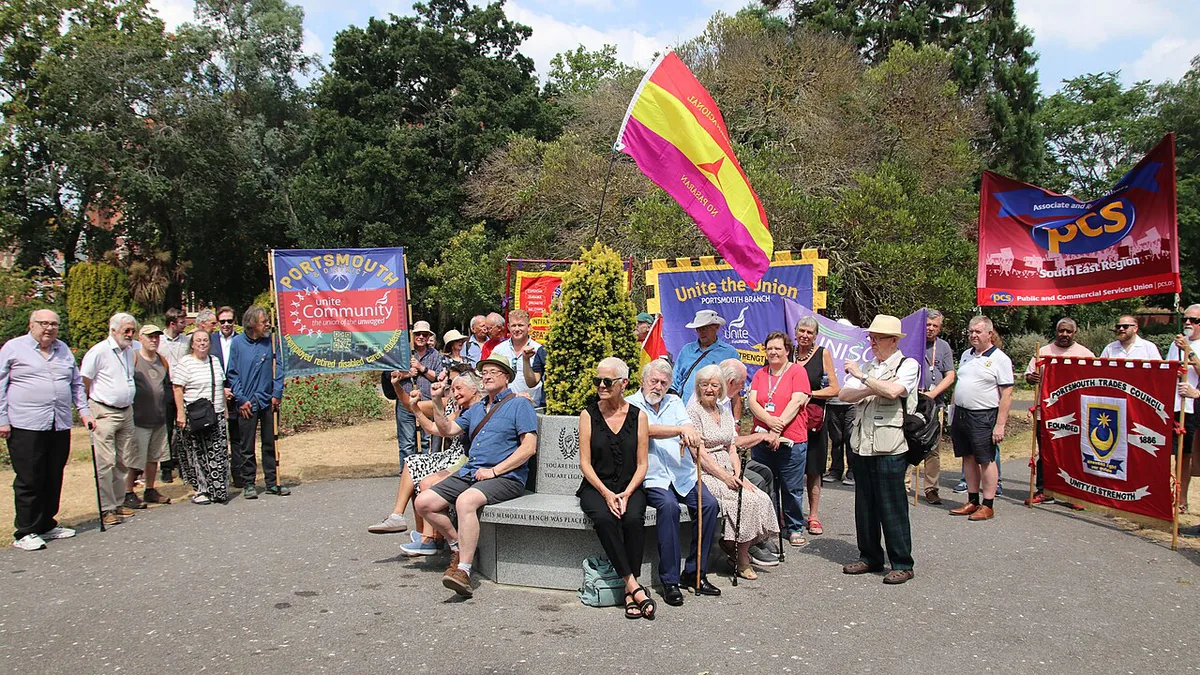
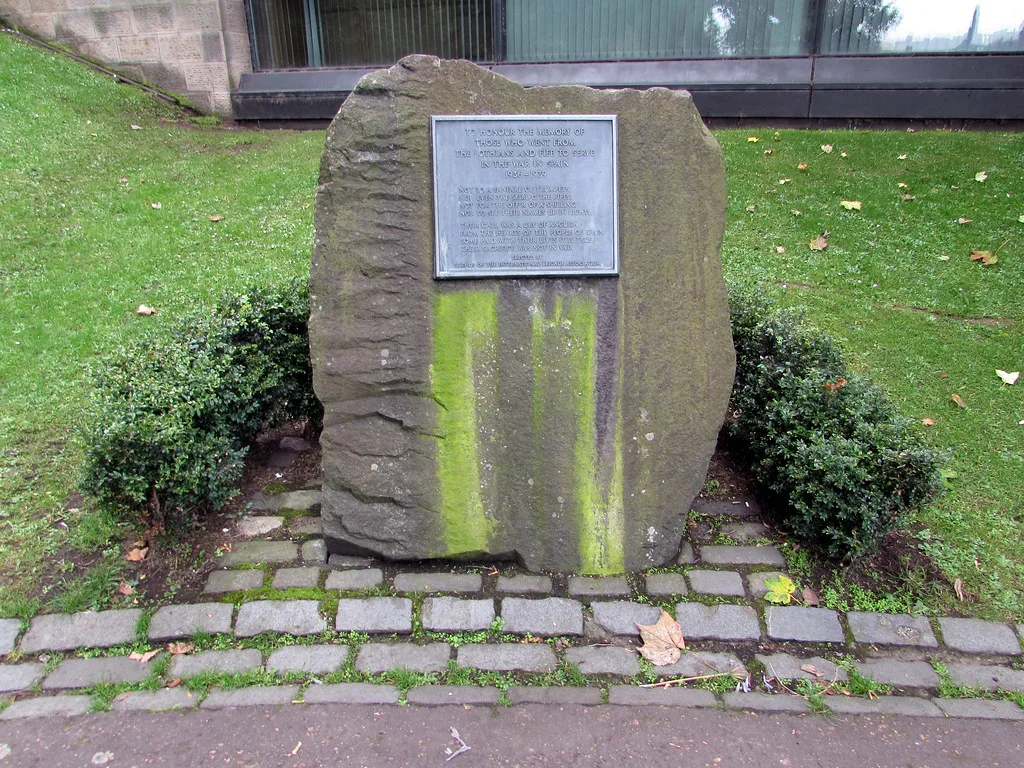
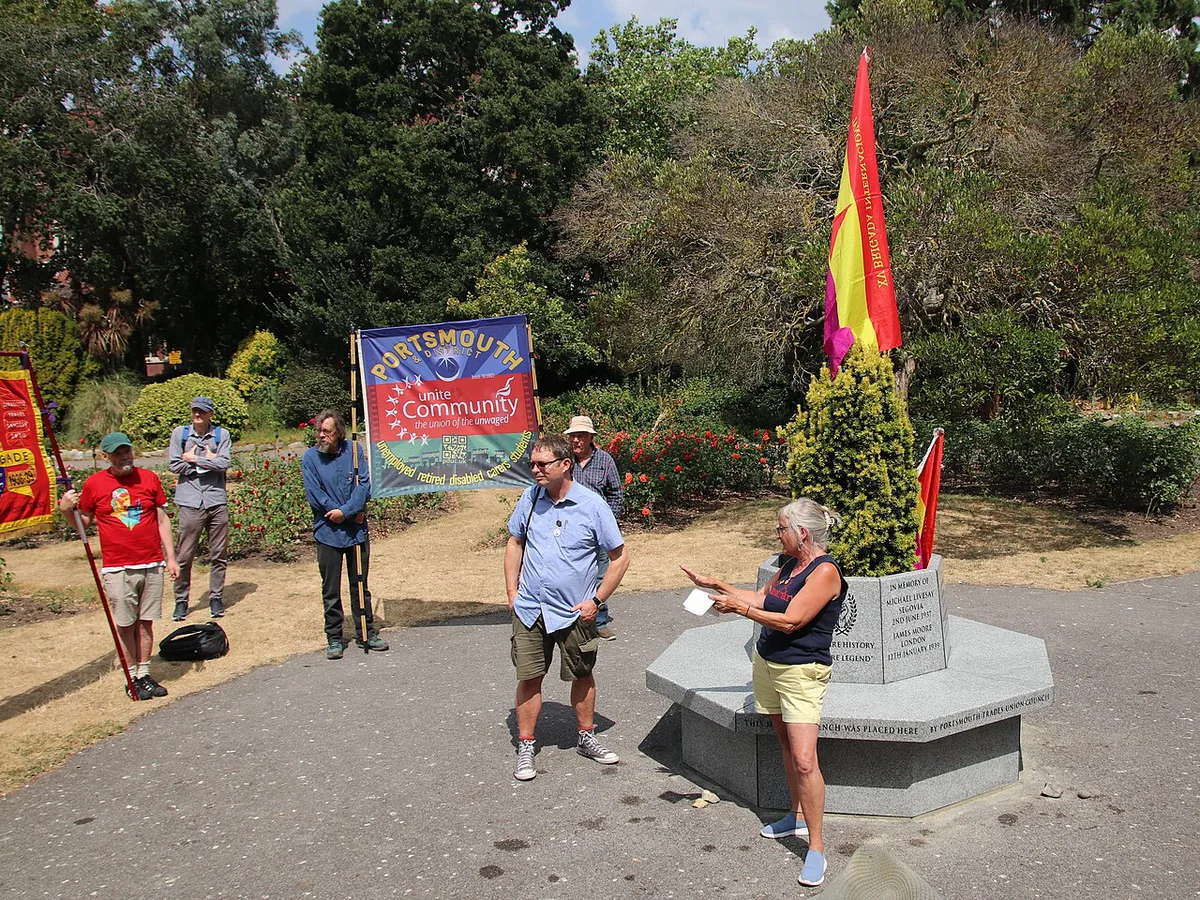
19. Archibald Dickson memorial, Alicante
A monument at Alicante Marina honours Archibald Dickson, a little-known hero of the war. It sits on the waterfront and takes minutes to see. Treat it as a short stop while exploring Alicante.
It suits those curious about the war's maritime side. Skip it if you want more than a memorial plaque.
20. Stolpersteine of Ciutadella, Menorca
Stolpersteine in Ciutadella de Menorca honour Republican soldiers who died at the hands of Nazis after the fall of France. They are brass plaques set into the pavement. You find them on foot in the town.
They suit visitors already on Menorca. Skip them if you are not travelling to the island.
Costs, Tickets and Opening Hours
Fees, hours and booking rules change, and some sites run guided visits only. Use the official pages in the table before you travel.
| Site | Where to find current details |
|---|---|
| Cuelgamuros | Patrimonio Nacional |
| Belchite | Belchite official tourism |
| Ebro sites | Espais de la Batalla de l'Ebre |
| Gernika Peace Museum | Museum official site |
| Aragon general | Aragon Tourism |
Sample Routes and Day Trips
Madrid in 1 day: combine Ciudad Universitaria, Cerro de la Oliva and the central traces. Aragon in 2 days from Zaragoza: visit Belchite, then Teruel. Catalonia and the Ebro in 2 days from Barcelona: take Refugi 307 on day 1 and drive to Corbera d'Ebre and La Fatarella on day 2. Add a night in Gandesa if you want more time on the Ebro villages.
Visiting Respectfully and Common Mistakes
Several sites remain politically contested, so avoid slogans and photos that treat them as backdrops. Memorials and any burial areas call for quiet. Ruins and trenches are fragile, so stay on paths. Common mistakes are assuming every site opens daily, relying on public transport for remote battlefields, and skipping museum context before the field.
For the wider war that began in 1939, start with our overview of WWII sites in Europe.
Frequently Asked Questions
Where did the Spanish Civil War mainly take place?
Fighting covered much of Spain between 1936 and 1939. Key areas for visitors are the Madrid region, Aragon, the Ebro in Catalonia and the Basque Country.
Is Franco still buried in the Valley of the Fallen?
No. Franco's remains were exhumed on 24 October 2019 and moved to a family tomb at Mingorrubio cemetery. Check Patrimonio Nacional for current access to Cuelgamuros.
Explore More Guides
Keep planning your trip with these guides.
Guides
- Valley of the Fallen: Visiting Guide to Cuelgamuros
- Belchite
- Guernica Peace Museum: Visit Guide, Hours & Tips
- Battle of the Ebro Sites: Visiting the 1938 Battlefield
- Jarama Battlefield: Visiting Guide From Madrid
- Battle of Teruel
- Valley of the Fallen from Madrid: How to Get There (Cuelgamuros)
- El Escorial and Valley of the Fallen: A One-Day Plan from Madrid