El Escorial and Valley of the Fallen: A One-Day Plan from Madrid
Plan El Escorial and Valley of the Fallen (Valle de Cuelgamuros) in 1 day from Madrid: pacing, transport options, booking and respectful visiting.
In this guide
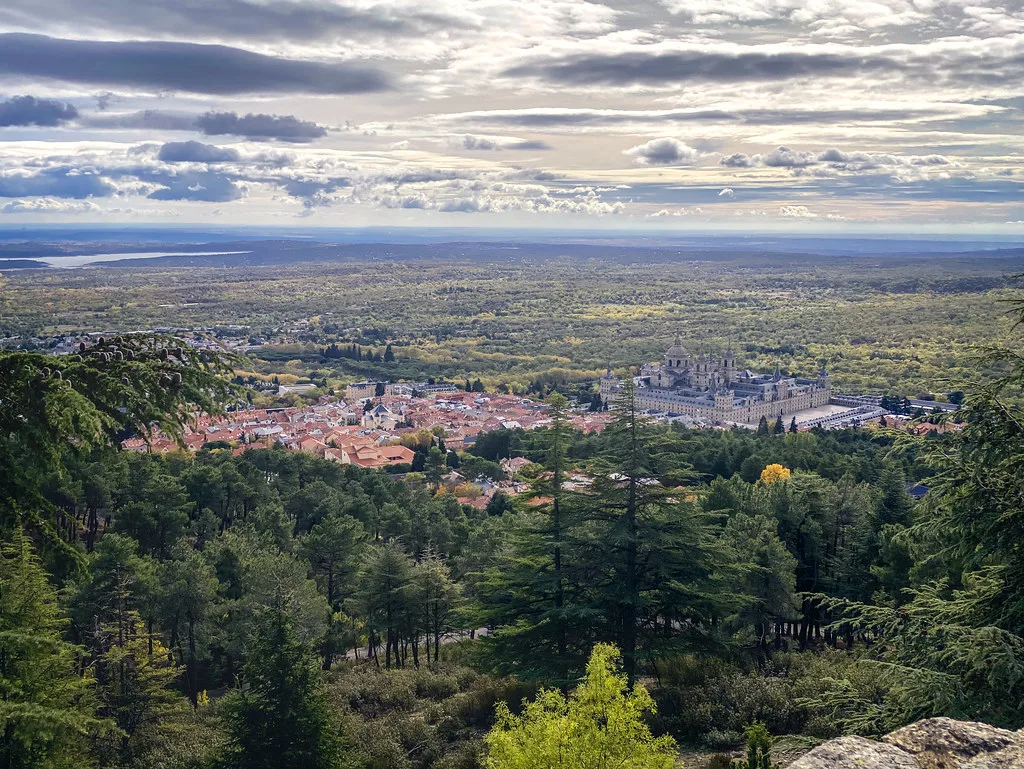
Last updated November 2026: El Escorial and Valley of the Fallen sit about 10 km apart in the Sierra de Guadarrama, and you can combine the 2 sites in 1 long day from Madrid. This guide gives a pacing plan, a transport comparison and notes on visiting respectfully. For wider context, start with our Spanish Civil War heritage trail.
Featured image: corno.fulgur75, CC BY 2.0, via Flickr.
Can you do El Escorial and Valley of the Fallen in one day?
Yes, with an early start and realistic expectations. Public transport makes the day tight. A car, taxi or organised tour from Madrid makes it easier, though it gives you less flexibility. Each site also works as its own half-day trip if you prefer a slower pace. Pick your plan in the table further down.
Those 10 km are short, so the one-day plan rises or falls on Madrid timetables. Renfe and bus times for both legs decide whether public transport works.
What each site is, and the Valle de Cuelgamuros name
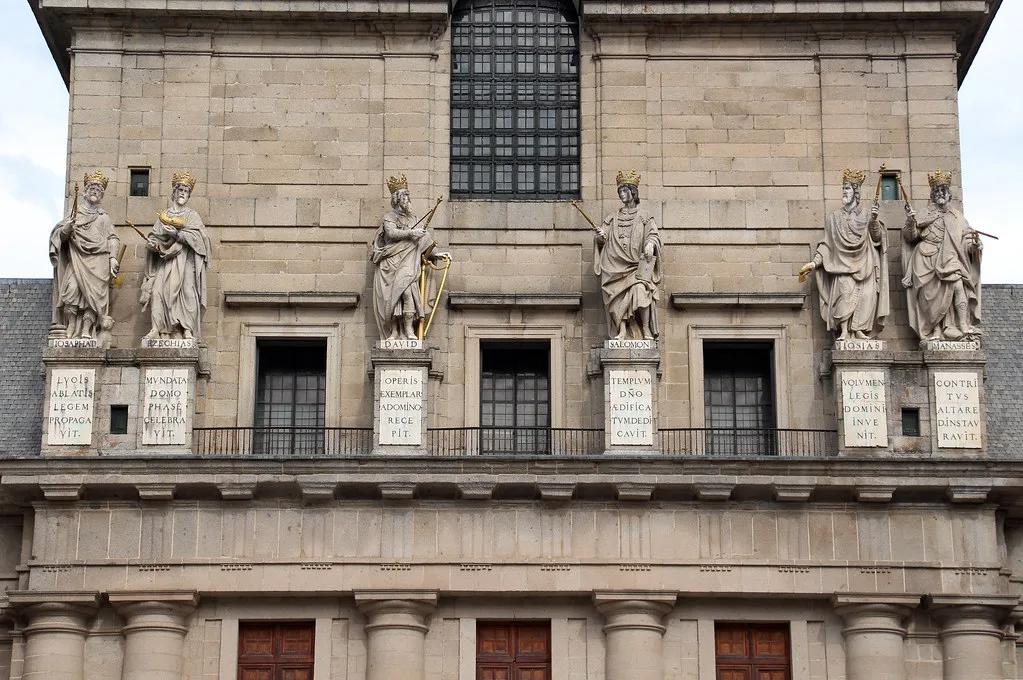
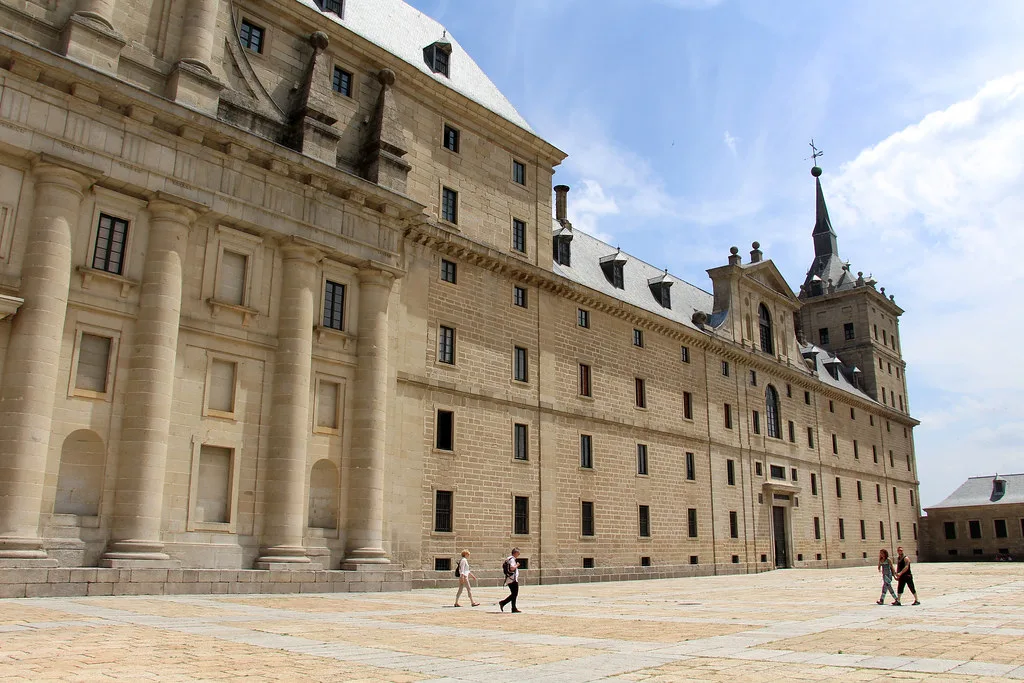
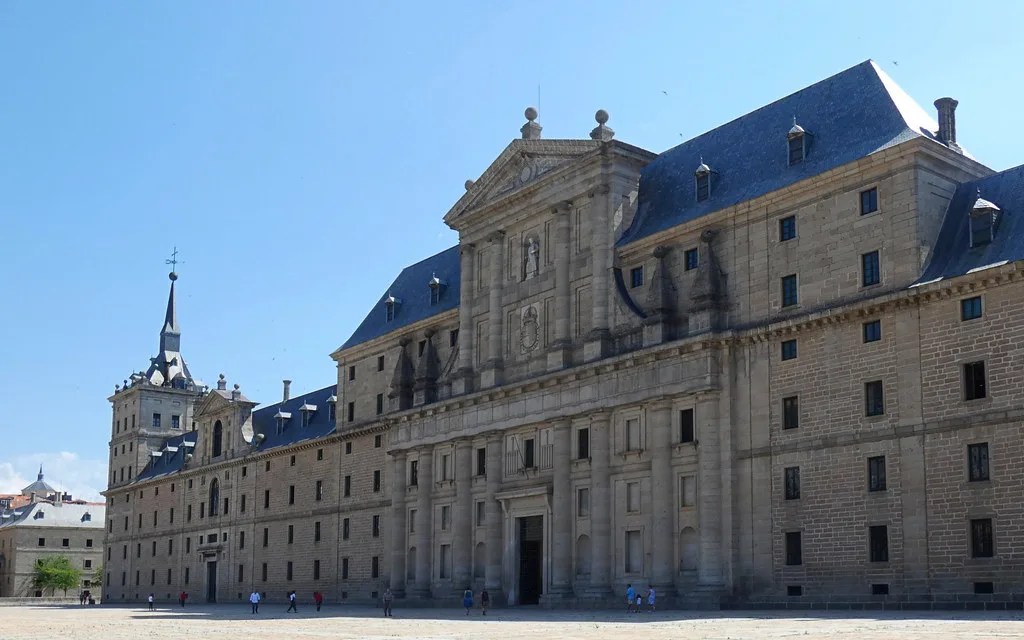
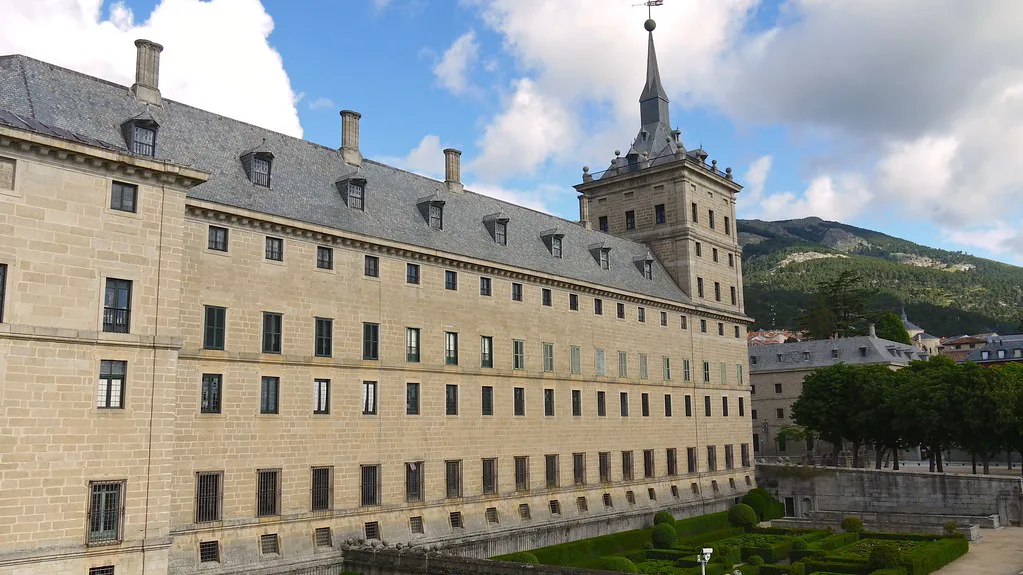
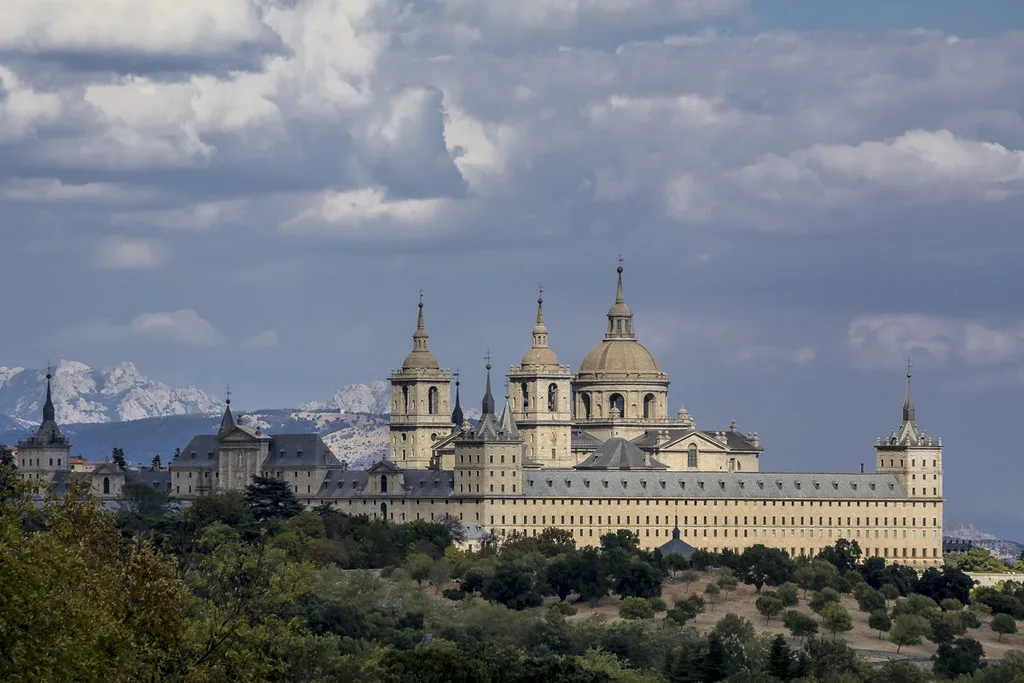
El Escorial is the 16th-century royal monastery-palace complex in San Lorenzo de El Escorial. Philip II founded it, and it also serves as a royal pantheon. Patrimonio Nacional manages the complex, and Patrimonio Nacional's official pages list hours and tickets.
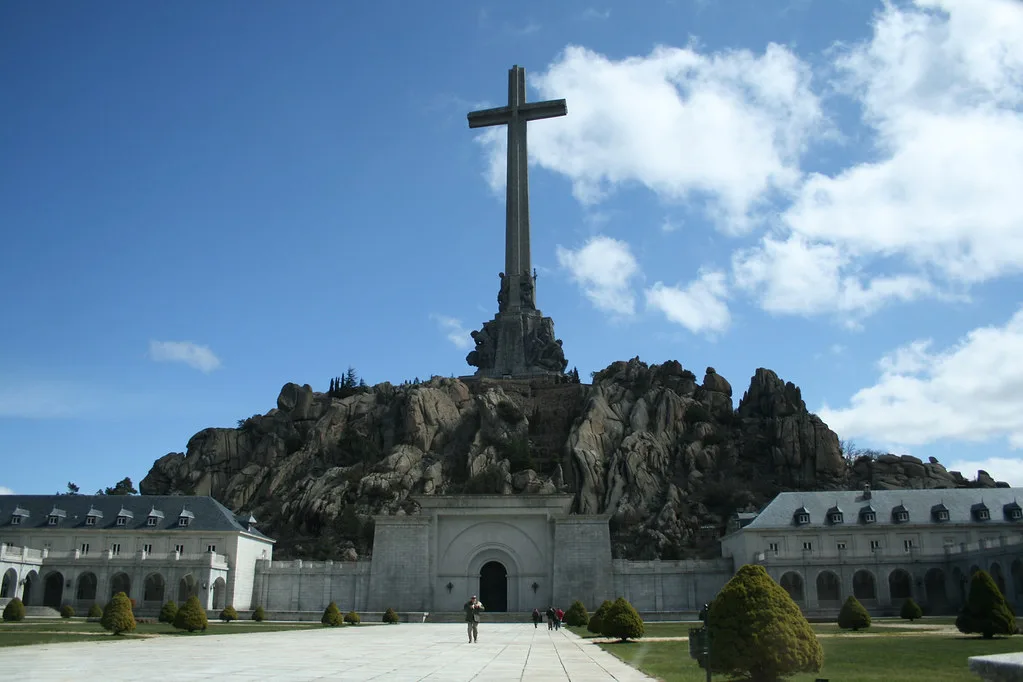
Valle de Cuelgamuros is the current official name of the site many travellers still search as the Valley of the Fallen. Use both names when you look up timetables and booking pages. Franco's regime built the memorial, and prisoners worked on it as forced labour. Civil War dead are buried there, and the topic remains contested in Spain. His remains no longer lie in the basilica. Our dedicated Cuelgamuros guide covers the history in depth. Access arrangements and the visitor experience have changed in recent years, so read the current status on the official page.
Choose your day: itinerary models for both sites
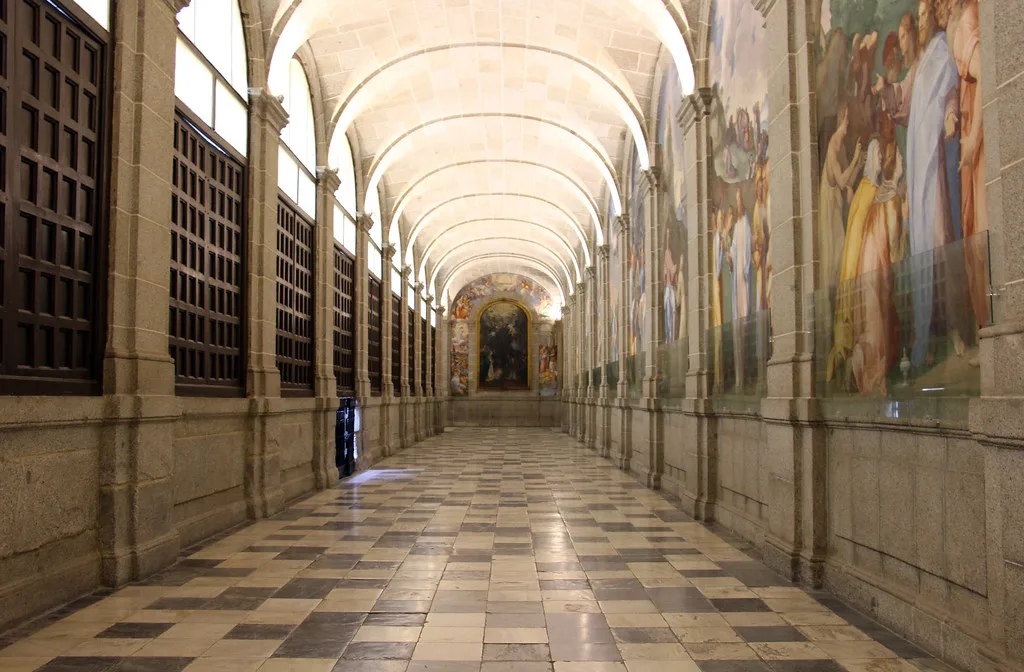
Match the plan to your interests and your transport. El Escorial suits royal architecture and its library. Cuelgamuros suits readers focused on the Civil War and memory. Use the table to compare the main options.
A full day with both sites usually means leaving Madrid early and returning in the evening. Split into half days, you can spend a morning inside the monastery and lunch in San Lorenzo. Pair the Valley with a quieter afternoon, since the visit tends to be reflective.
Sequence matters on the day. Start with whichever site has the stricter hours, because both can have closing days. If one is closed, switch to the other and treat the trip as a half day. An overnight stay in San Lorenzo de El Escorial only pays off for slower travellers.
| Plan | Best for | Pacing notes |
|---|---|---|
| El Escorial only | Royal architecture and the library | Half day plus lunch in San Lorenzo |
| Valley only | Civil War and memory focus | Half day with time to reflect |
| Both, public transport | Budget-minded travellers | Realistic only with a verified timetable for each leg |
| Both, car, taxi or tour | Fixed one-day schedules | Easier pacing, less flexibility |
| Overnight in San Lorenzo | Slower travellers | Split the 2 sites across 2 days |
- Skip the Valley if you travel with young children or must be back in Madrid early.
- Skip El Escorial if the Civil War is your only focus and time is short.
- Skip the 1-day combination on public transport if you cannot confirm a timetable for both legs.
Getting from Madrid to El Escorial and the Valley
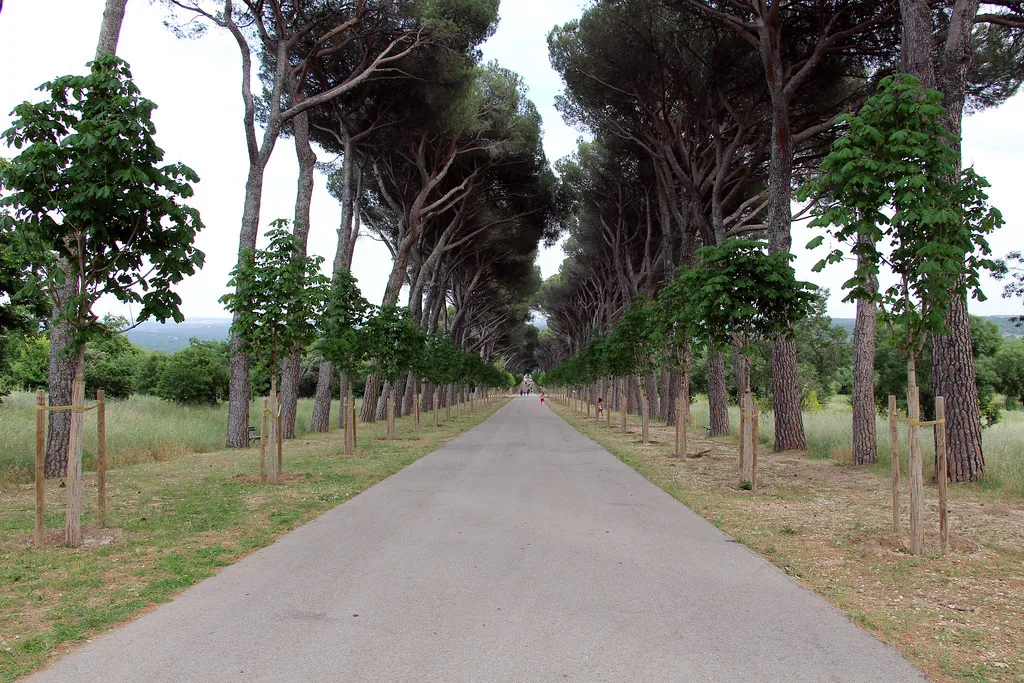
Public transport means a Renfe Cercanías train or a bus to San Lorenzo de El Escorial. Timetables change, so read current times on the Renfe site and the Madrid transport consortium site. Reaching the Valley without a car depends on current services, so settle that before you plan a transit-only day. Route-only readers will find more detail in our Madrid-to-Valley route page. This guide stays focused on combining the 2 sites.
| Mode | Effort | Flexibility | Before you go |
|---|---|---|---|
| Public transport | Highest | Low | Check train and bus times for both legs |
| Car or rental | Moderate | High | Check parking at each site |
| Taxi or private transfer | Low | Medium | Agree waiting time and return pick-up in advance |
| Organised tour | Lowest | Lowest | Check what the price includes and entry rules |
Getting between El Escorial and the Valley
About 10 km separates the 2 sites, so the link is short by car or taxi. Without a car, a taxi or private transfer is the simplest bridge. Agree a pick-up time at the Valley before you arrive. Walking distances inside the Valley can be long. Read the official page for shuttle details, and wear shoes suited to walking either way.
Tickets, booking and costs
Self-guided is usually the cheapest way to see both sites, since you pay only for transit and entry. Tours and private transfers bundle transport and cost more, in exchange for less planning. Patrimonio Nacional publishes El Escorial prices and opening hours. For the Valley, use the official Cuelgamuros page and the Ministry of Territorial Policy and Democratic Memory for access and booking rules. Prices and hours change, so check the official sites before you go.
Visiting the Valley respectfully
Cuelgamuros is both a basilica and a burial place. Speak quietly, dress modestly and follow staff instructions. Read the site's own visitor rules on the official page, including any photography limits. Families with young children may prefer El Escorial instead.
Context helps. Historians and the Spanish state treat the forced labour as documented fact. Public debate now centres on what the monument should represent. Expect visitors with differing views, and keep conversations considerate.
Practical tips: seasons, accessibility and food in San Lorenzo
Summers in the sierra can be hot, and winters bring cold and wind at altitude. Bring layers, water and sun protection. Both sites involve walking, so look up accessibility details on each official page. San Lorenzo de El Escorial has cafes and restaurants, and the town tourism site lists them. Lunch in town fits naturally between the 2 sites.
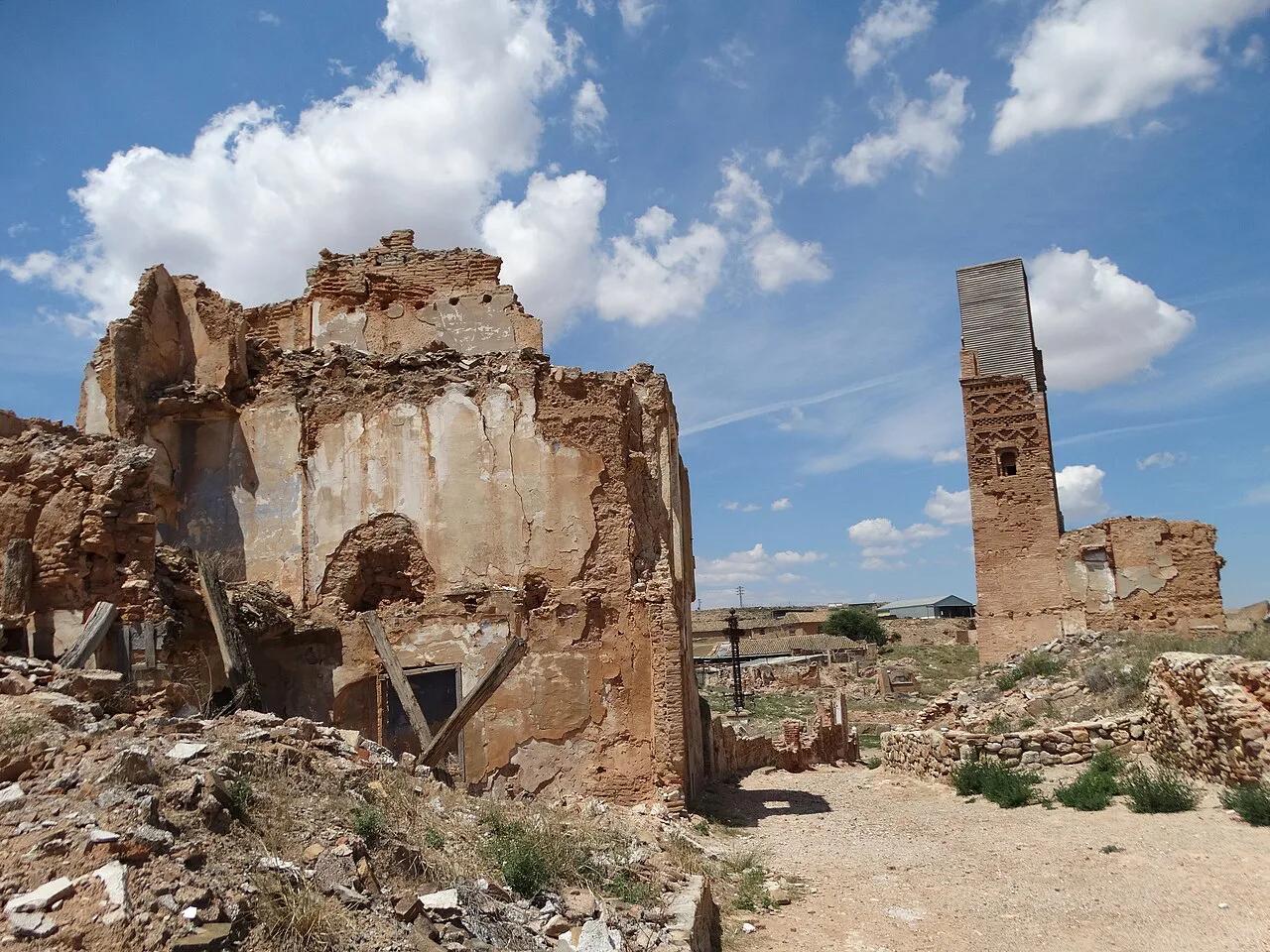
If the visit leaves you wanting more, Jarama's front lines are the most convenient battlefield from Madrid. For a ruined village left standing after the war, see Belchite's old town. Civilian memory of the bombing of Gernika is covered at Gernika's peace museum.
Frequently Asked Questions
Who built the Valley of the Fallen?
Franco's regime commissioned the memorial. Prisoners worked on it as forced labour, which is one reason the site remains contested.
When was El Escorial built?
Philip II founded the monastery-palace complex in the 16th century. Patrimonio Nacional publishes the building's history and visitor details.
Who is buried in El Escorial?
Spanish monarchs rest in its royal pantheon. Patrimonio Nacional explains which parts of the complex visitors can see.
Why is the Valley of the Fallen controversial?
Franco's regime built it using forced labour, and it long held his tomb. Debate continues over what the site should now represent, which is why it has the official name Valle de Cuelgamuros.
Keep planning
Guides on the same trip