Valley of the Fallen: Visiting Guide to Cuelgamuros
Valley of the Fallen is now officially Valle de Cuelgamuros, near San Lorenzo de El Escorial. Name, getting there from Madrid, rules, and who should go.
In this guide
Last updated November 2026. The Valley of the Fallen is now officially called the Valle de Cuelgamuros, a basilica and monument in the Sierra de Guadarrama near San Lorenzo de El Escorial. It is a burial site and a contested memorial, so it suits history travellers more than general sightseers. This guide covers the name, the route from Madrid, the rules, and how to pair it with El Escorial.
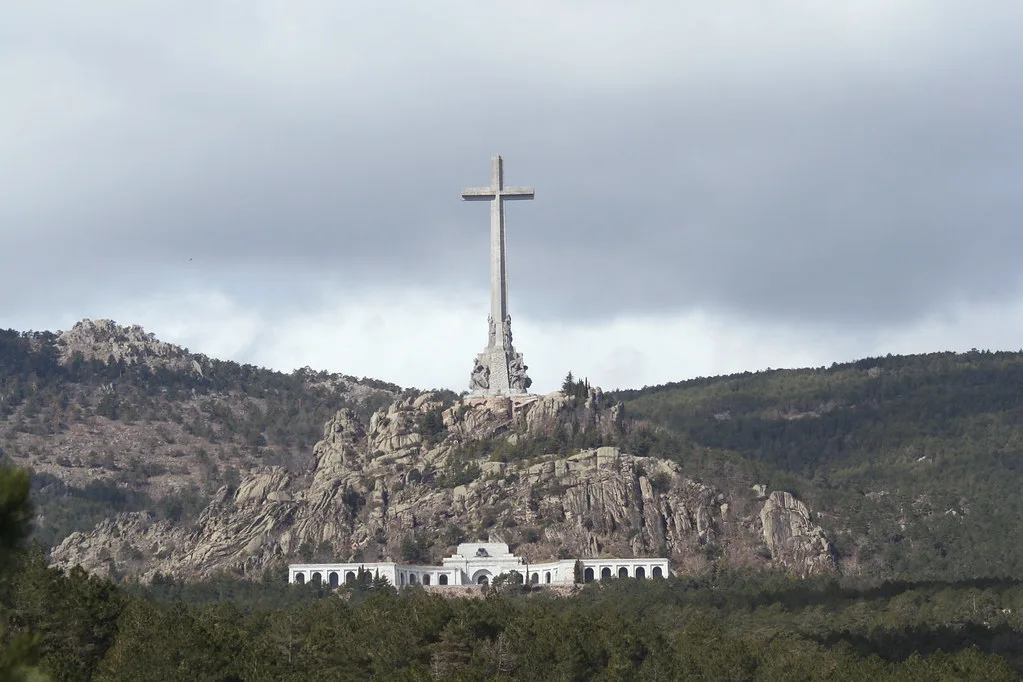
Featured image: Godot13, CC BY-SA 4.0, via Wikimedia Commons.
Valley of the Fallen name and status: what to know first
Search results still use the old name, but official sources now say Valle de Cuelgamuros. Use both names when you search for tickets or transport. Patrimonio Nacional, the state body that manages the site, publishes the current visitor information for Cuelgamuros. Spain's Ministry of Territorial Policy and Democratic Memory is the government source for the site's legal status and naming.
The monument was commissioned by Franco's regime after the Civil War. Historians and official accounts describe it as a memorial built with labour that included political prisoners. It holds burials from both sides of the war. Spaniards disagree about what it should represent, and the visitor programme and exhibit have changed over time. Treat any older article, including pages that predate the rename, as possibly out of date.
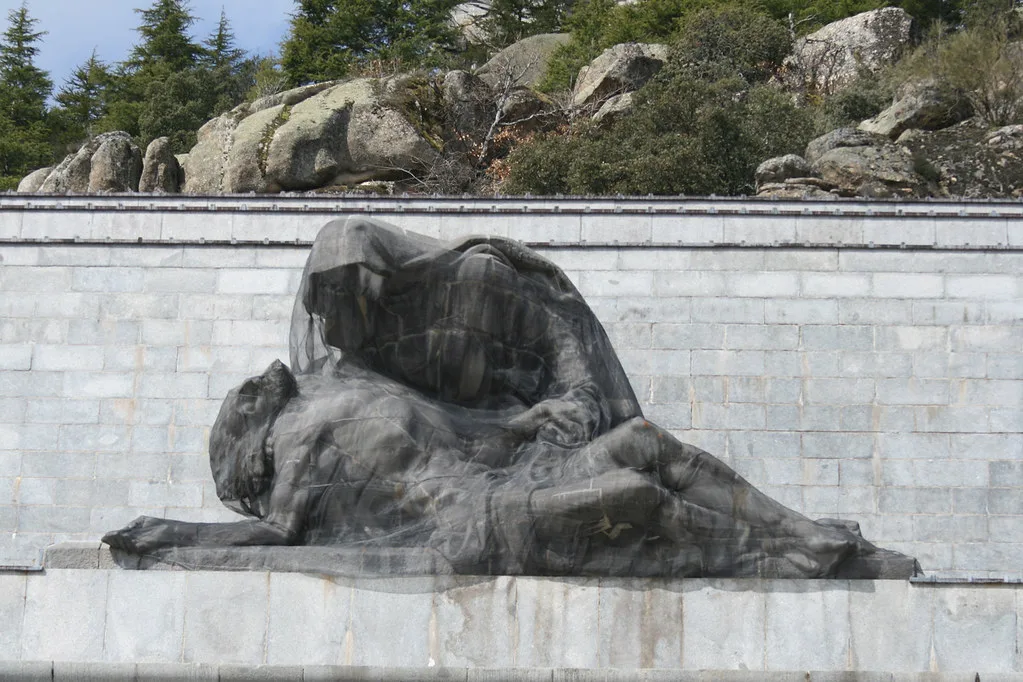
Who is buried at Cuelgamuros, and where is Franco now?
Franco is no longer buried at the Valley of the Fallen. The Spanish government had his remains removed from the basilica and reburied at Mingorrubio cemetery in El Pardo, Madrid. Older travel pages may still say his tomb is inside.
José Antonio Primo de Rivera, founder of the Falange, was executed in Alicante during the Civil War and later given a prominent tomb in the basilica. His remains have also left the site and now lie in San Isidro cemetery in Madrid. Don't plan your visit around seeing either man's tomb at Cuelgamuros.
The war dead who are connected to the site
- Scale: the remains of more than 33,000 people were deposited at the monument, making it one of the largest burial sites linked to the Civil War.
- Both sides: the dead include people associated with the Nationalist and Republican sides. Many were transferred from graves and cemeteries elsewhere in Spain, in numerous cases without their families' consent.
- Identity: thousands remain unidentified. Some families have campaigned to recover relatives, a process complicated by the condition of the burial crypts and the remains.
These burials are why the monument's meaning is so disputed. The regime presented it in terms of its own victory and its fallen, and later also described it as a place of reconciliation. Critics point to the use of prisoner labour, the transfer of Republican dead and the place of honour once given to Franco.
Spain's Democratic Memory Law provides the current framework for the site, including its treatment as a place of memory and the claims of victims' families. As a visitor, don't expect to walk among individually marked war graves. Think of the basilica itself as part of a burial place, including areas where the dead are not visible to you. For background before you go, separate the history of the construction, which took nearly two decades, from the continuing debate over how the monument should be explained.
Getting there from Madrid
The site lies in the Sierra de Guadarrama, in the mountains northwest of Madrid. There is no metro line to it. You choose between driving yourself, joining a guided tour, or combining public transport with a final leg that you must check in advance. Our Madrid to Valle de Cuelgamuros route guide covers each option in detail.
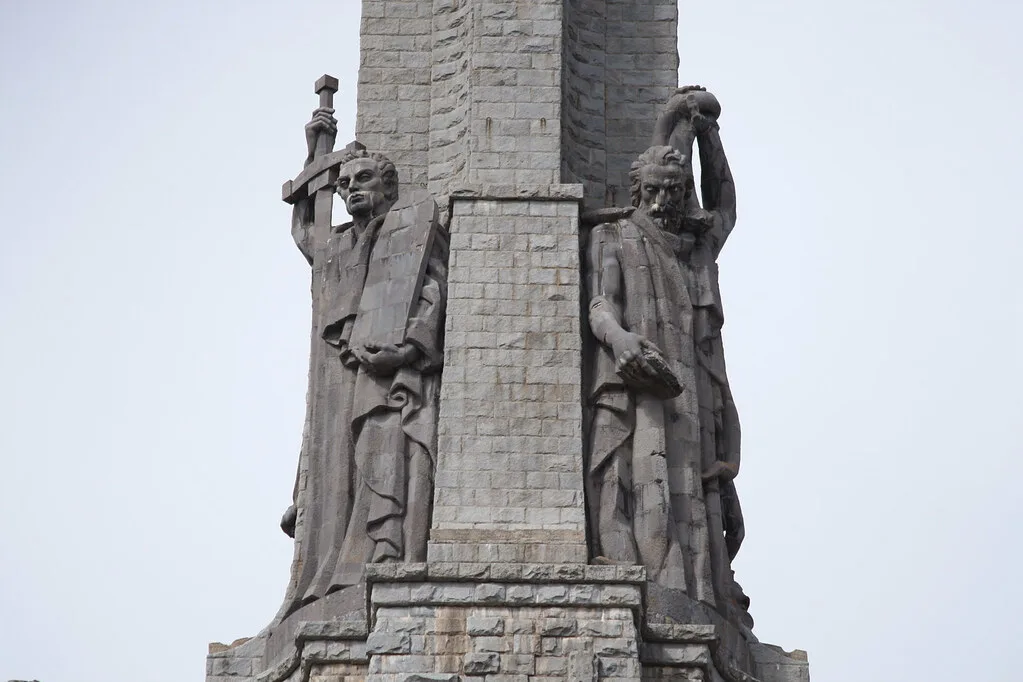
The last stretch from the entrance gate to the monument is the part most likely to catch visitors out. Whether you walk it, drive it or use a shuttle depends on current site arrangements. Ask the operator before you set out, particularly if you are arriving without a car.
| Option | Flexibility | Effort | Best for |
|---|---|---|---|
| Self-drive | High: you set your own hours | Mountain road and parking to manage | Combining with El Escorial in one day |
| Guided tour | Fixed schedule | Lowest: transport and context are included | First-time visitors who want history explained |
| Public transport | Tied to timetables | Highest: includes a final leg to verify | Travellers without a car on a flexible day |
Tickets, opening times and visitor rules
Entry conditions, opening days and any booking requirement are set by Patrimonio Nacional and have changed in recent years. Prices and hours were last checked in November 2026 only against the operator's public pages. They were not confirmed to a fixed figure, so read the official page for today's fee, closed days and last entry before you leave Madrid.
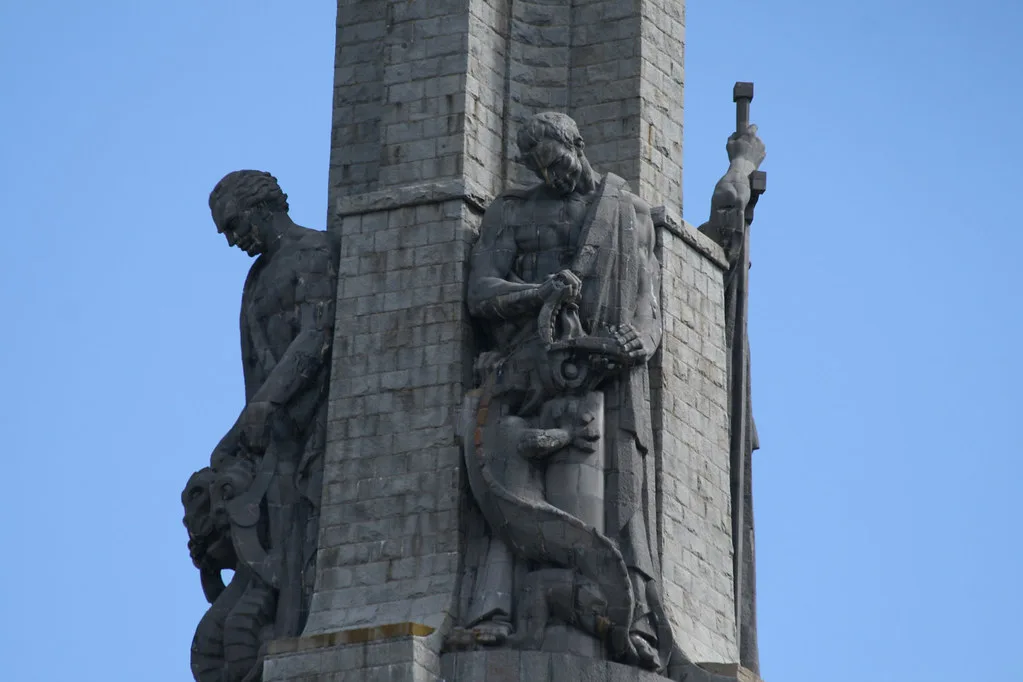
The site publishes conduct expectations for visitors. Expect to dress and behave as you would at a cemetery. Follow any limits on photography or access signposted at the basilica.
What you will see and how long to allow
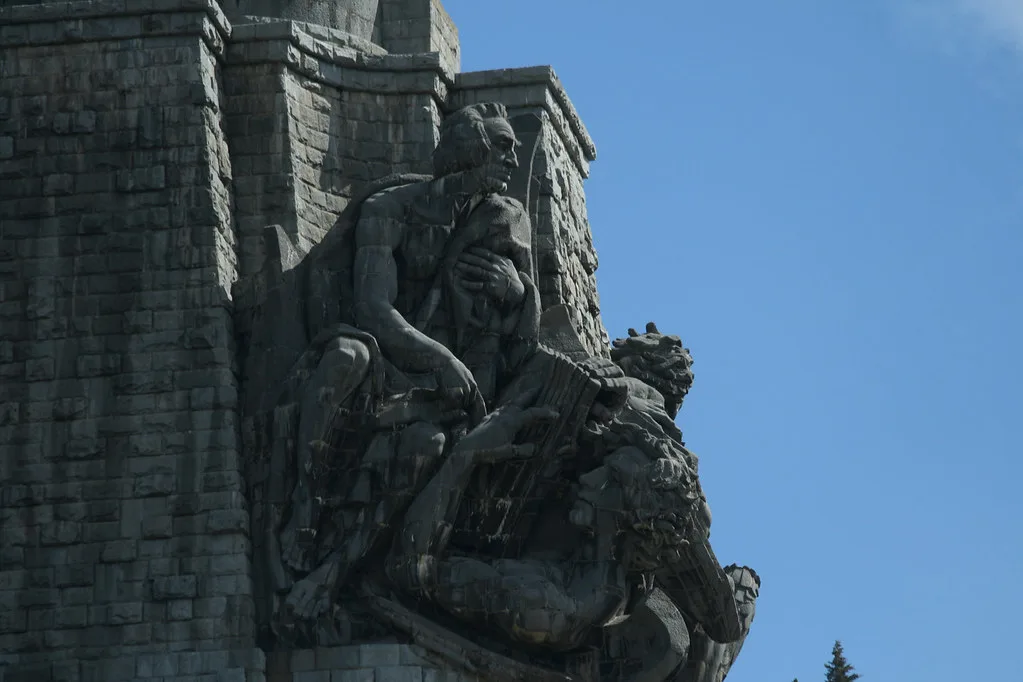
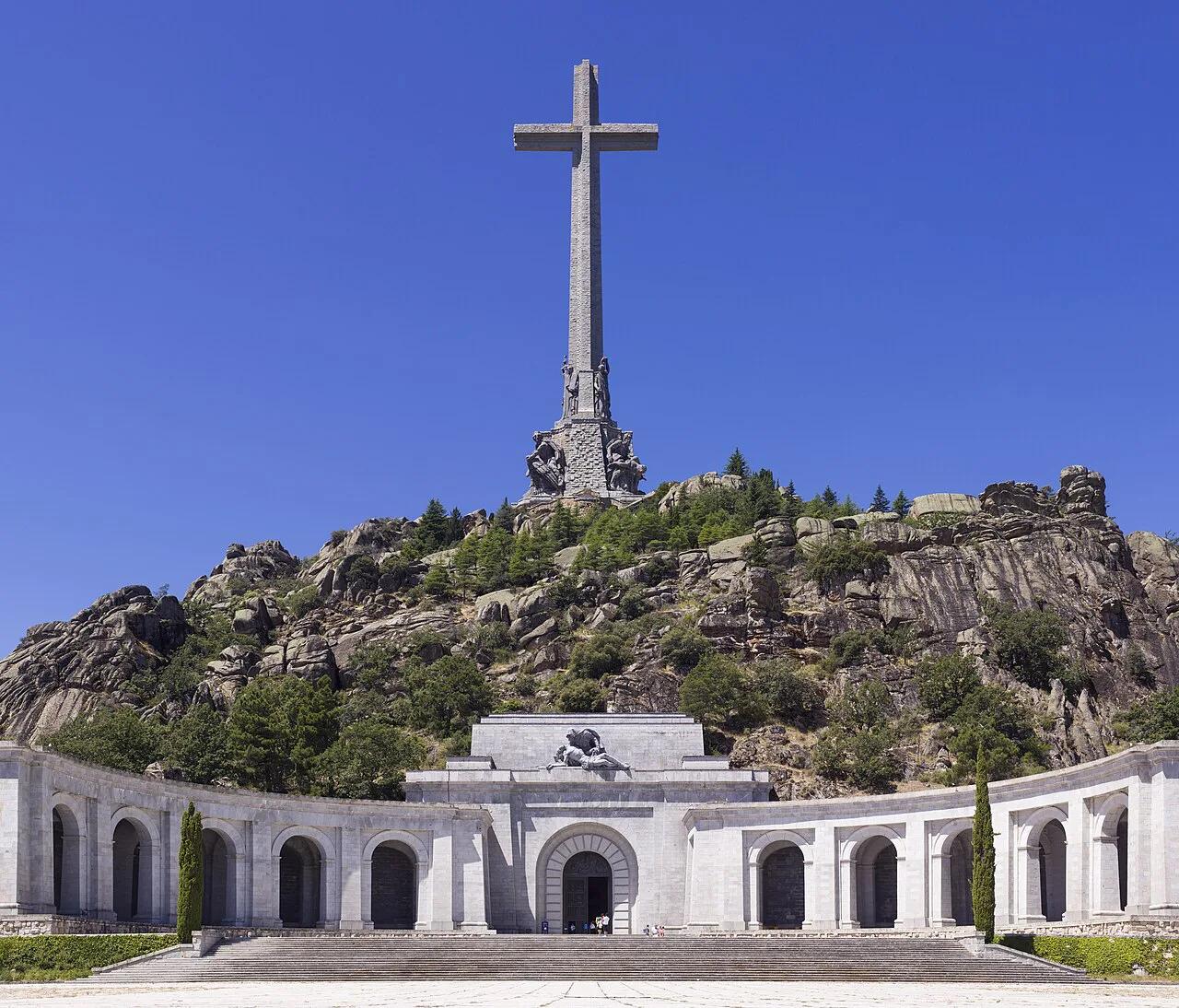
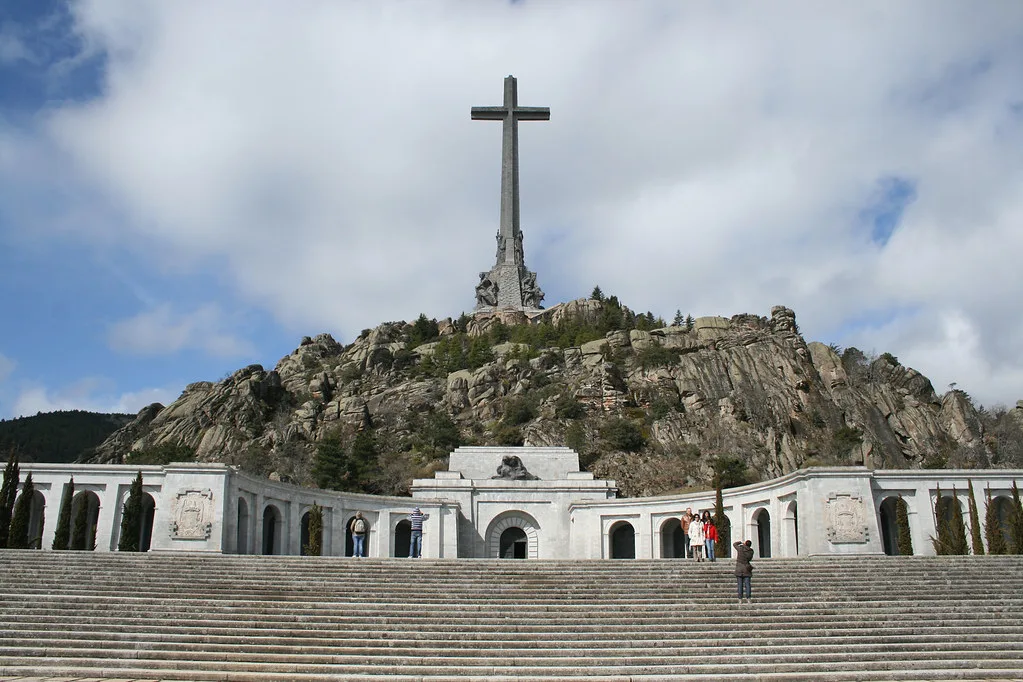
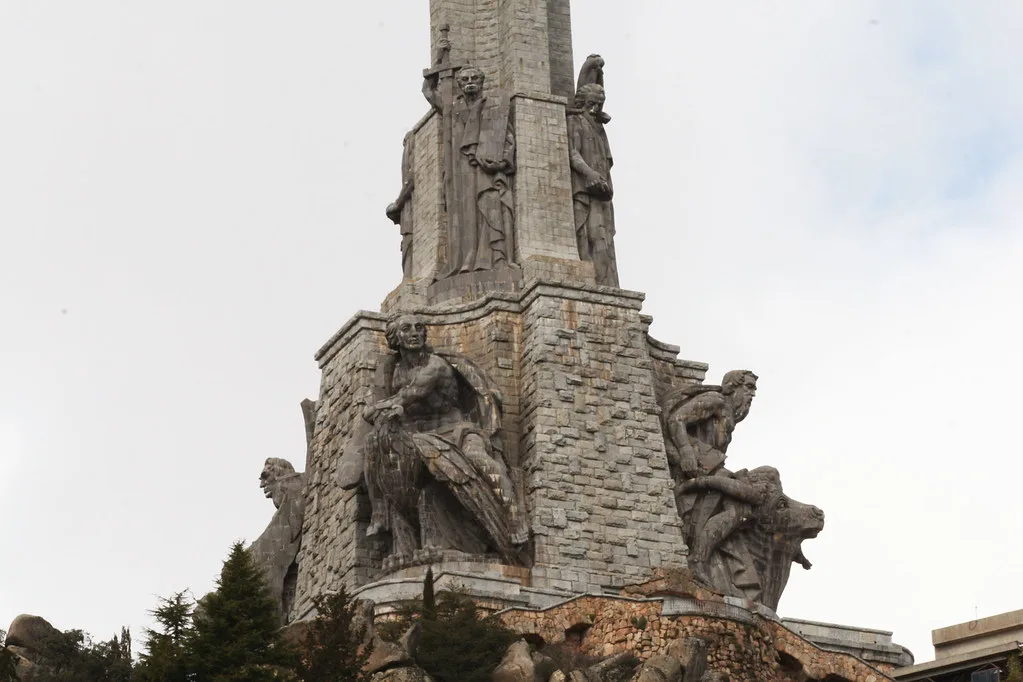
The main feature is the basilica cut into the rock, topped by a large cross that is visible across the sierra. Access to the interior, the cross and any viewpoint depends on current arrangements, so check the official page for which areas are open. Mountain terrain, long approaches and open exposure mean the visit takes more time than the map suggests.
Allow a half day if you visit it alone. Add extra time for the approach road and the walk from parking. If the exhibit or guided programme is running, it will lengthen your visit.
Combining Cuelgamuros with El Escorial
San Lorenzo de El Escorial is the nearest town, which makes a combined day practical. Visit the monument first while the mountain light and temperatures are easier, then continue into town for the monastery and lunch. Our El Escorial and Valley of the Fallen day plan sets out the routing and time budget in full.
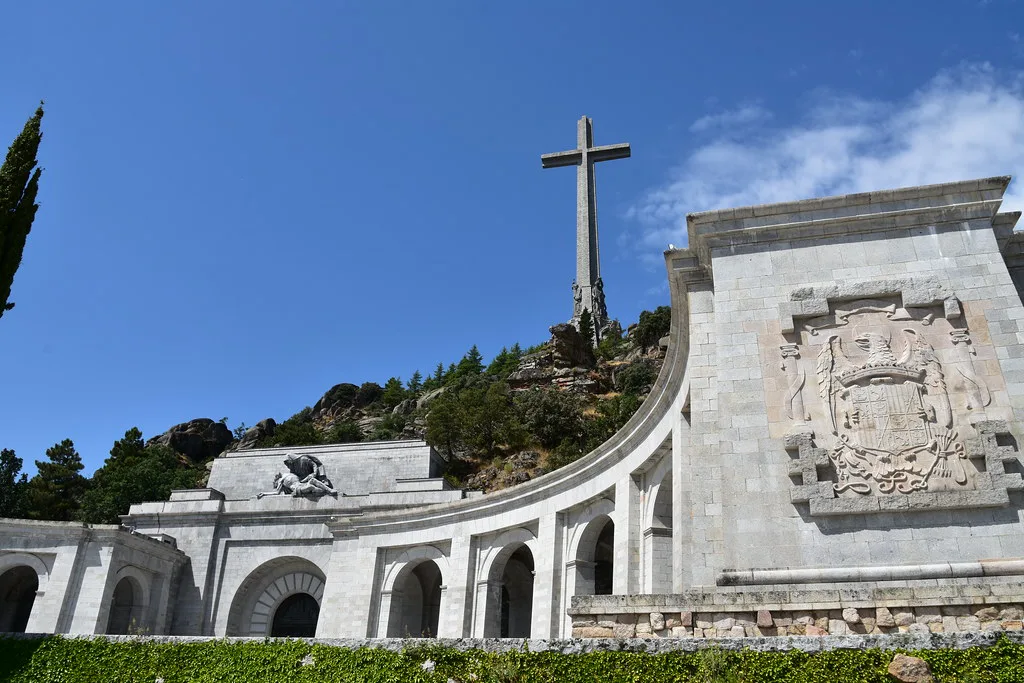
Keep the plan simple. Two sites with queues and security checks fill a day, so avoid adding a third stop.
Who should go and who might skip it
Go if you are tracing the Civil War and its aftermath, or if you want to understand how Spain handles memory of the Franco period. Skip it if you have limited time in Madrid and want light sightseeing. Travellers who cannot manage a long approach or uneven ground should check access details first.
The site makes most sense as part of a wider route. Start with our guide to Spanish Civil War sites to choose between stops.
Practical tips: weather, mobility and conduct
This is a mountain site. Weather can turn colder and windier than in Madrid, and parts of the approach are exposed. Bring layers, water and sturdy shoes. Food options near the monument are limited, so plan to eat in San Lorenzo de El Escorial and check what is open on arrival.
Please keep conversation low inside the basilica. The site is a burial place for many families and a politically charged memorial. Avoid commentary or gestures that treat it as a stage for a political view.
Continue your Civil War route
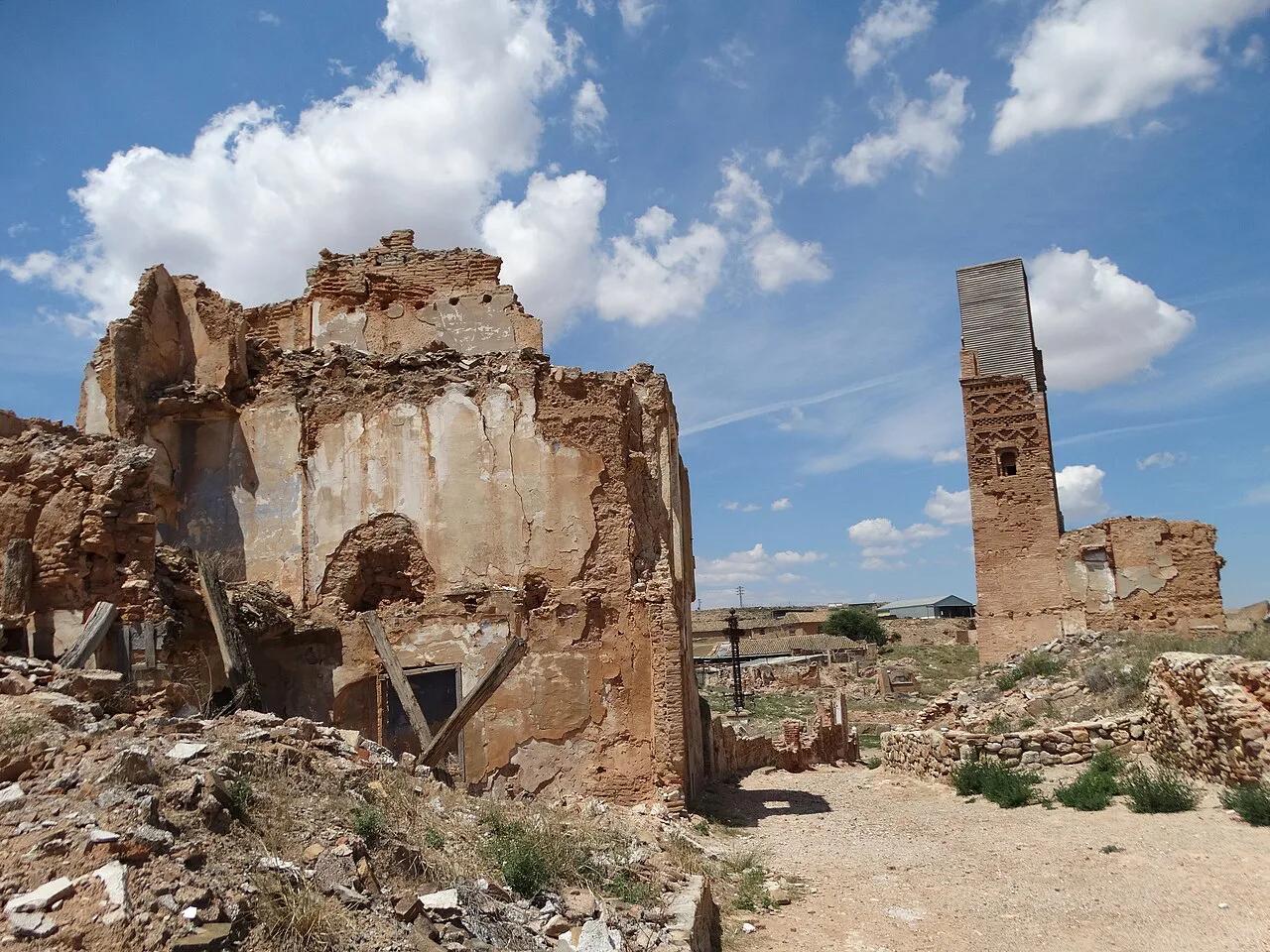
Each of these sites shows a different side of the war than Cuelgamuros. The ruined town of Belchite is a battle-damaged village left standing. Gernika's peace museum focuses on the 1937 bombing and its aftermath. Battle of the Ebro Sites: Visiting the 1938 Battlefield cover a long river campaign. Jarama Battlefield: Visiting Guide From Madrid sits close to Madrid. Teruel's Civil War history covers a winter siege.
Frequently Asked Questions
Who built the Valley of the Fallen?
Franco's regime commissioned it after the Civil War. Historians describe the construction workforce as including political prisoners. For the official account of the site's history and current status, see Patrimonio Nacional and the Ministry of Territorial Policy and Democratic Memory.
Keep planning
Guides on the same trip