Omaha vs Utah Beach: Which D-Day Beach to Visit
Omaha vs Utah Beach compared on sights, time, access, crowds and cost. Get a clear pick for one day, half a day, kids or no car.
In this guide
Last updated November 2026. In the omaha vs utah beach decision, choose Omaha if you have one day and want the memorial, cemetery and Pointe du Hoc close together. Choose Utah if you have a car, a second day, or a particular interest in the airborne and US VII Corps story. Both beaches are free to walk, so the choice comes down to time, transport and what you want to see.
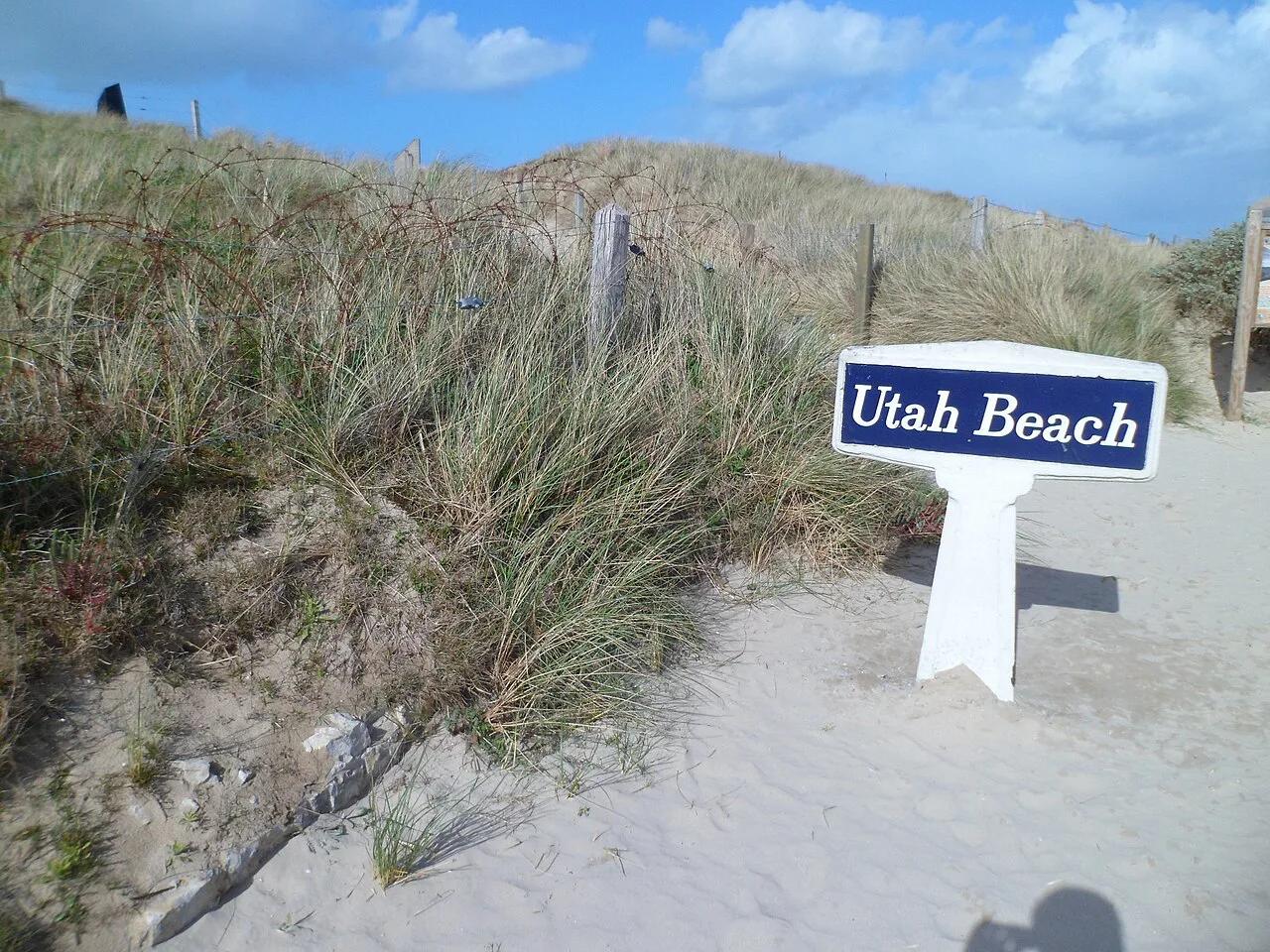
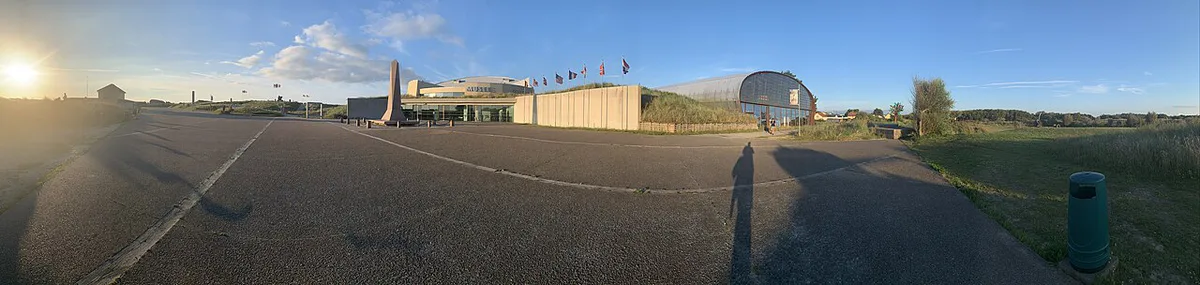
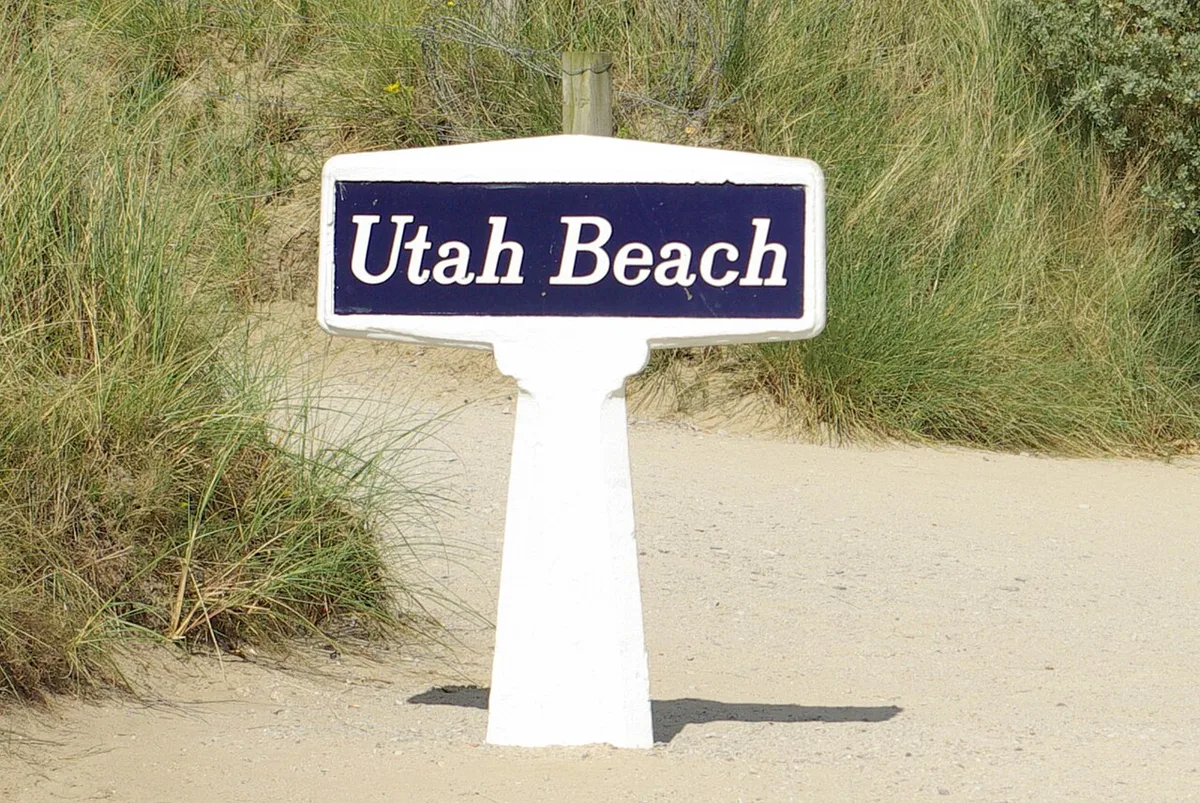
Featured image: Xfigpower, CC BY-SA 3.0, via Wikimedia Commons.
Omaha vs Utah Beach at a glance
Use this table as a quick decision matrix. Costs are typical estimates in euros, so check each official site for current rates before you go. Beach access is free at both.
| Criterion | Omaha Beach | Utah Beach |
|---|---|---|
| What you see | Long open beach, bluffs, cemetery, memorial, museums, Pointe du Hoc nearby | Flatter, quieter shoreline, Utah Beach Museum, inland sites |
| Combining stops | Easy: Pointe du Hoc, Colleville-sur-Mer, Vierville-sur-Mer | More spread out; plan inland drives |
| Time needed (estimate) | Full day, or 3-4 hours for the essentials | 2-3 hours, longer with inland stops |
| Getting there | Base in Bayeux; car or tour | Car strongly preferred |
| Crowds | Busier, especially in summer | Generally quieter |
| Typical cost (estimate) | Beach €0; museum entry about €8–€15 | Beach €0; museum entry about €8–€15 |
| Best for | First-timers, families, no-car visitors on a tour | Repeat visitors, history readers with a car |
Omaha Beach: what you get and who it suits
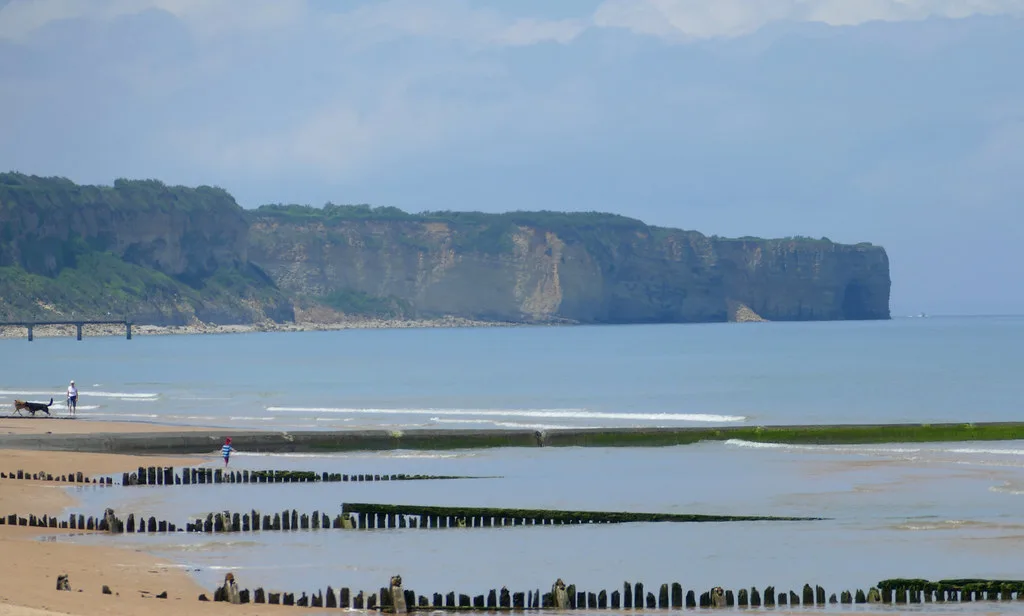
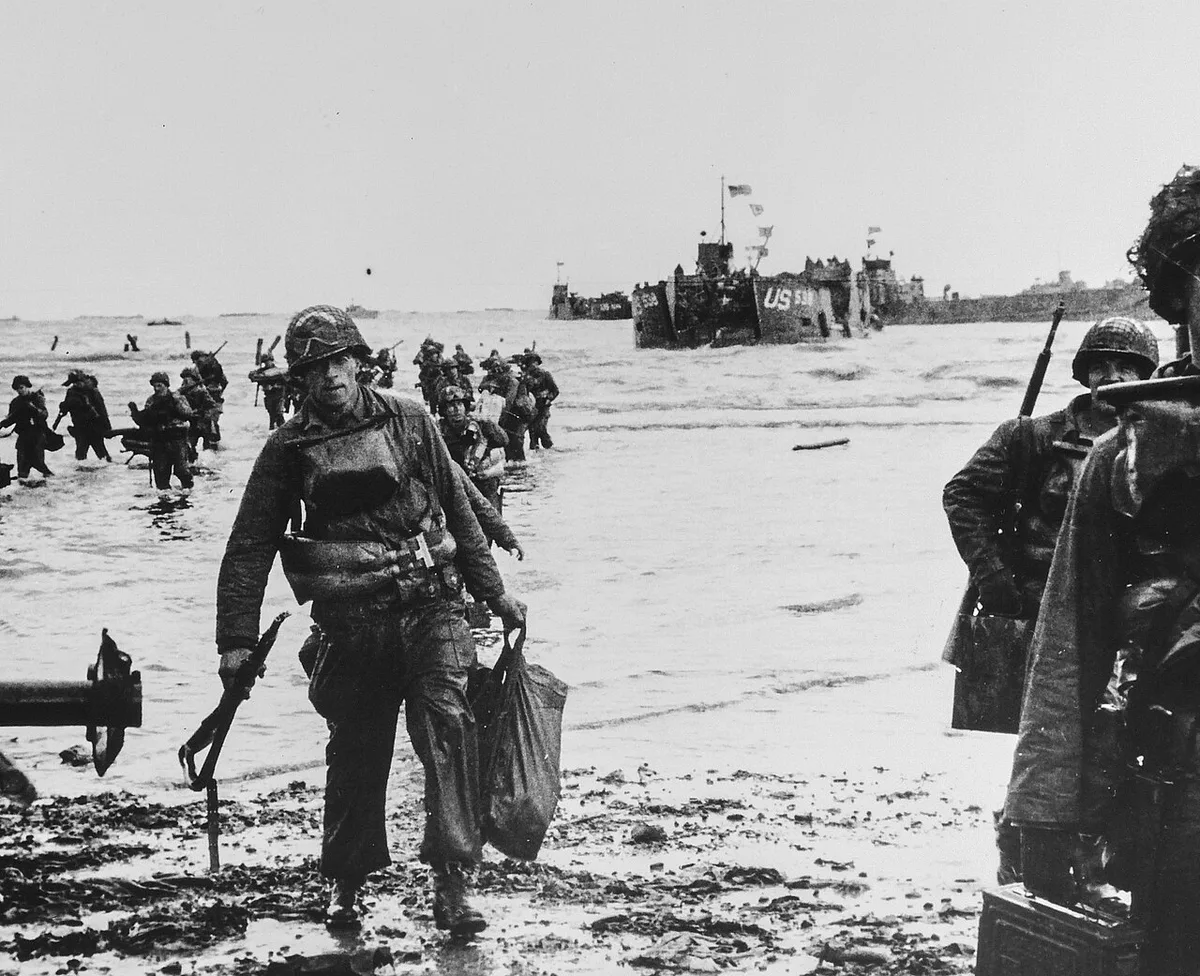
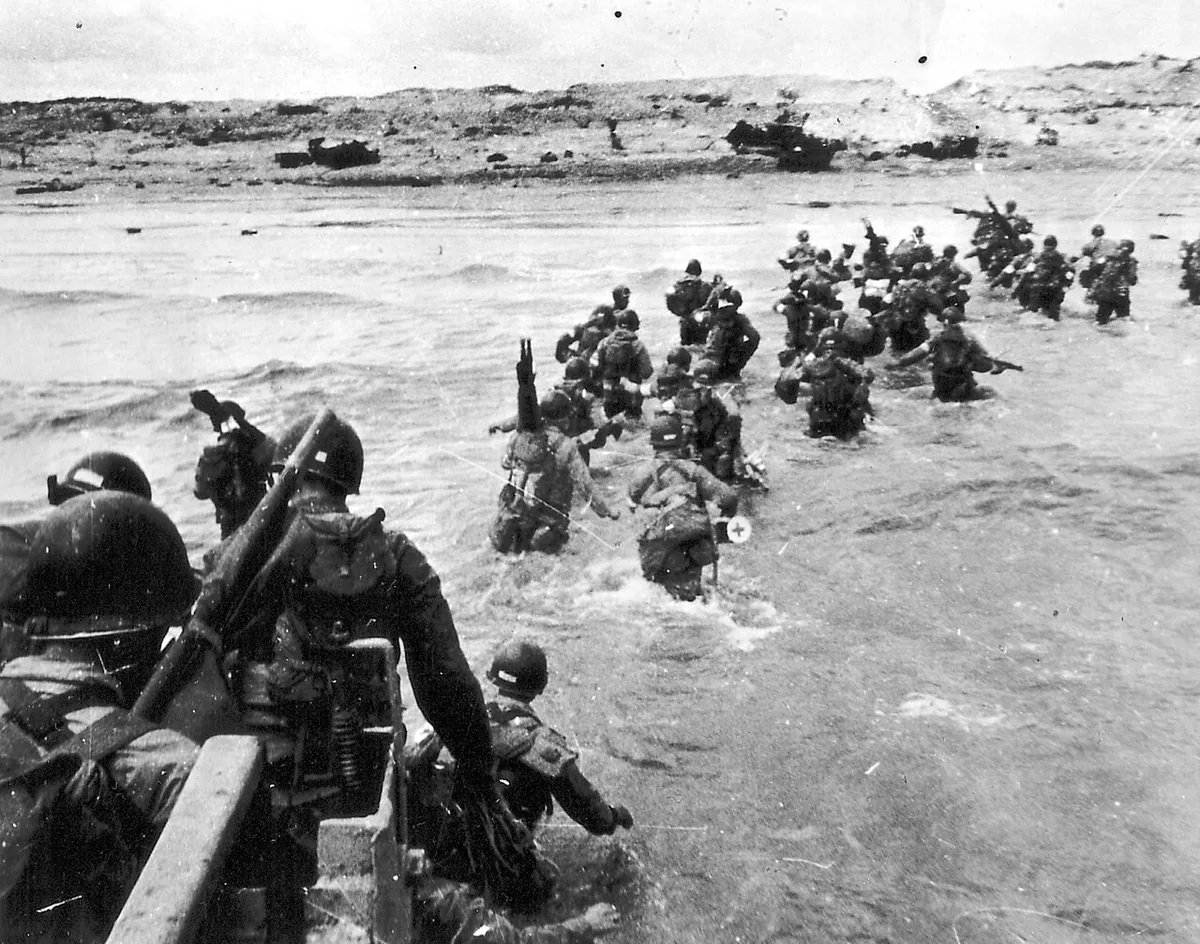
Omaha gives you the most concentrated D-Day day in one area. Start at the Omaha Beach shoreline, where the bluffs rise behind a long, open stretch of sand. Then add the memorial on the beach for a sense of the landing area. The Normandy American Cemetery sits above the beach and is a place of mourning, so keep voices low and follow the signed rules on site.
- Museums: the Overlord Museum, Omaha Beach: Hours, Tickets & Worth It? holds vehicles and equipment, and the Musée Mémorial d'Omaha Beach covers the landing itself.
- Nearby stops: Colleville-sur-Mer and Vierville-sur-Mer both fall within the Omaha area.
- Clifftop battery: Pointe du Hoc: Visitor Guide, What to See & How to Visit is a short drive along the coast.
- Best for: first-time visitors, families, photographers and anyone relying on a tour from Bayeux.
Utah Beach: what you get and who it suits
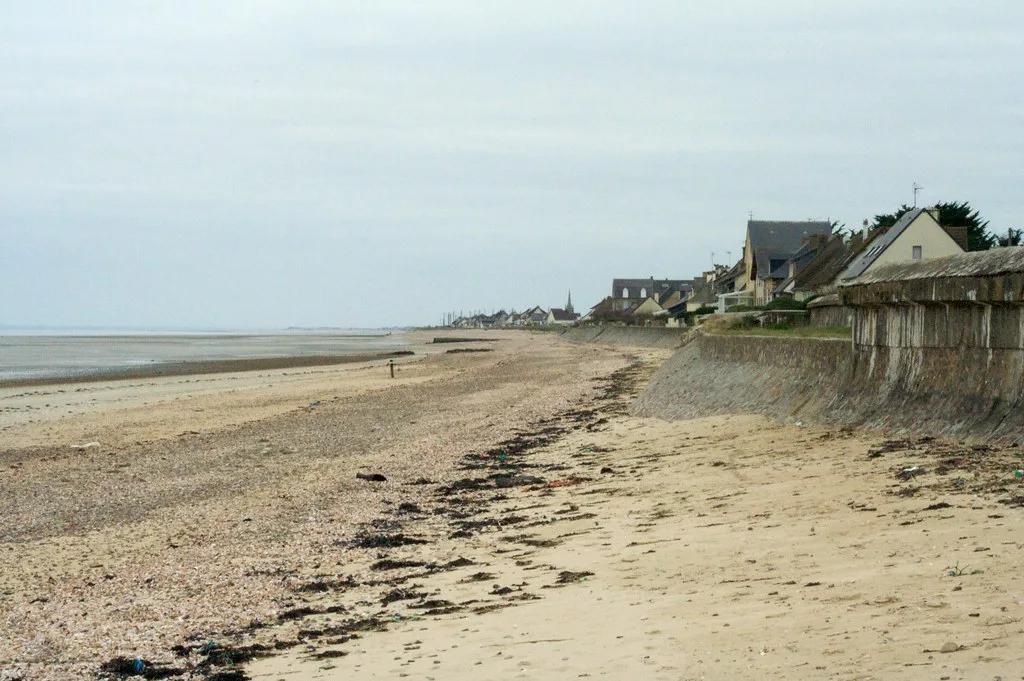
Utah feels different on the ground. The shoreline is flatter and quieter than Omaha's bluff-backed sand. The Utah Beach Museum is the main anchor, and you can walk the beach beside it. Plan roughly 2 to 3 hours here as an estimate. Sites around Utah sit further apart, so you will drive between them. That makes Utah a better second visit, or a good fit if the airborne and VII Corps story is your main interest.
How to choose: one day, half a day, kids or no car
Pick by your constraint. With one full day, choose Omaha and add Pointe du Hoc. With half a day, which is about 4 hours, stay at Omaha and see the beach, the memorial and the cemetery. Skip Utah unless you already have a car and a strong reason. With children, Omaha is easier because the stops are close and the beach walk is simple. Without a car, base yourself in Bayeux and use a guided tour. Bayeux Bessin Tourisme lists local options on its visitor information site. Tours for Omaha typically run about €60–€150 per person as an estimate. For a deeper look at the trade-offs, read our guide to an Omaha Beach Tour: Formats, Time on the Sand and Costs.
Half a day gives about 4 hours, enough for Omaha's beach, memorial and cemetery, so Utah is better saved for a longer visit.
Doing both beaches in one trip
Allow two days if you want both. The drive between the beaches is roughly 30 miles, or about an hour each way, as an estimate. Do Omaha first. Its cemetery, museums and Pointe du Hoc give you the core story. Utah then adds the western landing and the inland context. If you have extra time at Omaha, Maisy Battery: Hours, Tickets & Visit Guide is a worthwhile combination stop. Check opening times on the official Maisy Battery site before building a day around it.
Practical tips: tides, parking, etiquette and cost
Check the tide table before you walk either beach, because high water narrows the sand and wind makes the open stretch feel colder. Parking near the Omaha sights fills up in summer. Our guide to Omaha Beach Parking: Where to Park by Site lists the main options. Beach access costs €0 at both locations, and museum entry is typically about €8–€15 each as an estimate. Opening hours shift in shoulder season and some venues close for part of winter, so confirm dates on the official museum sites. At memorial and grave areas, stay on paths, avoid climbing on monuments and keep noise down.
Museum entry at €8–€15 each means a two-beach trip can add up, though both beach walks stay free.
Guided Tour or Self-Drive: Which Works Better?
Choose a guided tour if you are based in Bayeux without a car. It removes the need to coordinate parking and gives you context between stops. Omaha is the stronger tour choice because its main sights are concentrated. Allow 3–4 hours for the essential beach, memorial and cemetery visit.
Self-driving gives you more flexibility for Utah and the inland sites. Utah needs about 2–3 hours at the beach and museum alone. Add extra time if you want to connect it with airborne locations. The two beaches are roughly 30 miles apart, with a drive of about 1 hour each way.
Tour prices for Omaha typically run about €60–€150 per person, depending on the route and group size. A car can cost less for a group and makes a two-day plan easier. A tour is usually the simpler option for one focused day at Omaha.
Frequently Asked Questions
Which is the best Normandy beach to visit?
Omaha is the better pick for most first-time visitors. The beach, cemetery, museums and Pointe du Hoc sit close together. Utah suits a second day or a visitor with a car.
Where was Omaha Beach?
Omaha Beach lies on the Normandy coast in France. Its landing area runs between Vierville-sur-Mer and Colleville-sur-Mer.
Keep planning
Guides on the same trip