German Occupation Museum Guernsey: Visitor Guide
Plan a visit to Guernsey's German Occupation Museum: what you'll see, how long to allow, how to get there and how it compares with other occupation sites.
In this guide
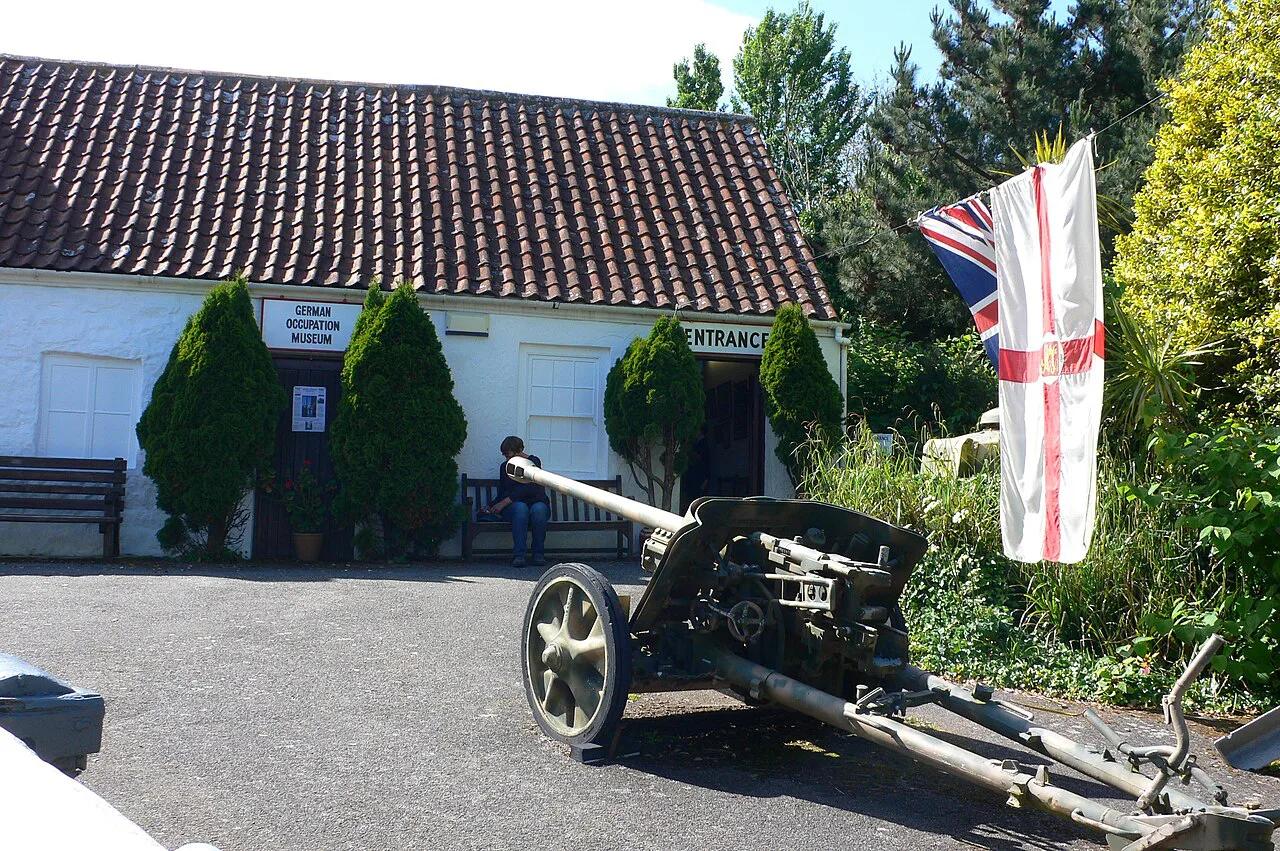
Last updated November 2026. German Occupation Museum Guernsey is a privately run museum at Les Houards in Forest parish, holding collections of Occupation-era artifacts and re-created scenes. It covers the 1940–1945 German occupation through personal objects, documents and the experience of islanders. This guide explains what is inside, how long to allow and how it compares with other 8 Channel Islands Occupation Sites to Visit Today sites.
Featured image: Heather Cowper, CC BY 2.0, via Wikimedia Commons.
Quick Answer: Is the German Occupation Museum Worth Visiting?
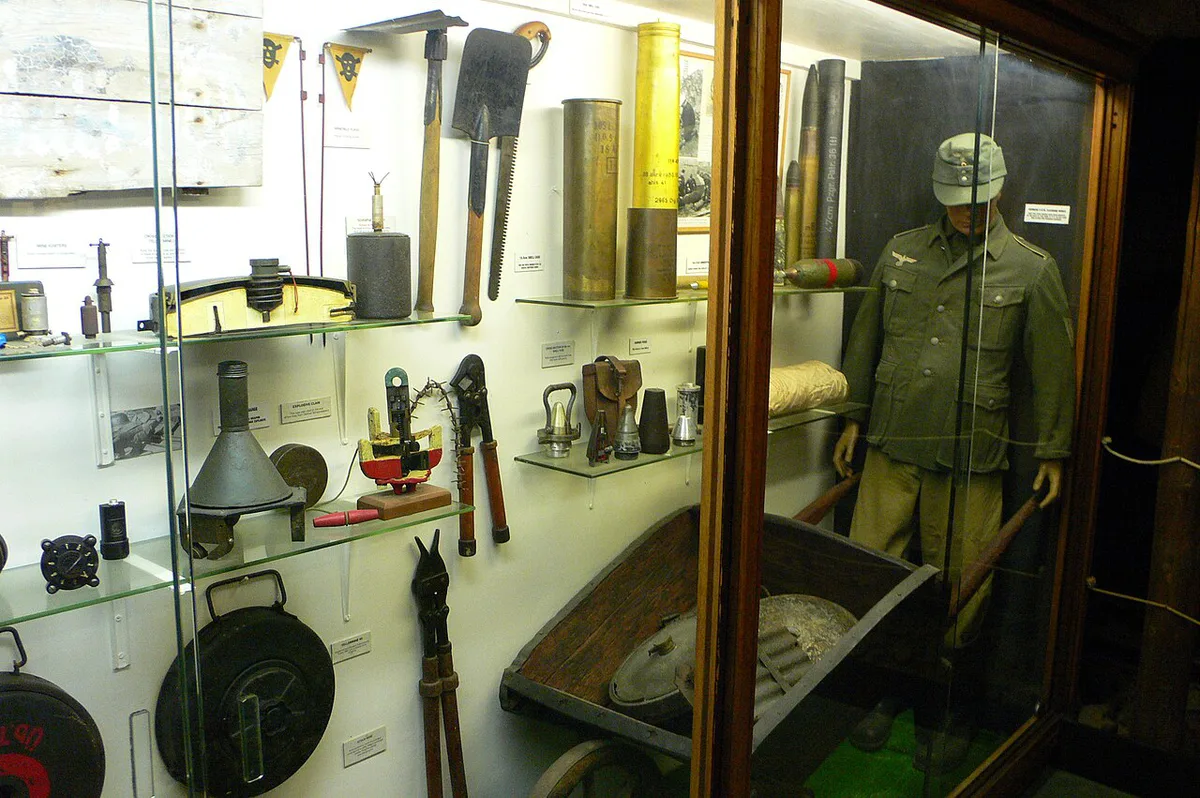
Yes, if you want the civilian side of the Occupation rather than only concrete and tunnels. It is a small, independent, collection-led museum, not a large state-run institution. Expect objects, documents and re-created streets rather than interactive galleries.
- Go if you are interested in everyday island life under occupation, deportations and original wartime items.
- Go if you want an indoor stop that suits a wet day.
- Skip it if you only want fortifications and underground passages. The island's bunker and tunnel sites suit that better.
Practical Details: Location, Hours, Tickets, Parking
Directory listings give the address as Les Houards, Forest, Guernsey, GY8 0BG, and the phone number as (01481) 238205. Hours, seasons and admission change, and none are published in the sources we hold. Prices and hours are not stated here for that reason. Use the museum's official website for the current opening season, admission and accessibility. Visit Guernsey lists the island's other attractions for comparison.
- Address: Les Houards, Forest, Guernsey, GY8 0BG
- Phone: (01481) 238205
- Opening season, days and admission: official website
- Parking and accessibility: official website, or phone ahead
What You'll See Inside
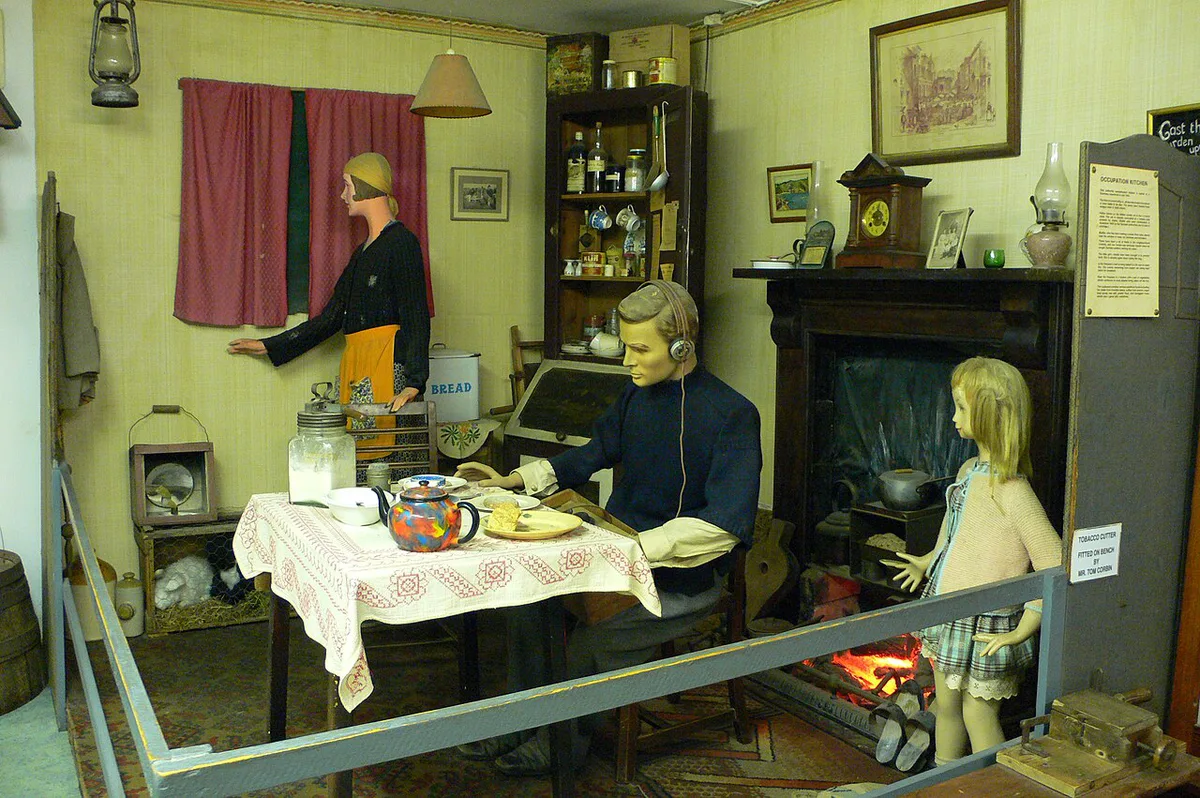
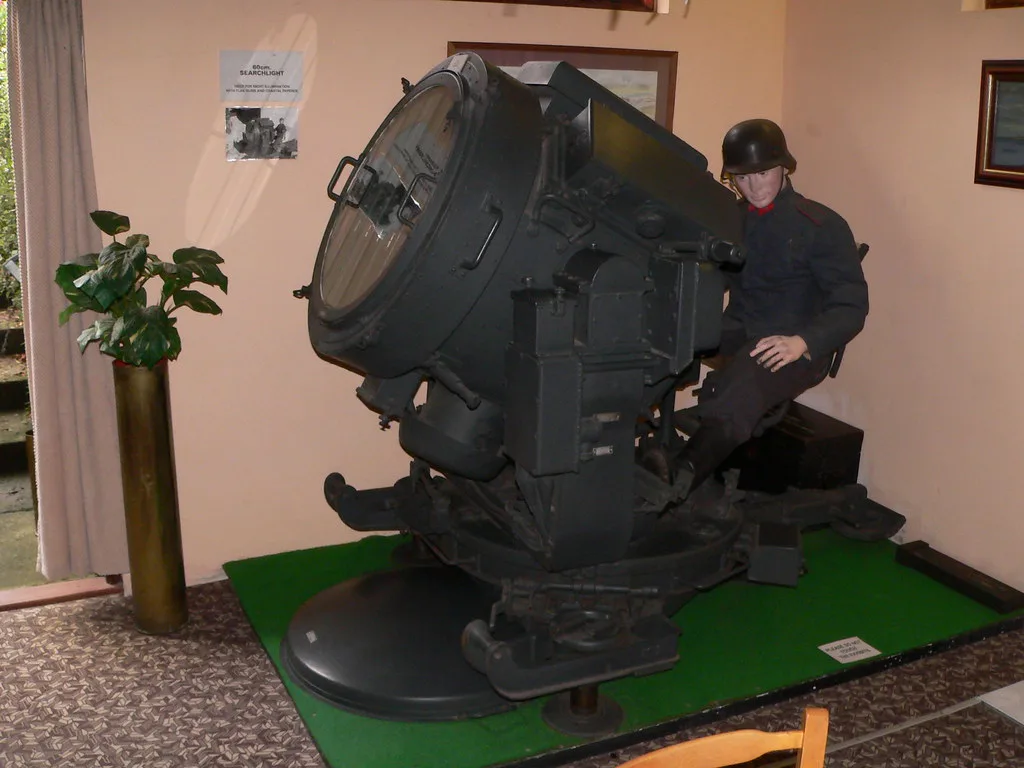
The museum grew from one man's collection. Owner Richard Heaume began as a schoolboy gathering spent bullets in local fields. In June 1966 his parents let him display the collection in a cottage opposite their house. Purpose-built extensions followed, and each one adds a distinct area to the visit.
- 1966: the original cottage display of artifacts
- 1976: transport corridor and tea room extension
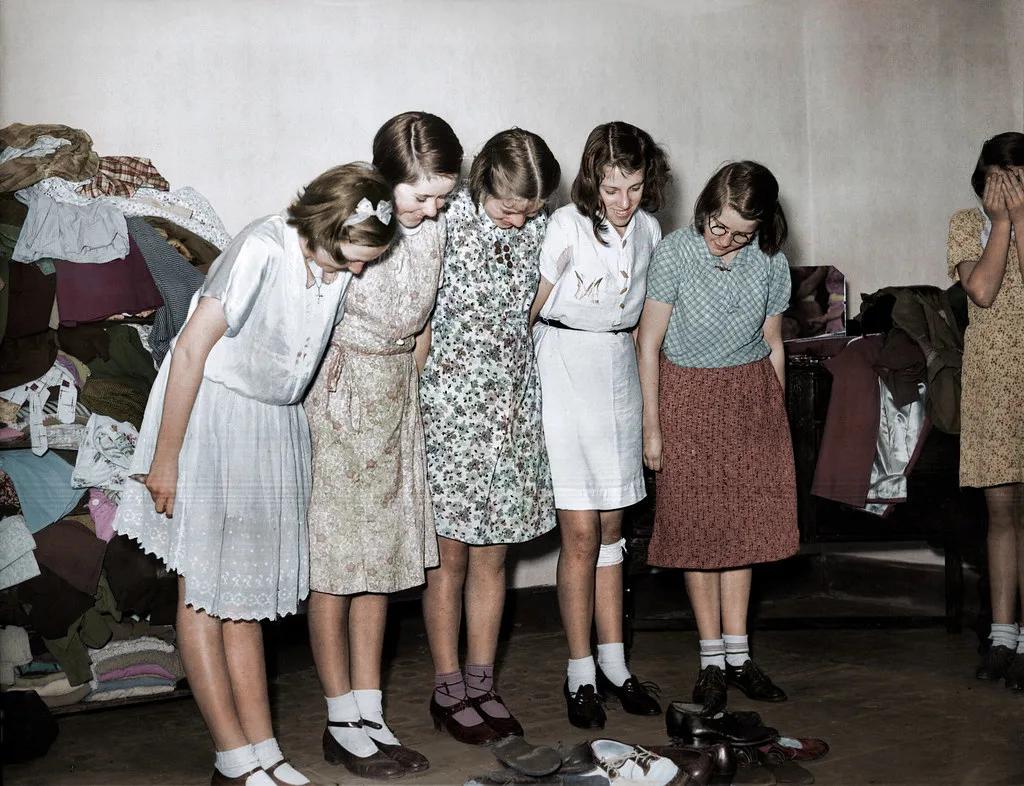
- 1987: Occupation Street, with re-created street frontages
- 2001: a small prison display on deportees from the islands
Deportation and Civilian Experience
The prison display is the part that separates this museum from bunker-focused sites. It records the deportation of islanders during the Occupation. Content here is sensitive, so read the details yourself before taking younger children. Treat the room as a place of remembrance and follow any visitor conduct guidance the museum publishes.
How Much Time to Allow and How to Fit It Into a Day
As a planning estimate, allow 1 to 2 hours, since the museum is a cottage with extensions rather than a large complex. Pair it with another site on the same day. The German Underground Hospital gives a contrast between civilian objects and wartime construction. Pleinmont Tower, Guernsey: What It Is and How to Visit adds a coastal stop on the island's southwest side. Check each site's opening season before fixing the order of the day.
Getting There From St Peter Port and the Airport
Forest is Guernsey's highest parish, rising to about 330 ft (100 m). It is inland and southwest of St Peter Port. Drive, take a taxi, or use the island's public buses, whose current routes and nearest stop you should confirm with the bus operator. Ask the museum about parking before you set off. Journey times are not given in the sources we hold, so plan using a live map.
Which Guernsey Occupation Site Should You Choose?
Choose by interest first, then by weather and time. Cells marked check are not confirmed here. See each official site.
| Site | Focus | Setting | Time needed | Best for |
|---|---|---|---|---|
| German Occupation Museum | Personal collection, Occupation Street, deportation display | Indoor displays | About 1–2 hours (estimate) | Civilian story, wet days |
| German Underground Hospital | Wartime construction and medical use | Check | Check | Fortification interest |
| Pleinmont Tower | Coastal defence on the southwest coast | Check | Check | Views and defences |
Visiting With Kids, Mobility Needs or Bad Weather
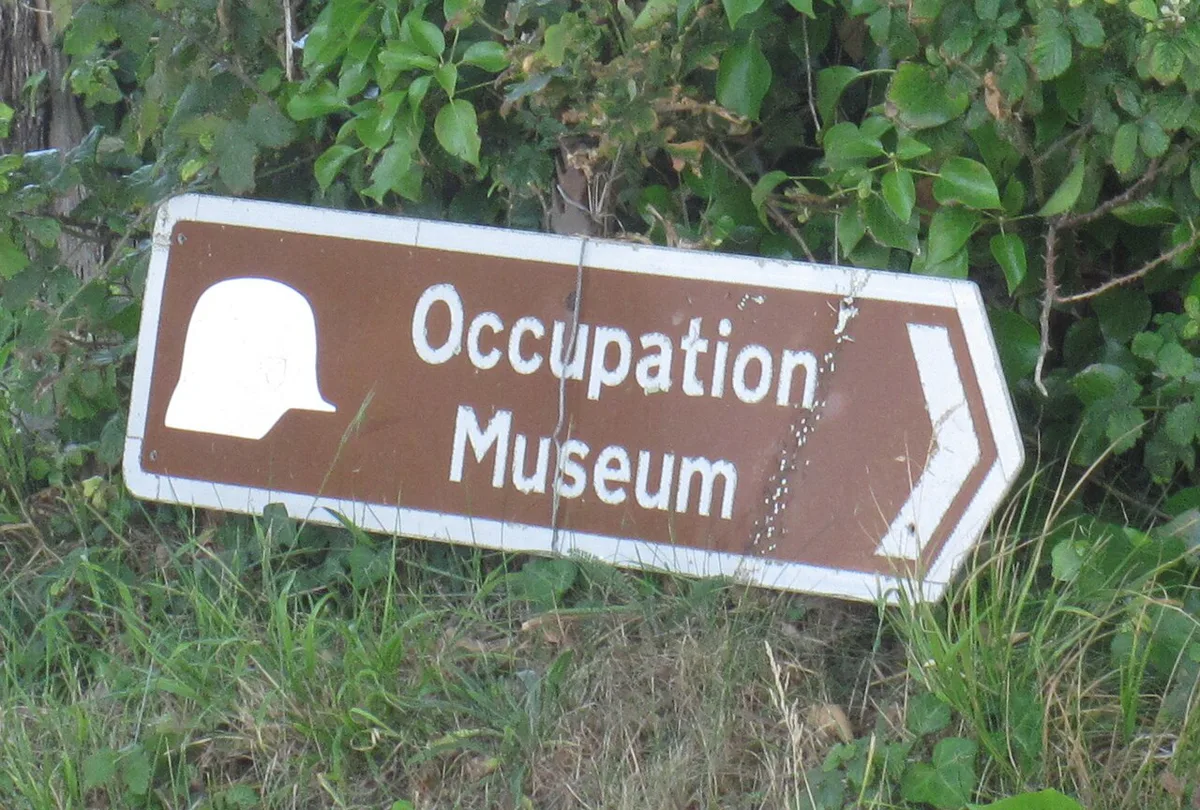
Much of the museum is indoors, so it works in rain. Accessibility for wheelchairs and walking aids is not confirmed here, because the cottage-with-extensions layout may include steps or narrow passages. Ask the museum directly. For children, the displays of objects and re-created streets are approachable, while the deportation material needs adult judgement.
Indoors and roughly 1 to 2 hours long, it works as a wet-day stop before an outdoor site.
- Avoid: assuming it is open all year
- Avoid: expecting a large institutional museum
- Avoid: rushing the visit
- Avoid: relying on directory listings for hours
Beyond Guernsey: Jersey, Alderney and the Wider Occupation Story
Visiting around 9 May? See our guide to Liberation Day events for timing context. Alderney's wartime story is a separate trip. Jersey has its own sites. The Jersey War Tunnels: Visit Guide, Tickets & Tips are a tunnel complex, with details on the Jersey War Tunnels official site. For coastal defences, see Jersey's wartime bunkers.
Planning a trip around 9 May? Check Liberation Day timing, and treat Alderney as its own trip, separate from Jersey's sites.
Frequently Asked Questions
Was Guernsey occupied by Germany in WWII?
Yes. Guernsey and the other Channel Islands were under German occupation from 1940 to 1945. The German Occupation Museum in Forest covers that period through original items and documents.
What are some unusual things to see and do in Guernsey?
Walk Occupation Street at the German Occupation Museum, where street frontages from the wartime years are re-created. Pair it with the underground hospital for a contrast in scale.
Keep planning
Guides on the same trip