D-Day Tours From Paris: Which One to Book
Is a D-Day day trip from Paris worth it? Compare shared, small-group and private tours, the 12–14 hour timing, extra costs and who should base in Bayeux.
In this guide
Last updated November 2026: D-day tours from Paris work as a single day, but the day runs 12 to 14 hours door to door. Choose a format, choose one sector, and expect a late return to the city. Compare every departure point on our D-Day tours hub.
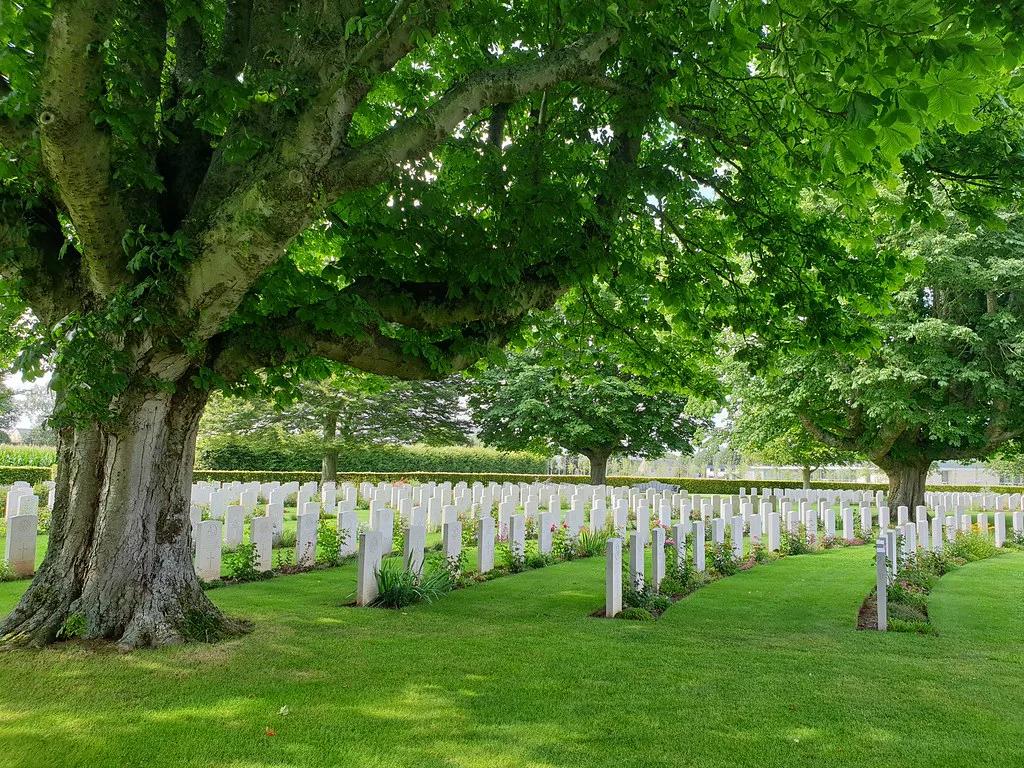
Featured image: Rennett Stowe from USA, CC BY 2.0, via Wikimedia Commons.
Quick answer: are D-Day tours from Paris worth it?
Yes, for most first-time visitors who treat Normandy as a reason for the trip. A one-day tour from Paris runs 12 to 14 hours and covers one sector properly. Omaha Beach, the Normandy American Cemetery and Pointe du Hoc make the most coherent circuit. Skip it if you arrive off a long-haul flight the night before, or if Paris is your only free day. Travelers who already know the campaign in detail do better with two nights in Bayeux.
How long the day really is
Paris to the Omaha sector is roughly 280 km. In clean traffic that is a little over three hours each way. Real traffic adds time, so a 6:30 a.m. pickup still puts you on the beaches mid-morning. One small-group listing publishes a 7am start and about 13 hours in total, with a group cap of 15. Plan on roughly six hours of driving. Expect to reach Paris after 7:30 p.m. if the cemetery visit and a seated lunch run to schedule. Tell the operator at booking if anyone gets carsick, because coach stops are scheduled rather than on demand.
Ending the day at 7:30–8:30 p.m. means an early pickup stretches it toward the 14-hour upper limit.
Shared, small-group or private: how to choose
Format changes the day more than the route does. Shared departures cost least and follow a fixed script. Small-group departures give you a guide you can question. Private days let you set the order and linger where the story lands. Compare private D-Day tour options if anyone in your party has limited mobility or wants a slower pace.
| Format | Group size | Typical day | Price tier | Best for | Main risk |
|---|---|---|---|---|---|
| Shared | Largest groups; check the listing cap | About 14 hours with lunch | Lowest | First visit, solo travelers, tight budgets | Fixed pace and little say over where you stand |
| Small group | Capped by the operator (one listing: 15) | Roughly 12–13 hours | Middle | Couples and friends who want to ask questions | Higher fare for the same core sites |
| Private | Your party only | You set the order | Highest | Families, historians, mobility limits | Poor value if you have not read a short briefing first |
What the main itineraries include
Listings differ sharply in which sites they name. Sort them into four types before you compare fares. A Paris day has room for one sector done well, so avoid listings that promise all of them.
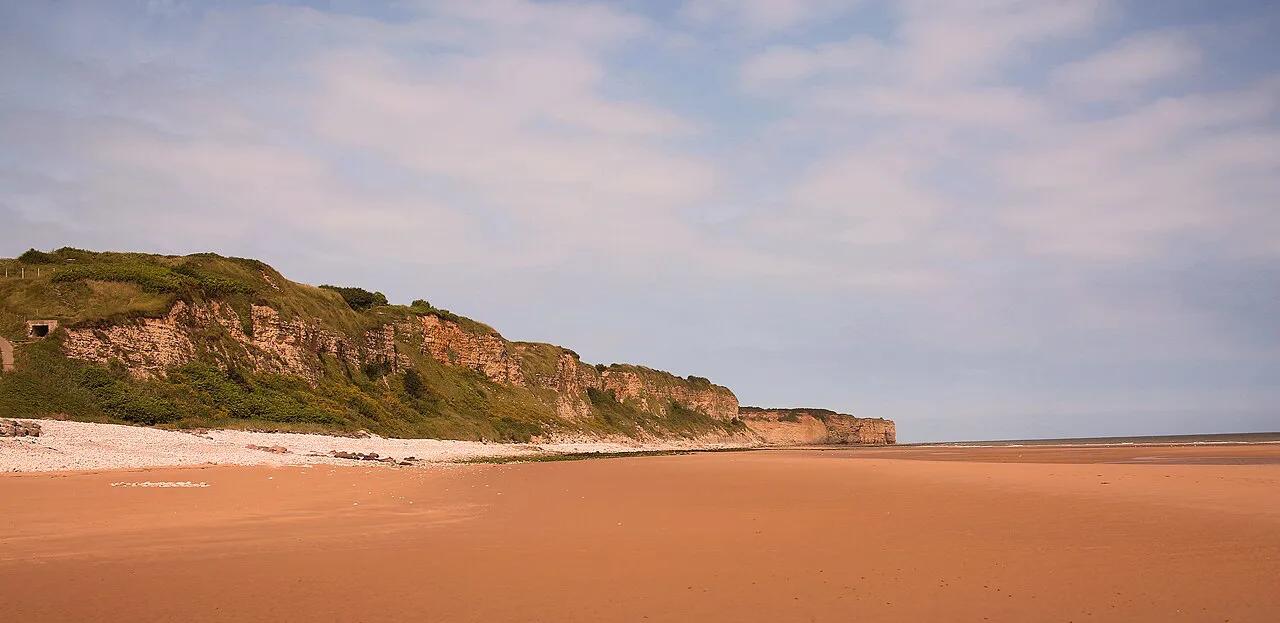
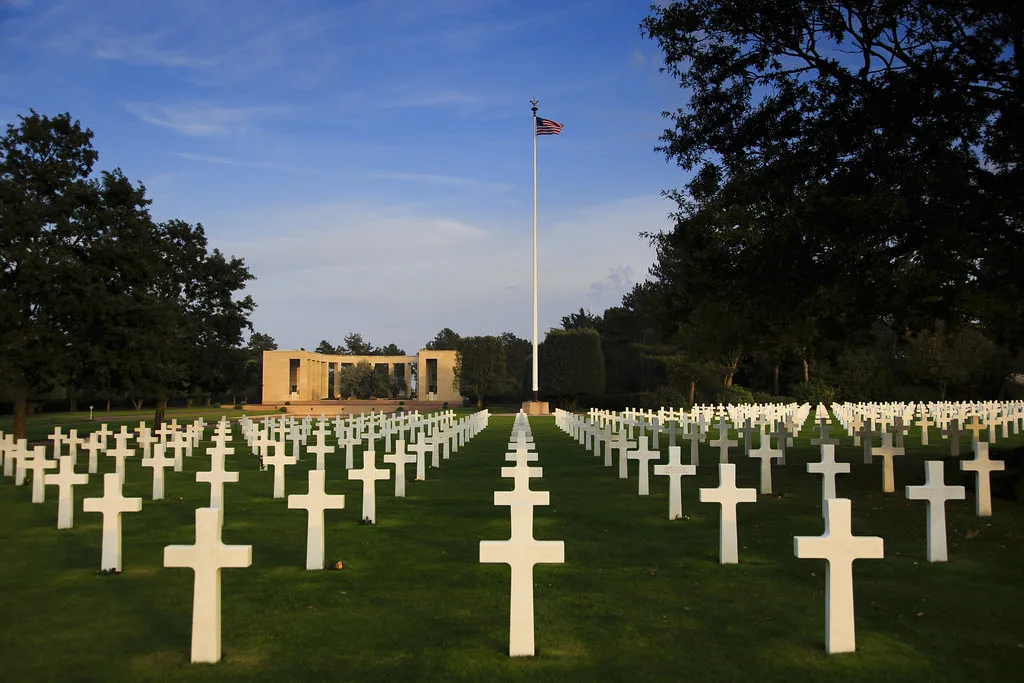
- American sector: Omaha Beach, the Normandy American Cemetery at Colleville-sur-Mer and Pointe du Hoc. This is the most common Paris circuit.
- Utah and Sainte-Mère-Église: adds the paratroop village and Utah Beach, often with a museum entry.
- Canadian sector: Juno Beach and the Juno Beach Centre, plus the Canadian cemetery at Bény-sur-Mer.
- Longues-sur-Mer and Arromanches: the German gun battery and the remains of the artificial harbor, sometimes paired with Omaha.
What to check in a listing before you book
Two listings with the same headline can deliver very different days. Read these seven points on the operator's own page.
- Named sites: Omaha Beach, the American cemetery and Pointe du Hoc should appear by name, not as "Normandy beaches".
- Published duration: a real full-day circuit states more than 12 hours.
- Entries: some listings include the Overlord Museum or Utah Beach Museum ticket, and others do not.
- Lunch: a seated three-course meal, a cider stop, or nothing.
- Group cap: one small-group listing states a maximum of 15.
- Accessibility: one operator lists wheelchairs, scooters, canes and walkers as not suitable, and most of the day is outdoors. Some listings also note works at Pointe du Hoc.
- Meeting point: operators differ on hotel pickup versus a fixed Paris meeting point, so allow transit time before a 7am start.
A realistic timeline for the day
Treat this schedule as a composite of how full-day products tend to run, not a promise from any operator. Windproof layers matter even in June, because Channel wind is colder than the Paris forecast. Protect the 2:15–4:00 p.m. cemetery block, since it is the part of the day that tends to stay with people.
- 6:15–7:00 a.m.: Pickup or meeting point in central Paris. Arrive 10 minutes early.
- 7:00–10:15 a.m.: Motorway west. Read a short briefing on the landings.
- 10:30 a.m.–12:30 p.m.: First site, often Omaha Beach or Pointe du Hoc.
- 12:45–2:00 p.m.: Lunch or a cider stop, depending on the product.
- 2:15–4:00 p.m.: Cemetery and visitor center.
- 4:15 p.m.: Departure for Paris.
- 7:30–8:30 p.m.: Drop-off. Do not book dinner for 8:00.
What a D-Day tour costs beyond the headline fare
Prices and hours checked November 2026. Operators publish fares in euros on their own booking pages, and they move with format, inclusions and date. Entry to the Normandy American Cemetery is free, so no tour should add a cemetery ticket. Budget for the extras below on top of the fare.
- Tour fare: lowest on shared departures, highest on private days.
- Lunch: included on some listings, including a three-course meal on one, and absent on others.
- Tip: about €5–10 per person on a group departure, more on a private day.
- Coffee and a pastry before pickup: about €8.
- Museum entries: the Overlord Museum or Utah Beach Museum ticket is bundled on some listings only.
- Return transport: you are dropped near the meeting point, so factor in a metro or taxi home.
Who should go, and who should base in Bayeux or Caen
Go from Paris if you have one Normandy day, want a guided introduction and can sleep well the night before. Children from roughly age 12 suit the length of the day. Strollers struggle on Pointe du Hoc paths and cemetery lawns. Base yourself outside Paris if you want more than one sector. Bayeux listings meet in town at Place de Québec, so there is no Paris leg. See tours that start in Bayeux for the options. Caen listings can bundle a ticket to the Mémorial de Caen. Compare tours that start in Caen if museum time matters to you.
Children around age 12 can manage a day that runs 12 to 14 hours door to door.
Best time to go, and June 6
Late April to June and September to early October are the most useful windows. Cemetery grass is green and coaches are fewer than in July. July and August work, but open car parks and burial grounds get hot. November to March is quieter and greyer, though several departures thin out or run on request only. Book at least a week ahead in summer. Avoid June 5–7 unless the anniversary is why you came, because roads around Colleville-sur-Mer and Sainte-Mère-Église fill with veterans' convoys and broadcast trucks. Check Normandy Tourism for official commemoration notices.
Day tour vs. train vs. self-drive
Getting there yourself is not automatically cheaper. A rental car adds fuel, A13 tolls and parking at the sites. You also lose the narrative while you drive. Trains to Bayeux or Caen plus a local guide work well if you can spare a night, and poorly as a same-day plan. Read our tour versus self-drive comparison for the full trade-offs.
| Option | Cost | Time on the ground | Effort | Narrative lost |
|---|---|---|---|---|
| Day tour from Paris | One fare, extras on top | Limited by the 12–14 hour day | Low | Little; guide talks on the drive |
| Train plus local guide | Train fare plus guide fee | More, if you stay a night | Medium | Little once you meet the guide |
| Rental car | Fuel, tolls, parking | Flexible | High | Most; you drive instead of listening |
| Overnight in Bayeux | Hotel plus a local tour | Longest | Medium | Least |
Common mistakes on D-Day tours from Paris
Most regrets come from fatigue and from assuming every listing is the same. Avoid these six.
- Booking the day after an overnight flight, then sleeping through the outdoor commentary.
- Treating all "Normandy beaches" tours as one product.
- Wearing city shoes on muddy Pointe du Hoc paths and cemetery grass.
- Booking a late dinner in Paris for the night you return.
- Stacking Versailles or Mont Saint-Michel on the next day without a rest day between.
- Expecting one day to cover the British, Canadian and American sectors with equal depth.
Staying overnight instead
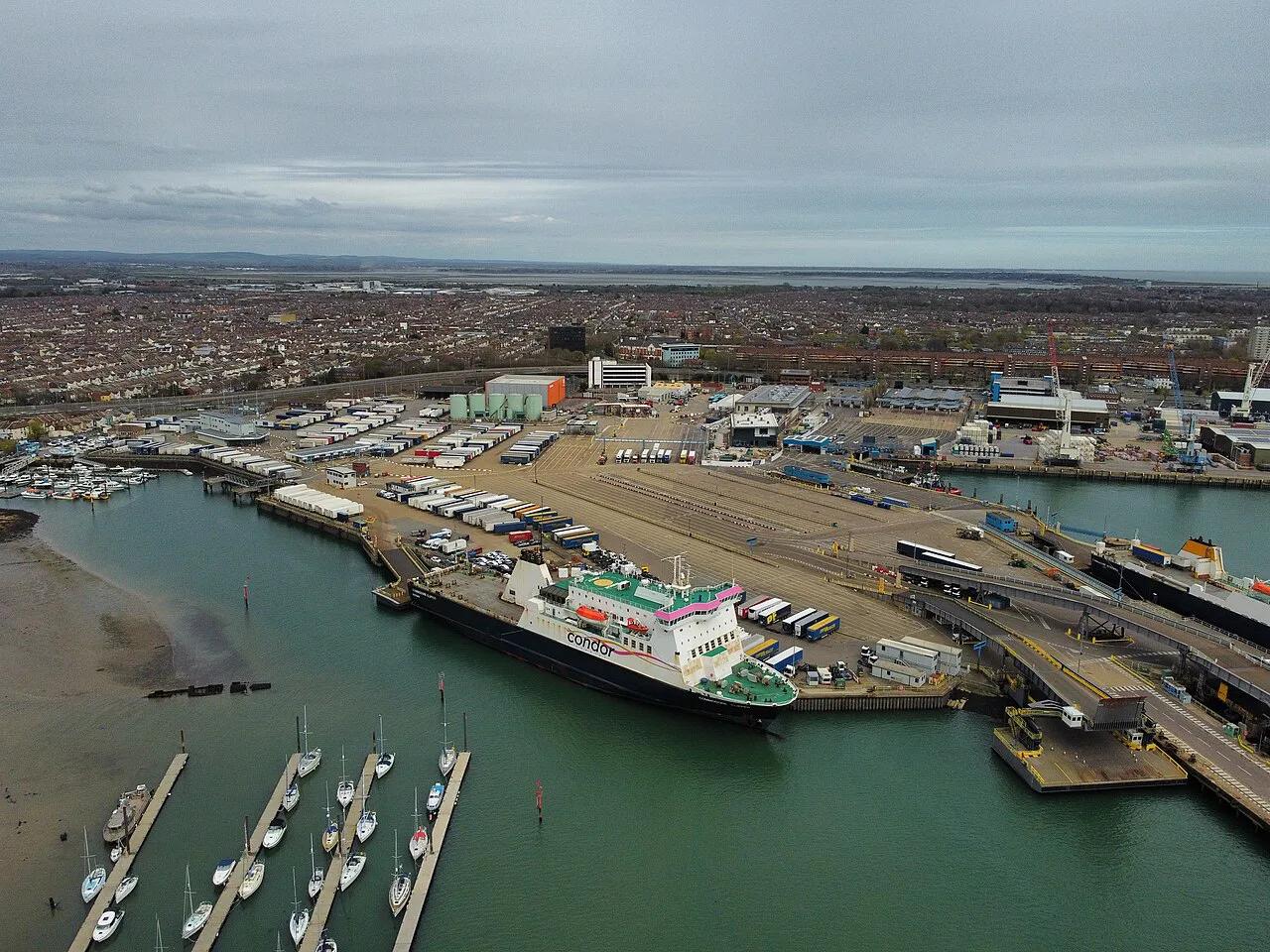
Bayeux is the practical base, with short drives to the American, British and Canadian sectors. The Bayeux tourist office lists sites and local transport. Caen is the other base and suits museum-led trips. Starting elsewhere changes the plan. See tours starting from London if you cross by Eurostar or ferry. Use tours starting from Cherbourg if you arrive by sea. Cruise visitors can use tours starting from Le Havre.
Keep planning
Guides on the same trip