
9 WW2 Sites in Greece: Where to Visit and Why
Plan a visit to 9 WW2 sites in Greece: Crete battlefields, massacre memorials, war cemeteries and Dodecanese islands, with access and etiquette.
In this guide
Last updated November 2026: WW2 sites in Greece fall into 4 groups, namely Crete, mainland massacre memorials, Athens-area cemeteries and the Dodecanese islands. Choose by region first and by tone second, because war cemeteries and civilian memorials call for different pacing. Our guide covers 9 sites, and each entry sends you to a fuller spoke guide.
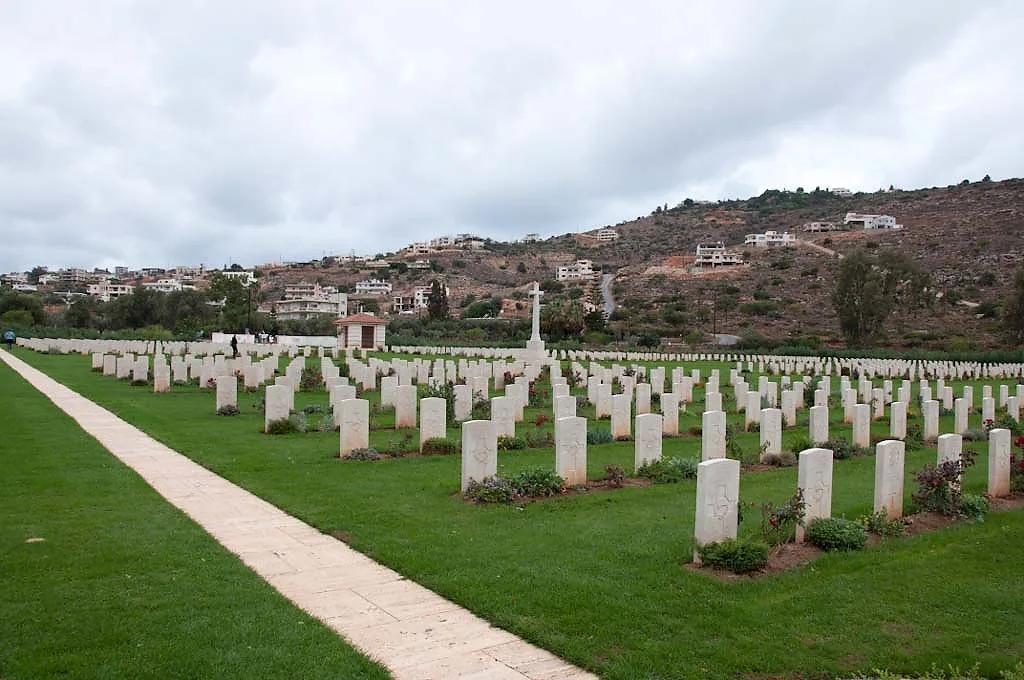
Featured image: P webber, CC BY 2.0, via Flickr.
Quick Answer: Top Picks at a Glance
Pick 1 region per day. Crete rewards 3 days with a car. Athens gives you 1 easy cemetery visit at Phaleron. Kalavryta and Distomo make a long mainland day. Rhodes and Leros need a ferry or flight.
| Site | Region | Type | Access | Best for |
|---|---|---|---|---|
| Souda Bay War Cemetery | Crete | Commonwealth cemetery | Car | Allied graves |
| Maleme German Cemetery | Crete | German cemetery | Car | Both sides of the campaign |
| Galatas | Crete | Hill-position context | Car | Terrain and tactics |
| Kalavryta | Mainland | Museum and civilian memorial | Long day from Athens | Occupation history |
| Distomo | Mainland | Civilian memorial | Long day from Athens | Quiet reflection |
| Phaleron War Cemetery | Athens area | Commonwealth cemetery | Central Athens | A short city stay |
| Rhodes and Leros | Dodecanese | Island history and museums | Ferry or flight | Longer island trips |
9 WW2 Sites in Greece, Grouped by Region
Entries run from Crete to the mainland, Athens and the islands. Prices and hours checked November 2026; our sources list no fee for these sites, so confirm opening days with each operator.
1. Battle of Crete sites (Crete)
Start with our Battle of Crete Sites to Visit: Cemeteries and Memorials guide, which links the island's airfield, hill positions and cemeteries into one route. It explains how the 3 stops that follow combine by car. Allow 3 days if you want the full Crete set without rushing.
Most stops sit apart from public transport, so a rental car does the work. Skip the island plan if you only have 1 day in Greece, because Phaleron in Athens fits that trip better.
2. Souda Bay War Cemetery (Crete)
Souda Bay War Cemetery, Crete: Visiting Guide and History holds Commonwealth war graves from the Battle of Crete. Walk the rows slowly and read the headstones, which carry names, units and personal inscriptions. Expect quiet, orderly grounds rather than battlefield scenery.
It suits readers tracing Allied service and families looking for a grave. Pass on it if you want a museum with displays.
3. Maleme German Cemetery (Crete)
Maleme German War Cemetery, Crete: Visitor Guide is the German war cemetery tied to the fighting around Maleme airfield. Germany's war graves organisation, the Volksbund, publishes information on its cemeteries abroad. Visit it after Souda Bay to see both sides of the same campaign.
Expect a solemn tone and follow any rules posted at the entrance. Leave it out if you have less than 1 day on Crete, because the stops sit far apart.
4. Galatas (Crete)
Visit the Galatas hill positions for the terrain context that cemeteries cannot give. Reading the ground here shows how the fighting around Maleme and Souda Bay connected. It suits readers who already know the outline and want landscape rather than headstones.
Summer heat makes midday visits hard, so go early or late in the day. Not ideal if you want a staffed museum or a single photo stop.
5. Kalavryta Holocaust Museum (Mainland)
Kalavryta is a civilian-tragedy site, where local people were killed during the Axis occupation. Our Kalavryta museum guide explains the museum and memorial side by side. Local visitor information sits on the Kalavryta municipality site.
Allow a long day from Athens, and add Distomo only if you start early. Move quietly, keep voices low and treat it as a place of mourning, not a photo stop. Skip it if you want a lighter day, because the tone is heavy throughout.
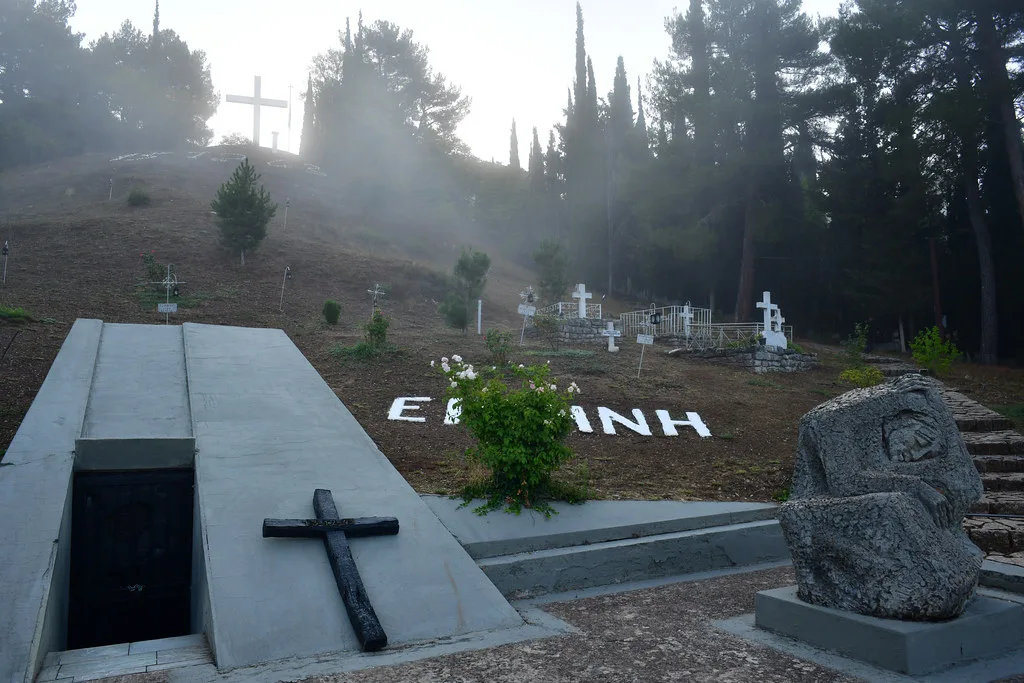
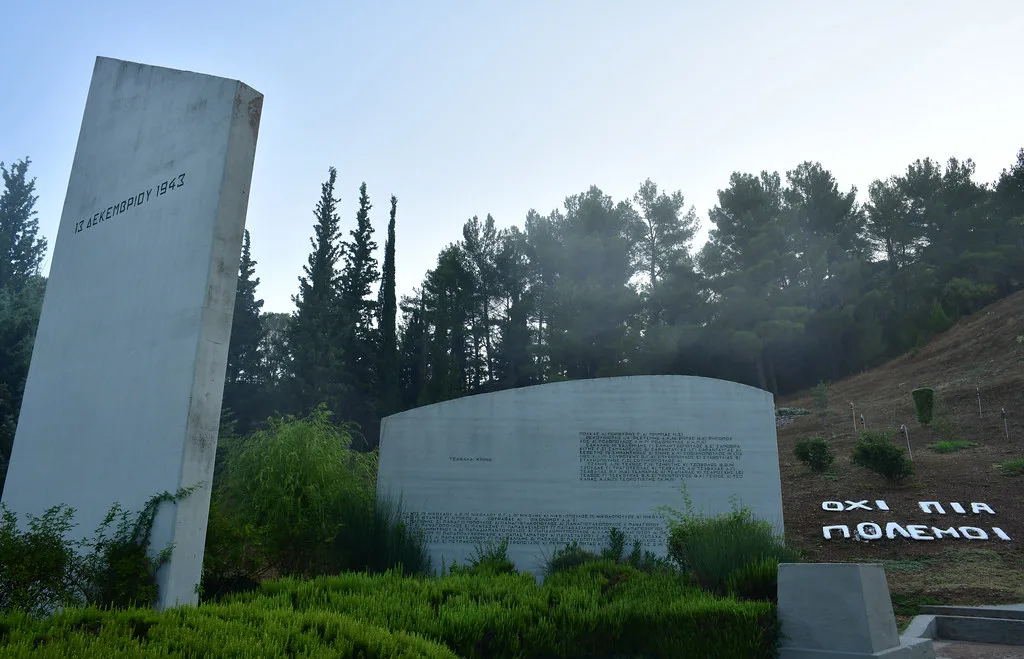
6. Distomo Memorial (Mainland)
Distomo's civilian memorial marks a village where civilians were killed under the Axis occupation. It is a memorial rather than a battlefield, so expect reflection, not tactics. Combine it with Kalavryta as a mainland road trip from Athens.
Dress modestly, stay quiet and ask before photographing other visitors. Skip it if a long drive is not realistic; our guide lays out the detour.
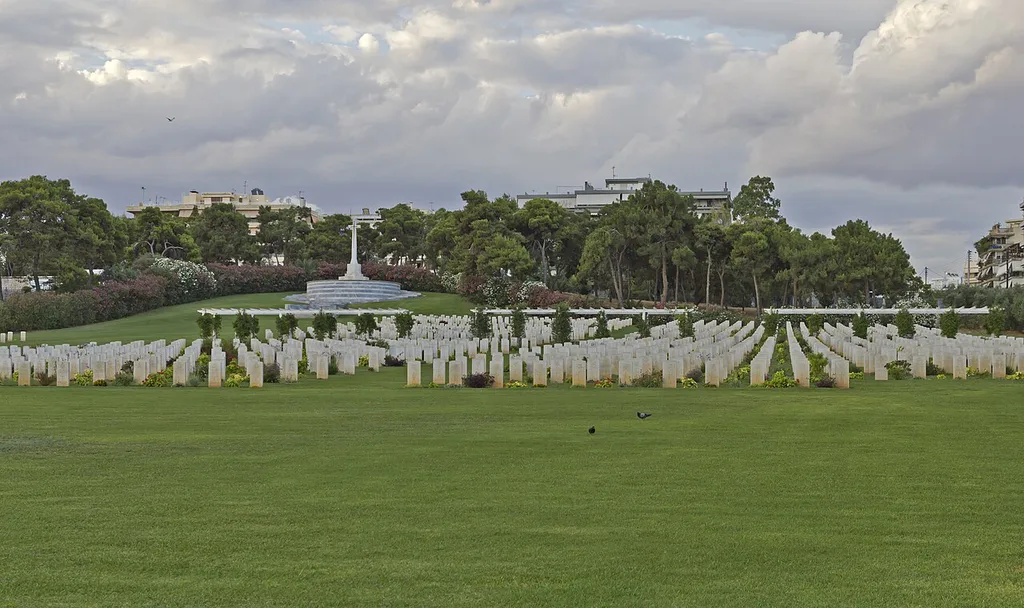
7. Phaleron War Cemetery (Athens area)
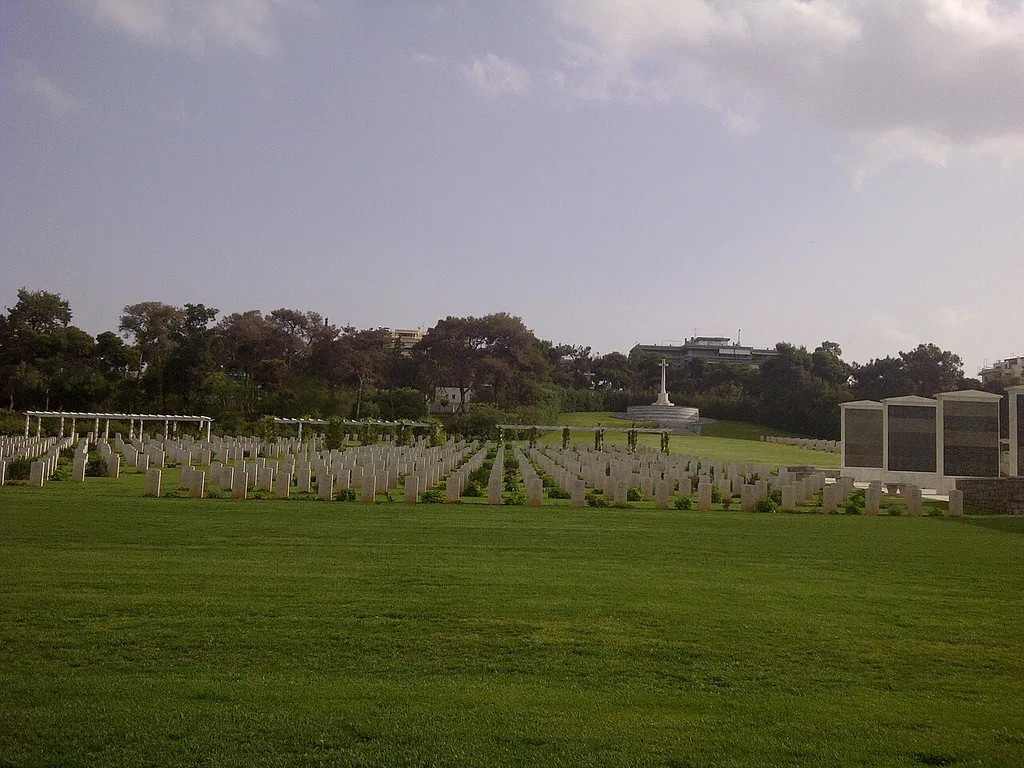
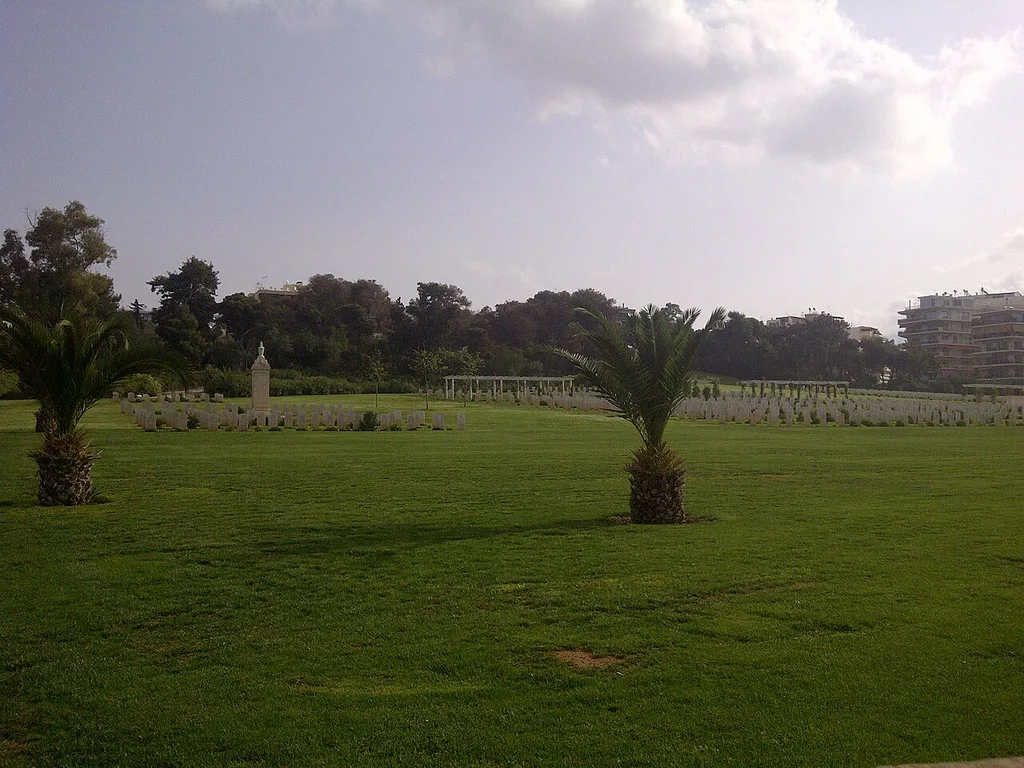
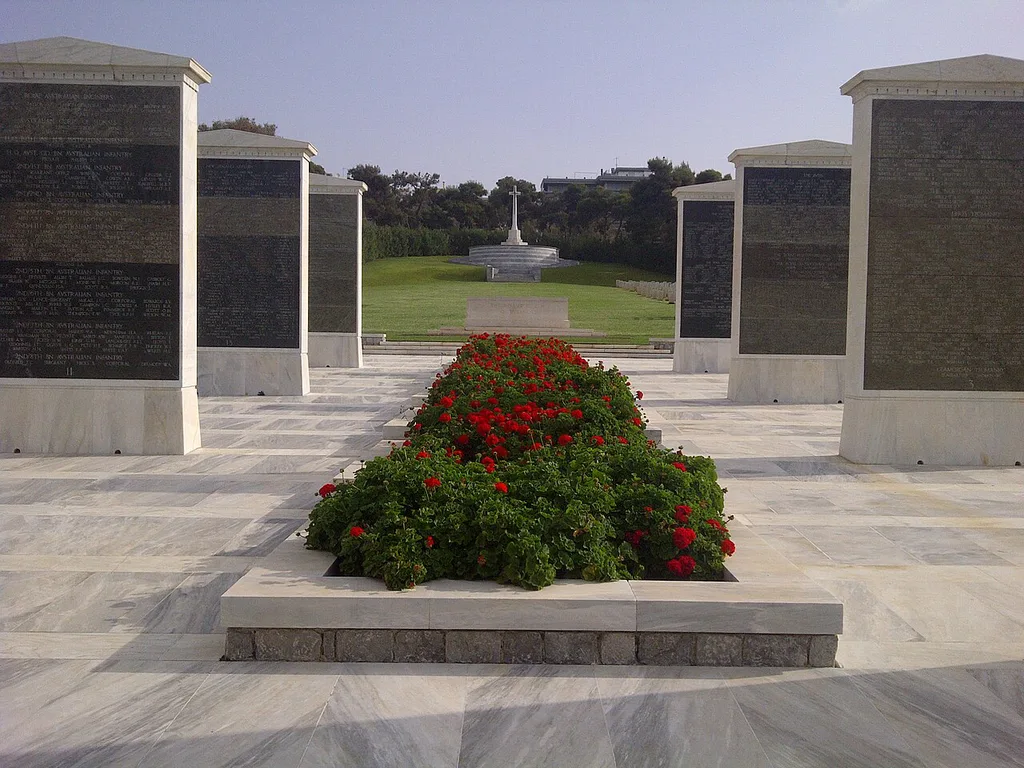
Phaleron's Commonwealth cemetery holds war graves in the Athens area. It is the easiest entry on this list for a short city stay, reached from central Athens. It fits within 1 day in Athens alongside other sightseeing.
It suits visitors tracing Commonwealth service and families. Skip it if you want a museum, because this is a cemetery with quiet grounds.
8. Rhodes WW2 sites (Dodecanese)
Rhodes carries Dodecanese wartime history, covered in our Rhodes WW2 sites guide. Visit the Jewish Museum of Rhodes to learn about the island's Jewish community, a civilian story beside the military one. Reach the island by ferry or flight, and expect timetables to change by season.
It suits a longer island stay that adds history to the itinerary. Skip it on a short trip focused on Crete and Athens.
9. Leros war museum (Dodecanese)
Leros is the Dodecanese campaign stop, with a wartime museum covered in our Leros guide. Ferry or flight friction is the main cost, because the island sits outside the mainland routes. It suits readers focused on the Dodecanese campaign.
Check the museum's current opening days before booking transport. Skip it unless military history is your main reason to travel.
How to Choose: Sample Itineraries
With 1 day in Athens, visit Phaleron and stop there. With 3 days in Crete, fit Souda Bay, Maleme and Galatas around a rental car. A mainland road trip pairs Kalavryta and Distomo. Add an island only if you have time for the ferry or flight.
With only 1 day in Greece, skip the Crete plan, since most Crete stops need a rental car.
| Trip | Base | Sites | Real friction |
|---|---|---|---|
| 1 day | Athens | Phaleron War Cemetery | Minimal; reached from central Athens |
| 3 days | Crete | Souda Bay, Maleme, Galatas | Car needed for most stops |
| 1 long day | Athens road trip | Kalavryta and Distomo | Long drive from Athens |
| Island add-on | Rhodes or Leros | Rhodes and Leros sites | Ferry or flight |
Practical Logistics for WW2 Sites in Greece
Crete needs a car for most stops, and Visit Greece's Crete pages help with planning around the island. Kalavryta and Distomo form a long day from Athens, so start early. Rhodes and Leros need a ferry or flight, and schedules change by season. Summer heat is strong, so visit open sites early or late. Never assume daily opening, because museums keep their own hours. Follow posted photography rules and ask each operator about step-free access.
- Treating memorials as photo stops
- Pause, stay quiet and follow the posted rules.
- Assuming every site opens daily
- Museums and memorials keep separate hours.
- Ignoring summer heat
- Plan outdoor cemeteries and hill sites for early or late hours.
- Combining Crete and the mainland in one day
- Treat them as separate trips with separate bases.
Visiting Respectfully: Cemeteries Versus Civilian Memorials
Commonwealth and German cemeteries call for quiet walking and attention to headstones. Kalavryta and Distomo are places of mourning for civilians, so keep voices low and avoid posed photos. Read each site's own rules at the entrance.
Context in Brief
Battle of Crete: Axis forces fought Allied troops around Maleme, Galatas and Souda Bay. Axis occupation of Greece: civilians suffered reprisals at places such as Kalavryta and Distomo. Dodecanese campaign: Rhodes and Leros belong to this island story.
Frequently Asked Questions
Which side was Greece on in the Second World War?
Greece fought on the Allied side and was occupied by Axis forces. The sites above reflect both military history, such as the Crete cemeteries, and civilian suffering at Kalavryta and Distomo.
Explore More Guides
Keep planning your trip with these guides.
Guides
- Battle of Crete Sites to Visit
- Souda Bay War Cemetery, Crete
- Maleme German War Cemetery, Crete
- Galatas Crete: 1941 Battle Site Near Chania
- Museum, Memorial Sites and Visitor Guide
- Distomo Massacre Memorial
- Phaleron War Cemetery Athens
- Rhodes WW2: Sites, History and What to See Today
- Leros War Museum: Visitor Guide to Lakki's WWII Museum