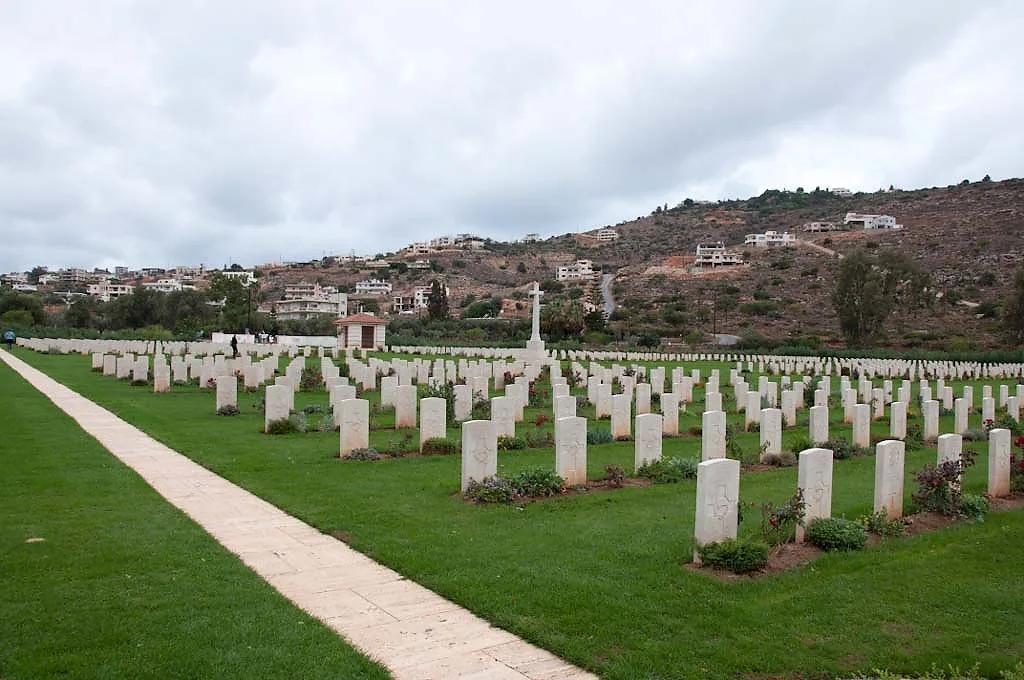
Phaleron War Cemetery Athens: Visiting Guide
How to visit Phaleron War Cemetery in Alimos near Athens: who is buried there, getting there, etiquette, finding a grave, and what to confirm first.
In this guide
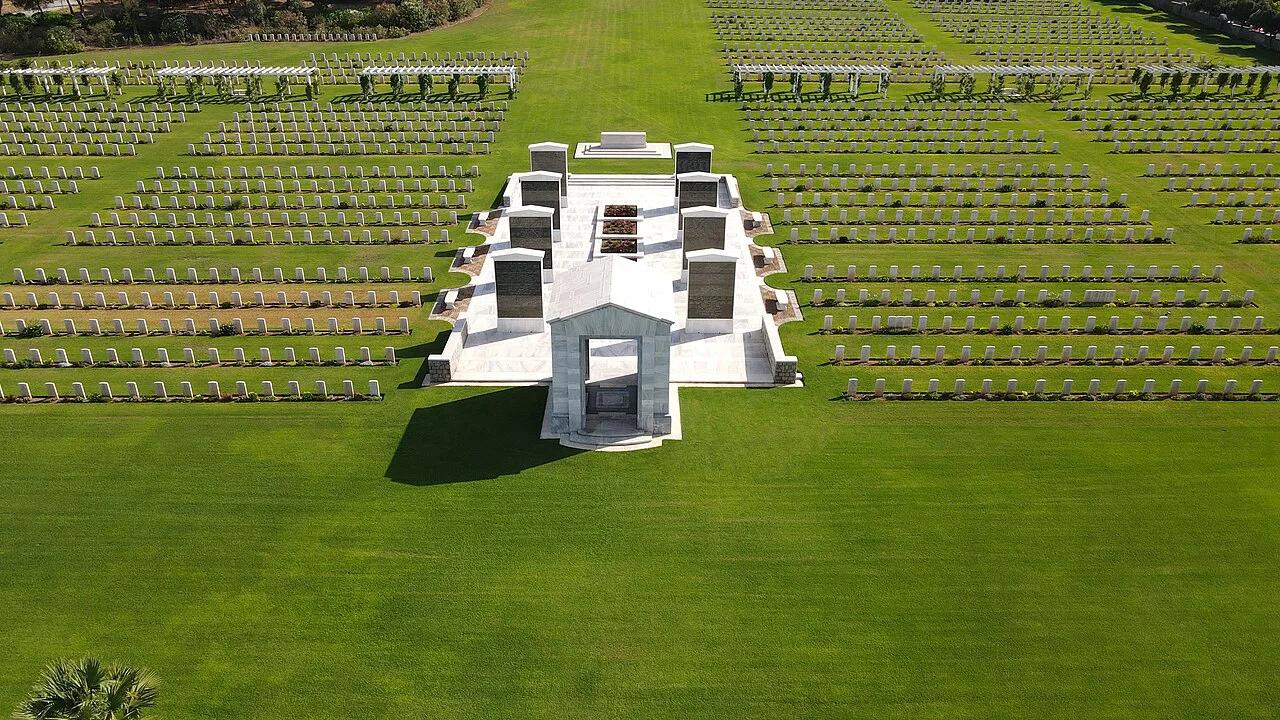
Last updated November 2026. Phaleron War Cemetery is the main Commonwealth war cemetery of Athens. It is run by the Commonwealth War Graves Commission (CWGC) in Alimos, on the Saronic coast. This guide covers who is buried here, how to reach it, how to find a name, and where it fits in our WWII sites in Greece guide.
Featured image: StrangeTraveler, CC BY-SA 4.0, via Wikimedia Commons.
What Phaleron War Cemetery Is (and What It Isn't)
Phaleron War Cemetery is a modern memorial site for Commonwealth service personnel who died in the Second World War. CWGC maintains it, as it does its cemeteries worldwide. You may see the area spelled Phalero, Faliro or Palaio Faliro, and the area name changes between maps and signs. It is a place of remembrance, so plan the visit as a quiet pilgrimage rather than a sightseeing stop. Do not confuse it with the ancient Phaleron burial ground. According to an XpatAthens report (2016), that site lies under 4 miles south of Athens and held more than 1,500 skeletons dating to the 8th-5th centuries BC. It is an archaeological subject, not a war grave, and it is not the place described here.

Who Is Remembered Here
CWGC's own cemetery record is the authority on who lies at Phaleron, how many graves there are and which campaigns they belong to. Treat any figure you read on a blog as unverified until it matches that record. The site draws commemorative group visits from several communities. A video records a delegation from the Sikh community of Birmingham, UK, and Sikhs from the Shiri Guru Nanak Darbar in Tavros, Athens, who visited on 18 October 2012. That visit shows how far the cemetery's commemorations reach. It is not a claim about the makeup of those buried here. For the wider story of the campaign, see our Greece WWII overview.
How To Get There From Central Athens
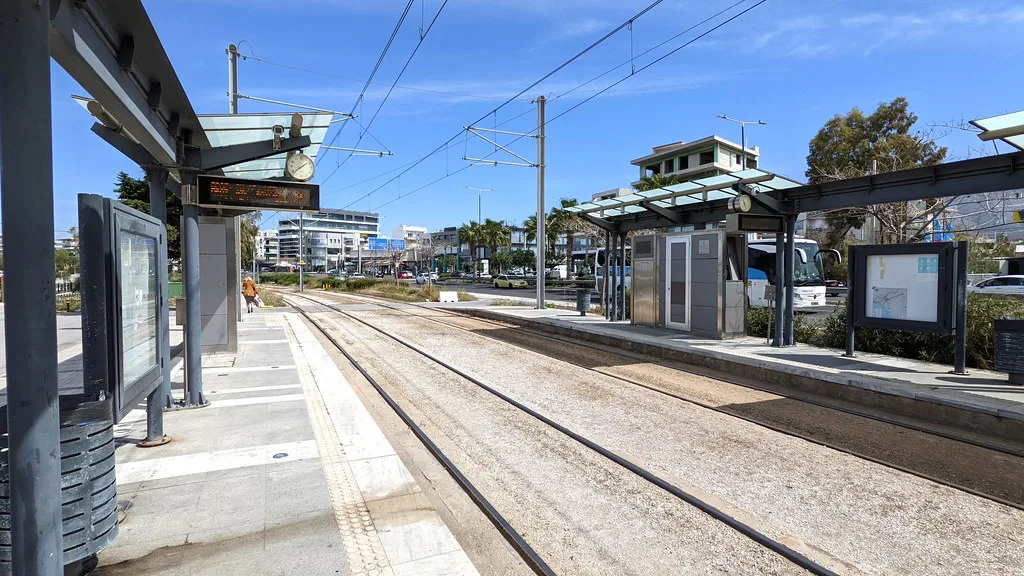
Phaleron sits in Alimos, on the Saronic coast south of the city centre. The table compares the three realistic options in relative terms. Check the current schedule with the Athens transit operator before you set out, because routes and frequencies change.
| Option | Effort | Relative cost | Notes |
|---|---|---|---|
| Public transport | Medium | Lowest | Check current routes and the final walk to the gate on a live map |
| Taxi | Low | Highest | Simplest from central hotels; give the driver the CWGC cemetery name and Alimos |
| Car | Medium | Middle | Confirm parking near the entrance before you drive |
Opening Hours, Entry, And Visitor Etiquette
CWGC publishes the cemetery's visiting details on its site. Check the current hours and any holiday closures there, as this page does not state them. Dress modestly and quietly, with covered shoulders and sturdy shoes for paths in summer heat. Speak softly and keep to the paths. Ask staff or the managing body before arranging a group or ceremony visit. Photograph graves with restraint and never disturb flowers or markers.
- Mistake to avoid: arriving without confirming hours.
- Mistake to avoid: wearing unsuitable clothing for midday heat.
- Mistake to avoid: treating the cemetery as a photo stop.
- Mistake to avoid: heading to the ancient Phaleron excavation by mistake.
Finding A Specific Grave Or Name
Use CWGC's online Find War Dead search to locate a name. The record gives the grave reference you need to find the plot on site. Cemetery staff and CWGC handle enquiries, so write to them rather than relying on forums.

- Search the name on CWGC's casualty database.
- Note the grave or memorial reference.
- Print or save the cemetery record and any plan.
- Bring flowers or a small tribute only if CWGC's visitor guidance allows it.
- Ask CWGC in advance if you need help locating a plot.
How Much Time To Plan And What To Combine It With
A short respect visit suits a tight Athens schedule, while a research visit needs unhurried time at one plot. Pair it only with stops you have checked on a map in Alimos or along the coast.
| Visit type | Time budget | Best for |
|---|---|---|
| Respect visit | About 30 minutes | Short Athens stays, paying respects |
| Research visit | Half a day | Family history, reading plot records |
Who Should Visit And Who Can Skip It
Go if you have family history here, a strong interest in the Commonwealth role in Greece, or a short Athens stay with a free half day. Skip it if midday heat or uneven paths limit you and you cannot check access in advance. Readers who want to extend a WWII route can read about Souda Bay War Cemetery, Crete: Visiting Guide and History, another Commonwealth cemetery. Crete is a separate trip from Athens, so our Battle of Crete Sites to Visit: Cemeteries and Memorials guide treats it on its own.
Related WWII Sites In Greece
Occupation-era memorials on the mainland include the Kalavryta museum, which needs its own day. The Distomo Massacre Memorial: History and Visitor Guide is another mainland option. For islands, see Rhodes in WWII. Each place asks for the same respectful conduct as Phaleron.
Keep planning
Guides on the same trip