Rhodes WW2: Sites, History and What to See Today
What happened on Rhodes in WW2, and what you can still see today: Old Town, Jewish heritage and occupation remains, with access and planning tips.
In this guide
Last updated November 2026, this guide to Rhodes WW2 covers the Italian occupation, the 1943 battle and the 1944 deportation of the island's Jewish community. Our main stops are the Jewish Museum of Rhodes at Kahal Shalom Synagogue in the Old Town and the memorial at the Square of the Jewish Martyrs. Visible remains elsewhere are thin and partly unmarked, so we separate confirmed sites from leads, and our wider Greece WW2 guide places Rhodes in context.
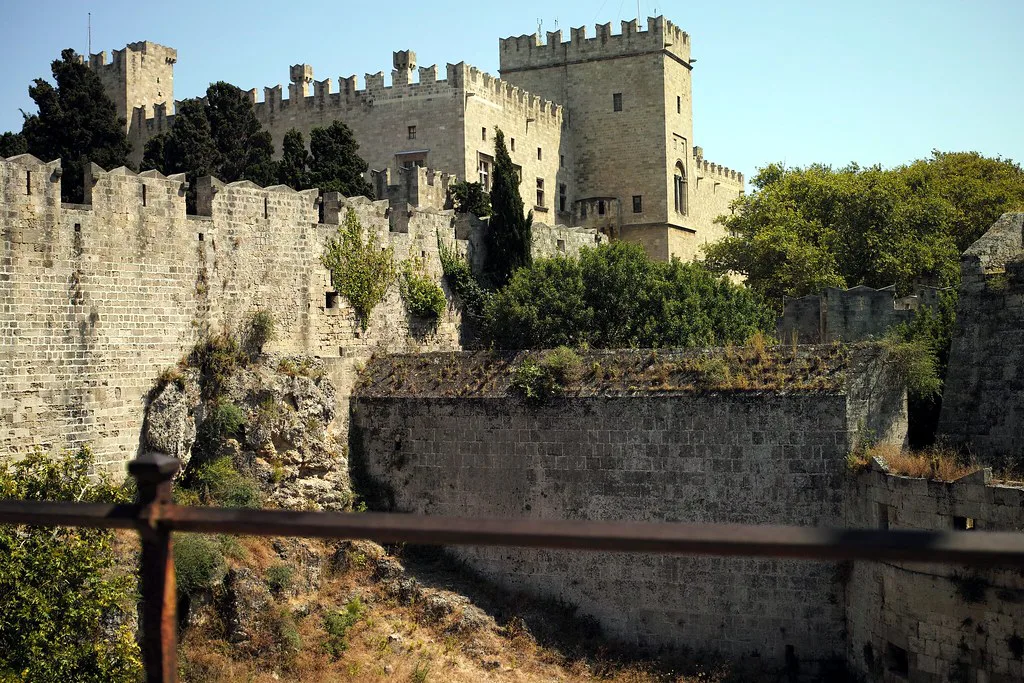
Featured image: An-d, CC BY-SA 4.0, via Wikimedia Commons.
Rhodes in WW2: the short version
Italy held Rhodes and the Dodecanese from 1912 to 1943. When the armistice was announced on 8 September 1943, Italian and German forces on the island turned on each other. Fighting lasted from 9 to 11 September 1943 and ended in a German victory. Italy's garrison was larger on paper, at about 39,100 men against a German force of 6,000 to 8,000. Italian commanders still surrendered after three days. Germany then held Rhodes until 8 May 1945. In July 1944 the island's Jewish community was rounded up and deported. That event is the most important thing to understand before you visit.
What you can actually see today
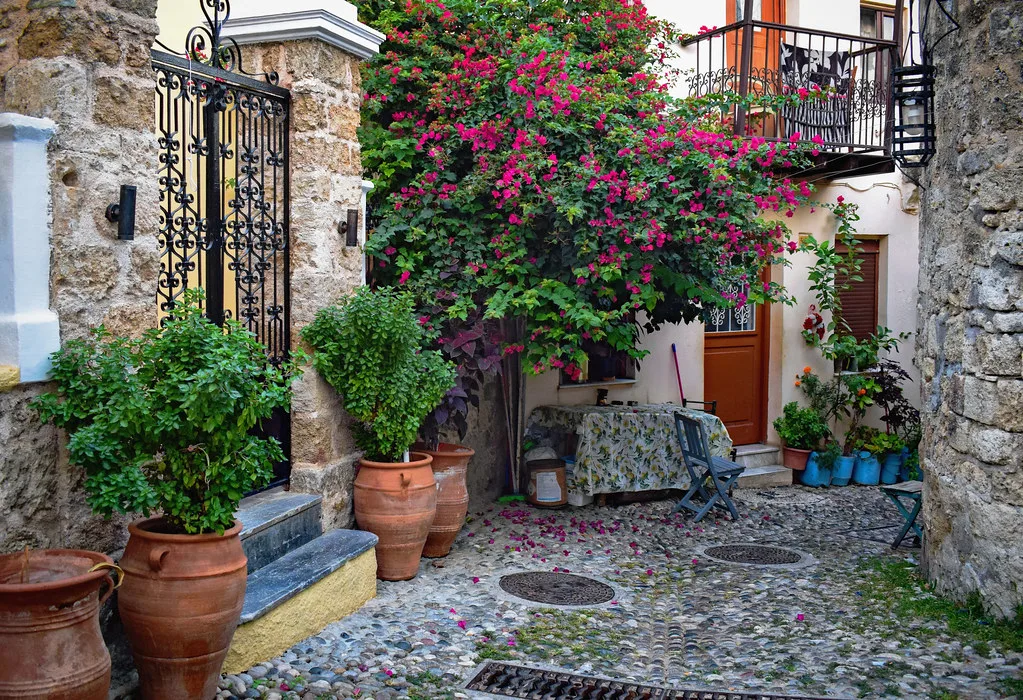
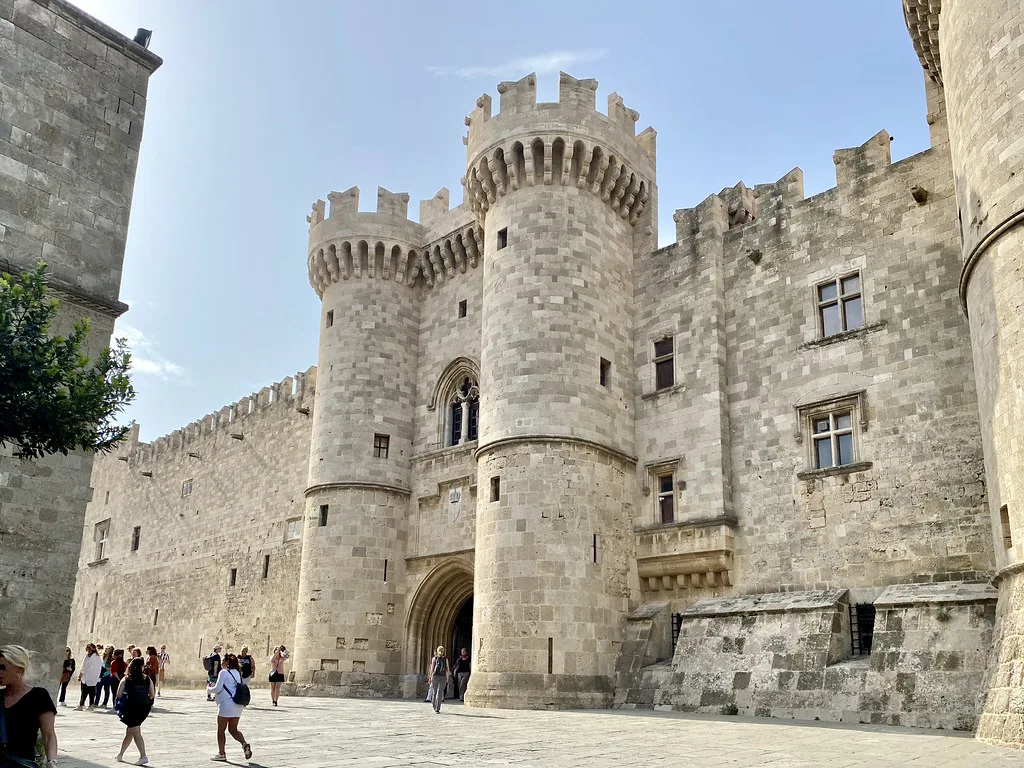
Rhodes has no known dedicated WW2 museum. What survives is scattered across the Old Town, the harbour and a few inland sites. We would plan around the Old Town first, because it is walkable and the Jewish heritage sites are there. On the night of the armistice, the Italian governor, Admiral Inigo Campioni, held a meeting at the Palace of the Grand Master. Whether any WW2 interpretation is displayed there now is unconfirmed, so do not expect it. One reader reports a single information board in the north-east of the Old Town about the bombings. Treat that as a lead rather than a fixture.
Only the Palace of the Grand Master links to 8 September 1943 among the Old Town sites, and any WW2 display there is unconfirmed.
| Site or area | What it is | Access | Getting there | Status |
|---|---|---|---|---|
| Jewish Museum of Rhodes, Kahal Shalom Synagogue | Museum of the island's Jewish history | Museum | Walk within the Old Town | Verified: official site |
| Square of the Jewish Martyrs | Memorial to the deported community | Open memorial | Walk from the Old Town | Pair with the Jewish Museum of Rhodes nearby for context |
| Palace of the Grand Master | Site of the armistice-night meeting, 8 September 1943 | Visitor attraction | Walk within the Old Town | History confirmed; WW2 display unconfirmed |
| Eleousa (former Campochiaro) | Former Italian town and military HQ | Unmarked, partly abandoned | Drive | Lead only |
| Kalavarda barracks | Abandoned barracks with wall paintings | Unmarked | Drive | Lead only; paintings reportedly graffitied in 2025 |
Jewish heritage and the 1944 deportation
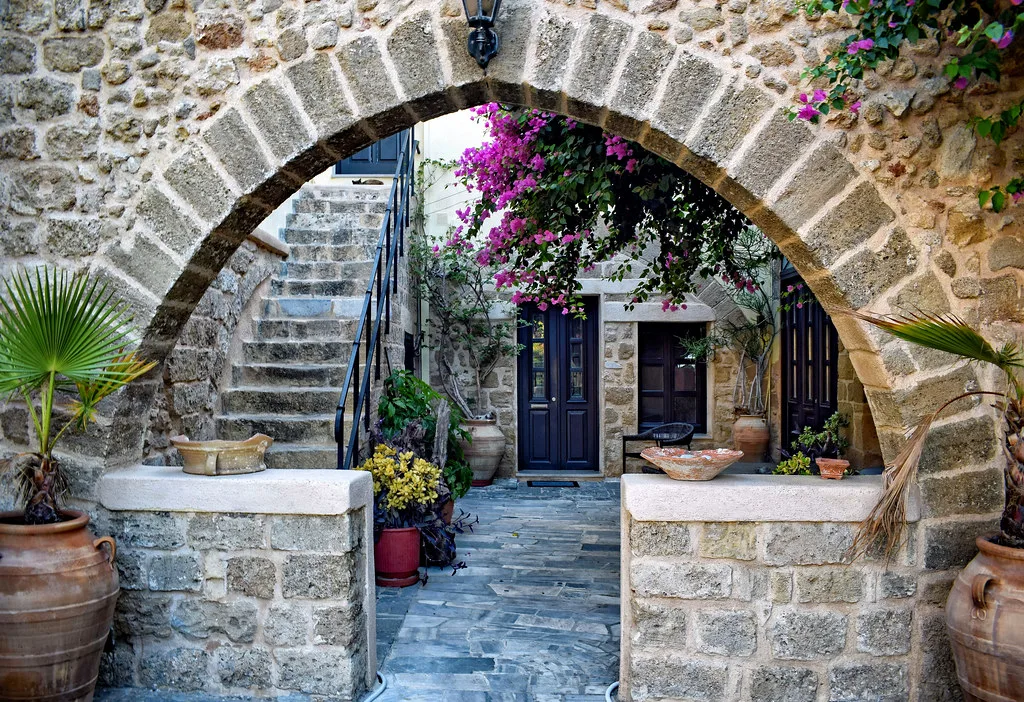
Start at the Jewish Museum of Rhodes, which is housed at Kahal Shalom Synagogue in the Jewish Quarter. Opening times, tickets and security rules change, so read them on the museum's own site. We recommend this stop above any other on the island. It tells the story of a Sephardic community that had lived in the walled Old Town for generations. In July 1944 German authorities detained the men. They ordered women and children to report on 19 July, and deportees were moved to the port on 23 July. One survivor's account puts the number deported at over 1,700, and sources may differ, so we quote no official total. The same account says the Turkish consul, Selahattin Ülkümen, secured the release of 42 people. Check that figure against Yad Vashem before repeating it. This history is a place of mourning, so keep your tone and voice quiet in the Quarter and the synagogue.
- Allow about 1 to 2 hours for the museum and the Square of the Jewish Martyrs, depending on how long you stay.
- Follow the museum's posted conduct and security rules.
Occupation remains for independent travellers
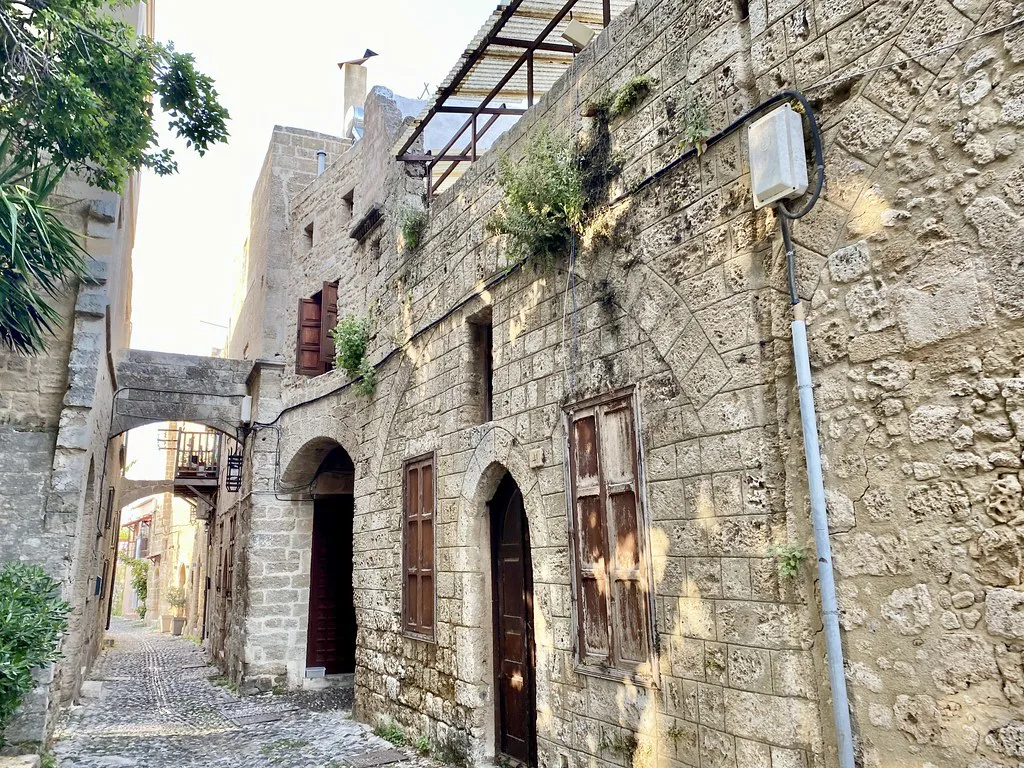
These sites suit history buffs with a rental car. None is known to be signposted for visitors, and this guide gives no coordinates for unverified sites. A 2017 blog places the Kalavarda barracks about an hour's drive from the Old Town. A 2024 comment on the same blog describes them as on the left side of the road from the airport, about half a mile before the village turn. Treat that as a lead, not a map. Never enter ruined or abandoned buildings, because structural condition is unknown and the paintings are said to be already damaged.
- Eleousa (ex-Campochiaro): Italian HQ town, later German command post. Unmarked and partly abandoned.
- Maritsa airfield: the only operational Italian air base in 1943. Context only; look up current access.
- Kalathos and Gadurra: former air base area.
- Kalavarda barracks: unmarked, with damage described in 2025.
- Coastal batteries such as Majorana near Mount Smith: named in the battle history, with no confirmed visitor access.
- Old Silk Factory near Kattavia: a single commenter's claim, so low confidence.
- One former military hospital, now a hotel, is mentioned in a blog. Whether it is open to visitors is not known.
How to plan it: time, transport and cost
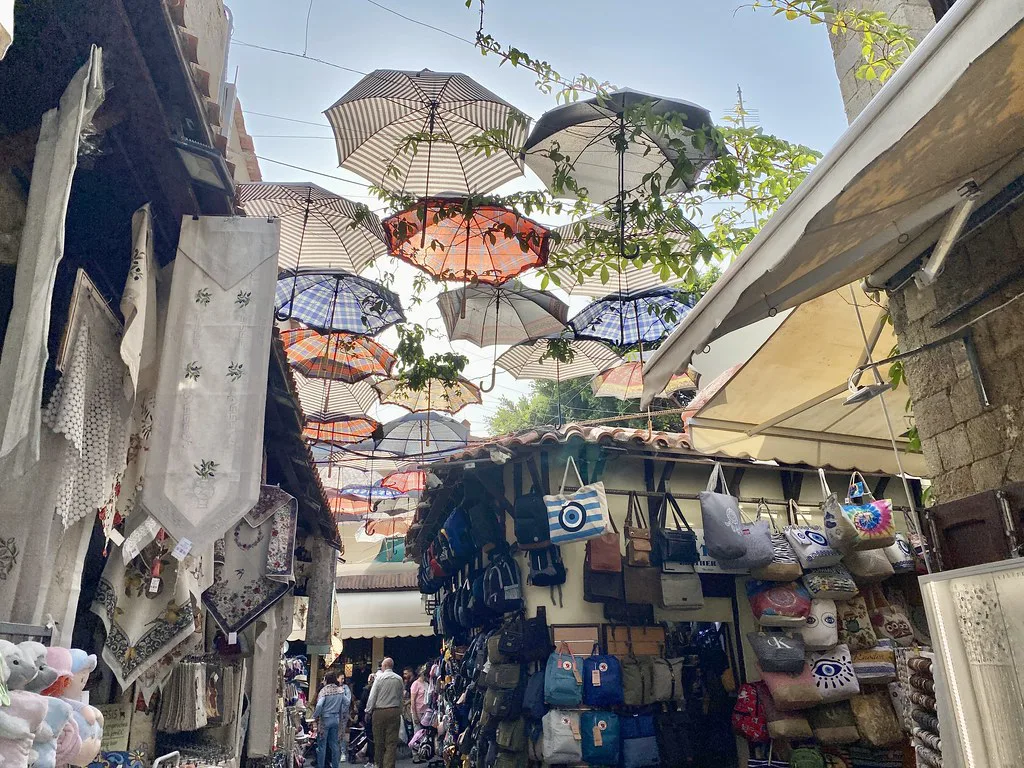
A half-day covers the Old Town: the Jewish Museum, the memorial square and the Palace of the Grand Master. A full day by car adds the inland leads, but only for travellers who accept that some sites may be unmarked or inaccessible. No organised WW2 tour to the remains outside the Old Town is known. One 2017 blog says none exist, so do your own research and treat any claim of a local guide as unverified. Tickets and hours should be read on each official site. If you drive, plan around summer heat and take extra care on island roads. Families and short stays should stay with the town sites. Ferry and flight timing varies by season, so book transport after you fix the days.
Plan 1 to 2 hours at the museum and memorial square, leaving room for the Palace of the Grand Master within a half-day Old Town visit.
Where to base yourself
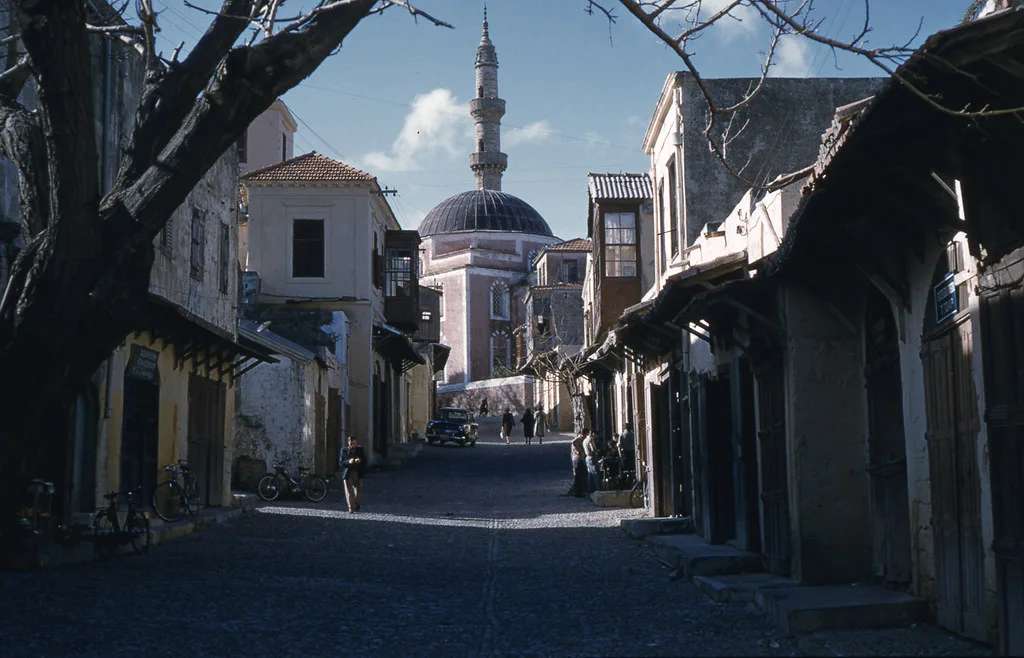
We would stay in the Old Town if the Jewish Quarter is your priority, because the museum, the memorial and the Palace are all walkable. The New Town and Mandraki harbour area gives easier access to a rental car and the waterfront. We do not recommend a specific hotel. A blog names a few, and one is described as a former wartime HQ.
Combine with the rest of Greece's WW2 trail
Island-hoppers can pair Rhodes with the Leros war museum, since Leros was the neighbouring theatre in the same Dodecanese campaign. Rhodes fell under Italian rule first and German occupation second, so do not equate it with the mainland story. For occupation-era memorials on the mainland, see the Kalavryta museum and the Distomo memorial. Another island with a major WW2 history is Crete. Start with the Battle of Crete sites, then add Souda Bay War Cemetery, Crete: Visiting Guide and History.
Frequently Asked Questions
When did Rhodes stop being Italian?
Italy held Rhodes from 1912 until 1943. After the armistice of 8 September 1943, German forces won the battle of 9 to 11 September and took control. Germany held the island until 8 May 1945.
Why was Rhodes so important?
Rhodes was the seat of the Italian governor of the Dodecanese. It housed the main Italian garrison, and Maritsa was its only operational air base in 1943. Control of the island shaped the wider Dodecanese campaign.
Keep planning
Guides on the same trip