Scotland's Secret Bunker: Visitor Guide for Fife
Visiting Scotland's Secret Bunker in Fife? See what this Cold War command centre is, how to get there, what to expect and who it suits.
In this guide
Last updated November 2026: Scotland's Secret Bunker is a decommissioned Cold War command centre hidden beneath a Fife farmhouse near Crail and St Andrews, now run as a museum. It sits about 6 miles from St Andrews, so plan it as a car-based trip. Here is what it is, how to reach it, what to expect and how it compares with other Cold War sites across Britain.
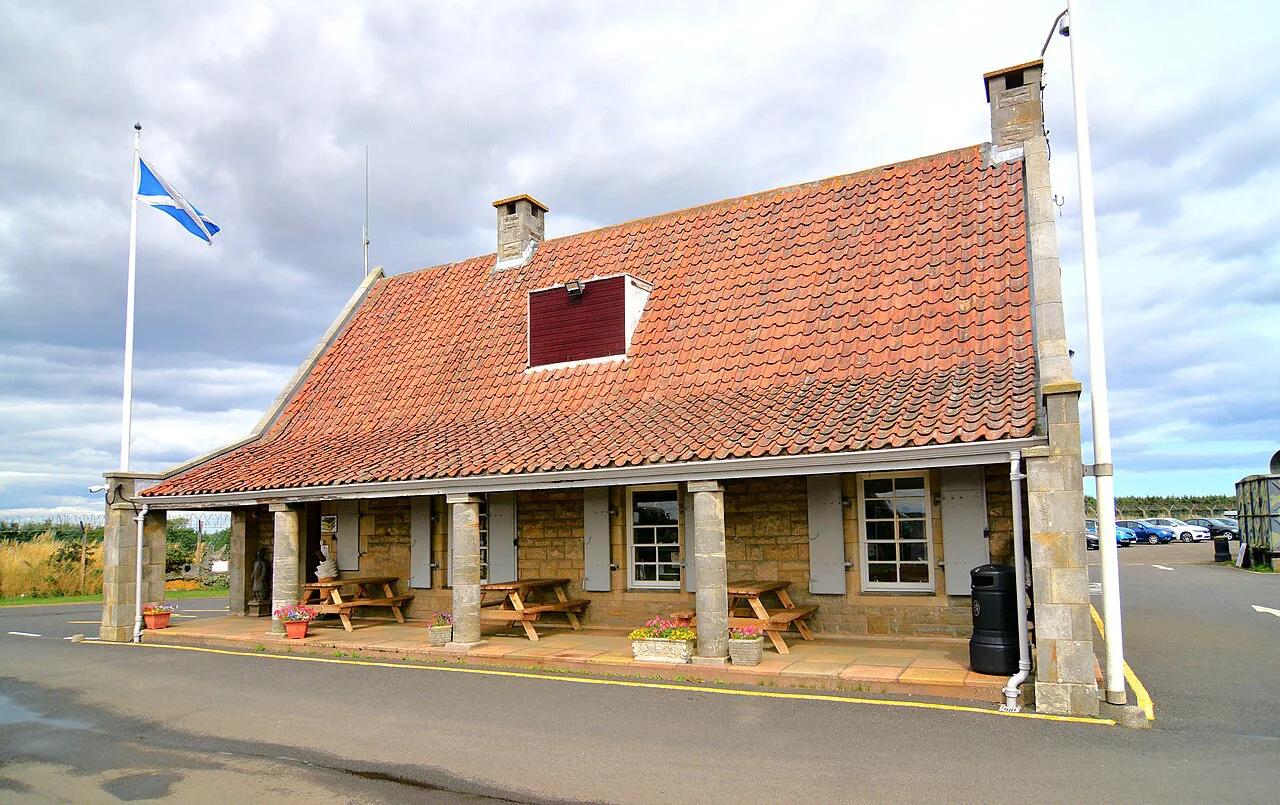
Featured image: itmpa, CC BY-SA 2.0, via Flickr.
What Scotland's Secret Bunker Is
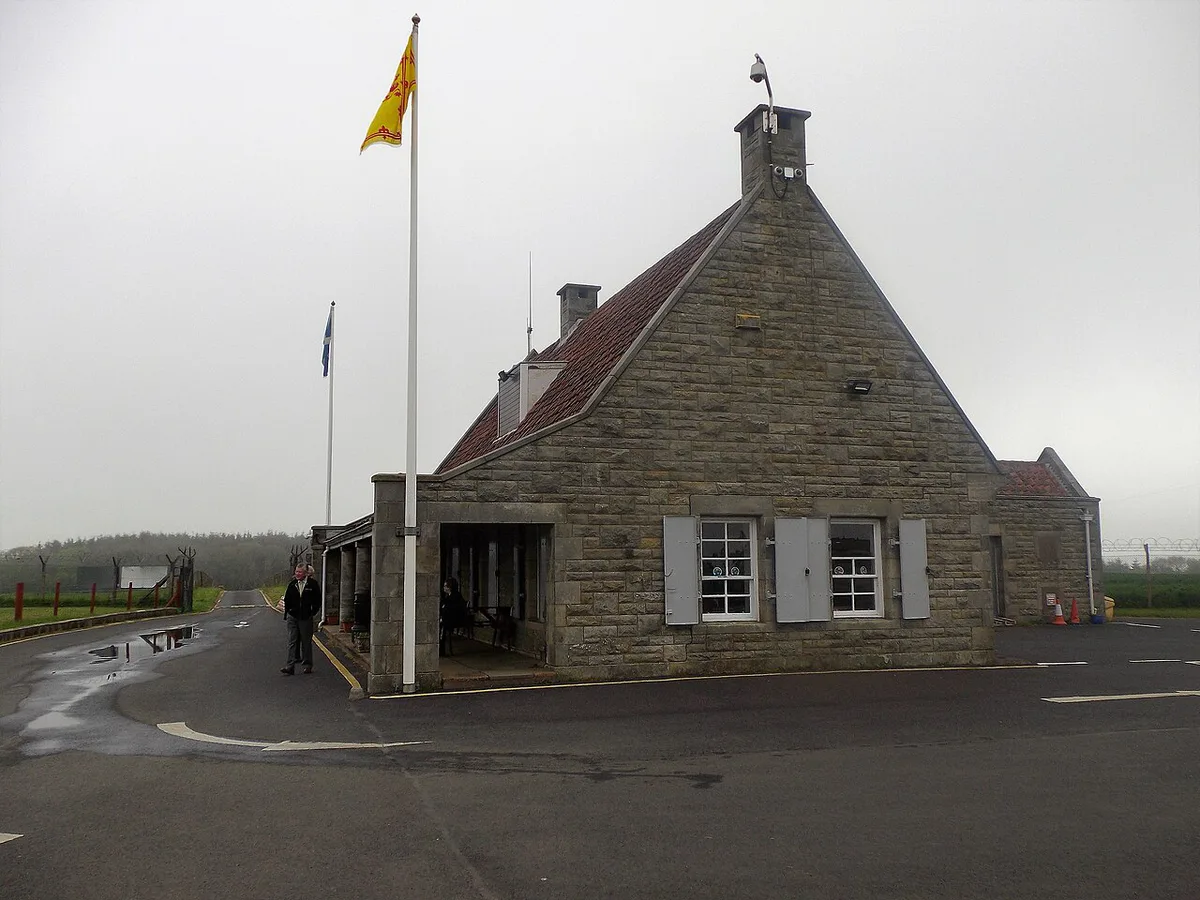
From the road, the entrance looks like an ordinary farmhouse. Underneath, an RAF command centre runs about 100 ft down and covers roughly 24,000 sq ft. Local descriptions name it RAF Troywood and class it as an "R3" ROTOR bunker. Today it is a museum where you walk through the operations rooms, dormitories and kitchen areas. Do not confuse it with the Second World War Auxiliary Units bunker uncovered near Moffat in 2019. That site's location is undisclosed, and you cannot visit it.
A Short History: From RAF Troywood to Museum
ROTOR was the RAF's Cold War programme to build radar and command facilities against the threat of Soviet air attack. Troywood was built in 1953 as one of those bunkers. Its purpose was to track aircraft and direct the air defence response. It later stood decommissioned, and a visitor account from 2009 puts the closure at around 1992. The museum opened afterwards in the same buried complex. For the wider RAF picture, see our overview of Cold War Museums & Sites in the UK: Where to Go.
Its Nuclear War Role: A Government HQ for Scotland
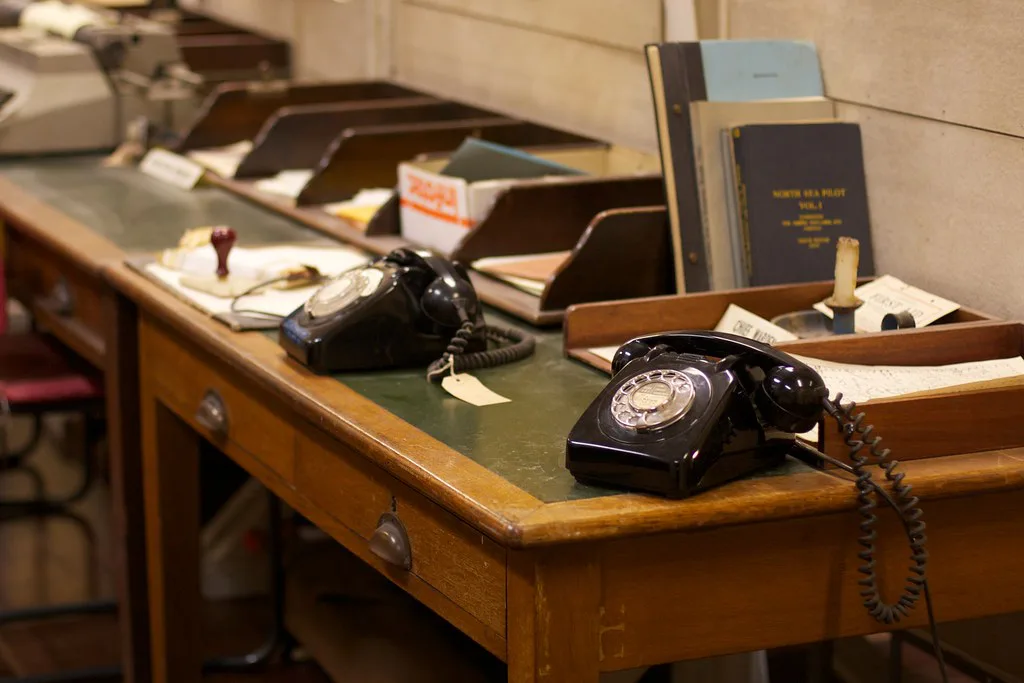
Radar is only part of the story. After its air defence role, the Troywood bunker was adapted for civil use and later earmarked as a secret regional government headquarters. If nuclear war had cut Scotland off from central government in London, selected officials would have tried to run the country from here.
It was never meant as a public shelter. Places were intended for the people needed to govern and keep communications working, such as ministers, civil servants, military and emergency service liaison staff, and technical crews. Local residents would not have been let in.
That role helps explain the mix of rooms underground. As you walk round, consider what each area would have had to do with the blast doors shut:
- Communications: keeping contact with the outside world, gathering reports and passing on instructions
- Work areas: assessing damage and deciding where limited supplies and help should go
- Living space: feeding and resting staff who could not simply go home at the end of a shift
The building therefore reflects more than one phase of the Cold War, so a room's current layout may not show how it looked when the RAF first used it. Check the labels and ask staff which period a display represents.
For comparison, Germany's Government Bunker in Ahrweiler was built to shelter the West German federal leadership. If RAF operations rooms interest you more, the Battle of Britain Bunker in Uxbridge shows how air defence was directed during the earlier conflict, the Second World War.
What You'll See Inside
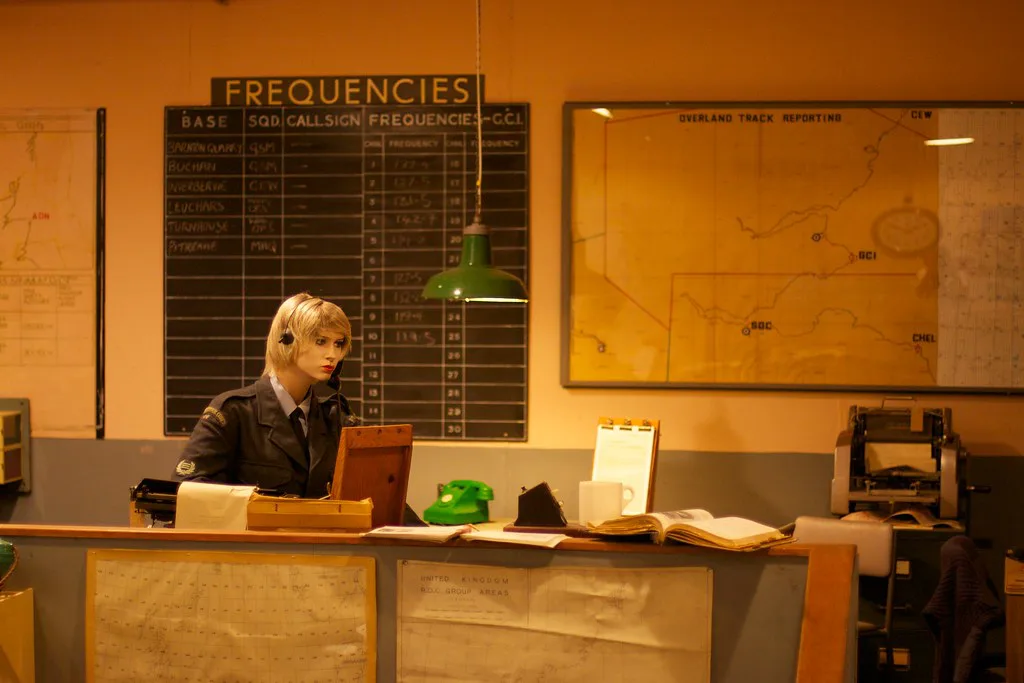
Expect the working rooms of a command centre rather than a single showcase. Plotting rooms, a radar area, dormitories and a canteen are the core of the visit. Not every object belongs to the original bunker. Some displays are later additions chosen to tell the wider Cold War story. Treat them as context, and look for the room labels that separate original fittings from added exhibits.
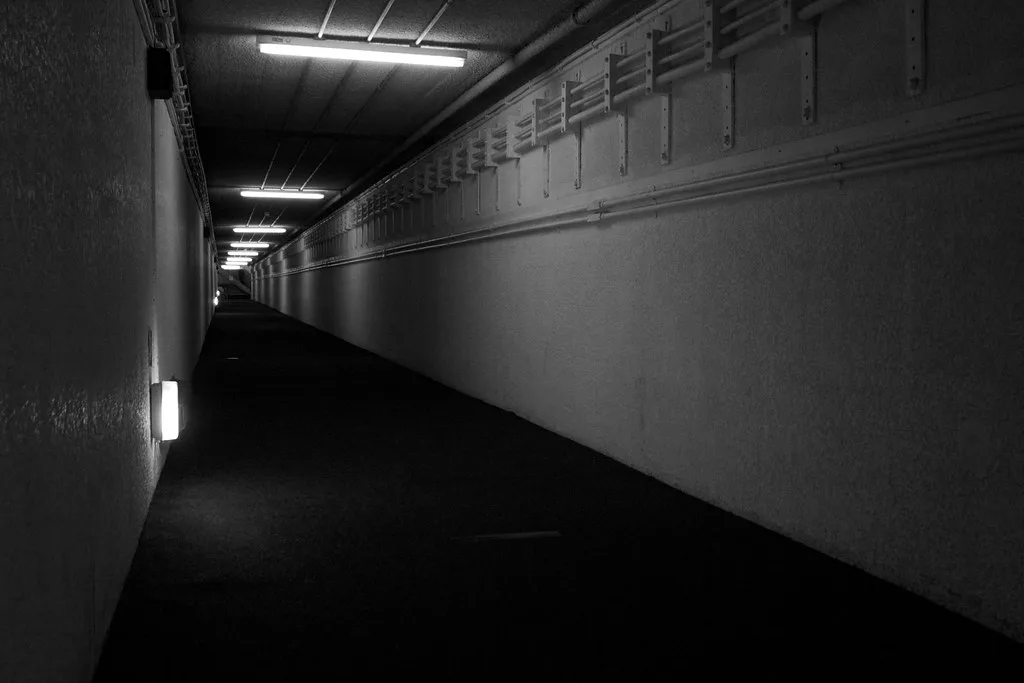
- Operations and plotting rooms, where air defence tracking took place
- Radar and communications areas
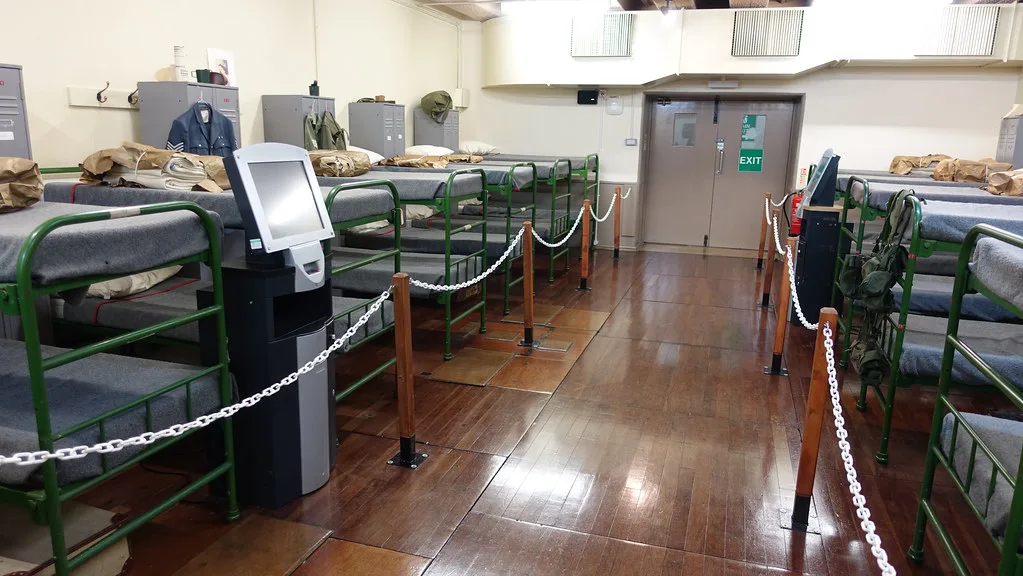
- Dormitories and kitchen facilities
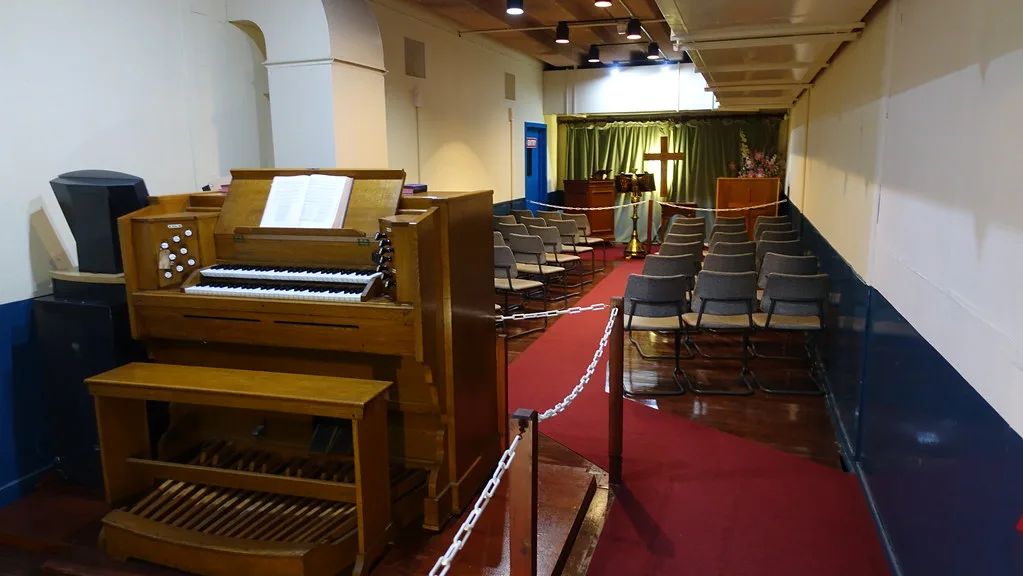
- A canteen preserved in period style
- Added exhibits on the wider Cold War, which are not all original to the site
Getting There and Getting Around
The bunker lies in rural Fife near Crail, around 6 miles from St Andrews. Treat it as a car trip, because no public transport route is confirmed to the door. Parking is on site at the farm. For bus options from St Andrews, check a current journey planner before you commit. Allow generous driving time from Edinburgh, as narrow rural roads slow the last stretch. VisitScotland lists the wider Fife area and its attractions.
Tickets, Opening Times and Booking
Prices, opening season and last-entry times change from year to year. Check the official Scotland's Secret Bunker site for current figures before you set off.
How Long to Allow and Who It Suits
Plan a half-day if you are visiting the bunker alone, and more if you add the coast. The descent is long, so mobility and claustrophobia are real factors. Ask the venue about lifts, ramps and stairs before you book. The table below sums up the fit.
Within that half-day, it helps to read the rooms in the order of the building's history. The operations and plotting rooms and the radar area belong to the RAF air defence role. The communications and work areas make most sense alongside the later government headquarters role, and the dormitories and canteen show how staff would have lived with the blast doors shut. Use the room labels to set the added Cold War exhibits apart from original fittings.
| Visitor type | Fit | Reason |
|---|---|---|
| Cold War and military history fans | Strong | Original ROTOR rooms in a genuine command centre |
| Families with older children | Good | Hands-on rooms and a canteen to explore |
| Wet-weather travellers | Good | Underground, so rain does not matter |
| Limited mobility | Check first | Long descent; confirm access with the venue |
| Short itineraries without a car | Weak | Rural site with no confirmed public transport |
Pairing It With St Andrews and the East Neuk
St Andrews makes the easiest base, since the bunker is about 6 miles away. Crail is the nearest village, and the other East Neuk villages follow along the coast. A bunker-only half-day keeps costs and driving low. A combined day adds fuel, meals and time, but gives you a coastal walk and harbour stops. If you are short on time, skip the extra villages and keep the bunker.
Mistakes to Avoid
A few planning errors catch first-time visitors out.
- Assuming public transport reaches the door
- Skipping the opening-season check before you drive out
- Expecting every exhibit to be original to the bunker
- Confusing it with the undisclosed Moffat bunker
Other Cold War Sites in Britain
England has several underground comparisons. Visit the Hack Green nuclear bunker for a Cheshire-area site, and read our guide to Hack Green's bunker first. Kelvedon Hatch and the York Cold War Bunker: Visitor Guide and What to Expect offer two more underground options. Above-ground heritage includes Orford Ness: Suffolk's Secret Cold War Test Site and the Greenham Common: Cold War Airbase and Peace Camp.
Frequently Asked Questions
Are there public nuclear bunkers in the UK?
Yes, several former Cold War bunkers are open as museums. Scotland's Secret Bunker in Fife is one. Hack Green, Kelvedon Hatch and a York bunker are others in England.
Is Scotland's Secret Bunker worth visiting?
It suits Cold War and military history fans, and it works well in wet weather. Expect a mix of original rooms and added exhibits. Skip it if mobility or confined spaces are a concern.
Keep planning
Guides on the same trip