Greenham Common: Cold War Airbase and Peace Camp
Greenham Common was a US cruise missile base and the site of a women's peace camp. Read the history, what remains today and how it compares with other sites.
In this guide
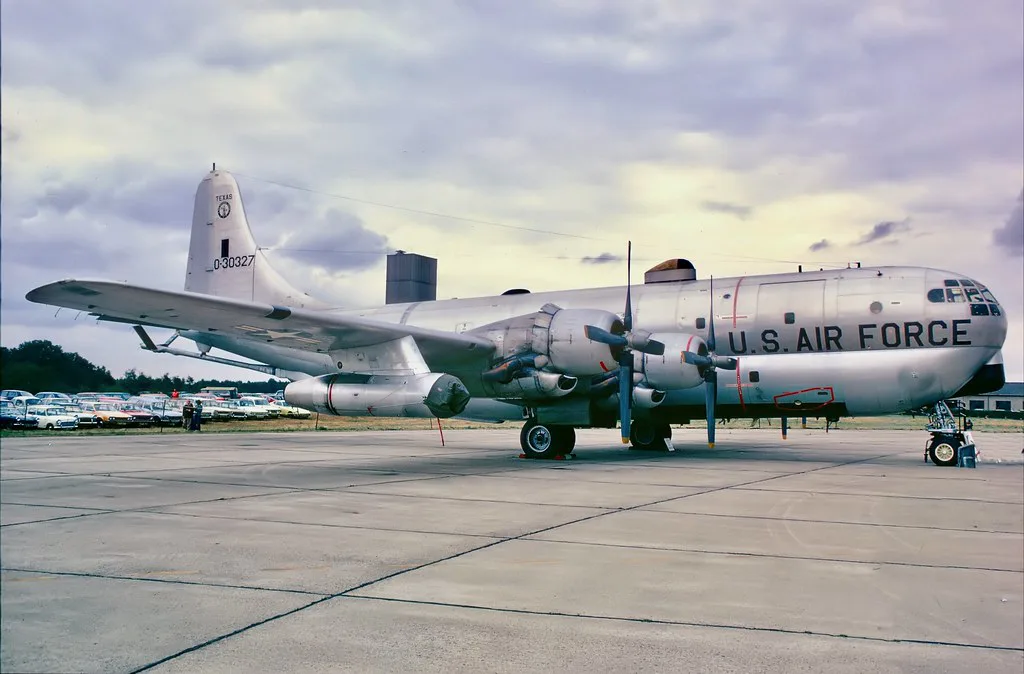
Last updated November 2026: Greenham Common is a former RAF and USAF base near Newbury in Berkshire, now common land and nature reserve. Its restored Control Tower is the heritage anchor, and this page sits within our guide to Cold War sites across Britain. Cruise missiles and a women's peace camp made the base one of the best-known Cold War places in the country.
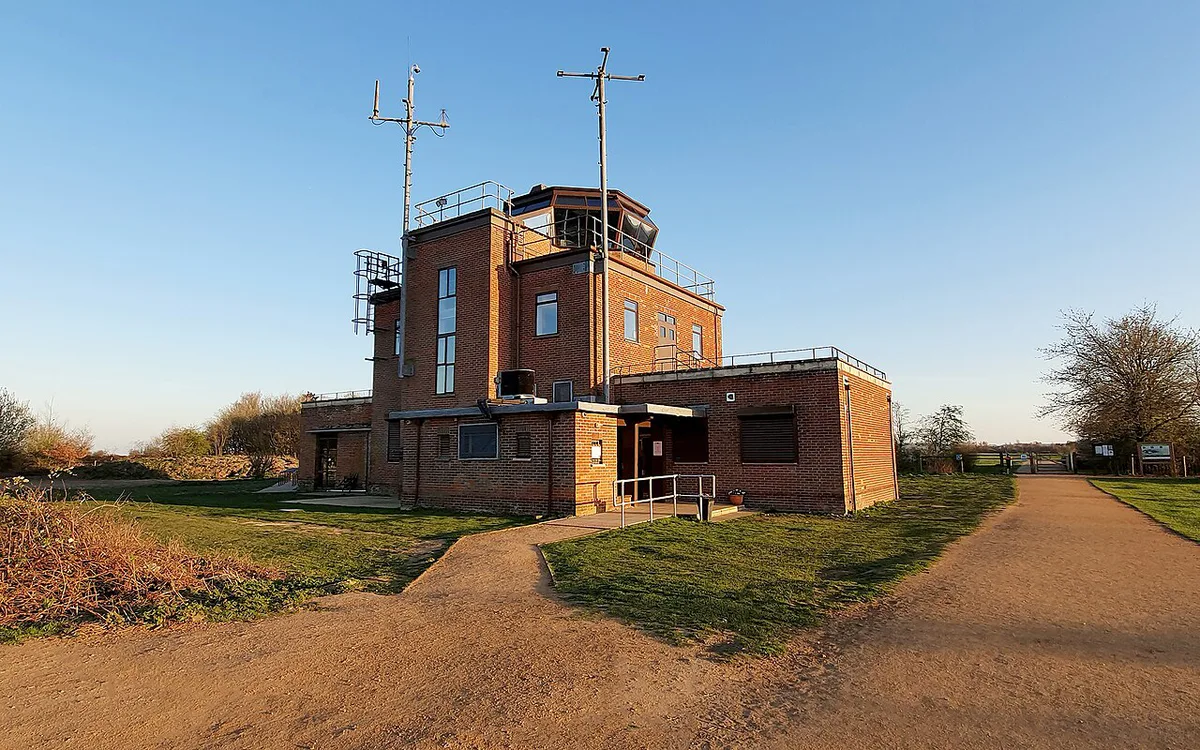
Featured image: Matthew Prior, CC BY-SA 4.0, via Wikimedia Commons.
Greenham Common at a glance
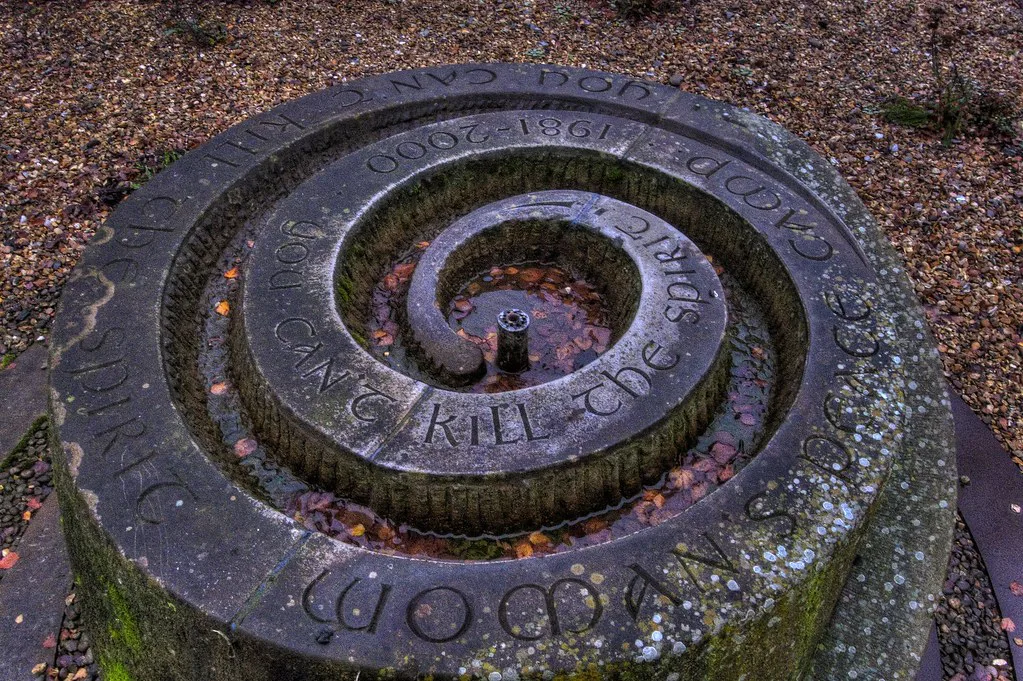
Greenham Common was an airbase that became the home of US cruise missiles. It was also the site of a long protest by women who camped outside its fence from 1981. Today it is open common land with a nature reserve, and the Control Tower survives as the main building to see.
- Then: RAF and USAF airbase near Newbury, Berkshire.
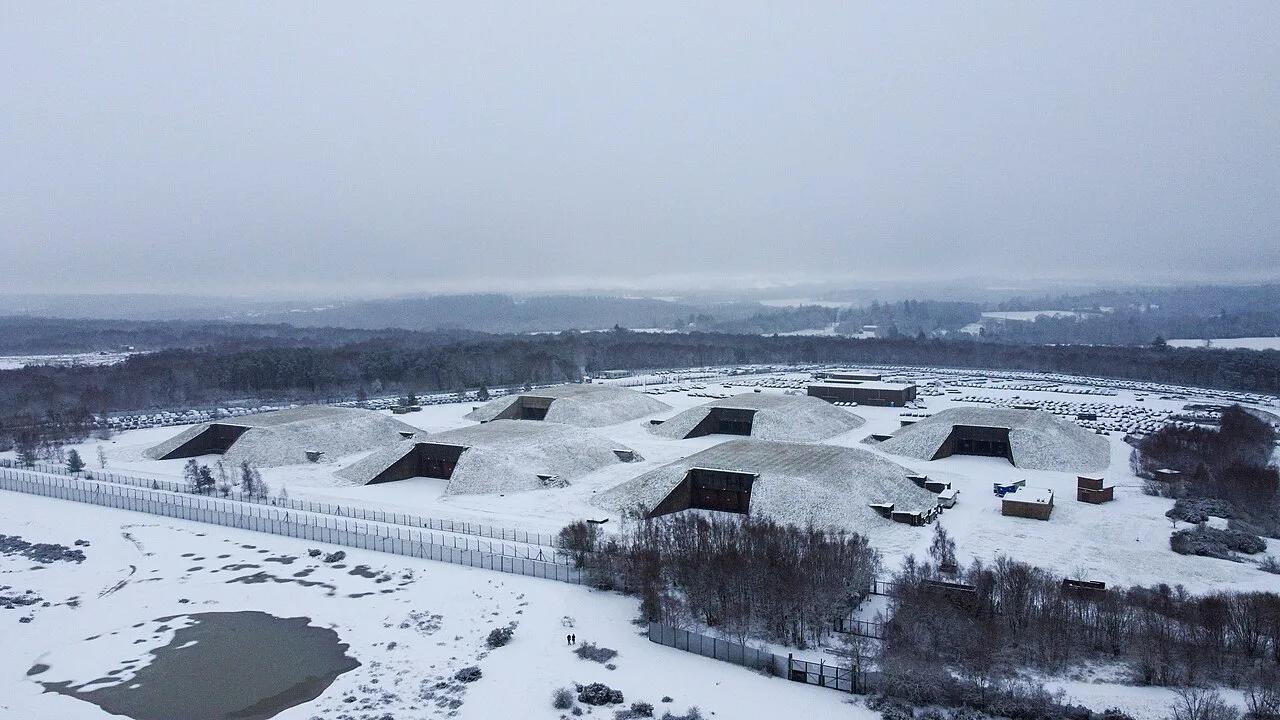
- Missiles: 96 cruise missiles were eventually stored there, according to a 1999 BBC report.
- Protest: the women's peace camp began in 1981.
- Handback: a formal ceremony marked the end of the American presence in 1992.
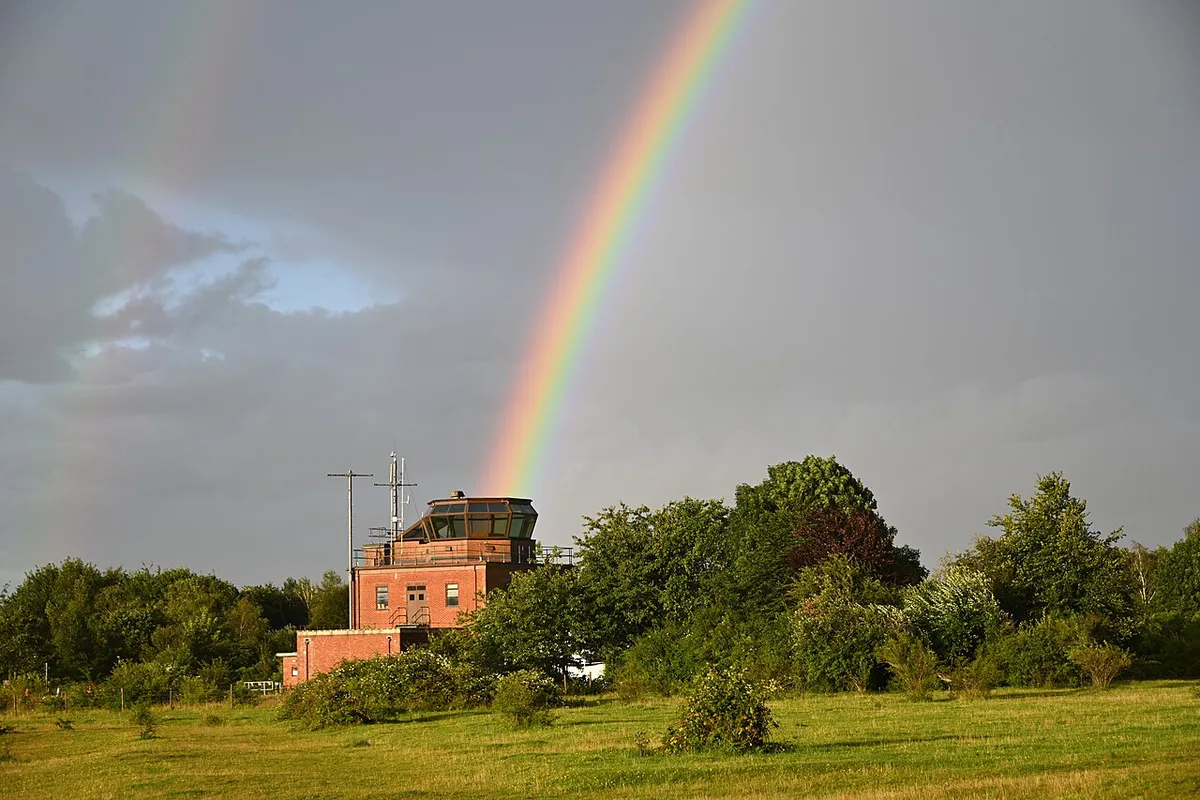
- Now: common land, a nature reserve and the restored Control Tower.

Why Greenham Common mattered
The camp began in August 1981, when a walk of 36 people, mostly women, set out from Cardiff. They covered about 120 miles to reach the base. Their group, Women for Life on Earth, was protesting against the announced storage of cruise missiles. Walkers chained themselves to the perimeter fence and asked for an open debate on nuclear arms. In 1982 the camp became women-only. That autumn a chain letter brought 30,000 women to "embrace the base". Newspapers treated the protest as a national story. On 12 September 1992 four women disrupted the handback ceremony as the US flag was lowered for the last time, according to a contemporary Independent report. Not everyone in the area supported the camp. A counter-group, Women For Defence, argued that Britain needed a nuclear deterrent. Both views belong in any fair account of the site.

The peace camp and its gate camps
The camp was really nine smaller camps, most set beside a gate of the airbase. They were named after the colours of the rainbow, and the BBC's 1999 account says Yellow Gate was the first. Green Gate was described as the only entirely women-only camp, while the others accepted male visitors by day. The rest of the gates followed through 1983. Protesters used non-violent actions such as threading paper doves and baby clothes into the fence. Some also cut through the fence, saying they had a right to walk on common land. Law lords later found that the land was common and that the women could not be stopped from walking on it. Damaging the fence to get in remained a criminal offence. A later council attempt to revoke the common-land byelaws was ruled unlawful. Today this history is told through archives and the Control Tower's own interpretation rather than any surviving camp.
Gate camps kept forming through 1983, and the camp had already gone women-only in 1982, a year after its 1981 start.

What you can see today
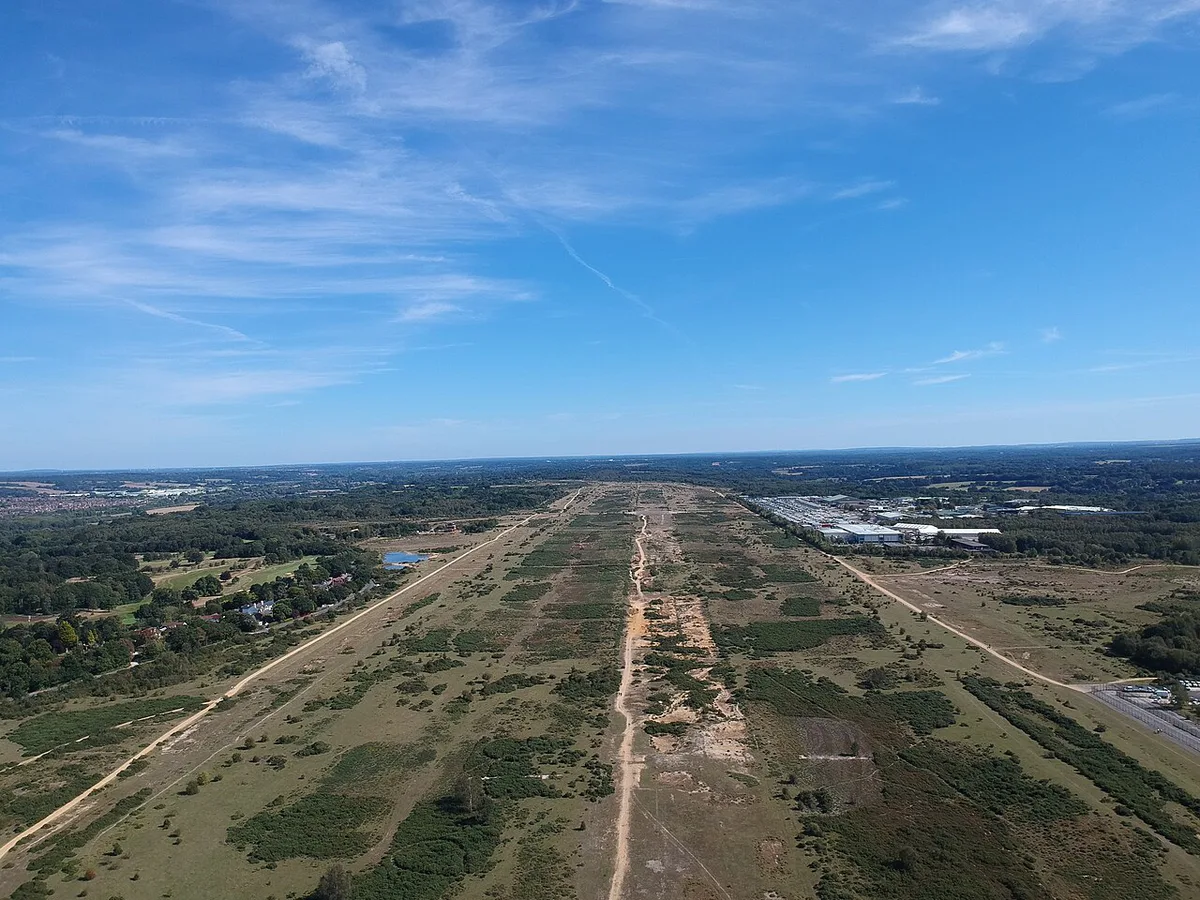
Expect open ground rather than a fortress. The old airbase is now common land and nature reserve, so the experience is a walk in open country with Cold War history around it. The restored Control Tower is the main heritage building. Its own website at Greenham Common Control Tower is the place to check current opening arrangements. Do not expect an intact underground bunker, a missile shelter you can enter, or a large museum hall. The 1999 BBC report described only a lone mobile home as the remains of the peace camp, and the women said they would leave in 2000. Treat any older description of a camp still being there as out of date.
How to visit Greenham Common
Newbury is the nearest town named in historical sources. For parking, walking routes and any seasonal limits, use the Control Tower website and the common's managing body, because no verified figures are published in our sources. Dress for open, weather-exposed ground. Treat the visit as a half-day walk with a stop at the tower, not a full-day attraction. Stay on public routes, respect the nature reserve, and follow any signs on the common. Because it is a place of protest history and local memory, keep a respectful tone around any memorial.
Greenham Common vs other Cold War sites
Greenham is an outdoor, story-led site. The sites below suit different expectations, so match your choice to what you want to see.

| Site | Type | What you see | Best for |
|---|---|---|---|
| Greenham Common | Former airbase, peace camp history | Common land, Control Tower | History-first visitors and walkers |
| Upper Heyford | Former US airbase | Cold War airbase heritage | Closest comparison to Greenham |
| Orford Ness: Suffolk's Secret Cold War Test Site | Cold War test site | Remote shingle spit and test buildings | Visitors who want a stark landscape |
| Cold War Museums & Sites in the UK: Where to Go | Museums | Aircraft and indoor displays | Aircraft and interior displays |
| Hack Green | Underground bunker | Nuclear bunker tour | Bunker enthusiasts |
| Kelvedon Hatch | Underground bunker | Bunker tour | Bunker enthusiasts |
| York Cold War Bunker: Visitor Guide and What to Expect | Former monitoring post | Preserved bunker interior | Compact bunker visit |
| Scotland's Secret Bunker | Underground bunker | Bunker tour in Scotland | Bunker enthusiasts |
Who should go and common mistakes
Greenham suits some visitors better than others. Use the list below to decide before you set out.
- Go if you want protest and Cold War history in an open setting.
- Go if you enjoy walking on common land or photographing a restored control tower.
- Skip it if you expect an underground bunker tour; the bunker sites in the table above fit better.
- Skip it if you want a museum with indoor galleries.
- Mistake: relying on old accounts that describe a camp still on site.
- Mistake: arriving without checking the Control Tower's current opening arrangements.
Frequently Asked Questions
What is at Greenham Common now?
The former airbase is now common land and nature reserve. The restored Control Tower is its main heritage building. Check the tower's own website for current visiting details.
Is there still a camp at Greenham Common?
A 1999 BBC report said the last protesters, living in a mobile home, planned to leave in 2000. Older articles that describe a camp on site are out of date.
Was the Greenham Common protest successful?
Opinions differ. The women drew national attention to cruise missiles and won a ruling that the land was common. The missiles left and the base was handed back in 1992, though historians debate the protest's exact role.
Keep planning
Guides on the same trip