Orford Ness: Suffolk's Secret Cold War Test Site
Plan a visit to Orford Ness, the former secret military test site on the Suffolk coast: the ferry from Orford, what to see, the Pagodas, and the rules.
In this guide
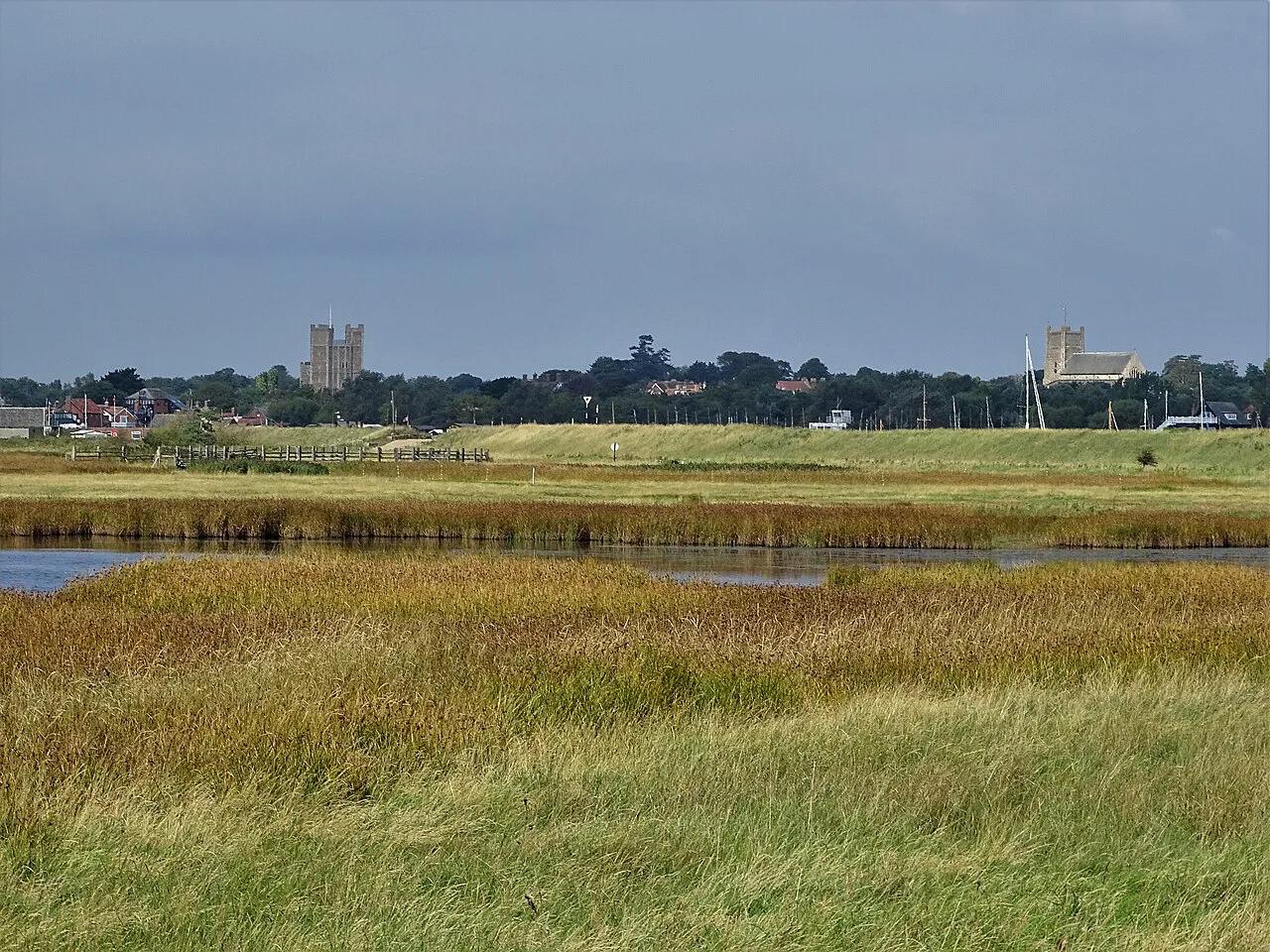
Last updated November 2026: Orford Ness is a National Trust shingle spit and former military test site on the Suffolk coast, reached only by the National Trust ferry from Orford Quay. Experiments in aviation, radar and weapons technology took place here during both world wars and the Cold War. This guide explains what survives, how the ferry day works and where the site fits among Britain's Cold War bunkers.
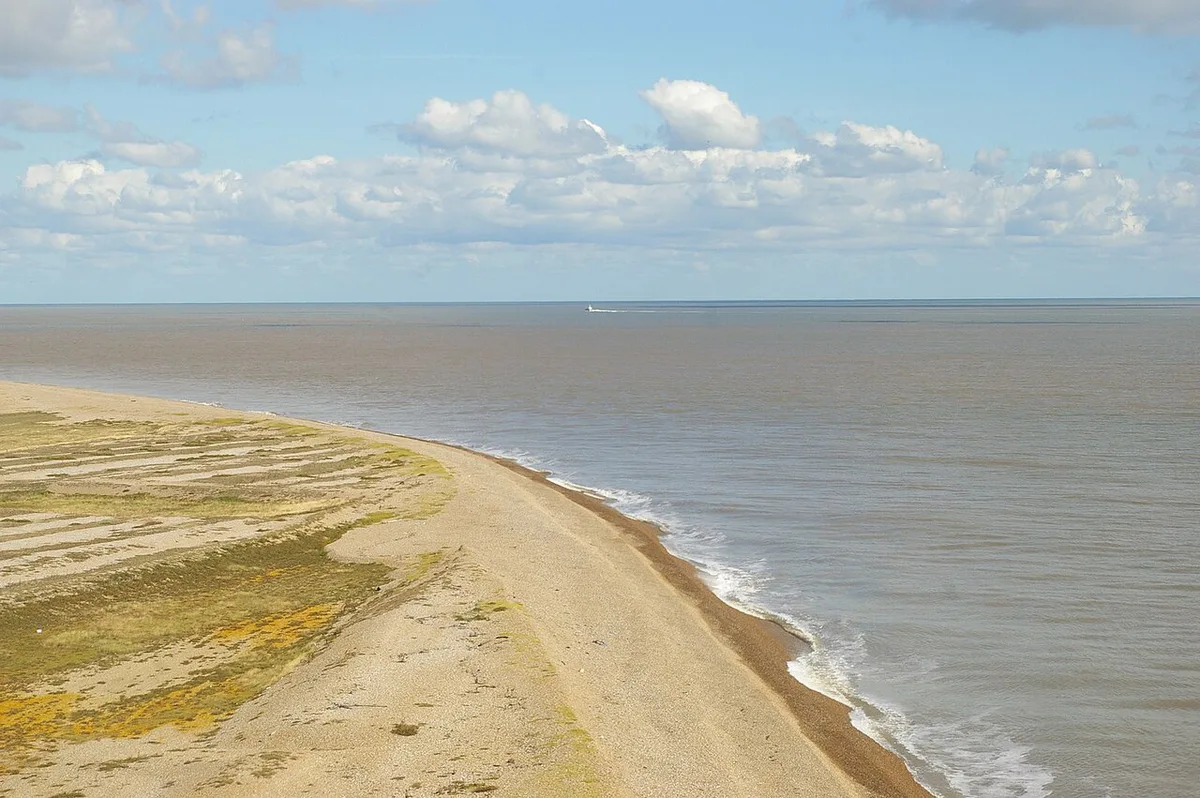
Featured image: Neil Theasby, CC BY-SA 2.0, via Wikimedia Commons.
What Orford Ness is
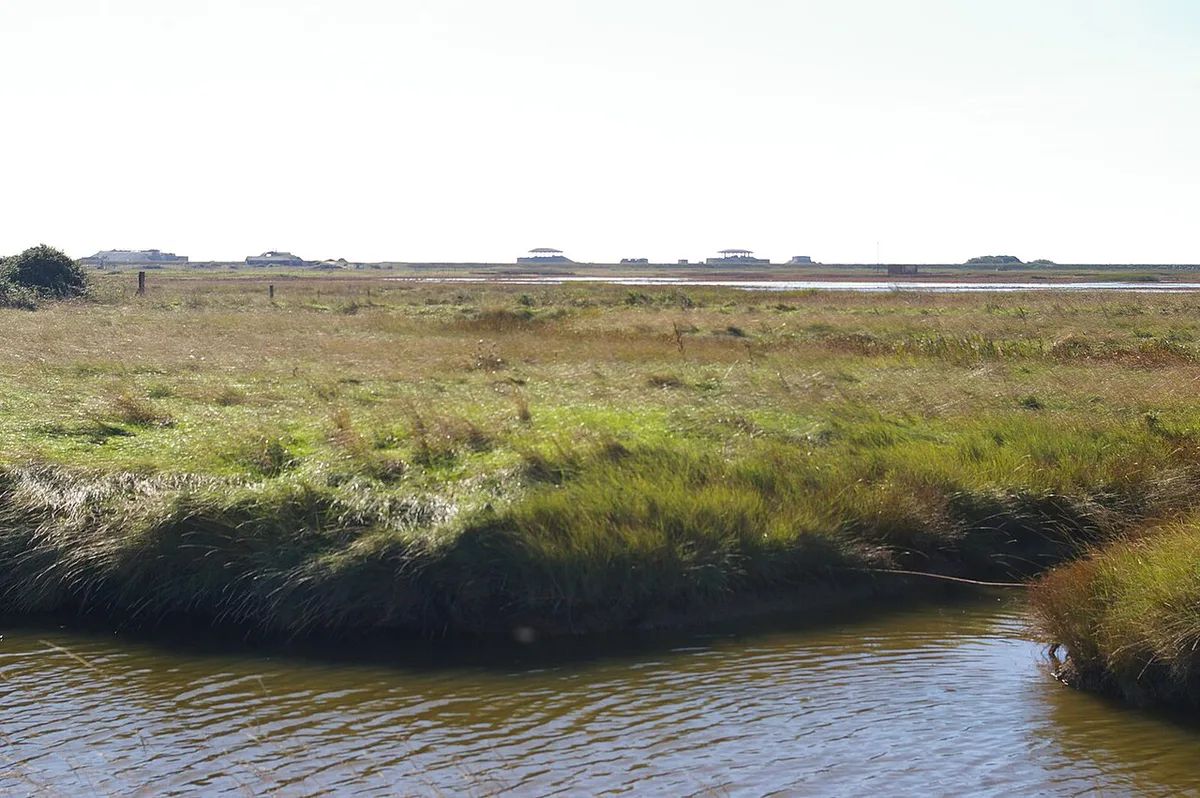
Orford Ness is a long coastal shingle spit opposite Orford, separated from the Suffolk mainland by the tidal River Ore. It lies within the Suffolk & Essex Coast & Heaths National Landscape and is a National Nature Reserve. The National Trust acquired it in 1993, and the Trust manages the reserve for both its habitats and its military heritage. Vegetated shingle carries sea kale, sea pea and yellow horned poppy. Brown hares and Chinese water deer also live on the reserve. Wildlife is a bonus here, because the military buildings are the reason most Cold War readers come.
Orford Ness military history: what is documented
For much of the twentieth century the Ness was closed to the public and used for secret military research. Work covered aviation, radar and weapons technology across both world wars and the Cold War. Restricted access explains why abandoned laboratories and observation towers still stand on open ground. Popular accounts say nuclear bombs were tested here, but that claim is usually phrased as a belief. Documented facts are the research fields above and the named buildings below. For any weapons claim, rely on the National Trust's own interpretation on the day rather than on retellings.
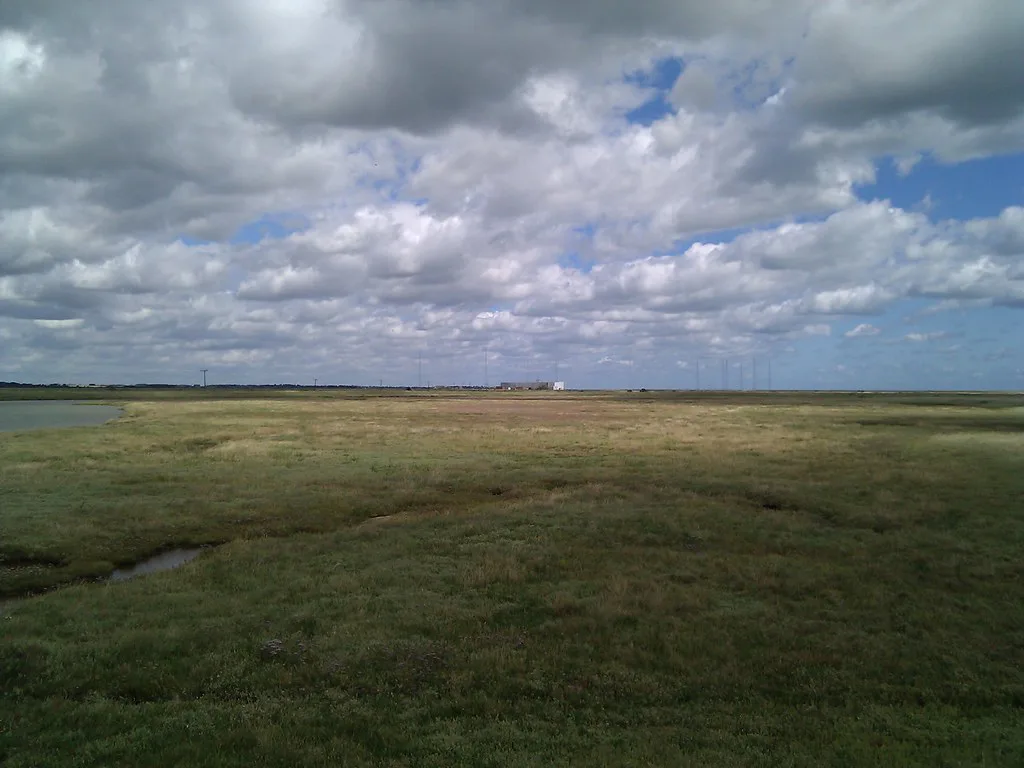
What you can see: Pagodas, Black Beacon and Bomb Ballistics Building
Designated walking routes cross former airfields, grazing marshes and shingle. They pass the surviving structures, and most of what you see is viewed from the path. Which individual buildings are open to enter changes with the season and the Trust's arrangements, so the National Trust page is the place to confirm that.
- Pagodas: distinctive concrete structures that stand out against the flat, open shingle landscape.
- Black Beacon: a historic structure on the walking routes, passed on the way across the spit.
- Bomb Ballistics Building: a weapons-testing building that gives the clearest sense of the site's research purpose.
- Laboratories and observation towers: abandoned buildings that show how much of the Ness was given over to experiments.
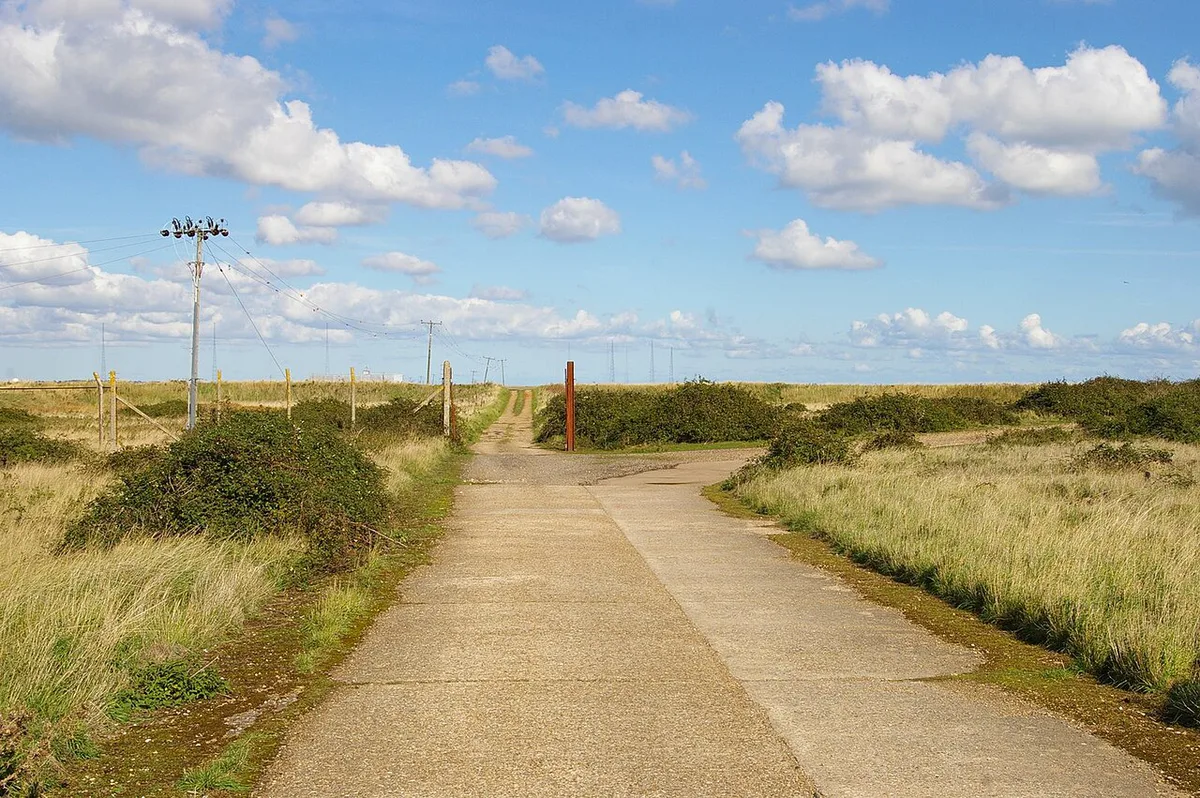
How to get to Orford Ness: the ferry from Orford Quay
Public access is by the National Trust ferry from Orford Quay. Visits follow seasonal opening arrangements and require advance booking. The river and the reserve boundary leave no other public way onto the spit. Ferry times, crossing frequency and the last return crossing are set by the National Trust. Read its page before choosing a date, and ask it about parking and arrival arrangements in Orford. Plan the whole day around the fixed return crossing.
Costs, opening days and booking
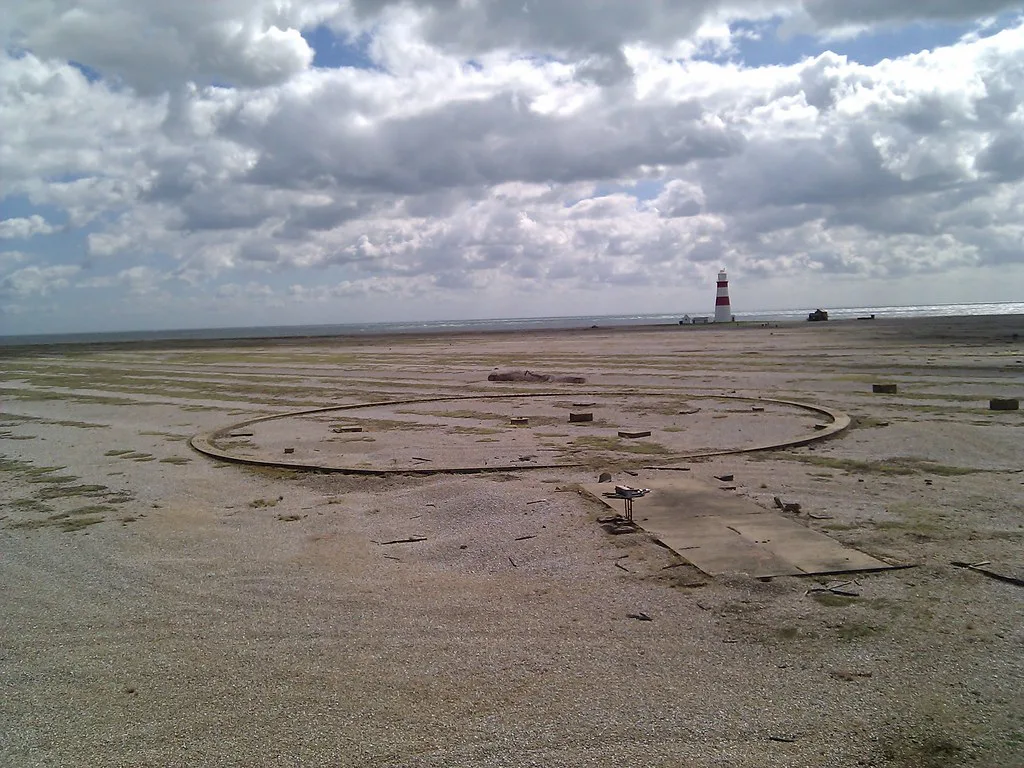
Admission prices, opening days and season dates are published by the National Trust and change from year to year. Book your crossing in advance and read the current terms, including any membership benefit, on the Orford Ness page.
Planning your day on the Ness
Expect shingle underfoot, open ground and little shelter from North Sea wind. Weather can change the feel of the day quickly, and tide and conditions on the River Ore affect the crossing. Build in a margin so you reach the return ferry early rather than late. Carry everything you need, because there is no easy way back to the village mid-walk.
- Sturdy footwear that copes with loose shingle
- Windproof and waterproof layers
- Water and food for the day
- Binoculars for wading birds and wildfowl
- A camera for the Pagodas and long coastal views
Rules and safety on marked paths
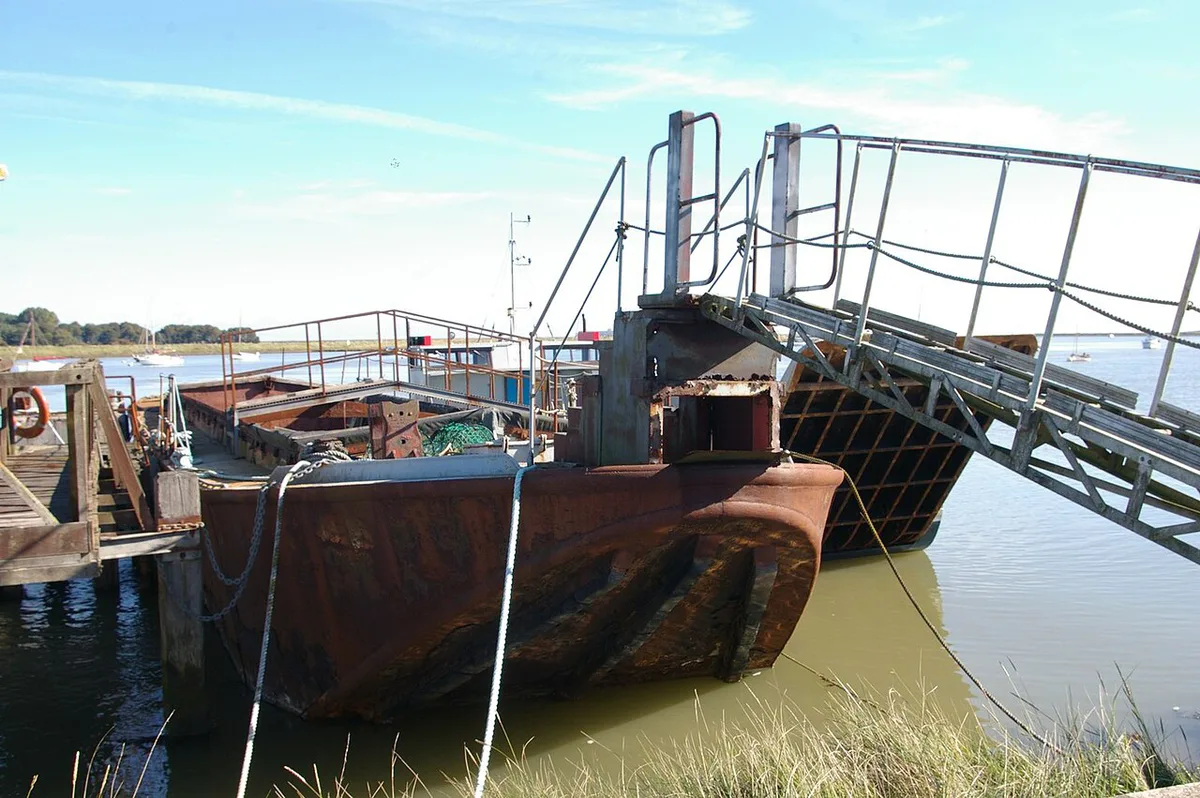
Visitors must stay on designated paths. The rule protects fragile coastal habitats and keeps people away from areas where unexploded military ordnance may remain. Treat any boundary marker as a hard limit. Rules on dogs and children, and details on mobility and step-free access, are set by the National Trust. Loose shingle and long routes make the terrain demanding for some visitors, so read those details before you book.
Is Orford Ness worth it? Who it suits
Orford Ness suits military-history readers, photographers, walkers and birdwatchers who enjoy open landscape. Skip it if you expect underground bunkers, museum displays or easy access. Britain's bunker sites work differently, with flexible timing instead of a ferry. For a walk-in nuclear bunker, start with Hack Green. For a deep underground complex, read about Kelvedon Hatch. For a city-based option, try the York Cold War Bunker: Visitor Guide and What to Expect. In Scotland, see Scotland's secret bunker. Hack Green also has an official site for visitor details. Readers drawn to the aviation side can explore Cold War Museums & Sites in the UK: Where to Go. Two airfield sites to read next are the Greenham Common: Cold War Airbase and Peace Camp and Upper Heyford's Cold War landscape. All of these lie elsewhere in Britain, so none combines easily with a Suffolk day.
| Site | Type | Best fit |
|---|---|---|
| Orford Ness | Open landscape, ferry access | Walkers, photographers, military-history fans |
| Hack Green | Bunker | Visitors wanting an indoor nuclear-bunker experience |
| Kelvedon Hatch | Bunker | Visitors wanting a deep underground complex |
| York Cold War Bunker | Bunker | Visitors combining a city trip with Cold War history |
Where to base yourself: Orford village
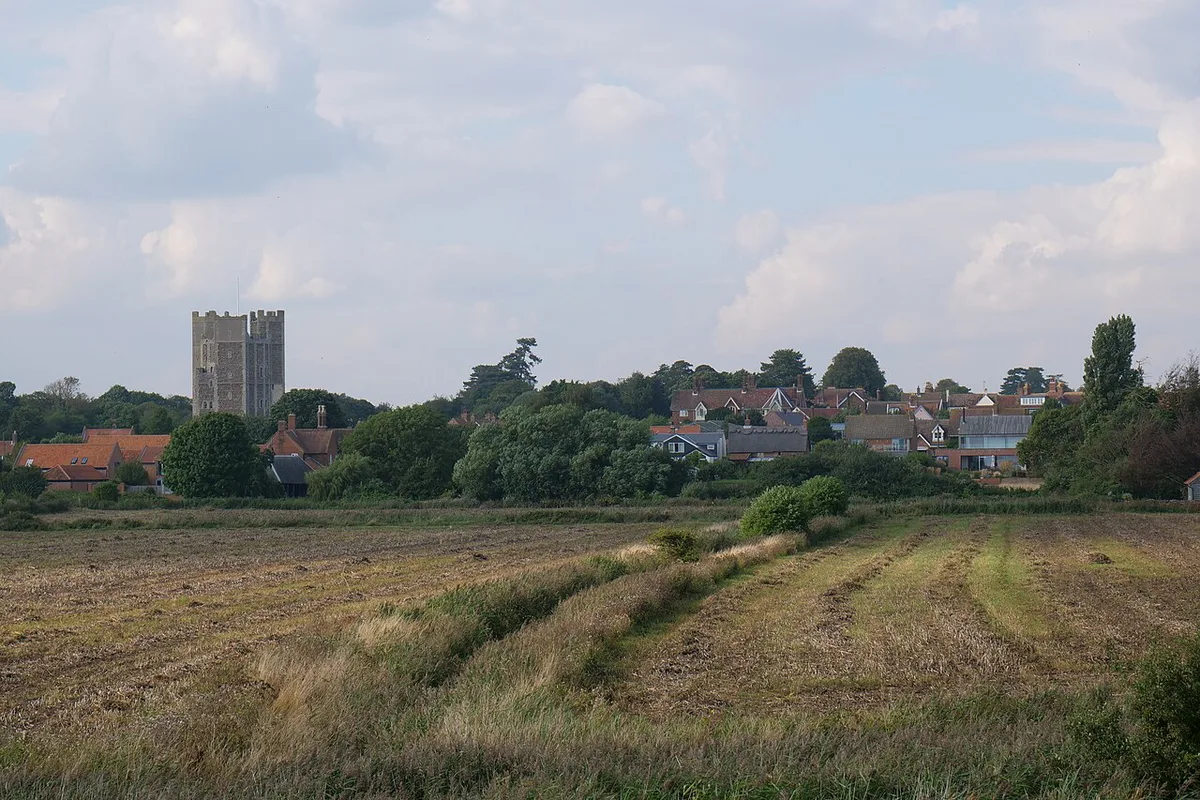
Orford has a medieval castle and a working quay, where the ferry departs. The Suffolk Coast Path, the King Charles III England Coast Path and the Sandlings Walk offer further walking on the mainland. Riverside paths around the village look across the River Ore towards the Ness. Staying in Orford the night before makes an early crossing simpler.
Keep planning
Guides on the same trip