
Lost Battalion Site, Argonne Forest: Visitor Guide
Where the Lost Battalion stood in the Argonne Forest, what you can see today, how to get there, and which nearby American WWI sites to pair it with.
In this guide
Last updated November 2026. The Lost Battalion site is in the Argonne Forest near Binarville, where units of the 77th Division were cut off in October 1918. You will find forest ground rather than a staffed attraction, so this guide covers what to expect, how to reach it and what to pair it with. For a wider route, start with our overview of American WWI sites in France.
Featured image: Unknown authorUnknown author or not provided, Public domain, via Wikimedia Commons.
What was the Lost Battalion, and where is the site?
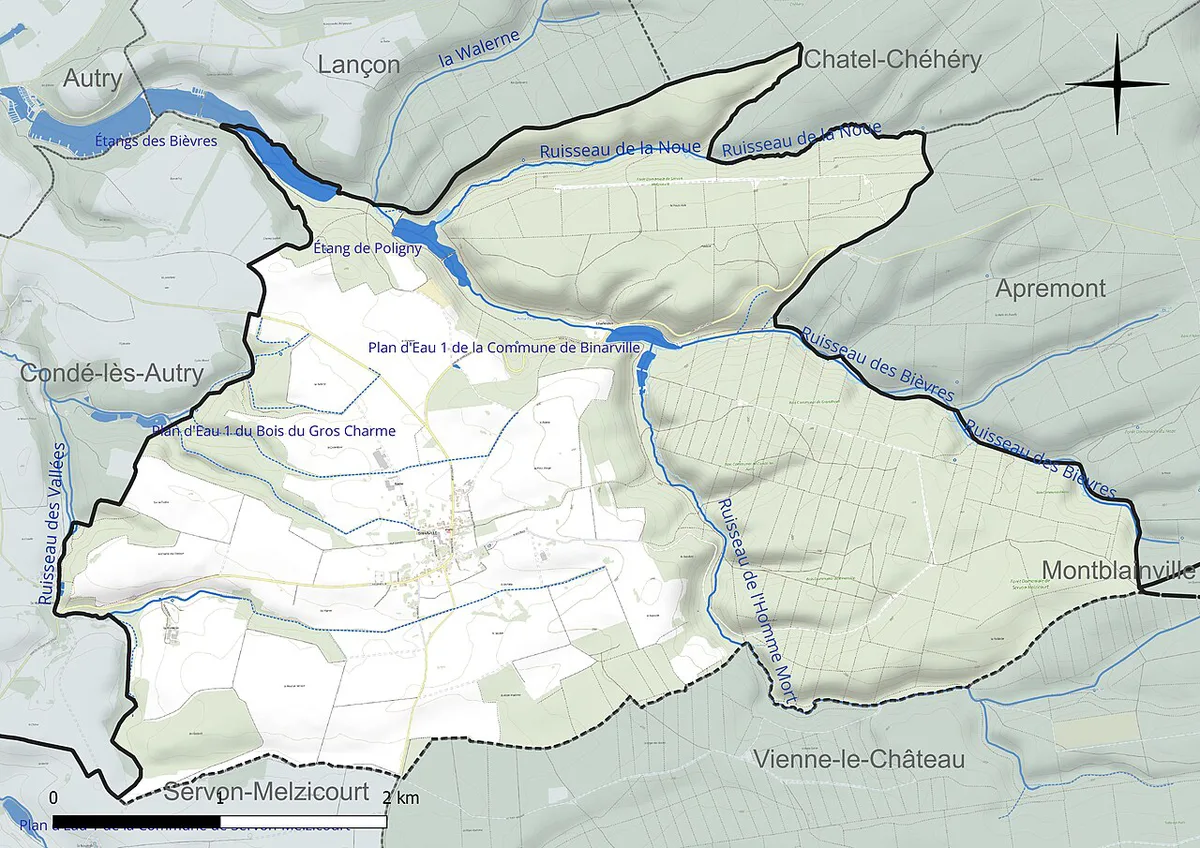
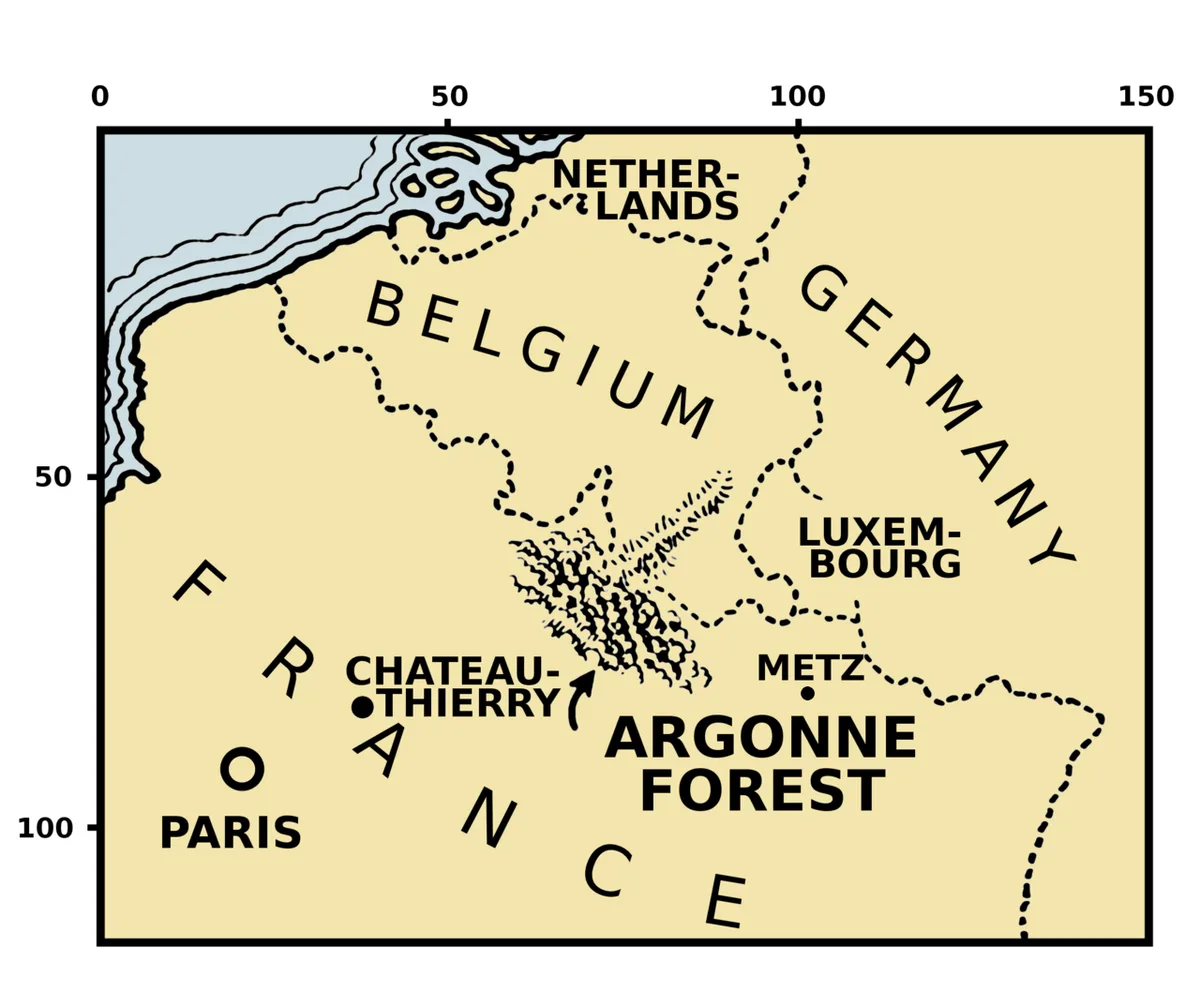
Units of the 77th Division were surrounded in the Argonne Forest during the Meuse-Argonne offensive. The commonly cited dates are October 2 to 8, 1918. The position lay on wooded, broken ground in the Meuse-Argonne sector of northeastern France. Visitors search for the lost battalion location because the ground is a real, walkable place, not just a story in a book.
- Unit: elements of the 77th Division
- Dates: October 2 to 8, 1918, as commonly cited
- Location: Argonne Forest, near Binarville
- Facilities: none to expect on the forest ground itself
The story in brief: October 1918 in the Argonne
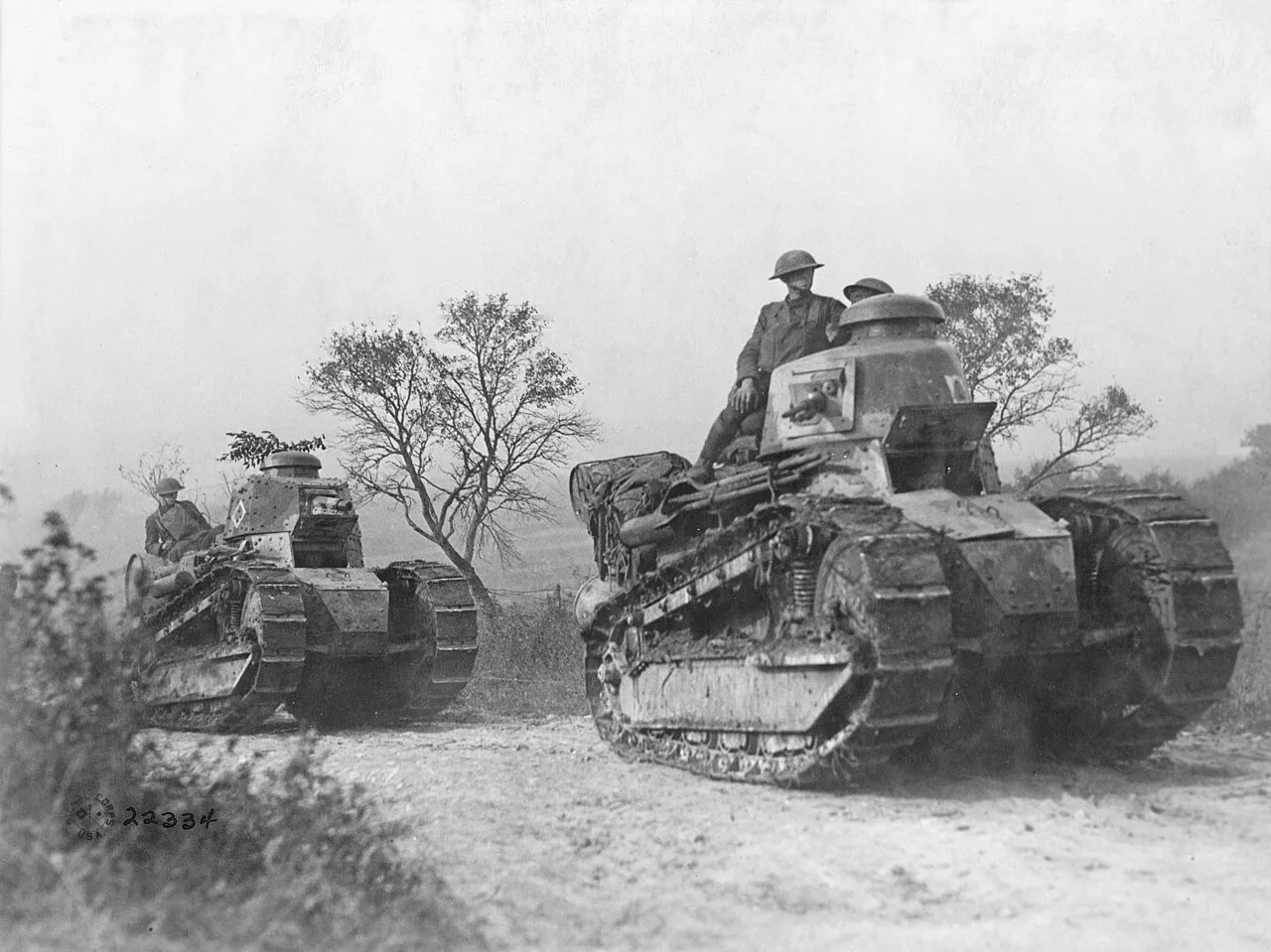
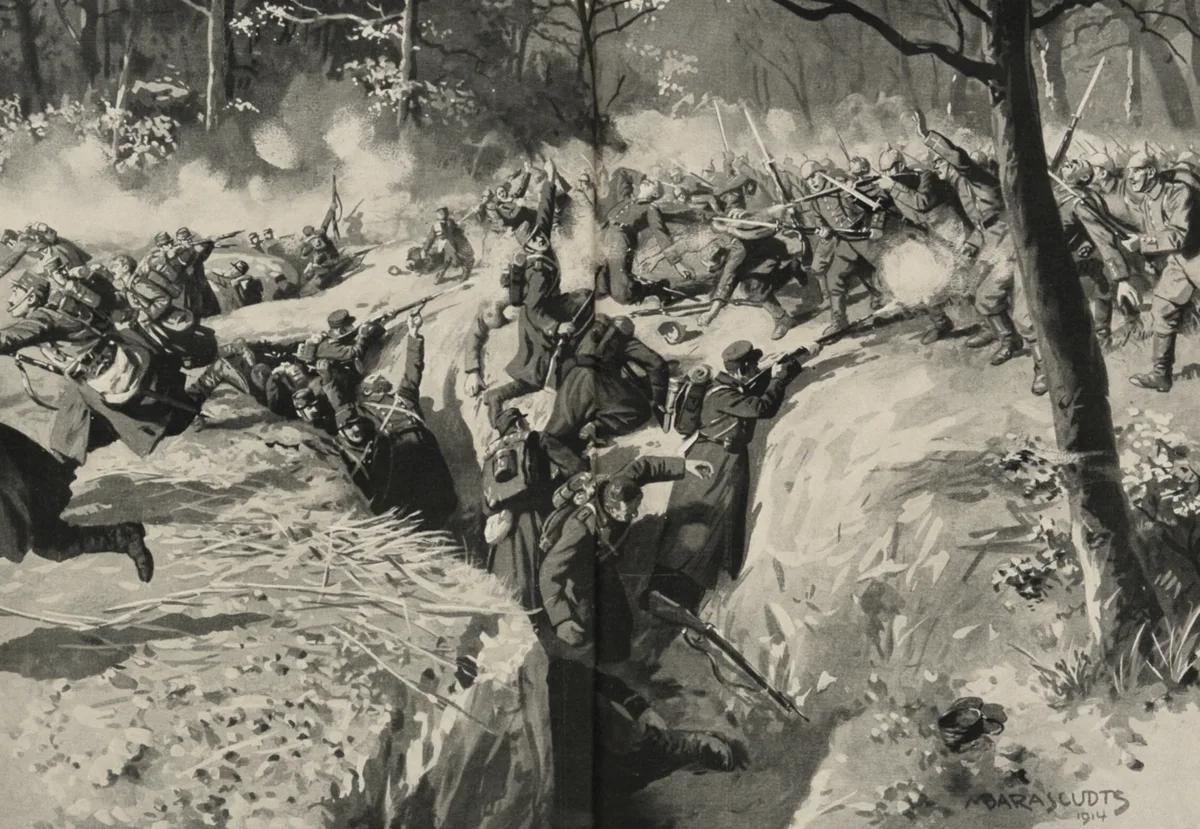
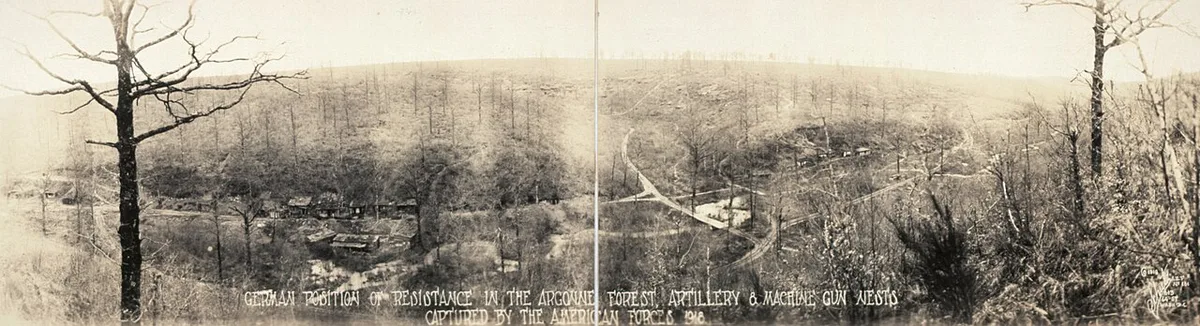
The unit advanced into the forest and found its flanks open. German forces closed in around the position. Dense trees, ravines and steep slopes made it hard to move supplies or send messages. Rifles, machine guns, grenades and mortars all shaped the fighting on this ground. Relief reached the position after several days. Accounts differ on details such as casualty counts and the friendly-fire episode, so read an institutional history before repeating any single figure.
What you can see at the site today
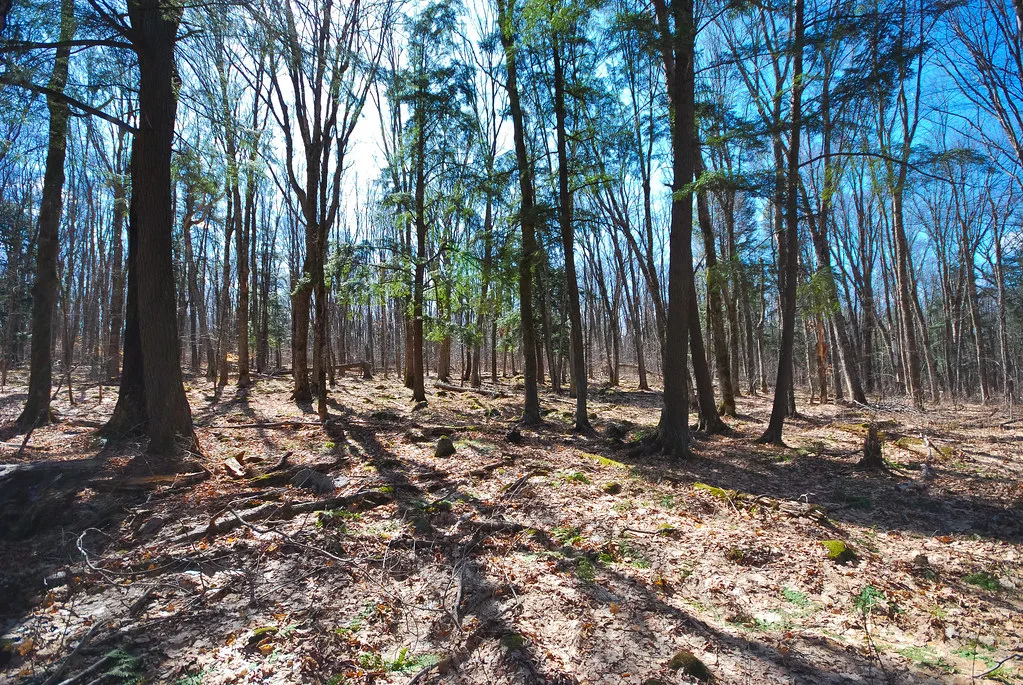
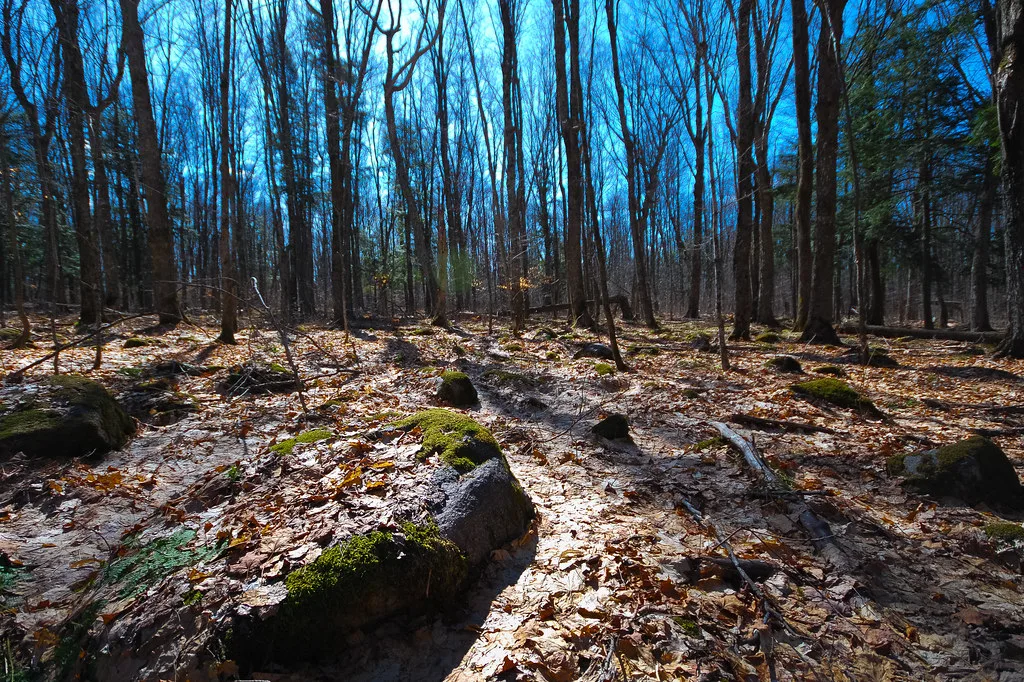
Expect forest, slopes and ravines, which are the real reason the unit was trapped. You are not visiting a museum or visitor centre. Whether a marker stands on the spot, and in what condition, is worth checking locally before you set out. The value of the stop is understanding the terrain, which maps and books flatten.
How to get there
The site is remote, and a car is almost certainly needed. Binarville is the nearest village to anchor your route. Public transport is limited, so a taxi or rental car from Verdun is the realistic option. Many travelers pair the drive with the Meuse-Argonne American Cemetery. Do not rely on phone maps alone, because forest coverage can drop out. Download an offline map first and ask at the Meuse tourism office about current access and trail conditions.
How long to allow and what it costs
Entry to open forest ground is normally free, but confirm any local rules on arrival. Drive time between sites is usually the larger cost. The table compares the three common plans.
| Plan | Time | Cost |
|---|---|---|
| Site only | Short walk plus the drive in | Fuel; walking is free |
| Site plus cemetery | Half day | Fuel; cemetery entry is free of charge per ABMC |
| Full Meuse-Argonne day | Most of a day | Fuel and lunch in Verdun |
Is it worth the detour? A decision guide
Go if you read WWI history, trace a family member's unit or plan a battlefield tour. Skip it if you are short on time, have no car or want a staffed site with exhibits. Those travelers will get more from the cemetery and monument, which are easier to visit.
- Go: history readers, descendants, tour planners
- Skip: casual sightseers, travelers without a car
- Short on time: choose the cemetery and monument instead
Pair it with these American sites nearby
Treat the forest stop as the on-the-ground chapter, and the staffed sites as the anchors. Begin or end at the ABMC Meuse-Argonne cemetery page for official visiting details. Add the Montfaucon American Monument: Hours, Climb & Visit Guide to complete the offensive. Sequence stops by a map of your own drive times, since none are fixed here. Belleau Wood: Battlefield, Cemetery and Visitor Guide (France) sits in a different region. The same goes for the Aisne-Marne cemetery, the Chateau-Thierry monument and the Oise-Aisne cemetery, so plan them as a separate day. Paris-based travelers can add the Suresnes cemetery before or after. The Lafayette Escadrille Memorial: Visitor Guide & History is another Paris-area stop.
Visiting respectfully and safely
Forests from this battle can still hold unexploded ordnance. Stay on paths, never dig and never use a metal detector. Autumn brings mud and wet leaves, and winter daylight is short. Check local forestry guidance for hunting-season restrictions before you walk. Leave nothing behind and treat the ground as a place where soldiers died.
Prepare for a self-guided forest stop
This is a self-guided battlefield stop, not a museum visit. Begin in Binarville, then use an offline map before entering forest roads. Mobile coverage can drop in the woods, and the ground itself has no facilities to rely on.
Allow a half day if you combine the forest stop with Meuse-Argonne American Cemetery. That leaves time to walk carefully, navigate the approach, and visit the cemetery without rushing. A site-only visit can be shorter, but driving is usually the main time commitment.
The forest terrain explains why elements of the 77th Division became isolated here between October 2 and 8, 1918. Wear footwear suited to uneven ground. Autumn brings mud and wet leaves, while winter brings shorter daylight. Check local access and hunting restrictions before walking, stay on established paths, and do not search for relics.
Frequently Asked Questions
What battalion was lost in WW1?
The Lost Battalion was a group of 77th Division units cut off in the Argonne Forest in October 1918. It was a nickname for the isolated force, not a formal unit. The site is near Binarville.
Keep planning
Guides on the same trip






