Sicily Landings 1943: Operation Husky Sites and Guide
What the 1943 Allied landings in Sicily were, where they happened, and how to plan a visit, with links to the wider Italian campaign.
In this guide
Last updated November 2026: the Sicily landings were the Allied invasion of the island, code-named Operation Husky, which began on 10 July 1943. Amphibious and airborne forces came ashore on the southern and southeastern coasts, and about 160,000 Allied troops took part. Use this guide to place the invasion on the map, decide what to visit, and connect it to the wider Italian WW2 route.
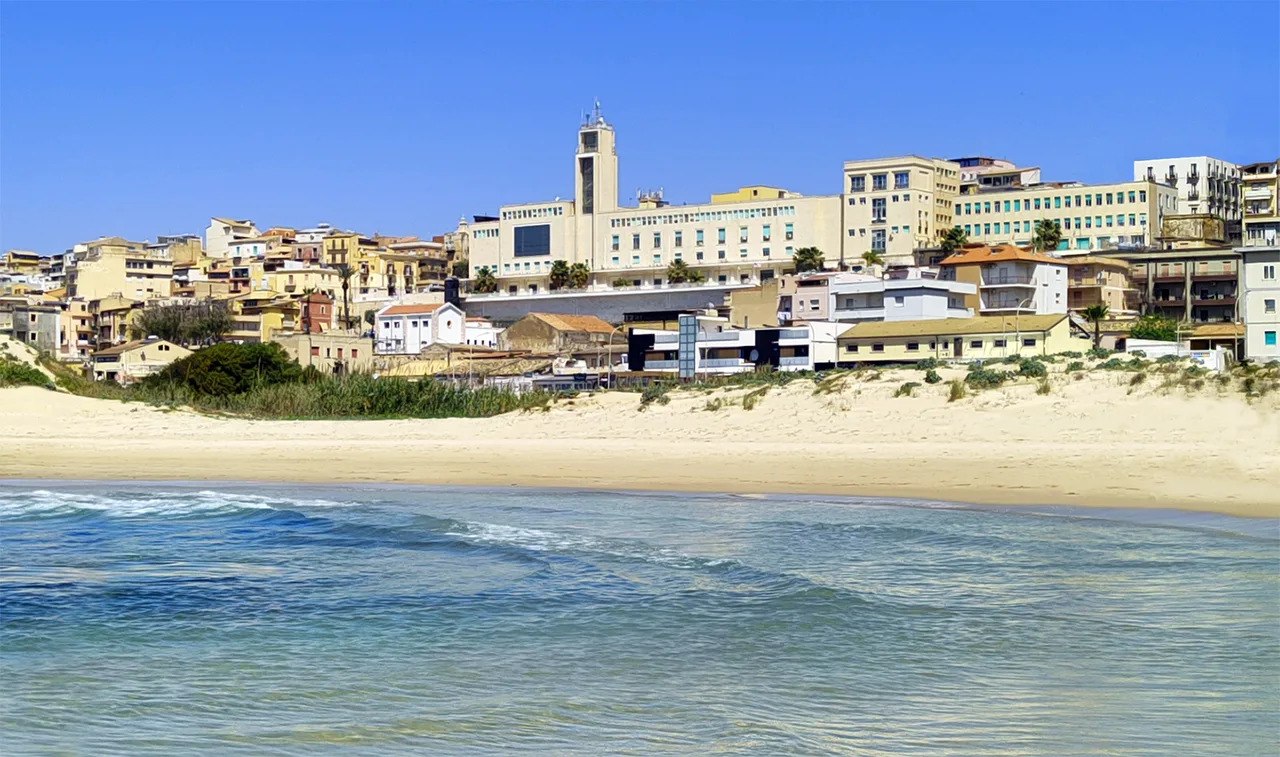
Featured image: AbelDionis, CC0, via Wikimedia Commons.
What the Sicily Landings Were
Operation Husky was the Allied plan to take Sicily from Axis forces. British and American armies attacked together in July 1943. A naval armada carried about 160,000 troops across the Mediterranean. Fighting on the island lasted 38 days, and by the end of August the Allies could cross to the Italian mainland. Casualty estimates differ between historians, so this guide leaves them out.
Where the Landings Happened
Landings began on 10 July 1943 along Sicily's southern and southeastern coasts. Airborne troops supported the beach assaults. Two Allied armies shared the work, as the table shows. Exact beach names and sector boundaries are best taken from official military-history pages before you plan a route.
| Force | Nation | General sector |
|---|---|---|
| US Seventh Army | United States | Southern coast |
| British Eighth Army | United Kingdom | Southeastern coast |
Who Fought: Commanders, Airborne Drops and Axis Defenders
General Dwight D. Eisenhower held overall Allied command, and General Sir Harold Alexander led the ground forces as head of 15th Army Group. Under him, Lieutenant General George S. Patton commanded the US Seventh Army, and General Bernard Montgomery commanded the British Eighth Army. The Eighth Army included the 1st Canadian Infantry Division, which landed near Pachino at the island's southeastern tip.
American assault forces came ashore around Licata, Gela and Scoglitti. British troops landed farther east, on the coast between the Pachino peninsula and the area south of Syracuse.
The airborne operations
Airborne troops went in on the night of 9 to 10 July, ahead of the beach landings. High winds and navigation problems badly disrupted both of these operations:
- Operation Ladbroke: British glider troops aimed for the Ponte Grande bridge south of Syracuse. Many gliders came down in the sea. The small force that reached the bridge seized it. It was later overrun, but arriving British troops soon retook it.
- American parachute drop: Paratroopers led by Colonel James Gavin, built around the 505th Parachute Infantry Regiment, were meant to protect the Gela landings. They were widely scattered, and small groups fought wherever they landed.
The Axis side
Italian General Alfredo Guzzoni commanded the island's defense through the Italian Sixth Army. German support included the Hermann Göring Panzer Division and the 15th Panzergrenadier Division. Italian and German counterattacks around Gela on 10 and 11 July put the American beachhead under serious pressure. Infantry, artillery and naval gunfire helped hold it.
For a fuller order of battle, see the overview of the Allied invasion of Sicily.
How the Allies Hid the Target
Operation Mincemeat was a British deception. Intelligence officers planted false documents on a dead man's body. That body was set to wash up on a beach watched by German forces. The papers pointed to Sardinia and Greece, and German units shifted toward those places. Sicily still held strong Italian and German forces, so the landings were far from easy.
The 38-Day Campaign and Its Fallout
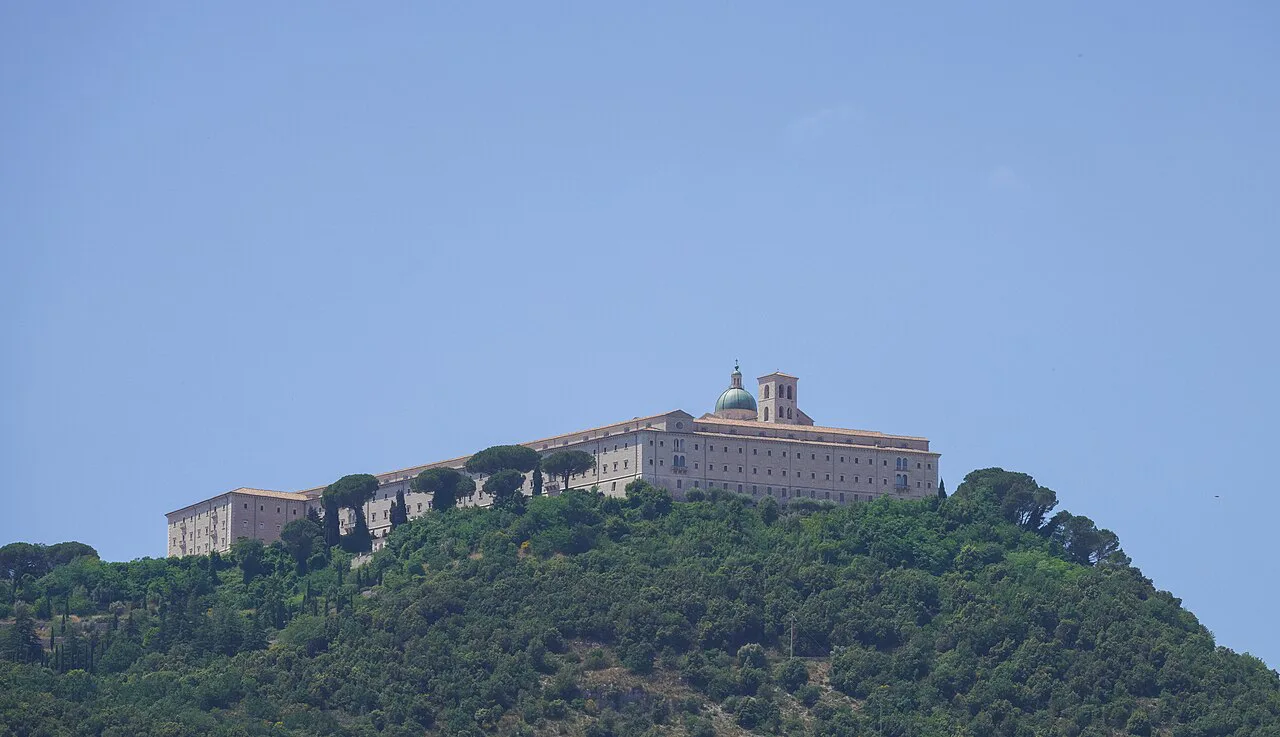
After securing beachheads, the Allies pushed inland with air and naval superiority. Mussolini was removed from power on 25 July 1943, and a new government took over. That government announced an armistice on 3 September 1943. German forces kept fighting on the mainland. Their defense stalled the Allied advance at Monte Cassino from 17 January to 18 May 1944. Rome was liberated on 4 June 1944, almost 11 months after the Sicily landings began.
Monte Cassino stalled the advance from 17 January to 18 May 1944, far longer than the 38 days on Sicily.
From the Beaches to Messina: Inland Battles and War Graves
The British took Syracuse on the first day, but the drive north slowed below Catania. At Primosole Bridge over the Simeto River, British paratroopers and infantry, including the Durham Light Infantry, fought a costly battle in mid-July against determined opposition, including German paratroopers.
With the direct road blocked, the campaign widened around Mount Etna. Patton's forces entered Palermo on 22 July and then turned east. Canadian troops fought through the hill towns of the interior, including Leonforte and Agira. In early August, American troops fought hard for Troina, while the British entered Catania on 5 August.
Axis commanders then withdrew across the Strait of Messina. They got large numbers of troops, along with vehicles and equipment, to the mainland. Allied troops entered Messina on 17 August. The island was won, but much of the German force survived to fight again in Italy.
Places that help you follow the fighting
| Place | Campaign link |
|---|---|
| Primosole Bridge area, south of Catania | Fight for the route across the Simeto |
| Agira | Canadian advance and the Agira Canadian War Cemetery |
| Troina | American battle west of Etna |
| Messina | Axis evacuation and the campaign's end |
Sicily also has places of remembrance for Commonwealth dead, including war cemeteries at Agira, Catania and Syracuse. They can add a quieter stop to a battlefield drive. Check the Commonwealth War Graves Commission website for locations, access details and casualty searches before you go, especially if you are looking for a relative's grave.
What You Can See Today
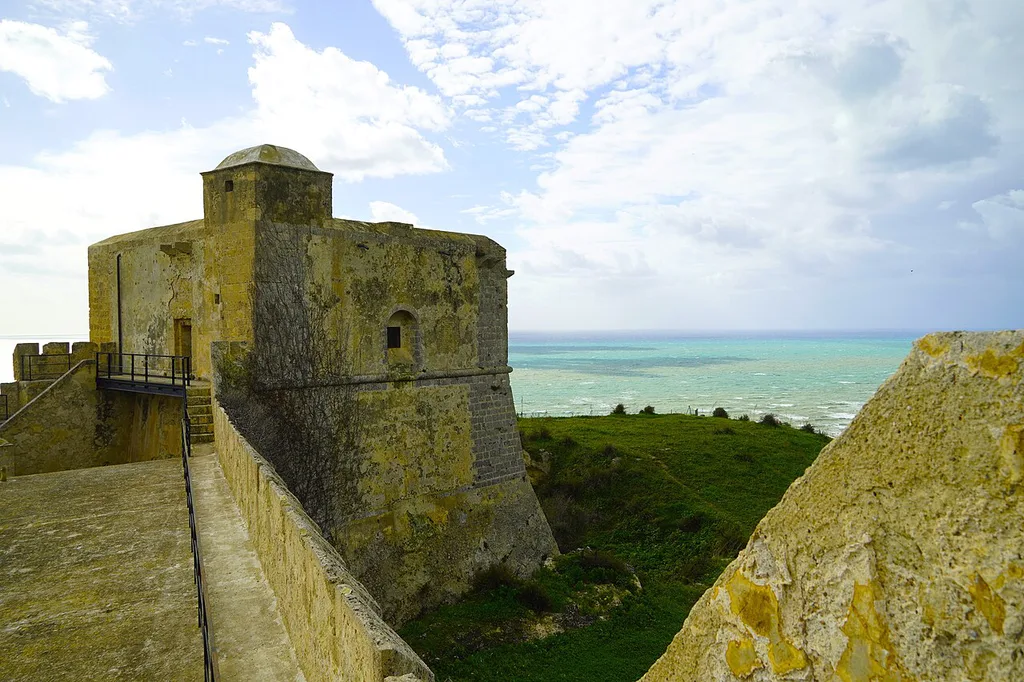
Start with the Museo dello Sbarco in Sicilia, the museum devoted to the 1943 landings. Check its official page for location, hours and tickets before you go. Do not expect a signposted memorial on every landing beach. Most coastal stops are landscape visits where you read the history from a map you bring yourself.
- Museo dello Sbarco in Sicilia: best for first-time visitors who want context and objects in one place.
- Southern and southeastern coastal drive: best for readers with a car who want to see the terrain the armies crossed.
- American cemetery near Rome: a mainland site, covered below, for readers who want a place of remembrance.
The American Cemetery That Is Not in Sicily
Despite its name, the American cemetery near Rome lies on the mainland, not on the island. It is a place of mourning, so follow the posted visitor rules. The American Battle Monuments Commission publishes current visiting information for its Italy cemeteries.
How to Plan a Visit
Treat Sicily as more than a single-day trip. A car gives the most flexibility for coastal and inland battlefield areas, and public transport is limited outside the main towns. Summer heat makes long walks hard, so shoulder seasons suit field visits better. Ticket prices and hours are not published here; use each venue's official page. Times below are planning estimates, not official figures.
| Option | Cost level | Time (estimate) | Access |
|---|---|---|---|
| Museum visit only | Low | Half a day | Easiest by public transport |
| Self-drive coastal route | Medium | 2 to 3 days | Car strongly preferred |
| Guided private tour | High | 1 to 2 days | Pickup arranged by the operator |
- Mistake: treating Sicily as a one-day stop.
- Mistake: assuming every beach has a signposted memorial.
- Mistake: confusing the mainland American cemetery near Rome with a Sicily site.
Sicily Versus Mainland Italy WW2 Sites
Choose Sicily if the invasion itself is your focus. Choose the mainland if you want preserved fortifications, large cemeteries, and easier day trips from Rome. Most readers combine both over a longer trip, starting with Sicily and following the campaign north.
| Your priority | Better choice |
|---|---|
| Origins of the Italian campaign | Sicily |
| Short trip from Rome | Mainland sites |
| Cemeteries and memorials | Mainland sites |
| Following the war in sequence | Both, in order |
What Came Next: Where to Follow the Campaign
The next amphibious step was in September 1943, covered in our Salerno landings guide. In January 1944 the Allies landed again, as described in the Anzio beachhead history. Plan access with our guide to reaching Anzio from Rome. The campaign bottleneck follows at Monte Cassino: Abbey, Battle and How to Visit, where the abbey's official site lists visitor information. Day-trippers can use our Rome to Monte Cassino route. The later northern fighting is covered in our Gothic Line guide.
Rome was liberated on 4 June 1944, almost 11 months after the Sicily landings began. Treat mainland stops as a later chapter of the same campaign.
A Practical 2-to-3-Day Sicily Landings Route
Allow 2 to 3 days if you want to pair historical context with the coastal landscapes of Operation Husky. Begin in Catania at the Museo dello Sbarco in Sicilia. It gives useful background before you try to interpret beaches and inland approaches without extensive markers.
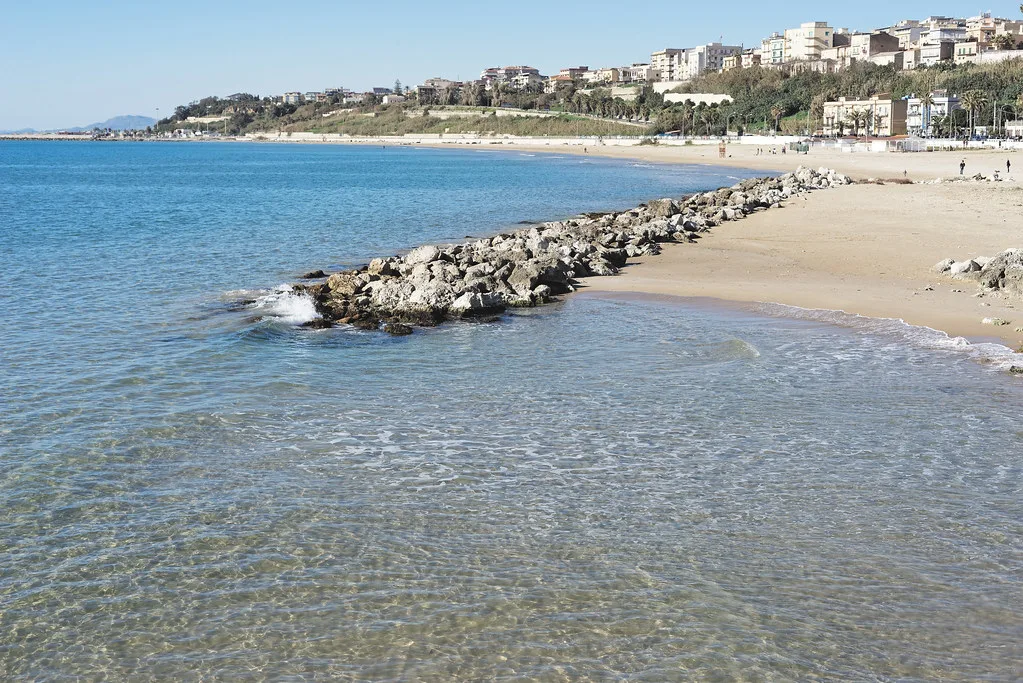
On the following day, use a car to explore the southern and southeastern coasts. The US Seventh Army landed on the southern coast, while the British Eighth Army landed on the southeastern coast. These are broad battlefield landscapes, not a chain of fully interpreted attractions.
Keep the scale of the campaign in mind as you travel. Landings began on 10 July 1943, but fighting continued for 38 days. A third day gives you flexibility for slower coastal stops or an inland detour. Check the museum’s official information before setting out, and do not rely on public transport for every battlefield-area stop.
Frequently Asked Questions
What year was Sicily invaded?
The Allies invaded Sicily in 1943. The landings began on 10 July 1943, and fighting on the island lasted 38 days.
Keep planning
Guides on the same trip