Ardeatine Caves (Fosse Ardeatine): Visitor Guide & History
Plan a visit to the Ardeatine Caves in Rome: what the memorial is, how to get there, how to confirm hours, and what else to see nearby.
In this guide
Last updated November 2026: the Ardeatine Caves (Fosse Ardeatine) are a memorial and mausoleum on Via Ardeatina in Rome, where 335 people were killed on 24 March 1944. Visitors come to pay respects at a solemn burial site, not to tick off an attraction. Hours and access are set by the authorities, so read the Italian Ministry of Defence's Mausoleo Fosse Ardeatine page before you travel.
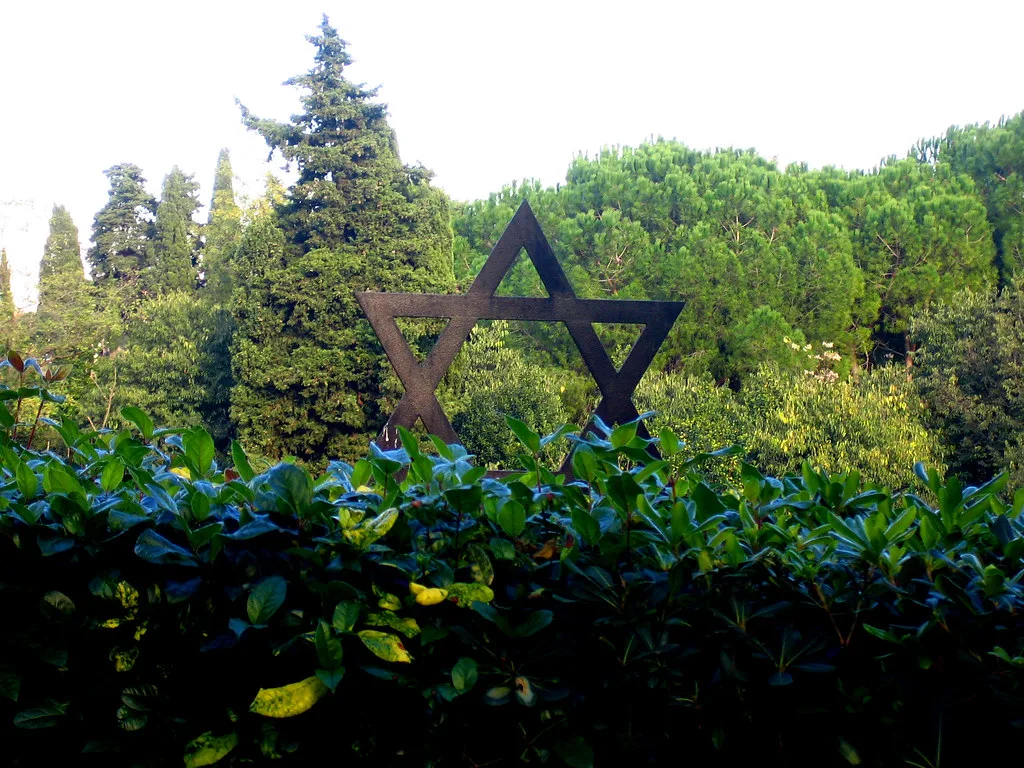
Featured image: ho visto nina volare, CC BY-SA 2.0, via Flickr.
What the Ardeatine Caves are and what a visit involves
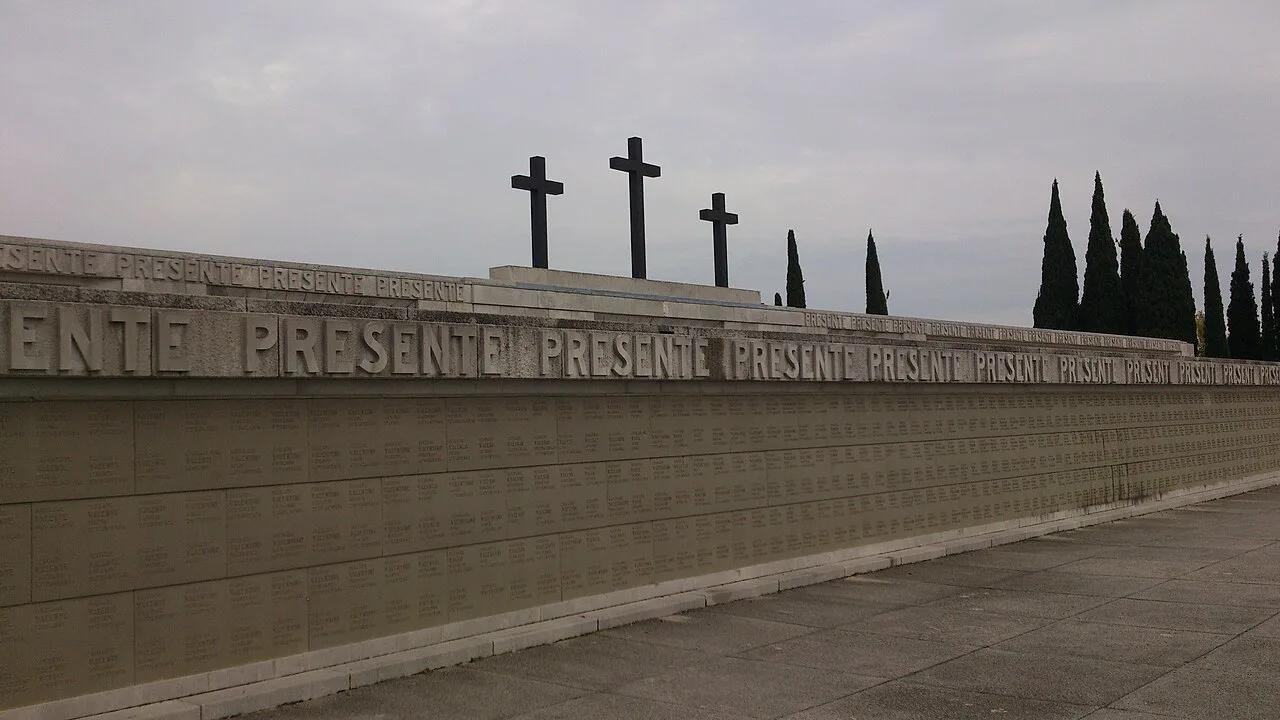
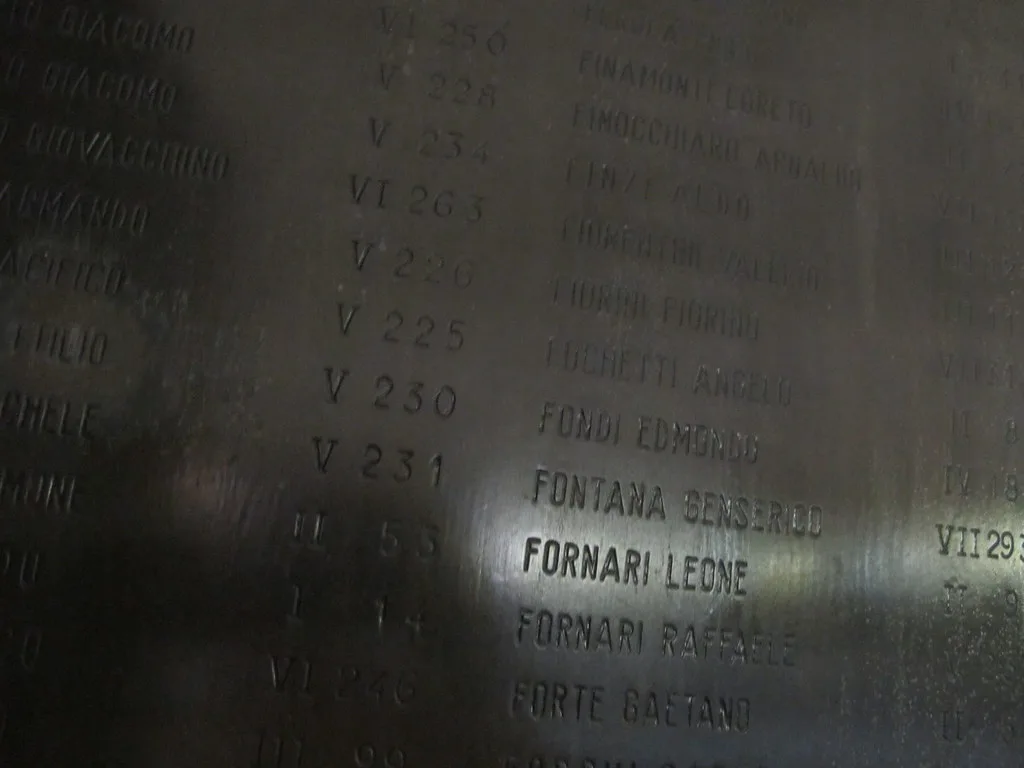
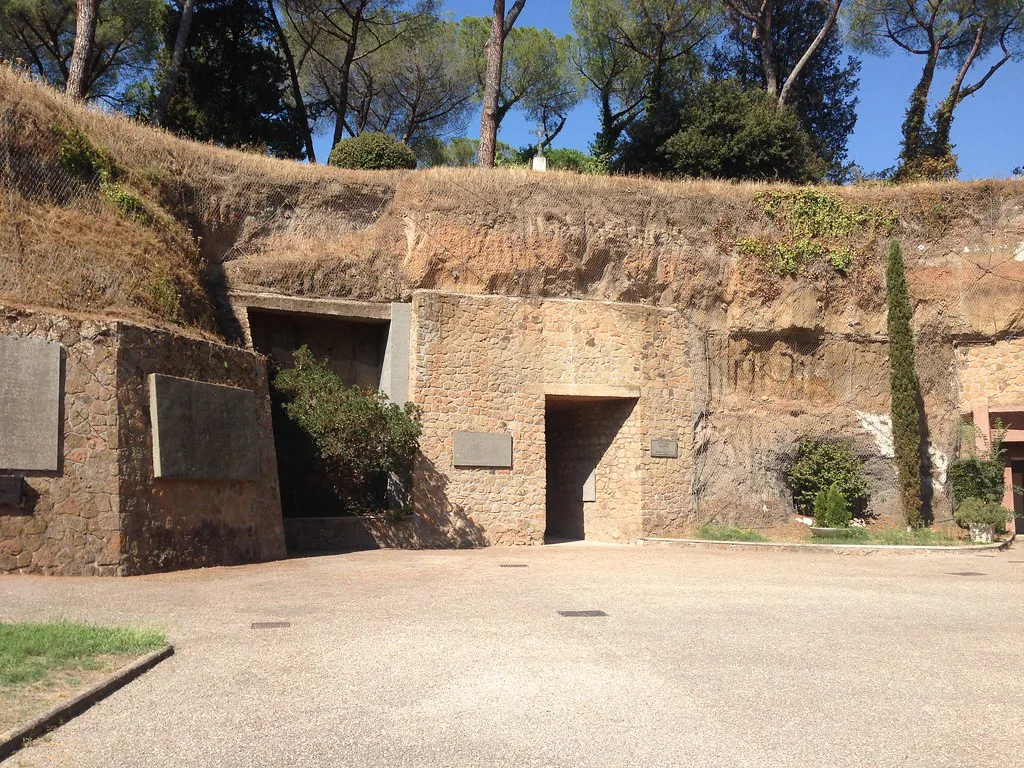
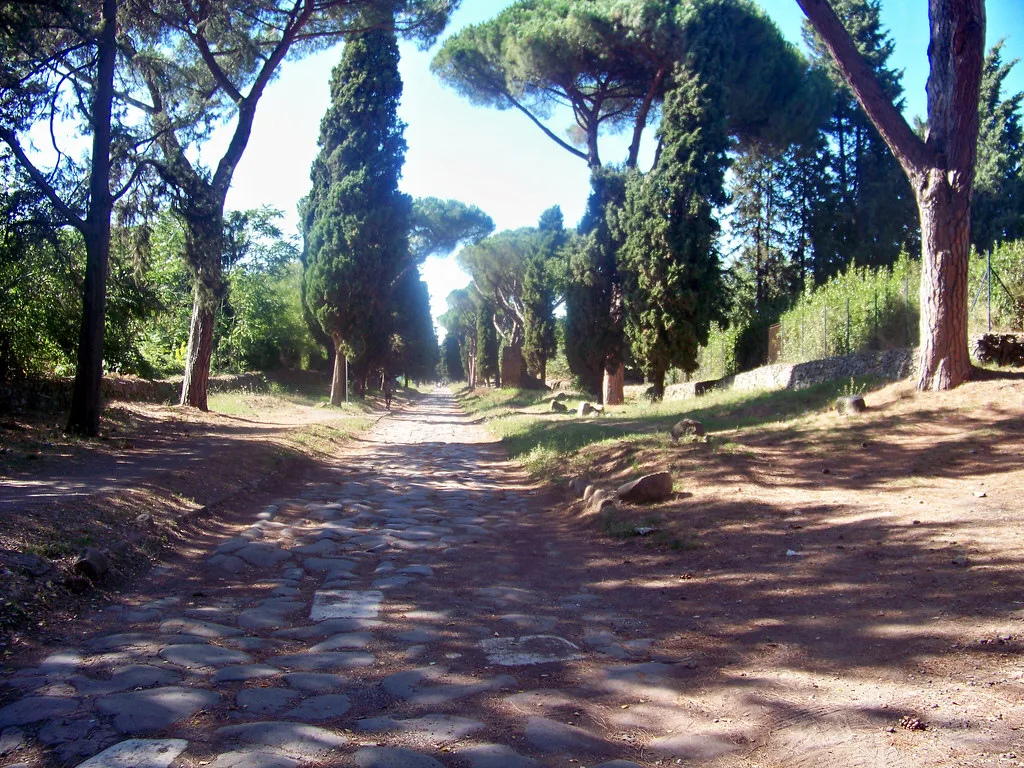
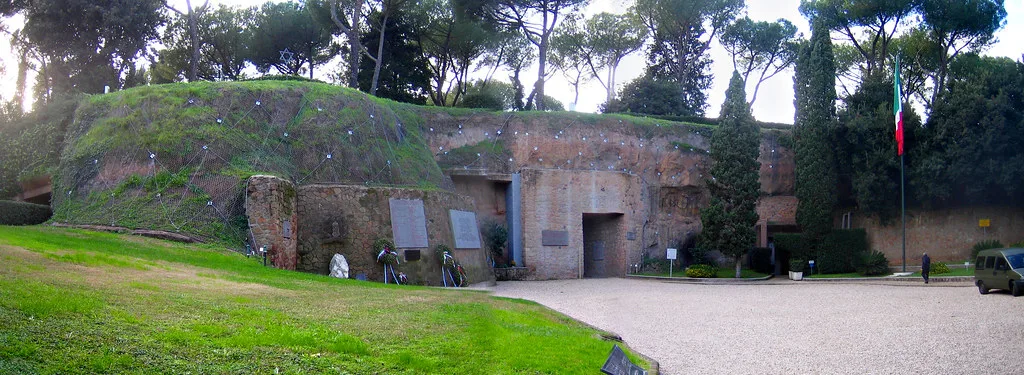
Fosse Ardeatine translates as the Ardeatine pits, and the site is both a burial place and a national memorial. Disused pozzolana quarries near Via Ardeatina became the killing ground on 24 March 1944. German occupation troops killed 335 civilians and political prisoners there, in reprisal for a partisan attack in Via Rasella on 23 March 1944. Today the Mausoleo delle Fosse Ardeatine stands at Via Ardeatina 174, a few steps from the Appian Way. Expect a quiet, reflective visit built around a gate, a sculpture group, the quarry tunnels and a mausoleum. Use this quick check before you commit time to the trip.
- Who it suits: readers who want to understand the occupation of Rome and pay respects at a burial site.
- Emotional weight: high. The quarry tunnels are where the killings took place.
- Children: depends on age and temperament, so read the official conduct guidance first.
- Time on site: roughly 1 hour is our own rough estimate, not an official figure.
Plan your visit to the Ardeatine Caves: access, hours and tickets
Turismo Roma directs readers to the mausoleum's official website for opening times. No admission price or fixed schedule is quoted here, because only the official site can state them reliably. Guided visits are organised by ANFIM and booked through the mausoleum's official contact details. Use Via Ardeatina 174 as the address in any map, taxi app or booking form.
- Step 1: open the official mausoleum site and read the current hours.
- Step 2: for a guided visit, contact ANFIM through the address listed there.
- Step 3: look at the calendar for 24 March, the annual commemoration date.
- Step 4: check the catacomb tour rules separately if you plan to combine sites.
Getting there from central Rome
Via Ardeatina 174 is the address to give a driver or a journey planner. Rome's public transport operator publishes current routes, so enter the address and follow the stop it suggests. No bus numbers or metro stops are named here, because routes change and the operator's planner is the reliable source. Taxis and guided tours trade cost for convenience. Costs and times in the table are relative levels, not fares. Turismo Roma points visitors who need step-free access to its Roma accessibile section.
| Option | Cost level | Time | Best for |
|---|---|---|---|
| Public transit | Lowest | Longest | Independent travellers comfortable checking routes |
| Taxi or ride | Higher | Shortest, door to door | Tight schedules and mobility needs |
| Guided tour | Varies by operator | Fixed itinerary | Pairing the memorial with the Appian Way and catacombs |
What you will see on site
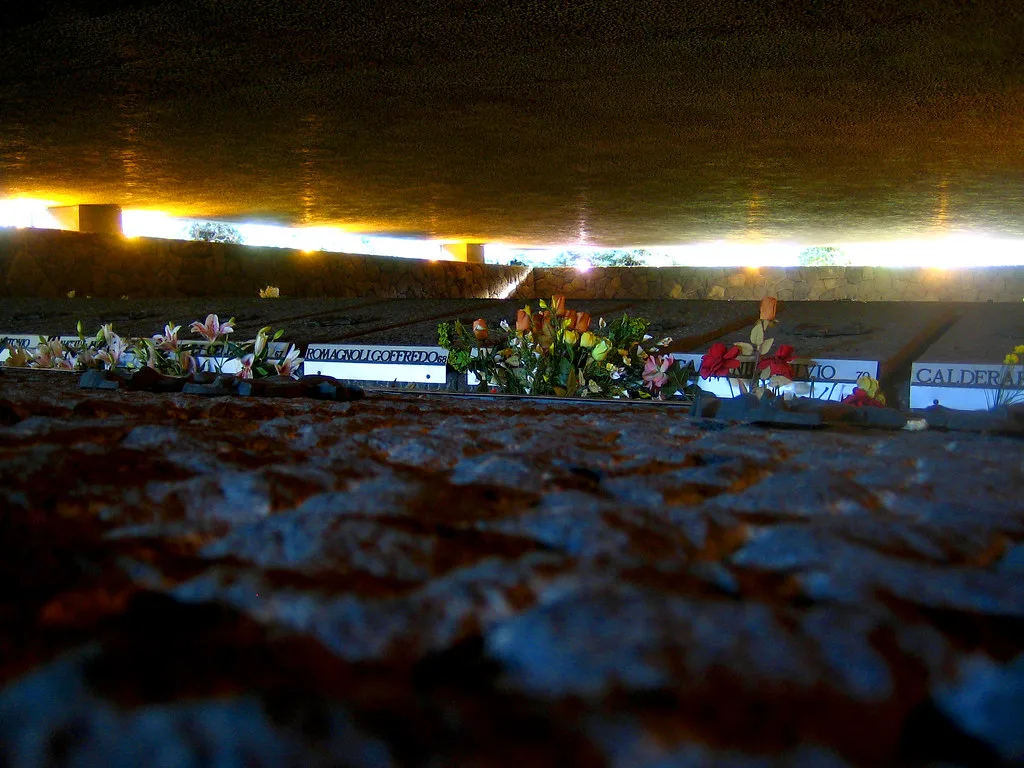
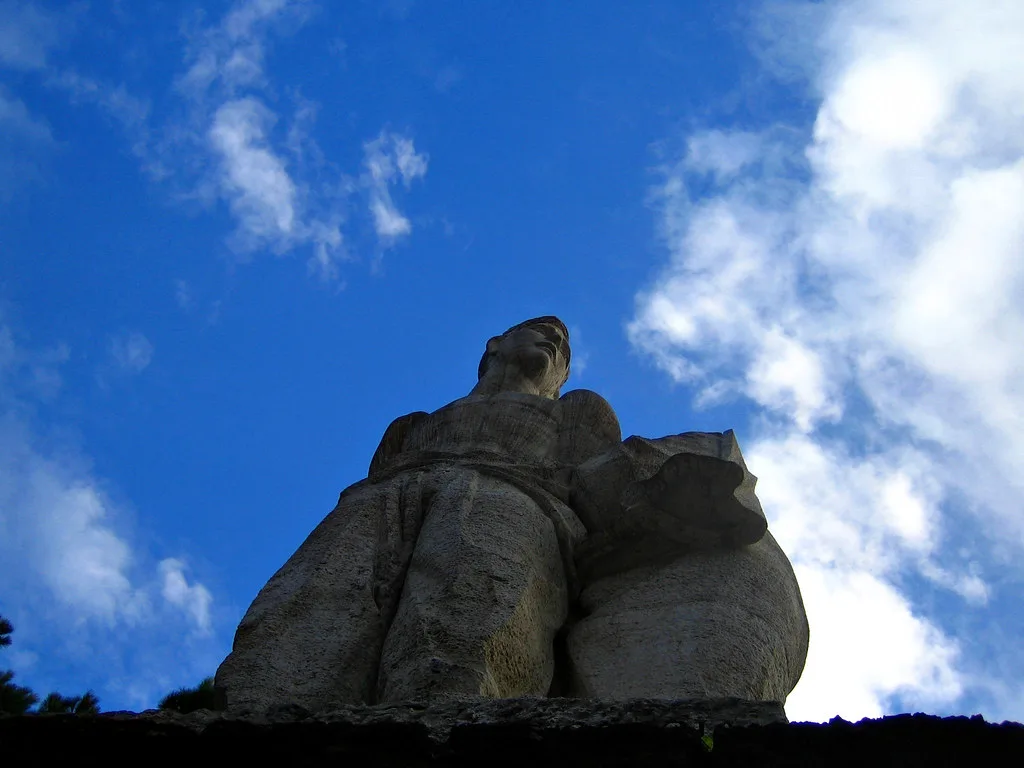
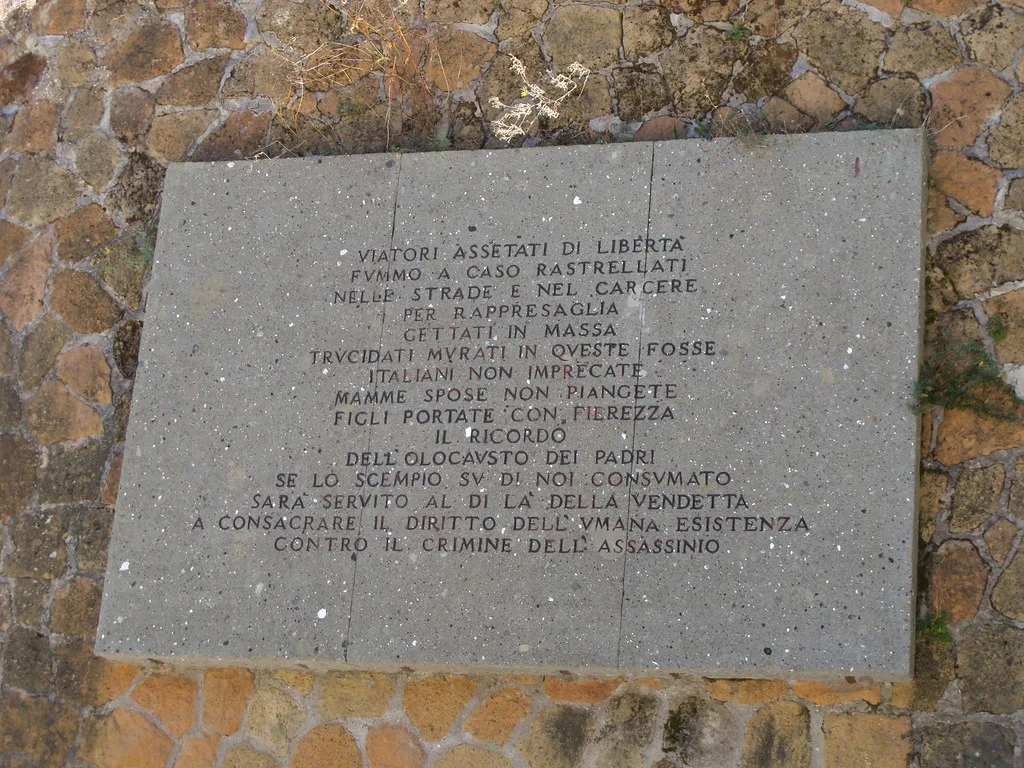
Turismo Roma describes a visitor path that the sculpture group itself indicates. In September 1944 the City of Rome held a design competition for the mausoleum. Construction began on 22 November 1947. Inauguration came in 1949, on the fifth anniversary of the killings. Wikipedia's account gives the youngest victim as 15 and the oldest as 70, which lends the idea of three ages a literal weight. Memorial plaques inside the tunnels carry the victims' own words.
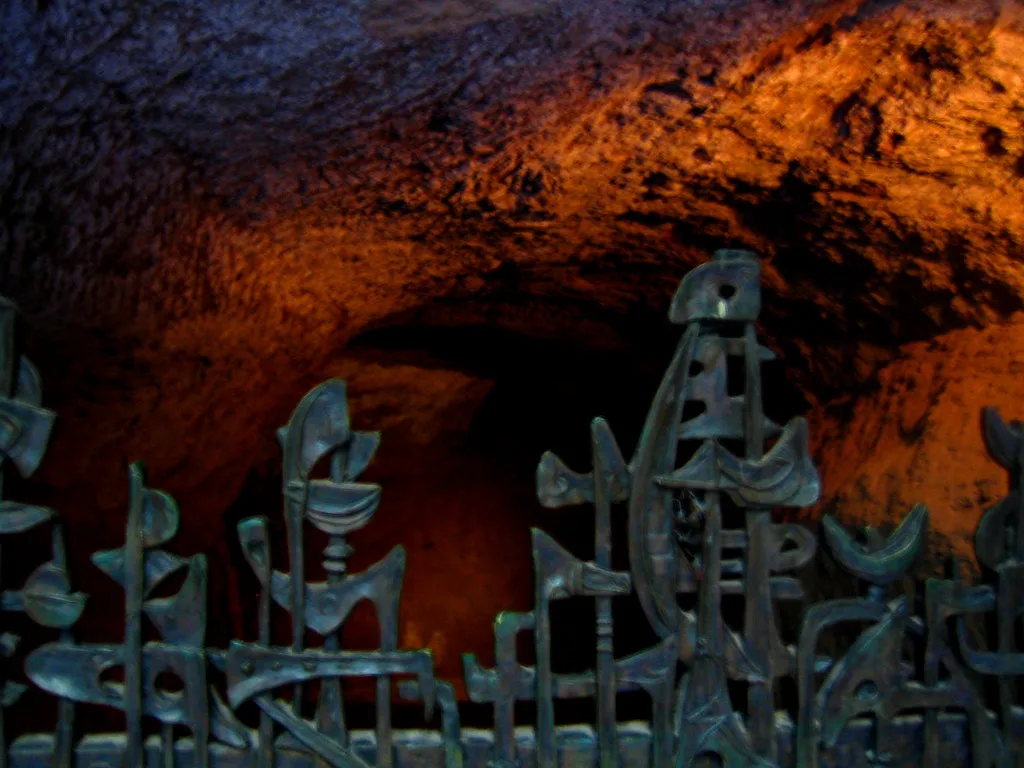
- Gate: Mirko Basaldella's gate leads into the site, and its twisted figures evoke the scene of the massacre.
- Sculpture group: Francesco Coccia's group of 3 figures represents the 3 ages of man, with bodies turned toward the quarries, the burial place and the square.
- Quarry tunnels: the former pozzolana quarries where the killings took place, now a place for quiet reflection.
- Mausoleum: a hollow concrete block designed by Giuseppe Perugini, Nello Aprile and Mario Fiorentini, which shelters the tombs above ground, close to the massacre site.
What happened on 24 March 1944
On 23 March 1944, partisans attacked a German police column in Via Rasella, central Rome. Turismo Roma reports 33 German soldiers killed and 38 wounded. Occupation commanders ordered 10 Italians killed for each German death. Those 335 men were chosen at random from political prisoners held at Via Tasso, Jews and civilians. They were killed in the quarries near Via Ardeatina on 24 March. Explosives were then set to seal the caves and conceal the killings. Friars who guided visitors to the nearby catacombs heard vehicles and explosions. At night they entered the caves and found the bodies. Rome had been under German occupation since September 1943. Allied troops had landed at Anzio in January 1944, about 30 miles from Rome, but German fortifications held them back. Italy's surrender was announced on the eve of the Fifth Army's Salerno landing on 8 September 1943.
Common misconceptions and disputed points
Several claims about the massacre circulate widely, and some are wrong. Both Turismo Roma and Wikipedia give 335 victims. Italian state sources are the safest reference for any disputed detail. Wikipedia itself notes that its article lacks sufficient inline citations.
Only 75 of the 335 were Jewish, though the victims were picked at random from prisoners, Jews and civilians.
- Partisans ordered to surrender: Wikipedia's account treats the claim that they were told to come forward and refused as a misconception.
- Mostly Jewish victims: only 75 of the 335 were Jewish, and the victims came from every walk of life.
- Via Rasella casualties: Turismo Roma gives 33 killed and 38 wounded, while Wikipedia says 28 died immediately and the toll later reached 33.
- Unit name: sources call the police unit "Bozen" or "South Tyrol", so this guide says only a German police column.
Combine with the Appian Way and the Catacombs of San Callisto and Domitilla
Turismo Roma lists 3 neighbouring monuments: the Appian Way, the Catacombs of Saint Callistus and the Catacombs of Domitilla. Together they make a natural half-day cluster. That history ties the catacombs to the memorial beyond mere proximity, because their guides discovered the bodies. Catacomb visits are guided, so book each site on its own official page. A hotel near the memorial is unnecessary. Choose a base with easy Rome transit, and travel out for the day. With 2 catacomb complexes nearby, pick one rather than rushing both.
| Stop | Reachable with the mausoleum? | Booking | Check first |
|---|---|---|---|
| Mausoleum (Via Ardeatina 174) | Starting point | Guided visits via ANFIM | Hours on the official site |
| Appian Way | A few steps away, per Turismo Roma | Walk-up route | Current access conditions |
| Catacombs of San Callisto | Listed by Turismo Roma as nearby | Expect guided entry | Tour schedule and rules |
| Catacombs of Domitilla | Listed by Turismo Roma as nearby | Expect guided entry | Tour schedule and rules |
Rome's memory trail: Via Rasella, Via Tasso and Fosse Ardeatine
These 3 places are separate locations in different parts of Rome, so plan transit between them. Via Rasella is in central Rome. Check the Museum of the Liberation of Rome's hours on its own official page. Rossellini's 1945 film Rome, Open City alludes to these events. Its priest character recalls Don Giuseppe Morosini and Don Pietro Pappagallo, the latter killed at the Fosse Ardeatine.
Former SS headquarters at 145 Via Tasso sits in a different part of Rome from Via Ardeatina 174, so plan transit between stops.
- Stop 1, Via Rasella: where the partisan attack of 23 March 1944 took place. Wikipedia says the column had marched from Piazza di Spagna into this narrow street.
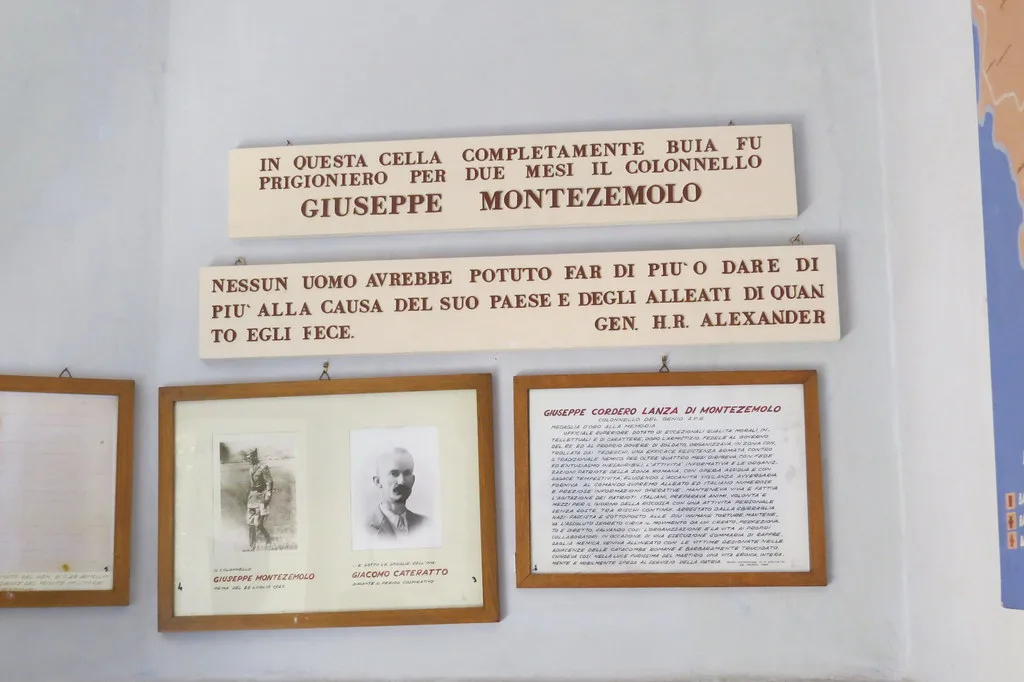
- Stop 2, Via Tasso: the former SS headquarters at 145 Via Tasso, now the Museum of the Liberation of Rome. Some prisoners chosen for the reprisal came from its prison.
- Stop 3, Fosse Ardeatine: end here, at the mausoleum on Via Ardeatina 174.
Visiting respectfully: children, photography and conduct
Conduct rules, photography policy and any dress expectations are set by the mausoleum, and none is quoted here. Read them on the official site before you go. Treat the grounds as a burial place. Parents of younger children should weigh the setting, since the tunnels are where 335 people were killed. Each 24 March a state commemoration is held, with authorities, partisan associations, deportees, students and citizens present while the 335 names are read aloud. Confirm in advance whether access or crowds change on that date.
- Mistake: arriving without checking the current hours.
- Mistake: assuming catacomb tours are walk-in.
- Mistake: treating the memorial as a quick photo stop.
- Mistake: planning a visit on 24 March without checking access.
Rome and the wider Italian campaign
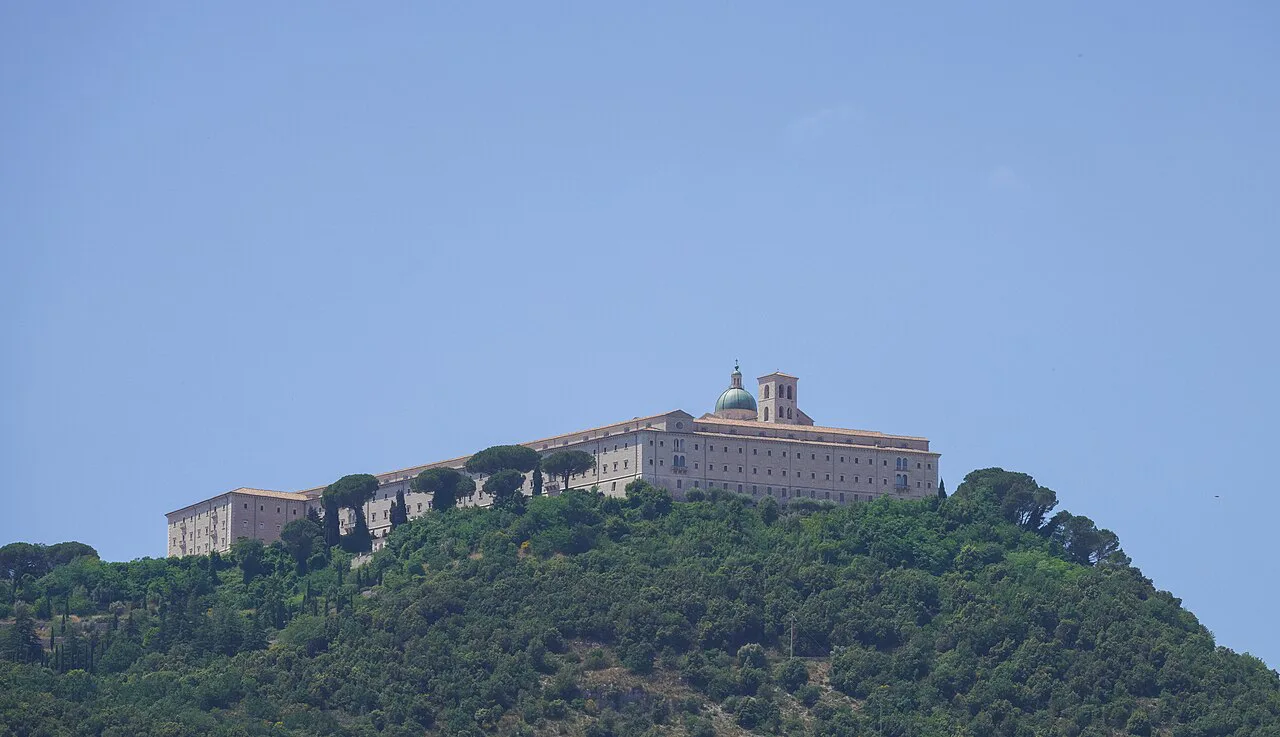
Rome's wartime story runs through several campaigns. A day trip to Anzio covers the coastal landing that raised hopes of liberation in January 1944. Another route runs inland, and our Rome-based Monte Cassino route explains it. For the full picture, start from our WWII sites across Italy hub.
Keep planning
Guides on the same trip