Gothic Line in Italy: What It Was and What You Can Visit Today
What the Gothic Line was, where it ran across northern Italy, and how to plan a visit to its sites and nearby WWII memorials.
In this guide
Last updated November 2026. The Gothic Line (Linea Gotica) was a German defensive belt across the northern Apennines, running from Pesaro on the Adriatic coast to near La Spezia. It is a line across a landscape and not a single attraction, so a visit means choosing a valley, a cemetery or a stretch of hills. Use this guide to place it within WWII sites across Italy and to decide what is realistic.
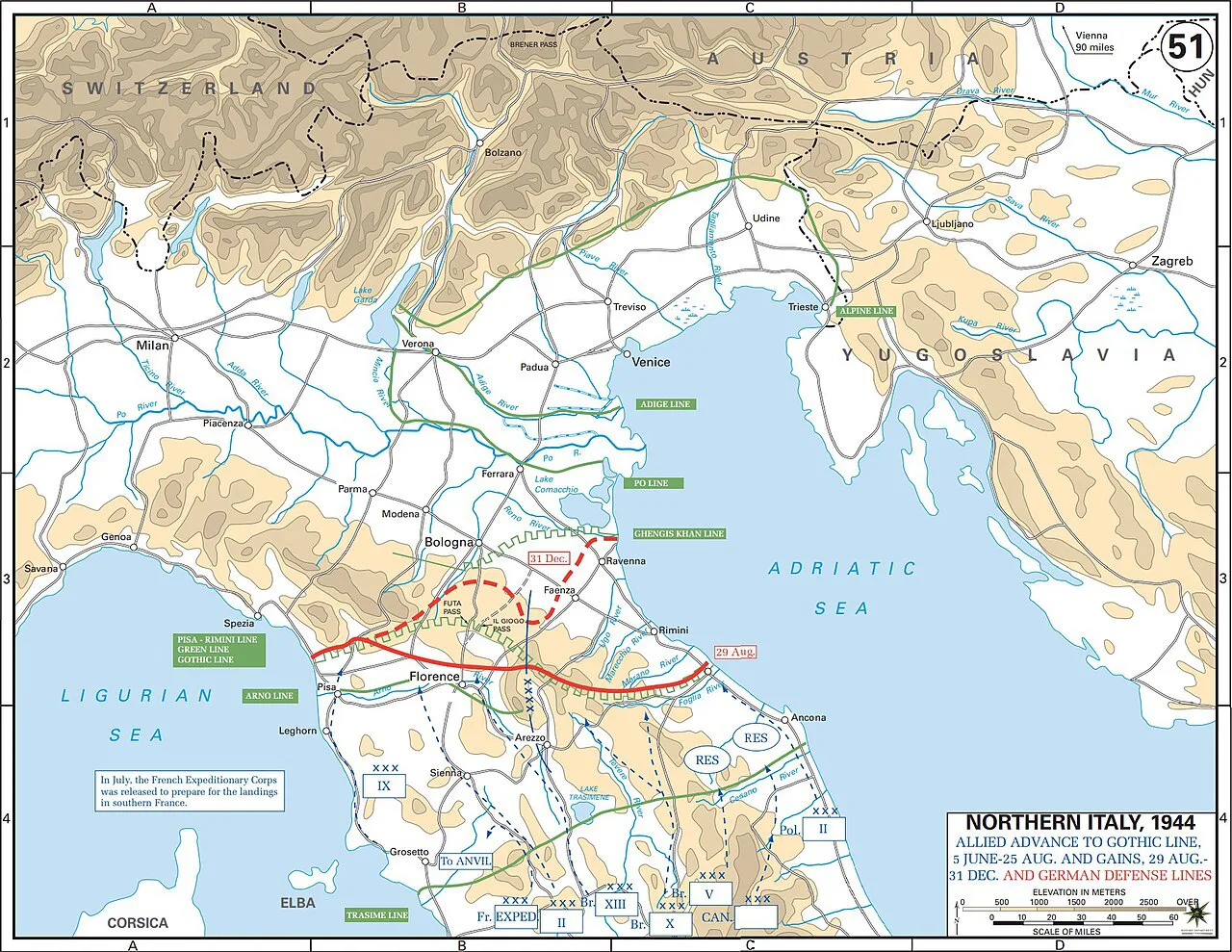
Featured image: The History Department of the United States Military Academy, Public domain, via Wikimedia Commons.
What the Gothic Line was, in brief
German forces built the Gothic Line as a defensive barrier against the Allied advance up the Italian peninsula. It used the northern Apennines as a natural wall. Allied armies had to break through it before they could reach the plains of northern Italy.
There is no ticketed monument that represents the whole line. What survives is spread across hills, river valleys, passes and cemeteries. Treat the line as a historical frame that explains the places you can actually stand in.
Where the Gothic Line ran across northern Italy
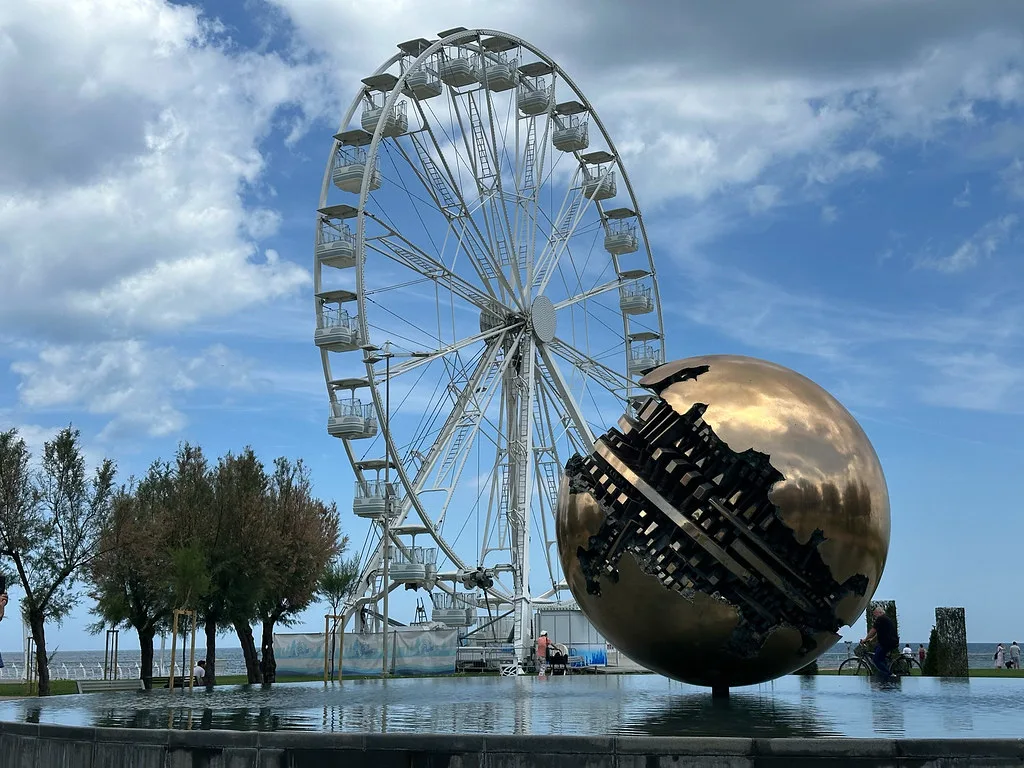
Start from the two ends. The eastern end sits at Pesaro on the Adriatic coast. The western end lies near La Spezia on the Ligurian side. Between them the line followed the ridges and passes of the northern Apennines.
One well-documented sector is the River Foglia valley inland from Pesaro. Archive photography places Eighth Army troops observing that valley near Monte Calvo and Colbordolo. Those two names are a useful starting point for anyone who wants to see the Adriatic end of the line.
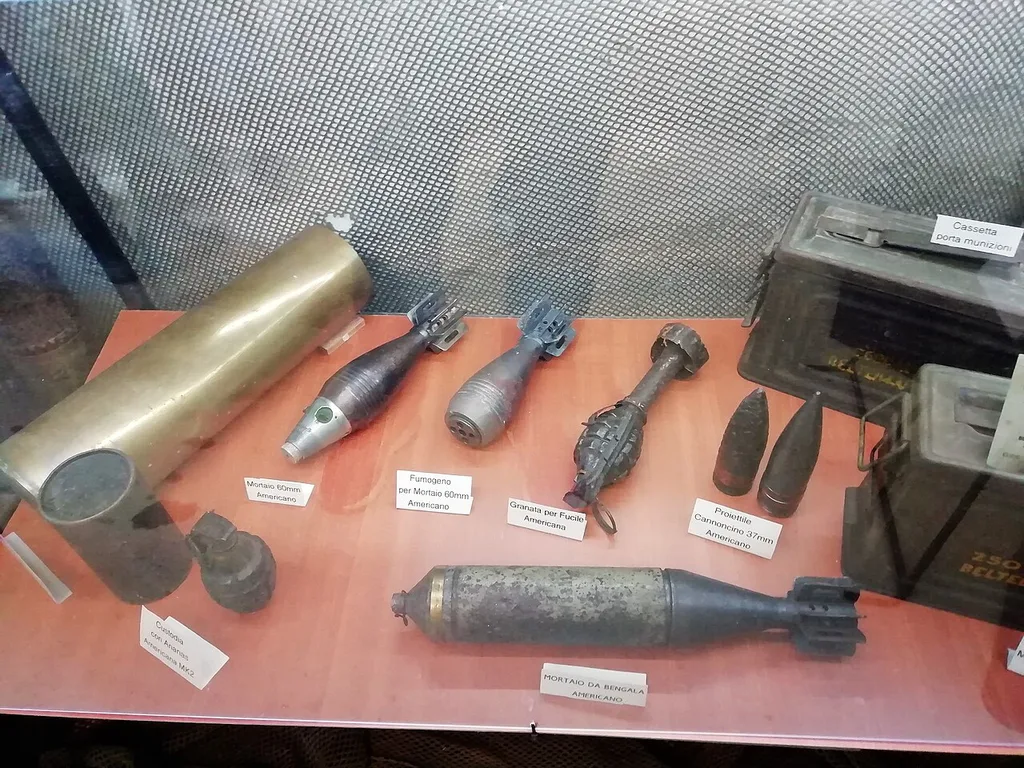
Further west, the Futa Pass is a named point on the route between Florence and Bologna. A German war cemetery stands there. Choose one sector rather than trying to follow the whole belt in a single trip.
What you can visit on the Gothic Line today
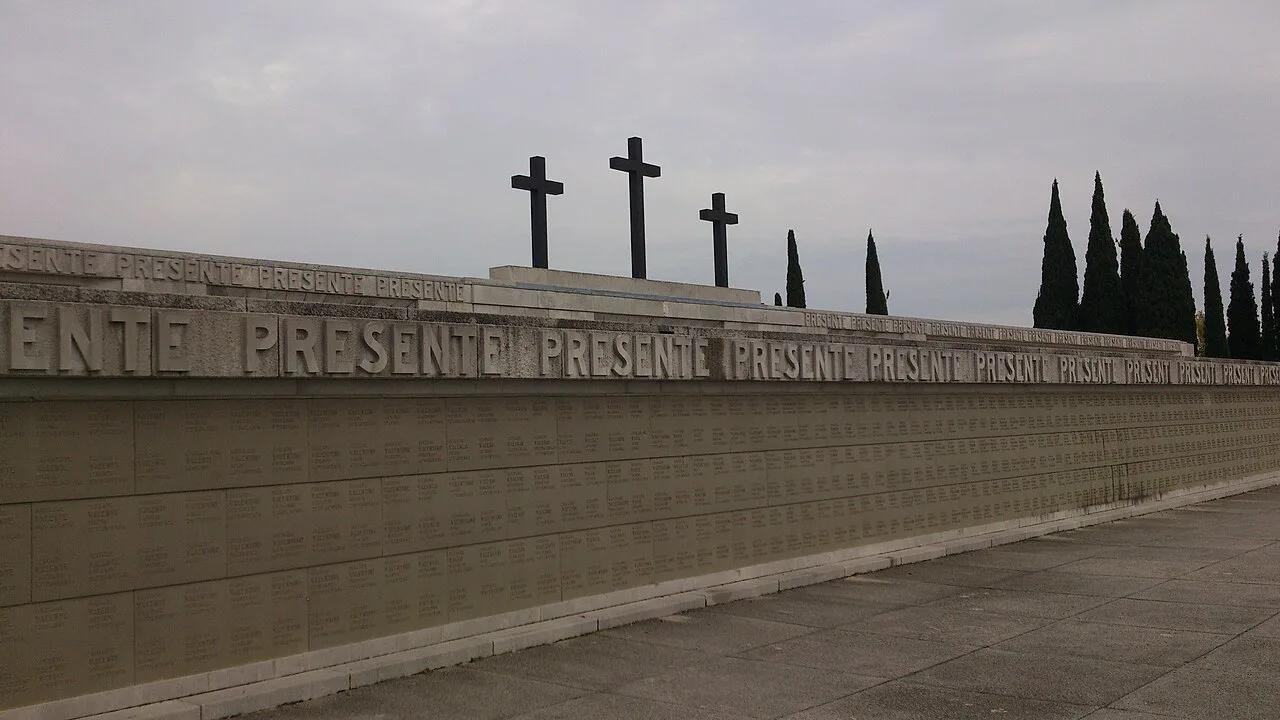
Expect a self-guided landscape trip with a few anchor points. Cemeteries are the clearest places to pay respects, and they have their own conduct expectations. Keep to the paths, speak quietly and follow any signs at the entrance.
The Volksbund war graves organisation looks after the German cemetery at the Futa Pass. The American cemetery near Florence is run by the American Battle Monuments Commission, and its Florence American Cemetery page carries visiting details. Our guide to Florence American Cemetery: How to Visit and What to Know covers the visit itself.
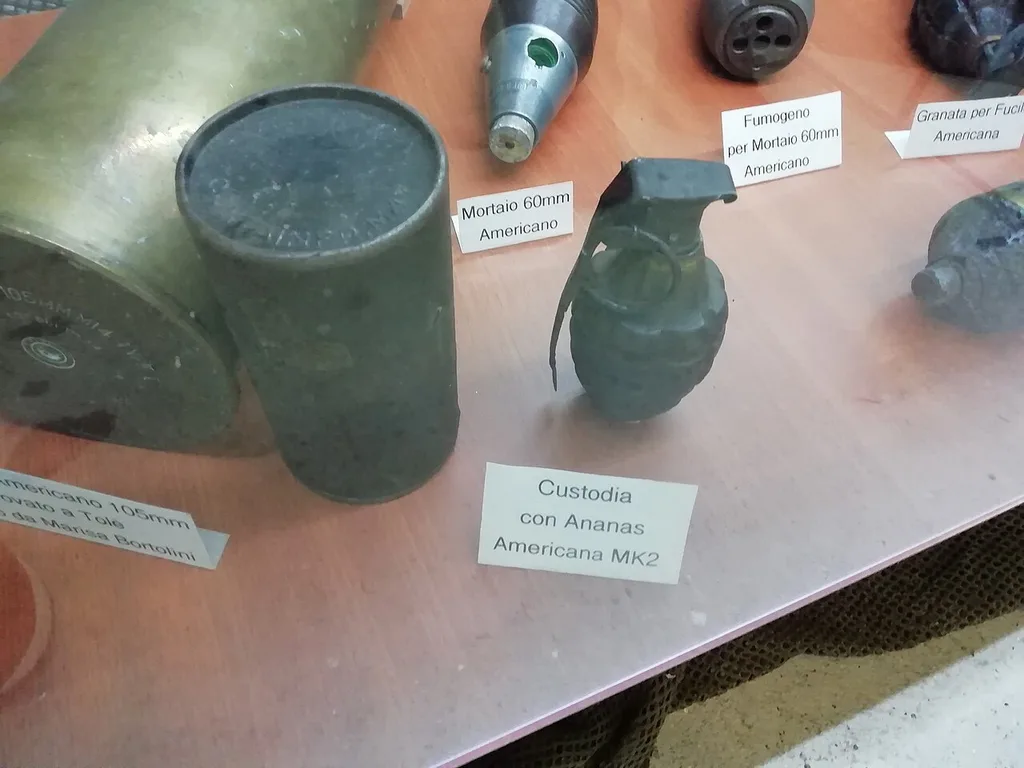
For anything else, such as local museums, preserved positions or marked walking routes, check with the municipality or regional tourism office before you set out. Do not assume a site is staffed or open on a given day.
| Type of stop | Where to look | Planning note |
|---|---|---|
| Landscape viewpoint | River Foglia valley near Monte Calvo and Colbordolo | Open countryside; no visitor centre to rely on |
| German war cemetery | Futa Pass | Details via the Volksbund |
| American war cemetery | Near Florence | Details via the ABMC |
| Museums and fortifications | Local municipalities along the line | Check opening days with each local office |
How to plan a Gothic Line trip: time, access and trade-offs
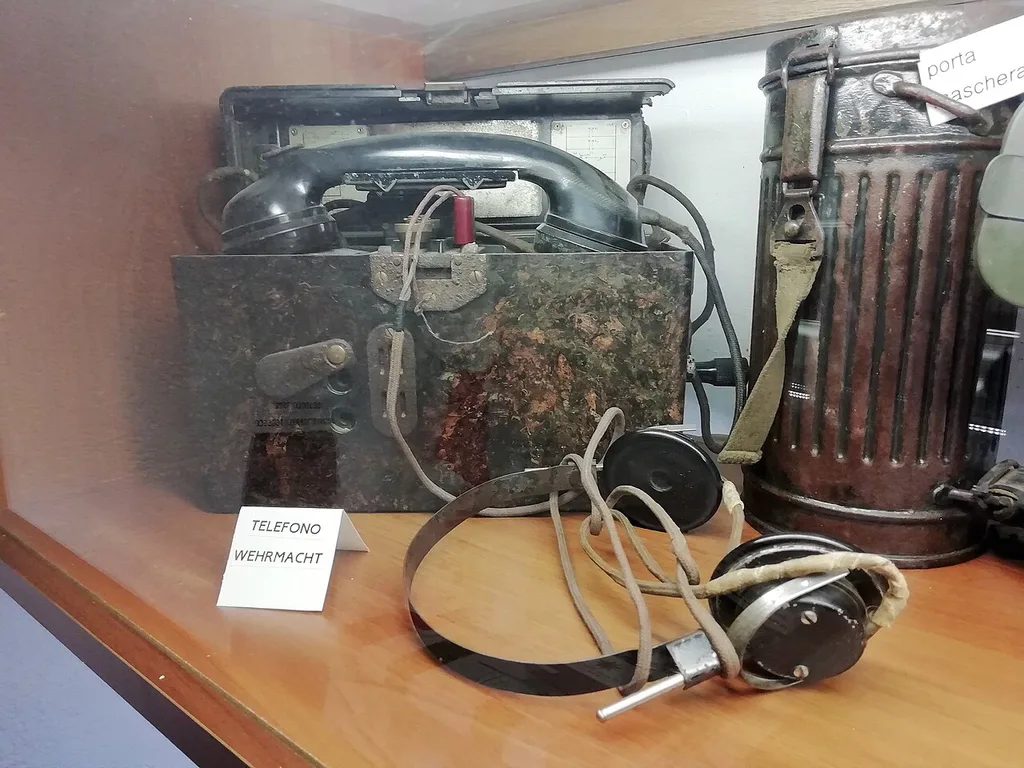
A car is the realistic option. The sites sit in rural hills and passes, and public transport links to individual stops are not documented. Pick one sector and base yourself nearby.
Spring and autumn suit walking better than midsummer heat or winter mud on hill tracks. Open-air stops need no booking. Staffed sites keep their own hours, so confirm those locally.
- Mistake: expecting a single Gothic Line site with a visitor centre.
- Mistake: driving to a small museum or fortification without checking opening days.
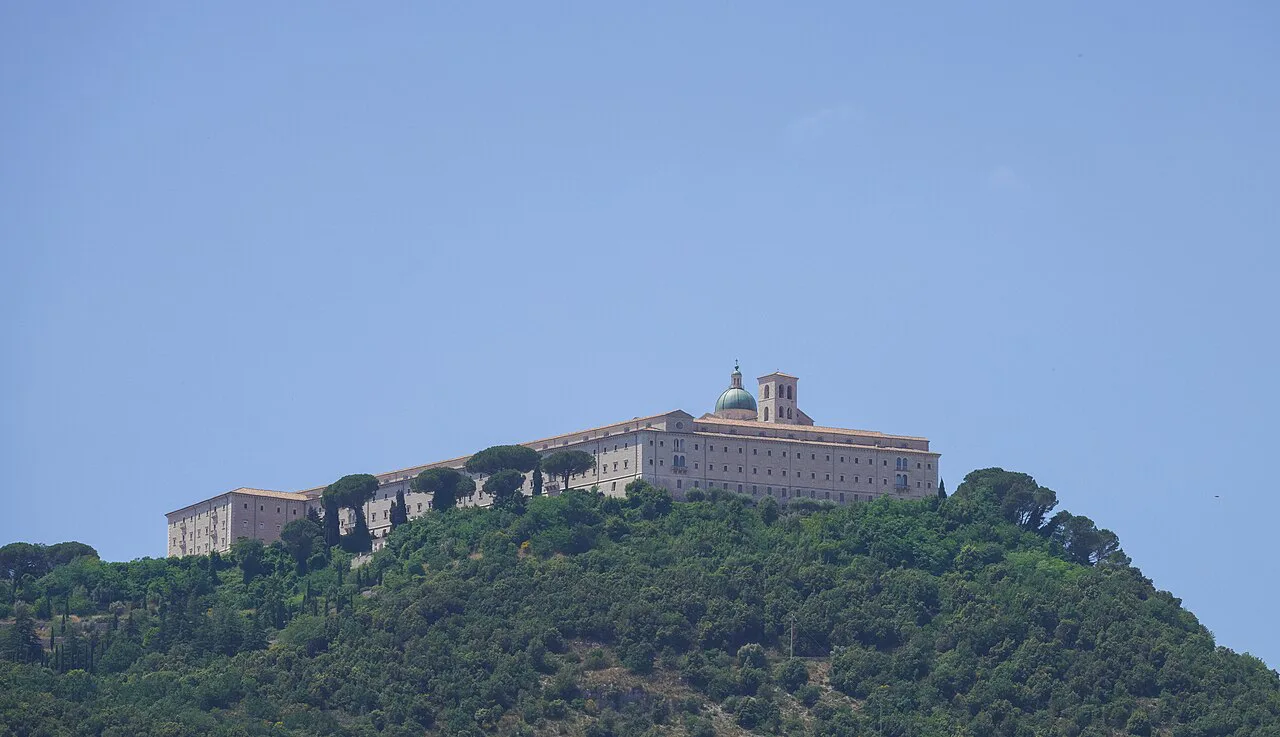
- Mistake: confusing the Gothic Line with Monte Cassino, which belongs to an earlier phase in a different region.
- Mistake: trying to cover Pesaro, the Futa Pass and La Spezia in one day.
Gothic Line vs Monte Cassino and Anzio
These are different campaign phases in different places. Monte Cassino and Anzio lie south of Rome and belong to the earlier fighting. The Gothic Line lies far to the north in the Apennines. Readers often merge them because all three involve the Allied advance up Italy.
For the abbey and its battlefield, go to our Monte Cassino guide. For the beachhead south of Rome, see the Anzio beachhead. If you want the earlier sequence, the Salerno landings come before both.

| Place | Where | Best for |
|---|---|---|
| Gothic Line | Northern Apennines, Pesaro to near La Spezia | Landscape and cemetery visits by car |
| Monte Cassino | South of Rome | Abbey, cemeteries and museum |
| Anzio | Coast south of Rome | Beachhead sites and cemeteries |
Who should skip the Gothic Line
Skip it if you want a staffed attraction with fixed hours. Skip it if you are travelling without a car and have little time. Casual sightseers will get more from the better-signposted sites near Rome, such as Monte Cassino from Rome: Train, Car or Tour Day Trip Guide.
Where to base yourself for Gothic Line sites
Choose a base by sector. Pesaro suits the Foglia valley and the Adriatic end. Florence suits the Futa Pass and the American cemetery. La Spezia suits the western end. Confirm drive times on a current map before booking.
Frequently Asked Questions
Where was the Gothic Line in WWII?
It ran across the northern Apennines from Pesaro on the Adriatic coast to near La Spezia. Sectors such as the River Foglia valley and the Futa Pass are the best-known places to orient yourself.
What was the Gustav Line?
It was an earlier German defensive line, linked to the fighting around Monte Cassino. The Gothic Line was a later barrier in northern Italy. Our Monte Cassino guide covers the earlier phase.
Keep planning
Guides on the same trip